Every faithful reader and dedicated student of scripture relies on a well-cared-for Bible. A case or cover designed for a study Bible is more than a cosmetic accessory; it is a practical shield against the rigors of daily use, travel, and study environments. The best Bible cases combine durability, protection, and organization with accessible design so you can focus on the Word, not on worrying about wear and tear. In this guide, we explore durable protective covers for study Bibles, covering the different styles, materials, features, and care tips you need to make an informed choice.
Whether you carry a compact study Bible to church, a large study edition for in-depth reading, or a compact devotional alongside notes, there is a case variation that matches your lifestyle. From classic leather and PU faux leather to rugged nylon and hard-shell designs, the right cover can extend the life of your pages, protect margins and bindings, and even help you stay organized on the go.
Types of Bible Cases and Covers
Different environments and usage patterns call for different kinds of protection. Here are the most common categories, with notes on their strengths and typical use cases.
Leather Bible Cases
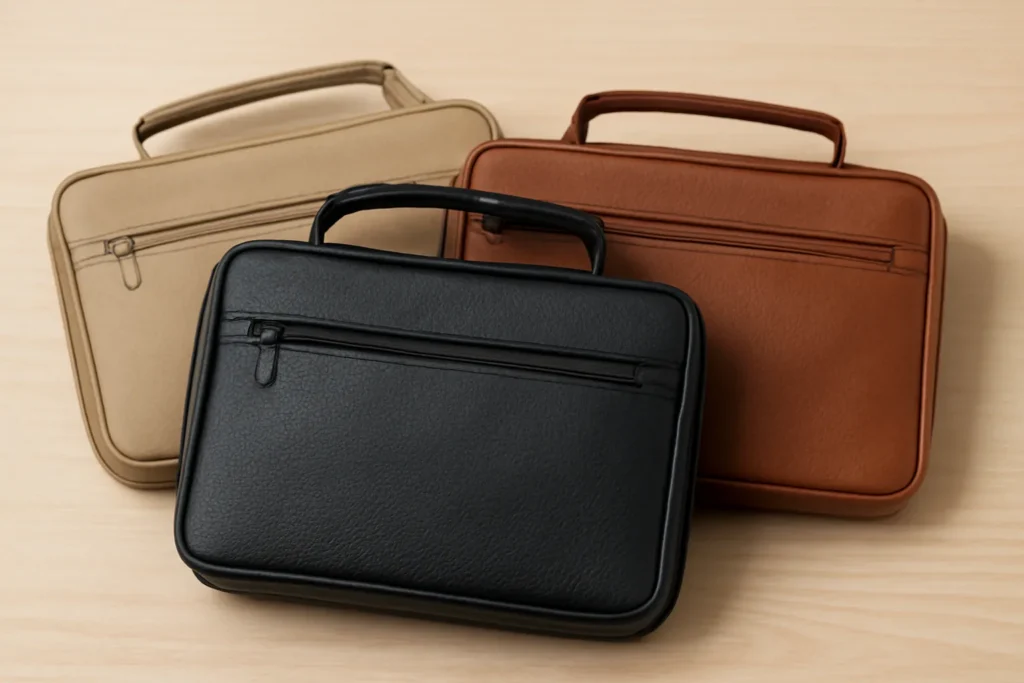
Leather Bible cases are a timeless choice. They offer a touch of elegance, strong exterior protection, and a satisfying tactile feel. Real leather ages gracefully, develops a patina, and can be quite durable when cared for properly. These cases are often preferred by users who value premium craftsmanship and a more formal appearance for church settings or personal libraries.
Pros: excellent durability, classic look, potential for long life with proper conditioning, good resale value.
Cons: higher upfront cost, requires occasional maintenance (conditioning), may be heavier.
Best for: long-term investment pieces, formal or ceremonial contexts, those who want a traditional aesthetic.
Pseudo-Leather and PU Leather Covers
For many readers, PU leather (polyurethane) or other faux leather options provide a close-to-leather feel without the price tag. These synthetic leather covers tend to be more resistant to water and easy to wipe clean, making them a practical choice for daily commutes, classrooms, and travel.
Pros: cost-effective, water-resistant surface, easy maintenance, wide range of colors and textures.
Cons: may wear differently over time, not as “patina-friendly” as real leather, some lower-end variants show stitching wear.
Best for: students, budget-conscious buyers, those who want a lightweight option with a modern look.
Nylon, Canvas, and Cordura Bible Cases
Nylon, canvas, and Cordura cases are known for ruggedness and abrasion resistance. These materials are popular with travelers, hikers, or ministry workers who require a case that can withstand the elements and rough handling.
Pros: light weight, highly durable, often water-resistant or water-repellent, lots of storage pockets.
Cons: can look casual or utilitarian, some finishes may stain easier, less formal appearance than leather.
Best for: outdoor use, daily carry, fieldwork, or people who value functionality and capacity.
Hard-Shell and Semi-Hard Cases
For maximum protection, hard-shell or semi-hard cases provide rigid outer exteriors that shield pages, bindings, and corners from impact. These are ideal for travel in backpacks, suitcases, or busy classrooms where drops may occur.
Pros: superior impact protection, maintains shape, protects against compression and accidental spills.
Cons: heavier, bulkier, can be more expensive, may limit flexibility.
Best for: frequent travel, harsh environments, protecting delicate study Bibles with laminated pages or threads.
Sleeves, Pouches, and 2-in-1 Covers
If you prefer a slimmer profile, sleeves and pouches provide minimal bulk while guarding against dust and scratches. Some designs combine a sleeve with a front pocket or a detachable strap to convert into a compact carry method.
Pros: ultra-portable, discreet, easy to slip into a larger bag or tote, affordable.
Cons: limited protection against heavy impacts, less interior organization, can be tight for very thick study Bibles.
Best for: brief daily carry, minimalism, highly portable setups, quick access to notes or pens.
Key Features to Consider When Choosing a Bible Case
When evaluating cases for study Bibles, certain features consistently affect both usability and longevity. Here is a checklist of what to look for, with notes on practical implications.
A good fit is the first rule of protection. The size and fit of a Bible case determine how securely the book sits, whether there is room for accessories, and how easy it is to remove the Bible without force.
Measure the height, width, and thickness of your study Bible, including any added covers or index tabs.
Check product dimensions and compare with your Bible’s dimensions. If you carry a deep-disk study Bible with a concordance, you may need extra space for that addition.
Consider whether you want a snug fit (more protection but less room for inserts) or a loose fit (easier access, but slightly less protection against movement).
Padding and Interior Lining
Interior padding absorbs shocks from bumps and drops, while a soft lining prevents surface scratches on the Bible’s cover and pages. The padding level and the material of the lining can influence both protection and friction.
Common padding: foam or micro-fiber padding for gentle cushioning.
Soft linings (microfiber, fleece) protect bindings and cover surfaces from scuffs.
Thicker padding is useful for travel or daily commuting; lighter padding can suffice for desk use or church services.
Closures: Zippers, Buckles, Magnetic Closures
The closure method affects security and ease of access. Look for closures that are dependable and do not snag pages or leather edges.
Zippers: nylon or metal zippers with weather-resistant coating tend to last longer in rugged use.
Buckles and Straps: adjustable and secure, though they can add bulk.
Magnetic or Fold-Over Closures: quick access, clean appearance but ensure magnets are strong enough to stay closed in transit.
Organization: Pockets, Slots, and Pen Holders
A practical Bible case often doubles as a portable study kit. Look for features that help you keep study materials organized.
Interior pockets for bookmarks, pens, highlighters, and a small notebook.
Card slots or elastic holders for a phone or small Bible study aids.
Exterior zip pocket for receipts, bus passes, or loose papers.
Carrying Options
How you carry your case matters for comfort and convenience.
Carrying handles for quick pickup and comfortable hand transport.
Removable or adjustable shoulder strap for cross-body convenience during travel.
Backpack or messenger-style straps in larger cases for hands-free carrying.
Materials and Weather Resistance
The material determines weather resistance, weight, and care needs. Each material has its own care requirements and longevity profile.
Leather—classic, durable, ages well; requires conditioning and occasional cleaning.
PU Leather—resists water and stains, easy to wipe clean, budget-friendly.
Nylon/Canvas/Cordura—rugged, often water-repellent, machine washable in some cases, easy to spot clean.
Hard-Shell/Composite—excellent protection against impact, heavier, bulkier.
Maintenance and Longevity
The long-term value of a Bible case is tied to how well you maintain it. Some materials demand more routine care than others.
Leather: clean with a damp cloth, condition with a leather conditioner as needed, avoid direct sunlight for prolonged periods.
PU Leather: wipe with mild soap and water, dry thoroughly, avoid sharp objects that may scratch the surface.
Nylon/Canvas: spot clean with mild detergent; air dry away from heat; check seams periodically for wear.
Hard-Shell: wipe exterior with a damp cloth; ensure latches and zippers stay aligned to prevent sticking.
Size Guides and How to Measure Your Bible
Before purchasing, a precise measurement helps prevent the “too tight” or “too loose” problem. Here is a straightforward guide to determine the correct size for a study Bible cover.
With the Bible closed and laid flat, measure the height from top to bottom, excluding any handles or decorative additions.
Measure the width across the widest point of the cover when closed. If your Bible has a spine, measure across the spine’s width as well.
Measure the thickness, including any extra pages added by a concordance, index, or wide margins. If you expect space for inserts, add a small margin (e.g., 0.5–1 inch) to the thickness.
Decide whether you want a snug fit or a looser fit that allows room for loose notes, bookmarks, or a little padding for extra protection.
Check product specifications for interior dimensions. Some cases list interior height, width, and depth; compare these numbers to your measurements for a precise match.
Best Practices for Protecting Your Bible in a Case
Once you choose the right bible case, use these practical habits to maximize protection and keep your study Bible looking pristine.
Always place the Bible inside the case with the spine aligned to the case’s interior. Avoid forcing a bulky Bible into a too-tight space.
Use interior pockets to store bookmarks, highlighters, and a small notepad to minimize moving parts that could scratch pages.
Keep the case away from direct sunlight for extended periods to prevent fading and material drying out (especially for leather).
Clean spills promptly according to the material’s care instructions. A quick wipe with a damp cloth is often enough for synthetic materials.
Inspect zippers, straps, and seams regularly. Address loose threads or worn edges before they become larger issues.
Travel smarter by distributing weight—avoid overstuffing a backpack with one heavy Bible case, which can cause strain on zippers or handles.
Care Tips by Material: Maximizing Longevity
Different materials require tailored care to preserve their appearance and protective qualities. Here are practical care recommendations for the most common Bible case materials.
Dust regularly with a soft cloth to prevent grit from abrading the surface.
Condition the leather periodically using a product appropriate for the type of leather (neutral or color-matching when possible).
Avoid excess moisture; if the case gets wet, pat dry and allow to air dry away from heat sources.
Guard against mildew by ensuring the interior dries completely after cleaning or exposure to humidity.
PU Leather and Synthetic Leathers
Wipe clean with a damp cloth and mild soap as needed; avoid harsh chemicals that can degrade the surface.
Be mindful of colorfastness—new PU materials may rub color onto light fabrics during first uses.
Store in a cool, dry place to prevent cracking or stiffening over time.
Nylon, Canvas, and Cordura Care
Spot clean stains with a mild detergent and water; rinse thoroughly and air dry.
Check for frayed seams and reinforce or repair as needed to prevent further damage.
For water resistance, reapply a fabric protector appropriate for the specific material after deep cleaning or after heavy use.
Hard-Shell Cleaning and Maintenance
Wipe with a damp microfiber cloth; avoid abrasive cleaners that could scratch the rigid surface.
Inspect latches and hinges for stiffness; lubricate with a minimal amount of silicone lubricant if needed (apply sparingly).
Keep corners free of heavy loads that could crack the exterior or deform the shell.
Common Scenarios: Choosing a Bible Case by Activity
Different routines and environments call for different protection strategies. Here are practical recommendations for various contexts to help you pick the right case variation.
Church Services and Daily Devotions
For routine church services or daily personal study, a compact and easily portable case with a slim silhouette and quick-access features is ideal. Look for a soft-shell design with a dependable zipper or magnetic closure and a small exterior pocket for a quick-glance sermon note or a pen.
Travel and Field Work
When you’re frequently on the move, consider a rugged nylon or Cordura option with interior dividers, water resistance, and reinforced handles. A zipper that glides smoothly and retention features to prevent accidental opening can be essential for flights, buses, or hiking trips.
Academic Study and Intensive Reading
For researchers and faithful students who carry both a study Bible and numerous study aids, a larger capacity case with multiple pockets and a padded strap can distribute weight more evenly. Some designers offer modular configurations so you can add or remove inserts depending on the day’s reading plan.
Conferences, Retreats, and Outreach
In outreach contexts, durability and simplicity matter. A case with a water-resistant exterior and straightforward organization helps you focus on the message rather than logistics. A removable strap can facilitate quick transitions between sessions.
Top Considerations: How to Compare Options
When you start evaluating bible cases, consider these practical comparisons to find a solution that aligns with your budget, habits, and taste.
Price vs. value: More expensive options often offer superior materials, better protection, and longer lifespans. Consider the long-term value if you use the case daily or travel frequently.
Weight and bulk: Heavier cases protect more but may be less comfortable to carry on long walks or in crowded spaces.
Maintenance needs: Leather requires conditioning; synthetic materials generally require minimal care but may need more frequent cleaning if you use highlighters or pens often.
Availability of accessories: Pockets for pens, highlighters, and notepads can be a deciding factor for some users who want a complete study kit in one bag.
Warranty and brand support: A credible warranty can add confidence, especially for expensive or premium leather cases.
Frequently Asked Questions about Bible Cases
Here are some common questions readers have when shopping for protective covers for study Bibles. Answers focus on practical guidance and best practices.
Q: Will a hard-shell case protect a delicate study Bible better than a soft sleeve?
A: In most cases, yes. A hard-shell or semi-hard case provides robust protection against impact and pressure, which is especially valuable during travel or in crowded environments. However, it tends to be heavier and less flexible, which may be a trade-off for some users. For desk-bound study or light daily carry, a padded, soft-shell case can be perfectly adequate and lighter to carry.
Q: How do I know if a case will fit my specific study Bible?
A: Always check the interior dimensions listed by the manufacturer and compare them to your Bible’s measured dimensions. If you’re between sizes, opt for the larger interior space to accommodate inserts, pages, or a larger font edition without forcing the case shut.
A: Leather offers durability, a classic aesthetic, and aging characteristics that many readers value. If you want a long-lasting option and don’t mind occasional maintenance, leather can be a worthwhile investment. If budget or wildlife-friendly maintenance is a concern, PU leather or other synthetic materials provide substantial protection with lower upkeep.
Q: How should I store my Bible case when not in use?
A: Store in a cool, dry place away from direct sunlight. For leather cases, condition periodically to keep the surface supple. For fabric cases, ensure they are completely dry to prevent mildew and odors.
Brand and Product Considerations (Guidance for Buyers)
While specific product names and models can change over time, certain features consistently signal quality across brands. When you read product descriptions or reviews, look for:
Reinforced seams and sturdy hardware (zippers, buckles, and straps) that resist wear.
Comfortable handles and adjustable straps for easy, hands-free transport.
Interior organization options like pen slots, small pockets, and a secure bookmark loop.
Weather resistance or water-repellent finishes for field use or travel in variable climates.
Warranty or guarantee that provides reassurance about durability.
Careful Purchasing: Practical Steps to Make the Right Choice
To ensure you select a case that best meets your needs, follow these practical steps:
Clarify your primary use case: daily study, travel, church, or fieldwork.
Measure your study Bible including any supplementary materials you typically carry (notecards, bookmarks, etc.).
Decide on a preferred material based on climate, maintenance routine, and aesthetic preference.
List must-have features (e.g., pockets, strap comfort, waterproofing) and nice-to-haves (e.g., decorative stitching, color variants).
Read customer reviews focusing on real-world durability and how the case fares after months or years of use.
Consider the total cost of ownership, including maintenance and potential replacements in the long term.
Practical Scenarios: Designing a Bible Case Arsenal for Different Lifestyles
Some readers prefer to have a small, daily carry case, while others maintain a dedicated travel set and an office case. Here are example configurations that balance function, protection, and ease of use.
Daily commuter kit: a compact PU leather or nylon case with a soft interior, one accessory pocket, and a detachable strap for quick grab-and-go. Ideal for church or campus use.
Travel-ready bundle: a rugged Cordura or hard-shell case with interior dividers, a front organizer pocket, and a padded shoulder strap. Useful for international trips and conferences.
Office study pack: a larger, multi-pocket case with space for a study Bible plus highlighters, tabs, and a slim notebook. Great for researchers and ministry staff.
Minimalist sleeve: a slim sleeve or pouch that adds protection without significant bulk, perfect for slipping into a tote or briefcase.
Conclusion: Choosing the Best Bible Case for Your Study Bible
The best Bible case for you is the one that harmonizes protection, convenience, and personal style with your daily routine. By considering material choices, fit and size, padding, and organization, you can select a case that keeps your study Bible in pristine condition while supporting your habit of daily study and spiritual growth. Whether you prefer the classic appeal of leather, the practical resilience of nylon or Cordura, or the clean simplicity of a sleeve, there is a durable protective cover designed to guard your most cherished investment—your Bible.
In the end, a well-chosen Bible case is more than a container; it is a companion for your study, a safeguard for your pages, and a practical tool that helps you carry the Word with confidence wherever your journey takes you.







Leave a Reply