Bible with Bible Cover: How to Choose the Perfect Cover for Your Bible
Bible with Bible Cover: How to Choose the Perfect Cover for Your Bible
Choosing the right bible cover can transform how you interact with the sacred text every day. A well-made cover protects the Bible from wear and tear, keeps pages intact, and even reflects your personal journey with Scripture. Whether you call it a bible case, a Holy Bible cover, a scripture sleeve, or simply a bible cover, the goal is the same: to safeguard the sacred book while enhancing readability, transport, and reverence. In this comprehensive guide, we explore how to select the perfect cover for your bible or Bible edition, with attention to size, material, features, maintenance, and personal style. We will use a broad vocabulary—bible, Bible, Holy Bible, Scripture, and related terms—to ensure a rich semantic spectrum that matches how people talk about this essential accessory.
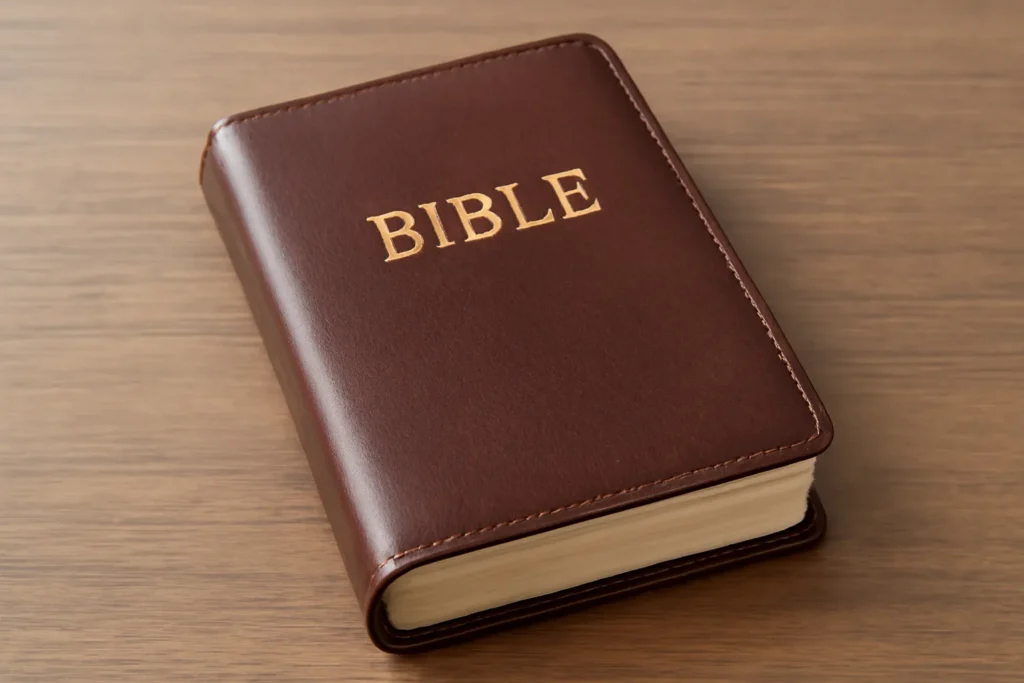
Figure: A sturdy bible cover protects the Holy Bible while keeping it accessible for daily reading.
A bible cover serves more than a decorative purpose. It establishes a protective cocoon around the physical book and influences how you carry and access the scriptures. Consider these core functions:
Protection from spills, dust, moisture, and accidental tugs that can damage pages and binding.
Durability over years of daily use, travel, and church services.
Portability by providing handles, straps, or compact profiles that fit backpacks or purses.
Organization through pockets for bookmarks, pens, notes, or a ribbon marker integrated into the cover.
Personal expression—the design, color, and texture can reflect your faith journey and aesthetic preferences.
Ease of reading with features like a soft inner lining, a lay-flat design, and page protection that minimizes glare and damage.
Key Factors to Consider When Choosing a Bible Cover
Size and Fit
First and most importantly, the size and fit of the cover must match your bible edition. Bibles vary widely in thickness, a feature often described as the book’s spine height and page count. A cover that is too snug can crack bindings; one that is too loose may flop open or fail to provide adequate protection. When evaluating fit, consider:
Measure the height (top to bottom of the pages), width (spine to edge), and thickness (how many inches or millimeters the book adds when closed).
Know your edition’s dimensions, including any thumb indexing, margin notes, or large print formatting that increases width.
Choose a cover designed specifically for standard Bibles, study Bibles, or large-print Bibles, or select a universal size with a stretchy or adjustable interior.
Material and Durability
The material behind the cover determines longevity, maintenance, and tactile experience. Common materials include leather, faux leather (referred to as synthetic or PU leather), canvas, nylon, and heavy-duty vinyl. Each has advantages and drawbacks:
Real leather offers classic beauty, suppleness, and aging gracefully, but requires conditioning and care to prevent drying out or cracking.
Faux leather provides a similar look at a lower cost and with easier maintenance, though it may show wear differently and can delaminate over time if heavily stressed.
Canvas and cotton blends are lightweight, often washable, and great for casual use or travel, but may wear quickly with heavy use.
Nylon or Cordura offers rugged water resistance and easy-clean properties, ideal for outdoor or youth ministry settings.
Vinyl can be inexpensive and water-resistant, though some may find the texture less premium than leather or canvas.
When choosing material, weigh factors like climate, maintenance routine, and how frequently you carry the Bible. If your daily habit includes rain, hiking, or daycare environments, a water-resistant option with sealed seams may be worth the extra investment.
Closure Systems
How a cover closes affects protection, accessibility, and noise level. Options include:
Zippers—secure and durable, but can snag pages if misaligned; good for travel.
Snaps or button closures—simple and quiet, often used on leather or PU covers.
Magnetic clasps—smooth opening and closing, though magnets must be positioned to avoid interfering with electronics in rare cases.
Elastic bands—minimal intrusion, usually found on minimalist sleeves or open-ended designs.
Pockets, Pen Loops, and Organization
Many believers use their bible cover as a small personal study toolkit. Look for features that support daily devotion, group study, or sermon planning:
Interior pockets for notes, a reading plan, or a small prayer journal.
Pen loops or a small notebook holder that keep writing tools handy during worship or study.
Dedicated bookmark ribbons or a vinyl sleeve for an index card with key verses.
Exterior ID windows or name tags for Sunday school or youth group contexts.
Design, Color, and Personal Expression
Beyond protection, a Bible cover communicates identity and devotion. Choose a design that resonates with your spiritual temperament or the setting where you’ll use it most:
Classic and understated for formal settings like church or study groups.
Vibrant colors and patterns for youth ministry or personal journaling.
Monogramming or customization to mark ownership or create a family heirloom.
Theological motifs such as crosses, icons, or scriptural typography that inspire daily reflection.
Maintenance and Care
How you maintain a Bible cover affects its lifespan. Some materials require routine conditioning, others benefit from gentle cleaning. Consider these care considerations:
Leather covers may need conditioner or leather balm to prevent drying and cracking.
Faux leather can be wiped clean with a damp cloth, but avoid harsh chemicals that may break down the surface coating.
Canvas or fabric covers can often be spot-cleaned or machine-washed in cold water with gentle detergent, followed by air-drying.
Inspect seams for wear and tear; reinforce stitching or seek professional repair for long-term use.
Budget, Value, and Longevity
Investing in a Bible cover is about balancing initial cost with long-term value. Consider these questions:
How long do you expect to use the cover? A durable leather or high-quality canvas may outlast cheaper synthetic options.
Do you need extra features (pockets, pen loops) that justify a higher price?
Will you gift the cover or keep it for personal use across multiple Bible editions?
Is warranty or manufacturer support included for repairs or replacements?
Materials in Depth
To help you compare options, here is a practical overview of common materials and what they offer you in a bible cover or Scripture sleeve:
Leather and Faux Leather
Leather—timeless, durable, patina develops with use, often with visible natural grain.
Faux leather—more affordable, less maintenance, resistant to minor staining, but may show wear differently over time.
Cover with extra padding to cushion the book’s spine during transport.
Exterior pockets for note cards and a pocket for a pen or marker collection.
Cover material that resists creasing and can handle frequent opening and closing.
Large-Print and Reference Bibles
The larger format increases the need for a cover that can accommodate extra thickness. Look for:
An interior with adjustable flaps to accommodate thickness without adding bulk.
Sturdier hardware and reinforced seams to handle additional weight.
Travel Bibles
When you travel, you want weather-resistant protection and compact design:
Water-resistant exterior or a protective rain flap.
Lightweight construction with reliable closure to keep the book secure in a carry-on or backpack.
Care and Maintenance
Keeping your bible cover in good condition prolongs its life and preserves the comfort of handling the bible itself. Use these care guidelines tailored to common materials:
Leather Covers
Clean with a soft, dry cloth; avoid excess moisture.
Condition periodically with a product designed for vegetable-tanned leather or the specific leather type of your cover.
Avoid direct sunlight for extended periods to prevent fading and drying.
To get the best value, consider a few practical budgeting strategies that respect both your finances and spiritual practice:
Set a realistic budget based on how often you will use the cover and under what conditions (home, church, travel).
Balance price with features that truly matter to you—durability, size compatibility, organization options, and maintenance needs.
Look for warranties, especially for leather and high-end synthetic covers, to protect against manufacturer defects.
Consider buying during sales or bundled with a matching bookmark or journal for a cohesive kit.
Common Mistakes to Avoid
Avoid these frequent missteps that can lead to disappointment:
Buying a cover that is too small or too tight for the intended bible edition.
Overlooking comfort features such as grip texture or interior padding that affect daily use.
Choosing a style that clashes with your reading environment (e.g., overly flashy designs in formal settings).
Assuming all cleaning methods are safe for every material; always follow the care instructions specific to your cover.
How a Bible Cover Shapes Your Spiritual Practice
A well-chosen bible cover is more than a protective layer; it is part of your spiritual rhythm. It can:
Encourage consistent devotional time by reducing friction in the daily routine—grab-and-go accessibility matters.
Help you treat the Word of God with reverence through tactile interaction and mindful handling.
Serve as a tangible reminder of the journey you share with the Scripture, whether you carry it to church, to a cafe for study, or on a long trip.
Choosing the Right Cover for Your Context
Your context—church, classroom, travel, or home study—should guide the decision. Here are scenario-based recommendations:
Pastoral and Church Settings
Prefer professional-grade leather or durable PU leather with a discreet finish.
Look for minimalistic aesthetics with secure closures that won’t rattle during sermons or group discussions.
Feature-rich options like interior pockets for sermon notes can be beneficial.
Student or Youth Group
Bold colors, patterns, and lightweight materials can boost engagement.
Consider covers with high-contrast stitching or patterns for easy identification in shared environments.
Ensure easy cleaning and resistance to everyday wear and tear.
Travelers and Adventurers
Wind/ rain resistance and robust hardware are priorities.
Compact design with exterior compartments for travel documents or small notebooks is helpful.
Conclusion: Choosing the Right Cover Supports Your Spiritual Practice
In the end, the best bible cover for you is one that aligns with how you handle the sacred text in daily life. It guards your Bible from the rigors of travel, study, and worship while allowing you to express your love for the Word of God through its texture, color, and design. Remember to consider size and fit first, then weigh material, closure, and organizational features. Think about how the cover will be used—at home, in church, on the road, or in a classroom—and pick a design that suits that routine. A thoughtful choice can enhance reading comfort, preserve the integrity of pages, and remind you to approach the Scriptures with reverence each time you open the Holy Bible.
Whether you refer to it as a bible case, a scripture sleeve, or simply a bible cover, this accessory is more than a protective accessory; it is a companion to your journey with the Scripture. By focusing on size, material, features, care, and personal meaning, you can select a cover that not only protects your Holy Bible but also enriches your engagement with God’s Word every day.










Leave a Reply