Bible Bag: Durable, Stylish Bible Bags for Everyday Carry
Bible Bag: Durable, Stylish Bible Bags for Everyday Carry
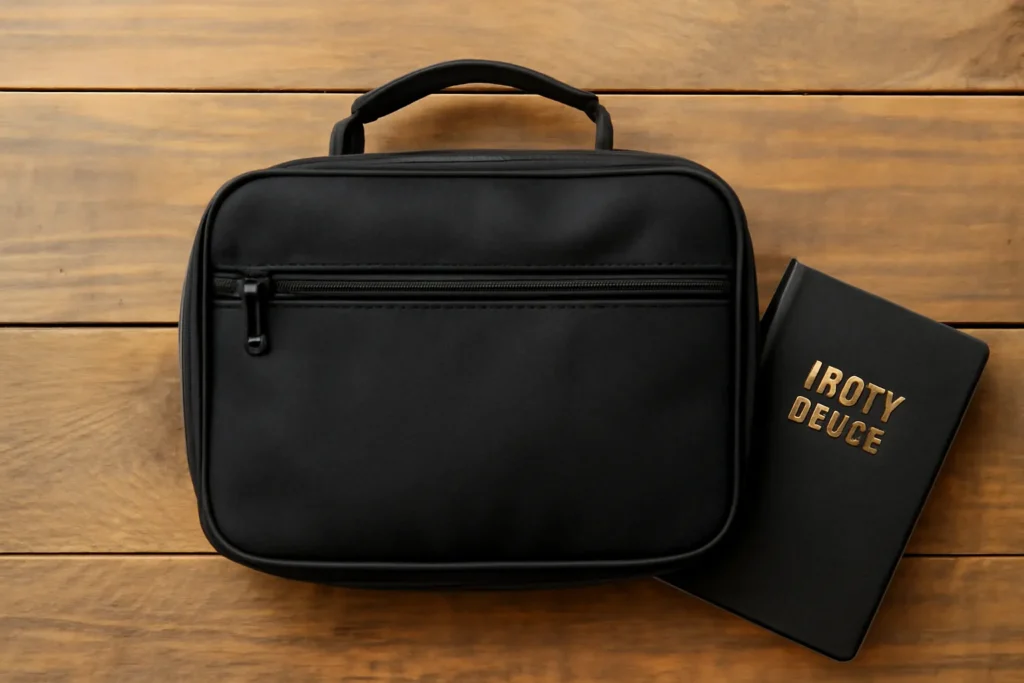
A well-made Bible bag is more than a simple container; it is a thoughtful companion for daily devotion, study, and reflection. Whether you call it a scripture bag, a holy book carrier, a Bible satchel, or a Bible tote, the right model invites organization, protects precious text, and complements your personal style. In this guide, we explore the key features, materials, and design choices that distinguish durable and stylish options from basic carry-ons. From urban commutes to quiet moments in a pew, the best Bible bag supports your routine with reliability and grace.
What makes a Bible bag essential for everyday life
The best Bible bags are more than fashion items; they are practical tools that support learning, worship, and spiritual practice. A well-considered bag helps you:
Protect your scriptures from wear, moisture, and accidental damage.
Organize a small library of study materials, including notebooks, pens, markers, and cross-references.
Transport your favorite study aids with ease—without sacrificing comfort.
Express personal beliefs and style through thoughtful design choices.
Core qualities: durability, protection, and usability
A reliable Bible bag should combine durability, protection, and usability. Here are the core attributes to look for:
Material strength: Heavy-duty canvas, full-grain leather, waxed canvas, or high-denier nylon offer different balances of weight and longevity.
Seam construction: Reinforced stitching at stress points, double-stitched seams, and bar-tack reinforcements extend life even with daily use.
Moisture resistance: Water-resistant finishes, wax coatings, or sealed linings protect pages and binding from rain or accidental spills.
Padding and protection: Padded compartments or sleeves cushion a Bible, tablet, or study notes from impact during transit.
Security: Zippers with sturdy sliders, durable hardware, and optional internal pockets reduce loss and theft risk.
Styles and materials: choosing the right look for your life
Bible bags come in a spectrum of styles and materials. Each choice has advantages depending on your daily environments—church services, classrooms, travel, or hiking and outdoor study. Below are common categories with their standout features.
Leather Bible bags
Leather options, including genuine leather and high-quality full-grain leather, offer classic aesthetics and excellent longevity. They age gracefully, develop a patina, and often feel more refined with use. Leather bags tend to be more resistant to wear when treated, and they can be made with reinforced leather panels for added durability. Keep in mind that leather requires regular care—conditioning to prevent drying and cracking, and protection from prolonged moisture exposure.
Cotton canvas and waxed canvas bags emphasize a casual, rugged look while delivering solid durability. Waxed canvas provides inherent water resistance, and the material often tolerates rough handling in daily life. These bags are typically lighter than full-grain leather options, making them a practical choice for students and travelers who carry a lot of routine gear.
Nylon and synthetic fabrics
For a lightweight, highly practical solution, look at high-denier nylon or other synthetic fabrics. These bags usually offer strong water resistance, easy cleanup, and robust zippers. They are ideal for commuters, cyclists, and anyone who wants minimal maintenance with maximum practicality.
Hybrid and vegan materials
If you prefer a look that balances style with animal-friendly ethics, consider vegan leather or hybrid fabrics. Modern vegan leathers mimic the feel of genuine leather without using animal skins, while still delivering durable builds and attractive finishes.
Size, capacity, and layout: designing for daily use
The right size for a Bible bag depends on how much you carry beyond the scriptures themselves. You want enough room for study aids without becoming overburdened. Here are guidelines to consider:
Compact models (roughly 4–6 liters) work well for one Bible, a notebook, and a few writing instruments.
Mid-sized bags (6–12 liters) accommodate two Bibles, a tablet or e-reader, a study notebook, a pen pouch, and personal items.
Large packs (12+ liters) are suitable for those who need to carry multiple reference books, teaching materials, or extended devotional kits.
Inside the bag, consider a layout that protects the most important items while making everyday tasks quick and intuitive. Common elements include:
Padded Bible sleeve to guard against bumps.
Dedicated tablet or e-reader pocket with soft lining.
Document sleeves for loose papers, sermon notes, or handouts.
Oranization panels with elastic pen slots and card slots.
Water bottle pocket to support long study sessions outdoors.
Comfort, ergonomics, and daily practicality
A Bible bag that prioritizes comfort makes everyday carry more enjoyable and sustainable. Consider the following ergonomic features:
Shoulder strap design: Wide, adjustable straps with padding reduce shoulder strain during extended wear.
Back panel: A breathable or padded back panel improves airflow and reduces heat buildup.
Weight distribution: Well-placed grab handles and evenly balanced compartments prevent tipping and awkward angles when you move through crowds or stairs.
Accessibility: Zippered main compartments that open wide facilitate quick access to a Bible or notes without rummaging.
Carrying styles and gender-neutral design
Modern Bible bags aim for versatility. A unisex silhouette that suits a wide range of wardrobes makes it easier to use in diverse settings. If you want something that feels distinctly feminine or masculine, you can balance style cues like hardware finishes, color palettes, and stitching details while keeping the core function intact.
Protection and durability in daily practice
A durable Bible bag protects precious sacred texts from common hazards. Consider these protective measures:
Padding around the Bible spine and corners to cushion impacts from bags, desks, or floor drops.
Water resistance or sealed linings to prevent moisture damage from rain, spills, or damp storage spaces.
Corner guards or reinforced edges in leather or waxed canvas models help resist abrasion from daily wear.
Secure closures such as strong zippers or magnetic clasps to minimize accidental openings.
How to care for your Bible bag: care guides for different materials
Proper maintenance extends the life of your Bible bag and keeps it looking well-kept. Care guides vary by material:
Leather Bible satchel care
For leather carriers, routine conditioning is essential. Use a product designed for genuine leather, apply sparingly, and wipe clean. Avoid direct sunlight and excessive moisture. If water exposure occurs, blot gently and allow the surface to dry naturally. Over time, leather develops a patina that many find desirable, but ongoing conditioning helps preserve suppleness and color.
Canvas and waxed canvas care
For canvas models, brushing away dirt and occasional spot cleaning with a mild soap solution is typical. Waxed canvas benefits from a light reapplication of wax to maintain water repellency. Let the wax dry thoroughly before use. Store in a cool, dry place to prevent mold or mildew in humid environments.
Nylon and other synthetics are usually the easiest to care for. A damp cloth with a mild soap solution often suffices for surface cleaning. Ensure zippers and hardware are wiped dry to prevent rusting or corrosion. If the lining becomes stained or odor-prone, consider a gentle fabric cleaner appropriate for the material.
Budget, value, and long-term considerations
When evaluating a Bible bag, price often correlates with durability, materials, and craftsmanship. Here are practical budgeting tips:
Invest in quality if you carry your Bible, study notes, and device daily; the long-term value often outweighs initial cost.
Consider warranty or repair options offered by brands—especially for leather and waxed canvas bags.
Balance style with function to ensure the bag remains usable for years, rather than becoming a seasonal accessory.
Specialized variants: options for different audiences
People use these bags in various contexts, so there are specialized variants to consider. Here are some commonly requested configurations:
Student editions with extra pockets for notebooks, highlighters, and a tablet or small laptop.
Church attendants with quick-access top flaps for hymnals and order of service scrolls.
Travel-friendly versions designed to slip into overhead compartments or carry-on luggage with TSA-friendly compartments.
Kids and youth models sized for small Bibles and school supplies, built with extra durability and simple closures.
Comparing common bag shapes: tote, satchel, and compact crossbody
The geometry of a Bible bag influences how it sits on your body and how items are accessed. Here are some popular shapes and their trade-offs:
Tote style: Open-top or magnetic-fastened openings with roomy interiors. Excellent for quick access but may lack security.
Satchel style: Structured with a top flap and sturdy hardware. Balanced weight distribution and a formal-to-casual vibe.
Crossbody or sling bags: Great for mobility and security; distribute weight evenly across the torso and are easy to reach for a Bible during travel or study.
Where to buy: finding reputable brands and ethical production
When shopping for a Bible bag, source from brands that value durability, honest warranty terms, and transparent materials. Consider the following approaches:
Established outdoor or religious goods brands often offer reliable builds and longer product ecosystems.
Local artisans create unique, handcrafted pockets and sleeves, allowing customization and personal touch.
Ethical and sustainable makers prioritize responsible sourcing and durable construction, which aligns with long-term use.
Careful buying checklist: how to choose a Bible bag that lasts
Before making a purchase, run through this practical checklist to ensure the model you pick will serve for years to come:
Material quality: Inspect seams, zippers, hardware, and the density of the fabric.
Protective features: Check padding, Bible sleeve fit, and moisture barriers.
Weight: Weigh the bag when empty to gauge how heavy it will be with items inside.
Return policy and warranty terms for peace of mind.
Color and finish: Select finishes that won’t show wear immediately if you’re using the bag daily.
Consider how your Bible bag will participate in your daily life. Here are a few common scenarios and how the right features save time and effort.
Daily commute: A compact Bible bag with a water bottle pocket, a front organizer panel, and a padded Bible sleeve keeps essentials within easy reach during travel.
Study groups: An extra notebook pocket and a dedicated pen slot support quick note-taking and sharing.
Church services: A low-profile crossbody or satchel can slip under a pew or sit beside you discreetly during sermons.
Library and classroom: Large pockets for reference materials, indices, and a tablet make sessions productive without rummaging.
Styling tips: pairing your Bible carrier with your wardrobe
Your Bible bag can be a subtle or striking element of your personal style. Consider these tips:
Match hardware finishes (brass, brushed nickel, matte black) with other accessories like watches or belts.
Choose colors that complement your typical outfits—neutral tones for formal settings and richer tones for casual wear.
Opt for timeless silhouettes if you prefer a bag that remains in fashion across seasons.
Storage and organization strategies for maximum efficiency
Organization is the secret weapon of an effective Bible bag. A thoughtful layout saves minutes every day and reduces clutter. Consider the following strategies:
Dedicated Bible sleeve with a snug fit to prevent shifting.
Small zippered pouches for loose items like keys, coins, or tiny bookmarks.
Water bottle pocket placed toward the exterior to maintain balance when the bag is full.
Elastic organizers for pens, markers, and highlighters to prevent rolling detritus.
Ethical considerations: sustainability and mindful purchasing
The modern consumer often seeks products that align with personal ethics. When evaluating a bible bag, you may consider sustainability in several ways:
Material sourcing: Look for brands that disclose where leather, canvas, or synthetics come from and whether they avoid harsh chemicals.
Durability promises: A longer lifespan reduces waste and replacement frequency, which is beneficial for the environment.
Repair options: Availability of repairs or parts extends the bag’s life beyond the initial warranty period.
Here is a quick FAQ to help you navigate common concerns when choosing a bag for scripture storage and daily carry.
Can I fit two Bibles in one bag? Yes, many medium to large Bible bags feature double Bible sleeves or a wide main compartment that accommodates a larger Bible alongside notes.
Is a dedicated Bible case better than a general bag? A dedicated Bible case protects the text more directly but may sacrifice some flexibility for other study materials.
How important is weather resistance? If you travel in varied climates or exposure to rain is common, water resistance is a practical necessity rather than a luxury.
Should I choose a bag with a shoulder strap or a handle? A flexible combination offers convenience for different contexts—hands-free carry when active, and quick pickup when you’re stationary.
Incorporating a Bible bag into your spiritual routine
The right bag can encourage consistent study and reflection by reducing friction between intention and action. A sturdy, reliable carrier invites you to bring your Bible, notes, and devotional materials to every meaningful moment. It can be a tangible reminder to prepare for daily or weekly study sessions, to carry sermon notes to church, or to keep your study materials organized before a class begins. In this sense, a well-chosen Bible bag supports not just physical transport but also spiritual discipline.
Conclusion: embracing durability, style, and practicality
Whether you call it a Bible bag, a scripture bag, or a Bible tote, the right choice should harmonize durability, protection, and usability with your personal style. By considering material quality, capacity, protective features, comfort, and maintenance, you can invest in a bag that carries your sacred texts with care for many years. The everyday carry of a well-made Bible bag becomes more than a habit—it becomes a reliable partner in your spiritual journey, a practical tool for study, and a subtle expression of thoughtful living. As you browse options, keep in mind that the best product for you is the one that fits your routine, respects your values, and respects the books you hold sacred.









Leave a Reply