Anointing in the Bible: Meaning, Examples, and Biblical Significance
What does “anointing” mean in biblical language?
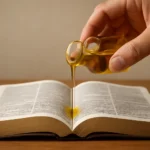
The term anointing in biblical contexts can refer to several related ideas that share a common theme: God’s set-apart blessing on a person, object, or purpose. In the Hebrew Bible, the verb mashach means to smear with oil as a sign of consecration or commissioning. In the New Testament, the Greek verb aleipho carries a similar sense of smearing or anointing with oil as a symbol of blessing, empowerment, and healing. Across both testaments, the act of anointing is not mere cosmetic oil; it is a ritual language that communicates something deeper: belonging to God, being authorized for service, and receiving a divine enablement for a particular task.
In broad terms we can distinguish several overlapping meanings:
Consecration or dedication—making someone or something specially reserved for God’s purposes.
Empowerment for ministry—the impartation of the Spirit’s gifts or strength for entrusted work.
Recognition and installation—publicly identifying a chosen king, priest, or prophet.
Symbol of healing or blessing—oil used in prayer for restoration or blessing of a person’s life.
Messianic expectation—the idea that the Messiah is eternally anointed by God for salvation and leadership.
The Bible frequently connects anointing with the Spirit of God. While not every instance of anointing is described as the Spirit’s work, the imagery remains closely linked to divine presence, approval, and mission. The same root idea—God’s choosing and equipping—runs through both the Old and New Testaments, even as the cultural practices surrounding oil differ in detail.
Old Testament roots: consecration, royalty, priesthood, and prophetic commissioning
The holy oil: a designated substance for consecration
In Exodus, God gives Moses a precise recipe for holy anointing oil and commands the ritual use of that oil in consecrating the Tabernacle, its furnishings, and the priestly line. The ritual significance is not merely ceremonial; it marks the objects and persons as set apart for divine service.
The oil is described as a unique blend that must not be used for secular purposes.
Consecration with this oil signals that the priesthood and the sanctuary belong to the Lord, distinct from everyday life.
Using the same oil on anything not set apart would compromise its sacred status, underscoring the seriousness of consecration.
Kings and prophets: the ritual of installation
In the historical books, to anoint a king is to appoint him by divine favor and to acknowledge God as the ultimate source of authority. The Spirit’s empowerment often accompanies this public act, reinforcing the idea that leadership is a divine vocation rather than a purely political role.
Saul was anointed by the prophet Samuel to indicate his appointment as king over Israel (1 Samuel 10). The event included signs that confirmed God’s presence with him for leadership.
David was anointed by Samuel in Bethlehem after Saul’s rejection, signaling God’s ongoing plan to establish a king who would rule under God’s sovereignty (1 Samuel 16). This moment became a defining image of how God selects and empowers a ruler for service.
Priests, including Aaron and his sons, were anointed to serve in the Tabernacle (Exodus 28–29; Leviticus 8). The ceremony included prayer, sacrifices, and the laying on of hands as a public grant of divine authority and access to God’s service.
Prophetic commissioning and symbol
In addition to kings and priests, prophets were sometimes anointed to symbolize their role as voice-changers for Israel. The act of anointing underscored that the prophet’s message came with the authority and presence of the Lord. The oil thus stands as a visible reminder that the prophetic vocation is not merely a human function but a divine commission.
New Testament developments: Christ, church, and healing in the early community
Jesus as the Anointed One
The title Christ or Messiah itself carries the sense of anointed one. Jesus is identified as the anointed king and savior who fulfills the expectations of Israel’s prophets. In this sense, the New Testament presents Jesus as the ultimate fulfillment of Old Testament anointing—God’s chosen instrument to bring salvation, reconcile humanity, and inaugurate the kingdom.
The gospel narratives also place Jesus’ life and ministry within the Spirit’s empowering presence. While not every event uses the physical act of oil, the language of anointing remains a powerful metaphor for divine empowerment and mission. For instance, in Luke 4:18, Jesus proclaims that the Spirit is upon him to preach the good news to the poor and to heal, a commissioning that echoes the older rite in spirit if not in form.
Mary’s anointing of Jesus and its significance
In the gospel accounts, a woman anoints Jesus with precious oil or perfume, most famously at Bethany. This act is rich with meaning:
It recognizes Jesus as special and worthy of honor beyond ordinary use.
It foreshadows Jesus’ burial, signaling a prophetic discernment of his death and purpose.
It stirs questions about value, sacrifice, and devotion in observant communities.
The gesture is debated in various traditions, but its symbolic force remains clear: anointing Jesus publicly marks him as the promised one whose life will bear divine significance for history and for the faith community.
Oil, prayer, and healing in the early church
The writings in the epistles illustrate a continuing thread: the association of oil with blessing and healing, and the idea that Christian community life involves a communal practice of prayer and blessing. The teaching in James 5:14–15 invites believers to anoint with oil in the name of the Lord when someone is sick, with the expectation that prayer offered in faith will bring restoration. This is not magical formula; it is a relational act that places trust in God’s mercy.
The New Testament also speaks of the anointing by the Holy Spirit as a permanent mark given to believers. The tone shifts from oil as a physical symbol to the Spirit as the inward guarantee of God’s presence and favor. Passages such as 2 Corinthians 1:21–22 and 1 John 2:20 describe believers as equipped and sealed by the Spirit, an inner anointing that confirms identity and vocation in Christ.
Chrism, sacraments, and broad Christian practice
In later Christian tradition, particularly in Catholic, Orthodox, and some Anglican contexts, the word chrism (Greek chrisma) designates a consecrating oil used in sacraments such as baptism, confirmation, ordination, and the consecration of altars and churches. This expands the biblical pattern into a structured liturgical practice where oil remains a tangible sign of divine action—yet now embedded in a sacramental theology that sees rituals as channels of grace.
Key themes and theological significance across the biblical narrative
Conceiving of anointing as a sign of belonging
Across both testaments, anointing marks belonging to God. When a person is anointed, they are identified as God’s own chosen vessel for a particular vocation in the unfolding story of salvation. This sense of belonging is inseparable from responsibility—anointing is a commission, not a decoration.
The tension between power and fidelity
The political and institutional use of anointing in Scripture frequently intersects with human frailty and political dynamics. For example, the anointing of a king carries with it expectations of justice, mercy, and obedience to God. The biblical writers do not hide the fact that even anointed leaders can falter; the ongoing narrative wrestles with how divine empowerment interacts with human weakness. This creates a robust moral framework for readers: true power is exercised under God’s authority and for the good of the people.
Healing, blessing, and the prayerful life of the church
The ritual of anointing with oil in James 5 peers into a broader reality: the church’s life is marked by prayer, intercession, and care for those who suffer. Oil serves as a visible reminder that God cares about physical and spiritual healing alike. While the practice is not universally mandated in every Protestant tradition, the underlying principle remains strong: the community bears one another’s burdens and seeks God’s healing power through prayer and faith.
Variations of anointing across traditions and contemporary practice
In Judaism and the Hebrew Bible
Anointing is primarily a ritual of consecration and installation for priests, kings, and ritual objects. Oil is a symbol of sanctification, and the oil’s fragrance and purity become a sign of God’s presence with the people. The preservation of holy recipes and practices also reflects the way communities protect what is sacred and set apart for worship.
In Christianity: diversity of practice
Within Christian history, the practice of anointing has taken various forms:
Anointing for ordination of pastors, bishops, and church leaders in many traditions.
Anointing for healing with oil in prayerful settings, especially in charismatic and Pentecostal circles, as well as in Catholic and Orthodox rites.
Oil as sacramental mystery in chrismation and other rites that symbolize God’s grace pouring into the lives of believers.
Personal devotion and devotionals where individuals may anoint themselves or their loved ones in times of discernment, repentance, or spiritual seeking.
Practical implications: how anointing shapes interpretation and practice
Understanding authority and vocation
When the Bible describes anointing for leadership, it invites readers to regard authority as a vocation that carries spiritual responsibility. Leaders are not just political figures; they are entrusted with God’s mission. This helps readers reflect on current discussions about governance, accountability, and service in any community or church.
The healing dimension of anointing, especially in James, is less about magical results and more about a posture of communal care. It emphasizes that the church’s life involves prayerful intercession, solidarity with the afflicted, and trust in God’s mercy, while recognizing medicine and care as legitimate means of healing that may work in tandem with prayer.
Symbolic language that unites Scripture
The imagery of oil connects the old and new covenants. The oil of consecration witnesses to a continuity of God’s plan: a people called and empowered for service, now reimagined in the Christ event and the Spirit-filled church. The continuity helps readers see that the biblical message is coherent across centuries and cultures.
“Anointing oil” as described in Exodus 30:22–33 and its uses for consecration.
“The Lord has anointed you” as a refrain around selected leaders (e.g., 1 Samuel 10; 1 Samuel 16).
“You have an anointing from the Holy One” (1 John 2:20) and “the anointing abides in you” (1 John 2:27), highlighting the inner life of the Spirit in believers.
James 5:14–15 on calling the elders to anoint the sick with oil in the name of the Lord.
Messianic expectation—the title Christ meaning “anointed one,” pointing to Jesus as God’s chosen agent for salvation.
Conclusion (informal): what we learn from biblical anointing today
While the rituals surrounding oil and the language of anointing are rooted in ancient customs, the underlying ideas remain poignant for readers today: God’s choosing and equipping a person for a mission, the call to a life consecrated to sacred purposes, and the assurance that divine presence accompanies service and healing. The biblical concept of anointing thus offers a framework for understanding leadership, worship, healing, and spiritual identity within a community of faith.









Leave a Reply