Pocket Bible: The Ultimate Guide to Portable Scripture for On-The-Go Readers
Pocket Bible: The Ultimate Guide to Portable Scripture for On-The-Go Readers
In a world where life moves quickly and moments of quiet reflection can be scarce, a pocket Bible emerges as a practical companion for spiritual discipline. These compact editions bring the timeless message of Scripture into everyday life, fitting comfortably into pockets, purses, or glove compartments. Whether you call it a pocket-sized Bible, a portable Bible, or a mini Bible, the core idea remains the same: make sacred text readily accessible without sacrificing readability or durability. This guide offers an in-depth look at the many faces of the pocket Bible, from physical and digital formats to choosing the right edition for travel, study, devotion, or outreach.
A pocket Bible is any edition of Scripture designed for convenient handling and transport. The defining characteristics are compact dimensions, a lightweight build, and thoughtful considerations for readability and durability. The goal is not merely to shrink a Bible, but to preserve the experience of engaging with God's Word in the flow of daily life. For some readers, a pocket bible is a daily carry text that can accompany a commute, a workout, a coffee break, or a family outing. For others, it is a travel companion that keeps Scripture within reach when away from home. For students, travelers, caregivers, and professionals, the pocket edition turns Scripture into a practical resource rather than a bulky burden.
Across different communities and denominations, the pocket Bible serves similar purposes: easy access, quiet reflection, and in-the-moment study. The format has evolved to meet diverse needs—some people prioritize a large-print option in a small body, while others seek a study edition with margins and cross-references. What unites all of these variations is the promise of a faithful, portable, trustworthy text that respects both the sanctity of the scriptures and the realities of modern life.
Types of Pocket Bibles: Physical, Digital, and Hybrid
The pocket Bible landscape is diverse. Here are the main categories you’re likely to encounter, each with its own strengths and ideal use cases.
Physical Pocket Bibles
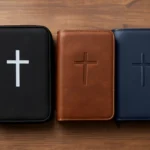
Leather or faux leather bindings for durability and a classic look
Compact dimensions (often around 4–6 inches tall, 3–4 inches wide)
Thin, lightweight pages with varying paper quality
Designs that emphasize readability and lay-flat binding to simplify reading in small spaces
Selections include single-column and dual-column layouts for verse-by-verse reading or devotional use
Translational options range from classic versions to modern translations, enabling broad appeal
Digital Pocket Bibles
Apps that run on smartphones, tablets, and e-readers
Features like search, note-taking, highlighting, and syncing across devices
Accessibility benefits including voice narration, adjustable font size, and high-contrast modes
Versatile: access multiple translations, devotional plans, and study resources in one compact workflow
Hybrid and Specialty Editions
Pocket Bibles with study notes, concordances, and maps in a compact spine
Special editions for devotions, family reading, or youth outreach
Formats that emphasize large print or dyslexia-friendly typography while remaining pocket-sized
When shopping for a pocket Bible, certain features matter more than others depending on your use case. Here is a practical checklist to help you choose wisely.
Size and weight: Aim for something small enough to carry daily, but large enough to read comfortably
Binding quality: A strong, durable binding reduces dog-earing and keeps pages intact
Font size and type: A readable font, often 6–9 points in pocket editions, with clear letterforms
Layout: Single-column for narrative flow, or dual-column for reference and study
Paper quality: Bleed-through and show-through matter; higher gsm helps preserve readability
Translations: Choose a version that matches your reading level and devotional goals
Cross-references and margins: Some pocket editions include concise study notes or margin space for notes
Durability features: Water resistance, scratch-resistant covers, or reinforced corners can extend life
Additional tools: Ribbon markers, concordance indices, or dictionary glossaries
Accessibility: Options with large print, high-contrast text, or audio support
Common Translations Found in Pocket Bibles
The pocket Bible market spans many translations. Each translation presents a distinct voice and cadence that can influence your reading experience. Here are some common choices and what they offer in a portable format.
King James Version (KJV): Traditional cadence and historical beauty; excellent for memorization and literary study
New International Version (NIV): Readable, contemporary language suitable for daily devotion and understanding
English Standard Version (ESV): Word-for-word precision with readable prose; popular among scholars and pastors
New Living Translation (NLT): Highly accessible; ideal for new readers and for casual reading
New American Standard Bible (NASB): Formal equivalence; strong for in-depth study and cross-referencing
Christian Standard Bible (CSB): Balanced readability and fidelity; a popular modern option
Beyond these, many publishers offer pocket-sized editions in teen-friendly or study-oriented translations, including interlinear formats or special glossaries. When selecting a pocket Bible, consider which translation best aligns with your goals—whether that is memorization, devotional use, scholarly study, or outreach in a diverse community.
Formats and Layouts: How the Page Design Impacts Your Reading
Layout is more than aesthetics; it shapes how easily you engage with Scripture on the go. Different readers prefer different configurations, and pocket editions have evolved to accommodate both minimalism and study depth.
Single-Column vs. Dual-Column
Single-column layouts emphasize flowing reading, similar to reading a novel, and can feel more intimate for devotional use.
Dual-column layouts resemble traditional Bible formats with verse-by-verse organization, which can be helpful for cross-referencing and study notes in margins.
Verse-by-Verse vs Paragraph Format
Verse-by-verse arrangements make it easy to locate specific passages quickly, which is practical for memory work and study.
Paragraph-style formatting can provide a smoother reading experience, especially for those who prefer continuous prose during meditation.
Margins and Study Aids
Some pocket Bibles include narrow margins for brief notes, while others offer more expansive space, even in a pocket design
Additional tools such as footnotes, cross-references, and glossaries can add study value without adding bulk
Materials, Durability, and Craftsmanship
Given the aim of a pocket Bible to be carried daily, the material quality and craftsmanship are not mere luxuries—they determine how long the edition will remain usable and legible in real-world conditions.
Leather or faux leather gives a premium look and durability; many pocket Bibles feature pliable, break-in leather for a comfortable hand feel
Cloth-bound or paperback options offer lighter weight and cost advantages
Some editions use water-resistant coatings or rubberized coatings for extra protection against the elements
Paper and Print Quality
Paper thickness is measured in gsm; higher gsm reduces show-through and improves legibility
Good pocket Bibles balance page thinness (for compactness) with ink density and font clarity
Some editions use cream or off-white paper to reduce glare under different lighting conditions
Durability Considerations
Bedrock durability comes from a combination of binding, cover rigidity, and edge protection
Spring-loaded or lay-flat bindings are particularly welcome in pocket sizes because they reduce the need to hold the book open with one hand while reading
Digital Pocket Bible Options: A Modern Twist on an Ancient Practice
Digital formats are reshaping how readers interact with Scripture on the go. The pocket Bible in digital form can be an even more powerful tool for study, memorization, and daily practice because it extends capabilities beyond the physical book.
Mobile Apps and Cloud Sync
Apps provide access to multiple translations in a single device, enabling quick comparisons between versions and study notes
Cloud-sync features allow you to maintain highlights, bookmarks, and notes across devices, making it easy to switch from phone to tablet to computer
Features like reading plans, verse of the day, and community notes widen the practical use of a pocket-sized digital Bible
Dedicated e-readers (e.g., Kindle, Kobo) can host multiple Bible apps and allow offline access to downloaded translations
Some devices offer adjustable font sizes, bold/italic styles, and night mode to support reading comfort in various environments
Hybrid and Integrated Workflows
Hybrid approaches combine a physical pocket Bible with a digital companion app for deeper study, allowing you to maintain a compact physical copy while leveraging digital tools for notes and cross-references
For outreach or teaching contexts, a portion-controlled digital edition can be shared or projected while keeping personal notes private
Choosing the Right Pocket Bible for Your Life Rhythm
Your choice should reflect how you live, study, and grow in faith. Consider the following steps to identify the pocket Bible that best fits your daily rhythm, travel schedule, and personal devotion style.
Assess your primary use: daily devotional reading, travel, study, or outreach?
Set a budget: pocket Bibles range from affordable mass-market editions to premium leather-bound versions
Test readability: if possible, compare font sizes and layouts in a store or with sample pages online
Consider translations: choose the translation that matches your purpose—NIV for accessible everyday reading, ESV or NASB for study precision, KJV for literary cadence
Evaluate durability: if you travel frequently or expect exposure to moisture, look for water-resistant or robust binding options
Decide on features: margins for notes, ribbons for bookmarking, or built-in devotionals
Practical Use Scenarios: How a Pocket Bible Enhances Everyday Life
Different people bring their pocket Bible into a variety of environments. Here are realistic scenarios illustrating how the portable scriptures can be integrated into daily routines and special occasions.
Commute devotion: a few minutes of reading and prayer during a commute, with highlights saved for future reflection
Travel companion: a compact Bible that slips into a carry-on or glove compartment for devotional moments on layovers or long journeys
Peace in the moment: small pockets of Scripture read during lunch breaks to ground the day in faith
Group study on-the-go: a study edition with margin space helps leaders take notes during informal meetings or outreaches
Outreach and generosity: sharing a pocket Bible with a friend or stranger as a practical gift can spark meaningful conversations
Care, Maintenance, and Longevity of Your Pocket Bible
To maximize the lifespan and readability of your pocket Bible, adopt some simple care habits. Proper maintenance protects the pages from wear and tear, preserves the cover, and keeps it legible for years to come.
Keep it dry and away from moisture to prevent paper warping or ink bleeding
Store properly in a cool, dry place; avoid excessive folding or bending of pages
Clean gently with a soft cloth to remove surface dust; avoid harsh chemicals on the cover or pages
Support the binding by opening the Bible gently and avoiding forced pages
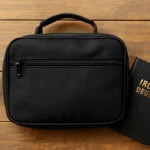
Use protective covers or pouches if you carry the Bible in a bag with other items
Accessibility and Inclusion: Making Pocket Bibles Available to Everyone
Accessibility considerations ensure that people with different needs can engage with Scripture through pocket editions. This includes not only physical readability but also audio and digital access that complements a compact format.
Large-print pocket editions for readers with diminished vision, while maintaining a compact form
High-contrast typography options to reduce glare and improve legibility
Dyslexia-friendly fonts and spacing to support readers who benefit from clearer letter shapes
Audio options where available, enabling listening to Scripture during commutes or workouts
Inclusive language and translation choices that respect diverse readerships
Cost Considerations: Getting the Best Value
Budgeting for a pocket Bible involves weighing initial price against long-term value. Here are some practical guidelines to maximize value without compromising quality.
Here are concise answers to common questions readers ask about pocket Bibles, to help you make informed decisions.
What qualifies as a pocket Bible? - A compact, portable edition of Scripture designed for easy transport and reading in everyday settings.
Do pocket Bibles use the same text as standard editions? - Yes, most carry the same canonical text; differences exist in translation, notes, and layout.
Is a digital pocket Bible as good as a physical one? - Both have benefits; digital editions offer searchability and convenience, while physical books provide a tactile, distraction-free reading experience.
How do I choose between a pocket NIV and a pocket KJV? - Consider readability, familiarity, and your devotional or study goals; try both if possible.
Can a pocket Bible aid in memory work? - Absolutely; compact formats encourage regular reading and repeated practice, which supports memorization.
Final Thoughts: Embracing the Pocket Bible as a Daily Tool
In sum, a pocket Bible is more than a compact book; it is a deliberate choice about how you engage with Scripture in a busy life. Whether you opt for a pocket-sized leather edition that sits comfortably in a coat pocket, a digital pocket Bible that travels with your phone, or a versatile hybrid solution that blends physical touch with digital convenience, the right edition should feel natural to carry and easy to read in any moment you seek spiritual nourishment. With the wealth of options available—from translations that sing with familiarity to designs that respect ongoing study—any reader can find a pocket Bible that fits seamlessly into their routine and supports meaningful growth in faith, knowledge, and practice.
Appendix: Quick Reference Guide for Selecting Your Pocket Bible
: devotional, travel, study, or outreach?
: aim for a model around 4–6 inches tall for easy pocket carry
: single-column for fluid reading or dual-column for reference
Translation: choose a version that aligns with your goals and language comfort
Durability: binding, cover, and paper quality that withstand daily use
Extra features: margins, ribbons, notes, cross-references, or devotionals
Budget: weigh upfront cost against long-term value and retention
Whether you call it a pocket Bible, a portable Bible, or a mini Bible, the true power of this tool lies in its ability to bring Scripture closer to your daily life. It invites you to carry Scripture with you wherever you go, to pause for reflection in the middle of a busy day, and to build a habit of engagement that stands the test of time. In the end, the best pocket bible is the one you actually use—consistently, faithfully, and with joy.










Leave a Reply