Introduction: Why a dedicated cover for your Bible matters
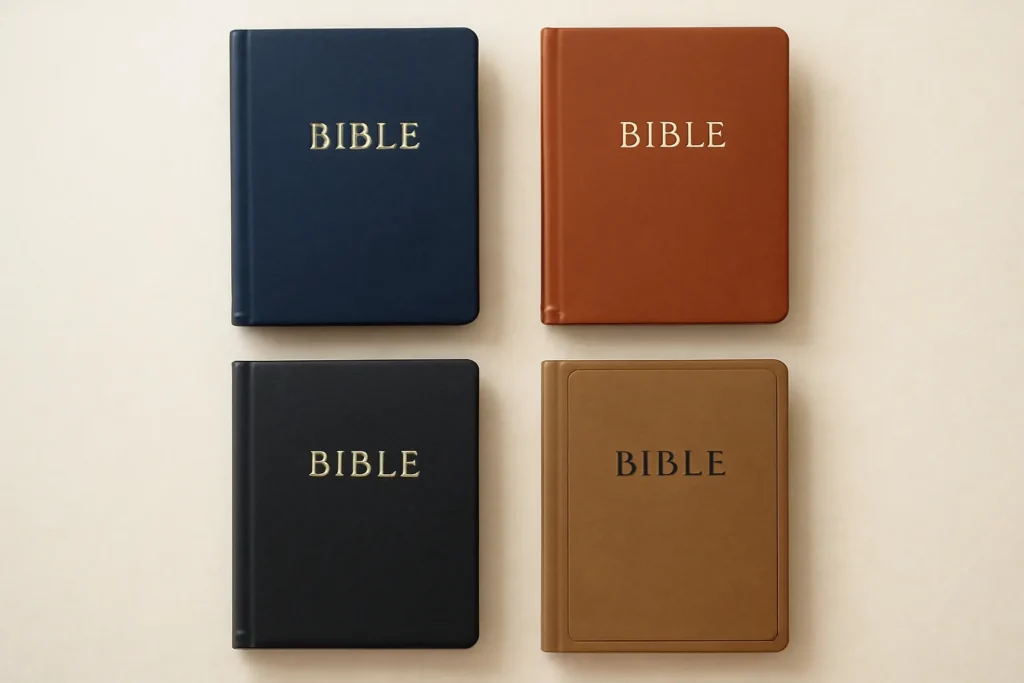
When people think about book bible covers, they often imagine a simple sleeve to protect a cherished text. In reality, the best Bible cover designs do more than guard against wear; they organize, preserve, and personalize a sacred object that accompanies readers through worship, study, and daily life. A high‑quality cover for Bibles can extend the life of the binding, keep pages pristine, and offer practical features like pockets for notes, spaces for pens, or even a place to attach a Church program or a bookmark ribbon. This article explores the many facets of choosing the best book Bible covers for your needs—cover materials, sizes, styles, and the little details that make a cover truly fit your life.
Whether you want a protective Bible case for travel, a classic leather Bible cover for everyday study, or a portable Bible sleeve for commuting, there is a design that aligns with your priorities. In the following sections, you will find practical guidance, concrete criteria, and a wide range of options to help you select the best cover for your Bible.
Understanding your Bible: size, binding, and fit
A successful purchase starts with a clear understanding of what you need to fit. Bibles come in a spectrum of sizes and bindings, and book Bible covers must be chosen with precise measurements in mind. A cover that’s too snug can strain pages and parchment; one that’s too loose may slip or slide during travel. Here are the core aspects to consider:
Dimensions: Measure the height, width, and thickness (gusset depth) when the Bible is closed. Common dimensions span from compact pocket Bibles (roughly 4–5 inches tall, 1–1.5 inches thick) to standard personal sizes (about 5–6.5 inches tall, 1.5–2 inches thick) to larger study Bibles (7–9 inches tall, 2–3 inches thick or more).
Binding type: Hardcover, paperback, or spiral bindings influence sleeve construction. A hardcover Bible often benefits from a stiffer cover with reinforced corners, while a paperback may require a more forgiving fabric or flexible leatherette.
Shape and corners: Some covers emphasize rounded corners or reinforced corner caps, which help resist corner wear—one of the most common points of damage in daily use.
Expansion capacity: If you frequently insert notes, a margin‑heavy edition, or a Latin Bible with extra pages, you’ll want a cover with a bit of extra room—think of sand‑colored canvas double gussets or a soft, expandable leather binding.
Compatibility considerations matter almost as much as size. For instance, a cover designed specifically for a “personal size Bible” may not fit a “large print” edition with a similar spine length but a thicker feel. In such cases, look for adjustable features or a cover labeled as compatible with a range of sizes. If you own multiple Bibles, you might consider a single, larger cover with removable inserts or a modular design that can hold different volumes.
Materials matter: choosing the right surface and structure
The material of a book Bible cover greatly affects its durability, texture, maintenance, and overall allure. The main categories include genuine leather, faux leather (also called vegan or synthetic leather), canvas, nylon, fabric blends, and natural fibers like cork or waxed canvas. Each offers distinct advantages for different lifestyles and budgets.
Leather and faux leather: timeless durability and feel
Leather Bible covers convey a classic look and natural patina that improves with age. Real hides are prized for their durability, tactile warmth, and the way they mellow over time. They can be heavily waxed or specially treated to resist moisture and staining. For many readers, a genuine leather Bible cover is a lifelong investment.
Faux leather covers provide a highly accessible alternative that mimics the appearance and weight of real leather while offering lower price points and vegan compatibility. Modern faux leathers can be remarkably resilient and come in a wide array of colors and textures. When shopping for synthetic options, look for:
Good grain texture or a convincing finish that won’t crack with use
Strong stitching around the edges and reinforced corners
Moisture resistance and colorfast dyes
Customer reviews noting long‑term performance
Fabric and canvas: lightweight, breathable, and versatile
Canvas Bible covers and other fabric variants tend to be lighter, breathable, and easy to clean. They often come with additional pockets and flexible interiors, which can be a boon for students or travelers who carry loose papers, bookmarks, or study aids. Canvas and other fabric blends can be more affordable and offer a casual aesthetic that pairs well with everyday carry.
Other materials worth considering
In addition to the big players, there are several niche options that can suit particular tastes or purposes. For example:
Cork covers provide a natural, grainy texture and a lightweight profile with a distinctive look.
Waxed canvas combines rugged durability with water resistance—ideal for outdoor use or travel.
Neoprene or padded synthetics offer extra shock absorption and are excellent for athletes, students, or anyone who uses their Bible in physical environments where bumps and drops happen.
Regardless of material, consider the maintenance requirements and your own lifestyle. A cover that demands delicate cleaning or special conditioners may not suit busy families or people who travel often.
Styles and aesthetics: finding a look that matches your life
The appearance of a Bible cover can reflect personality, denomination, or the context in which you use your Bible. Styles range from classic and formal to modern, minimalist, and playful. When evaluating style, consider how the cover will be used in worship, study groups, classrooms, or personal devotion time.
Classic and formal designs
For those who approach Bible study with a sense of tradition, a classic leather pebbled finish or a smooth, dark hide is appealing. These designs often feature:
Subtle tooling or debossing
Simple closures like a single strap or a magnetic clasp
Minimal internal compartments to emphasize the Bible itself
Choosing a classic Bible cover can also translate well to gifting, including to clergy or family elders who value a sense of ceremony and longevity.
Modern and minimalist looks
For readers who prefer a sleek, understated aesthetic, consider a minimalist Bible cover in a solid color with clean lines. These options often emphasize:
Thin profile and light weight
Flat pockets and slim interiors to avoid bulk
Bold color blocks or monochrome tones
Travel, outdoor, and rugged styles
For people who take their Bible on the road, in the field, or to service projects, rugged travel Bible covers with reinforced stitching, water resistance, and quick‑access pockets are valuable. Look for:
Waterproof or water‑resistant exteriors
Heavy‑duty zippers or magnetic closures that function in cold or wet weather
Exterior pockets for maps, tickets, or a small notepad
Personalization and giftable options
Many buyers appreciate personalized Bible covers—with names, initials, or meaningful verses embroidered or debossed. Personalization adds sentiment and makes a book bible cover a memorable gift for graduations, confirmations, or ordination. When ordering customized options, consider:
Font style and size for readability
Placement of initials or text to maintain a timeless look
Turnaround times and return policies on personalized items
Protection and durability: how a cover shields your Bible
Protection is one of the primary reasons people invest in a dedicated Bible cover case. A well‑made cover guards against daily wear, moisture, dust, and abrasion from sleeves, bags, or desks. Here are the main protective features to look for:
Padding and a soft interior lining to cushion the pages and spine
Corners reinforcement to resist bending and creasing
Water resistance or waterproofing, especially for travel covers
Stitch quality around seams to prevent tearing
Flap closures or secure straps to keep the Bible from sliding out
When evaluating durability, ask questions like: How does this cover perform after a few months of use? Does the surface scratch easily? Are the closures sturdy if pulled or jostled? Reading user reviews can provide real‑world insight into long‑term behavior.
Beyond looks and protection, the most useful handy Bible covers offer features that improve everyday use. Consider which functionalities align with your daily routine and environment. Here are common features to evaluate:
Pockets and compartments for bookmarks, business cards, study notes, or a pocket Bible insert
Pen loop for writing implements, a highlighter, or a stylus for digital notes
Rings or loops to attach a reminder ribbon or a prayer card
Internal lining that resists ink bleed or pencil marks
Closure mechanisms (magnetic, snap, zipper) that work reliably in different climates
Carrying options such as a built‑in handle, a detachable shoulder strap, or a belt loop
Reflective or subtle branding that aligns with personal or church preferences
Practical use cases by lifestyle
Different users prioritize different features. Here are some practical examples to help you map needs to features:
For students: extra pockets, a pen loop, lightweight fabric, and a compact profile that fits inside a backpack.
For clergy or teachers: durable leather, secure closures, and spots for sermon notes or handouts.
For travelers: water resistance, rugged materials, a zippered pocket for travel documents, and a comfortable strap.
For home devotion: simple, dignified aesthetics with easy cleaning and a soft interior to protect delicate pages.
Care, maintenance, and longevity
To ensure your book Bible covers stand the test of time, proper care is essential. Different materials require different care routines. A few general guidelines can help preserve beauty and function for years:
Cleaning: Wipe leather with a soft, dry cloth; use a damp cloth for canvas or fabric and allow to air dry. Avoid harsh cleaners that can degrade finishes.
Conditioning: Genuine leather benefits from occasional conditioning with a product designed for leather goods; faux leather usually does not require conditioner, and excessive wax can soften the surface.
Water exposure: If the cover gets wet, blot gently with a towel and let it dry away from direct heat. For waxed canvases, a dry brush can remove surface dust after drying.
Storage: Store upright or flat in a cool, dry place away from direct sunlight to prevent fading or cracking of materials.
Handling: Be mindful of zippers, clasps, and straps; avoid yanking or forcing closures that could loosen stitches.
In addition to routine care, assess wear patterns periodically. If you notice weakened stitching, cracked edges, or loose hardware, you may need professional repair or a replacement cover to protect your Bible.
Budget considerations and value
Prices for book Bible covers span a wide range, reflecting material quality, brand, customization, and build. A thoughtful purchase balances cost with quality and fit. Here are pricing tiers and what you typically get at each level:
Budget options (often canvas or basic faux leather, simple closures): lightweight, functional, and suitable for students or casual readers. Expect good value if you don’t need extensive pockets or premium materials.
Mid‑range (genuine leather entry‑level or high‑quality faux leather with better stitching and additional pockets): better durability and aesthetic, suitable for daily use and gifting with a modest budget.
Premium (full‑grain leather, embellished detailing, reinforced corners, and sometimes customization): designed to last a lifetime, with enduring resale or heirloom potential. Often chosen for clergy, gift markets, or dedicated readers.
Custom and limited editions (personalization, unique colors or textures): higher price but uniquely tailored to your preferences, with a strong sentimental value.
When weighing value, consider not only the upfront cost but the long‑term durability, protection, and how well the cover ages. A slightly higher investment today may reduce replacement costs later and preserve the Bible’s condition.
Where to buy and how to assess quality before purchase
With the rise of online shopping, it’s easier than ever to compare a wide range of book Bible covers. However, online images can obscure real‑world quality. When possible, examine the following quality markers and sources:
Stitching—even, tight stitches with reinforced corners indicate durability. Run a mental test by gently tugging at seams to assess resilience.
Hardware—zippers, snaps, and magnetic clasps should move smoothly without catching. Nylon zippers should slide with minimal resistance.
Edge finishing—edges should be cleanly finished with no frayed threads or rough surfaces.
Fit—if you have the opportunity, try a few sizes to ensure your Bible fits with room to spare for notes or accessories without being sloppy inside the cover.
Where to buy ranges from bookstores and church supply shops to online marketplaces and artisan studios. If you’re shopping online, read multiple customer reviews to identify common issues (such as leather cracking after wear, color fading, or zipper failure) and to gauge the authenticity of materials described.
Maintenance of personal style: choosing a cover that resonates with you
Your Bible cover is part of your daily ritual. A well‑chosen cover can help you approach your reading with intention. Here are considerations for aligning style with personal practice:
Color psychology and mood: warm browns and deep burgundies tend to feel traditional and comforting; bright colors like teal or burgundy can feel lively and modern.
Texture preference: smooth leather feels formal and durable; textured grain provides grip and character; canvas offers a casual, rugged vibe.
Religious or devotional motifs: some people appreciate subtle embossing of symbols, scripture verses, or church logos; others prefer a minimalist aesthetic without visible motifs.
Portability and daily routine: a slim, light cover suits a morning commute, while a larger, feature‑rich cover may be better for a long study session at a desk.
Ultimately, the best cover for your Bible is the one that supports your routine, protects your text, and feels right in your hands. If you’re shopping for others, consider their daily life, reading habits, and how they carry their Bible with other materials.
Gifting and personalization: turning a Bible cover into a meaningful present
A personalized Bible cover can be a meaningful gift for milestones such as confirmations, graduations, weddings, or ordinations. When personalizing, you might choose:
Initials, name, or a short message
A favorite Bible verse or a date meaningful to the recipient
A color that aligns with the recipient’s style or church colors
A reliable, durable material that suits the recipient’s environment (e.g., leather for clergy, canvas for students)
Note that personalized items are typically non‑returnable or have specialized return policies. If you’re unsure, consider a cover with a monogram option or a design that can be customized without permanent changes (e.g., detachable patches or decorative embroidery that can be replaced).
To help you make swift, informed choices, here are answers to frequently asked questions about book bible covers and related products:
Do Bible covers protect against water? Some are water resistant; fully waterproof options exist, but most everyday covers offer moisture resistance rather to completely waterproof protection. Consider a secondary rain cover in wet climates for added security.
Will a larger cover fit multiple Bible editions? If you frequently switch Bibles, look for a flexible or adjustable design with a little give in the gusset or a cover labeled as compatible with a range of sizes.
Are there eco‑friendly options? Yes. Cork, canvas, and certain plant‑based leathers are marketed as eco‑friendly choices. Look for sustainable sourcing and low‑impact production claims.
What about durability for heavy users? For daily commutes or fieldwork, prioritize heavily stitched covers with reinforced corners and secure closures. Pad‑style inner linings also help absorb impact from drops or bumps.
How do I clean a leather Bible cover? Use a dry or slightly damp cloth. Condition leather occasionally with a product designed for leather goods. Avoid harsh solvents that can dry or crack the leather over time.
Case studies: scenarios and recommended choices
To illustrate how these principles apply in real life, here are a few hypothetical scenarios and suggested approaches for choosing the best book Bible covers for each situation:
Scenario 1: A student who bikes to campus
The student carries a compact study Bible and needs lightweight protection with easy access to notes. Recommendations:
Material: canvas or soft faux leather for a balance of weight and durability
Style: minimalist with clean lines and a secure closure
Features: external pocket for transit pass, inner pocket for a small notebook, and a slim profile that fits a backpack
The cover should withstand rough trips, resist weather, and look professional in church offices. Recommendations:
Material: genuine leather or premium faux leather
Style: classic with a subtle, dignified finish
Features: reinforced corners, secure strap or zipper, internal pockets for sermon notes, and a robust handle
Scenario 3: A family with multiple Bibles and a shared library
The family needs a versatile, durable option that can accommodate different editions. Recommendations:
Material: water‑resistant canvas with a soft interior
Style: adjustable or modular design that can hold different sizes
Features: modular inserts, multiple pockets, and color coding to distinguish ownership
Conclusion: choosing the best cover for your Bible
In the end, the best cover for your Bible is the one that aligns with your needs and values. It should blend gracefully with your routine—whether you’re studying at a desk, traveling by train, or sitting in a pew. It should protect the integrity of the text, preserve the binding, and offer practical convenience without sacrificing your personal style. By considering the key factors discussed in this article—fit and size, materials, style, protection, functionality, care, and value—you can confidently select a Bible cover that will serve you well for years to come. A well‑chosen book Bible cover becomes more than just a container; it becomes a trusted companion for your journey through Scripture.
Remember to compare options, read reviews, and, if possible, handle a few samples in person. The tactile experience—the feel of the leather, the stiffness of the spine, the ease of closing a zipper—often matters as much as the look. And when you find a cover that feels right, you’ll likely notice less wear on your Bible itself and more enjoyment in your daily devotional routine. Whether you call it a Bible sleeve, a Bible case, or a book cover for Bibles, the right choice can elevate the everyday act of reading, study, and worship to something truly personal and lasting.









Leave a Reply