Rapture in Revelation: What the Bible Says About the End Times
Rapture in Revelation: What the Bible Says About the End Times
Rapture in Revelation: What the Bible Says About the End Times invites readers to explore how the final book of the Bible engages with ideas about salvation, judgment, and the moment when heaven and earth are made new. This article uses careful exegesis, sound theology, and a survey of biblical imagery to help readers understand what the rapture—a term often heard in popular discussions—means in relation to the visions of Revelation. Although the word rapture itself does not appear in Revelation, many scholars and readers connect Revelation’s harrowing, hope-filled imagery with the broader expectation that believers will be gathered, transformed, or vindicated at the return of Christ. The discussion below treats the topic with nuance, distinguishing between the biblical narratives of judgment and blessing and the diverse ways Christians have understood the timing and nature of the gathering of the saints.
Framing the idea: what the term rapture refers to and why Revelation matters
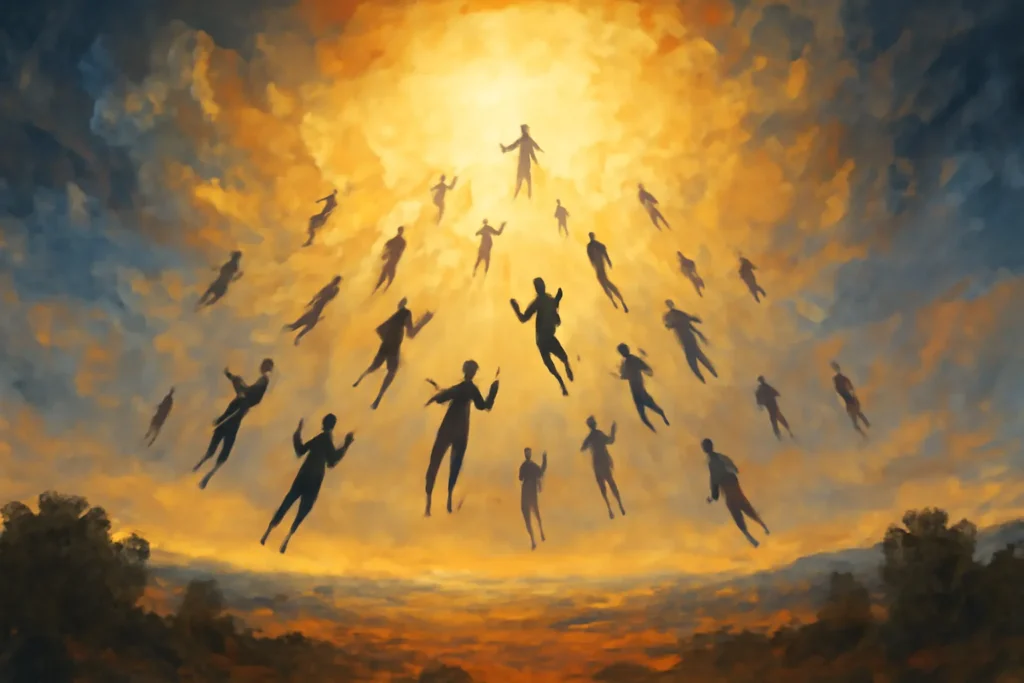
At the heart of the rapture discussion is the question of timing and audience: who is being gathered, when does it happen, and to what end? In popular Christian discourse, the catching away or harpazo (the Greek term often cited in discussions of this event) is imagined as a sudden removal of believers from the earth. In the biblical record, however, the most explicit descriptions of a climactic return of Christ and the accompanying judgments appear throughout the books of Daniel, Matthew, Paul’s letters, and especially Revelation. The connection to Revelation is not a single, explicit verse stating “the rapture happens here,” but a constellation of images that readers have read as pointing to a decisive rescue, vindication, and reunion with the Lord.
In addressing rapture in Revelation, it is important to acknowledge a spectrum of approaches. Some readers emphasize a dramatic rescue before a time of cosmic distress; others stress a final, comprehensive return at the end of history. Still others view the gathering as a broader spiritual reality—believers participating in the new creation—rather than a single moment on an earthly calendar. The chapters below consider those possibilities, while keeping Revelation’s own motifs of judgment, worship, and victory at the center.
Revelation’s imagery and the sequence of end-time events
Revelation presents a complex narrative about judgment and salvation aimed at encouraging faithfulness in difficult times. The sequence often discussed in scholarly and devotional contexts includes:
Seals, trumpets, and bowls—a progressive unveiling of divine judgments that culminate in the return of Christ and the defeat of evil.
The harvest imagery—visions of grain, grapes, and a vast multitude, which readers sometimes interpret as symbolic assessments and consummations.
The heavenly citizenry—worship in heaven that anticipates the bride’s wedding with the Lamb and the ushering in of the new creation.
The defeat of the Beast and the Dragon—the political and spiritual forces opposed to God are judged and bound, clearing the way for a restored creation.
The climactic return of Christ—a public, victorious advent when Jesus is seen to reign, and evil is judged in a visible, public way.
Within this framework, certain passages are frequently invoked in rapture discussions. While no Revelation verse uses the word rapture, several lines parallel the sense of an urgent divine intervention on behalf of God’s people. For example, Revelation portrays a people who endure, are protected, or are gathered in vision. The great multitude in Revelation 7:9-17, whom John sees before the throne, is often cited as imagery of fulfilled salvation and gathering. Revelation 14:14-16 speaks of a harvest of the earth when the Son of Man sits on the cloud to reap the harvest—images that some readers connect to the idea of a gathering of the faithful. Yet the book also shows a decisive, public unveiling of Christ’s reign at the end of history.
Key passages cited in the rapture conversation, with emphasis on Revelation
1) Revelation 7:9-14 and the great multitude
In this vision, John sees a countless number standing before the throne and before the Lamb, clothed in white with palm branches. They are described as those who come out of great tribulation and have washed their robes in the blood of the Lamb. This imagery is often cited as a picture of final salvation and vindication of the faithful. The emphasis here is not a sudden removal from the earth but a triumphal preservation and worship in the presence of God. When interpreted alongside other scriptures, this passage invites readers to consider the nature of God’s deliverance and the timing of revelation, rather than focusing solely on a single instant of escape from hardship.
2) Revelation 14:14-16 and the harvest of the earth
This text describes the Son of Man reaping the harvest with a sickle, a symbolic act that marks the completion of harvest time. The harvest motif is common in biblical apocalyptic and is sometimes read alongside the idea of gathering believers. In Revelation, the harvest serves as a moment of judgment and invitation—the earth’s produce is gathered for judgment, and the faithful are drawn into God’s presence. While this is not a literal “snatching away,” it contributes to the broader sense of a decisive movement of God to redeem and judge in fulfillment of his promises.
3) Other biblical passages frequently compared in rapture debates
Readers who explore the rapture in Revelation often turn to passages outside Revelation that discuss Christ’s return and the resurrection. These include:
1 Thessalonians 4:13-18—Paul’s description of believers being caught up to meet the Lord in the air is central to popular rapture theology. The relationship between this passage and Revelation is debated, but many readers attempt to harmonize them by proposing a sequence in which believers are gathered to Christ at his return.
Matthew 24—Jesus speaks of distress and the coming of the Son of Man, with watchfulness and readiness as themes. Some readers connect Jesus’ teaching with Revelation’s climactic events to form a cohesive end-time scenario.
Daniel 7-12—apocalyptic visions that anticipate a final deliverance and the establishment of God’s everlasting kingdom, which informs how readers understand the culmination described in Revelation.
When these passages are read together, readers encounter a tapestry of expectations: salvation, judgment, vindication, and the consummation of all things. The precise sequencing—whether a pre-tribulation rapture occurs before the worst trials, or whether the gathering happens at or after the tribulation—remains a point of debate among scholars and church traditions. What remains consistent across views is the conviction that God’s promises are trustworthy and that Christ’s return will be visible, decisive, and transformative for creation.
Historical and theological views on when the gathering of believers happens relative to Revelation’s events
Premillennial, pre-tribulation perspectives
In classic premillennial systems, the world experiences a period of tribulation before Christ returns to establish a literal thousand-year reign. Within this framework, the rapture is often understood as a separate, preceding event—believers are gathered to meet Christ in the air and are removed from the earth before the most intense judgments unfold. Proponents emphasize a literal interpretation of Revelation’s seals and bowls, culminating in a visible Second Coming and the establishment of the reign of God. This approach tends to stress watchfulness, mission, and perseverance in the face of hardship, and it highlights the distinct stages of judgment and salvation as described in the Revelation sequence.
Amillennial and traditional postmillennial readings
In amillennial theology, the millennium is understood symbolically as the present reign of Christ in heaven and in the church, not a literal thousand-year period on earth. Proponents often view Revelation’s imagery as symbolic of the ongoing age of the gospel, spiritual victory, and the ultimate defeat of evil at the end of history. The idea of a separate pre-tribulation catching away is less central in this view; the emphasis is on Christ's return at the end of the age, the general resurrection, final judgment, and the creation of a new heavens and new earth. Some postmillennial interpreters also eschew a dramatic post-tribulational scenario, arguing instead that the world gradually improves through the spread of the gospel, culminating in Christ’s return after a broad period of peace and righteousness. In these frameworks, Revelation’s end-time events are read as indicators of victory and fulfillment rather than a sudden liberation from a specific period of trial.
Historic perspectives and modern diversity
Throughout church history, Christians have offered a variety of readings, and many denominations hold to a mix of views. Some modern theologians advocate a mid- or post-tribulational perspective, arguing that the church will endure the tribulation but will be protected or preserved by God in meaningful ways. Others argue for a pre-tribulation rapture, while still maintaining the book’s overarching emphasis on God’s justice, mercy, and the triumph of the Lamb. The central conviction across traditions is the reliability of God’s promises and the certainty of Christ’s return, even if the timing remains a mystery.
Theological themes that shape interpretations of Revelation’s end-time events
Revelation presents a dual emphasis: God’s justice against evil and His mercy toward the faithful. Some readers focus on the severity of the judgments as a necessary purification, while others highlight the invitation to repentance and the ultimate reconciliation of all creation. The gathering of the faithful is often read as a vindication of the righteous and an opportunity to worship around the throne, rather than a mere escape from suffering.
Whatever the exact timing, a steady thread in Revelation is the call to perseverance and faithfulness. Believers are urged to remain faithful even amid cosmic upheaval, knowing that God’s purposes are moving toward the restoration of all things. The imagery of worship, song, and the enthroned Lamb reinforces that the end of the story is not despair but the emergence of a created order in which righteousness dwells with God.
Assurance of Christ’s presence
Across interpretations, a consistent claim is the certainty of Christ’s presence and victory. The vision of a conquered beast, a defeated darkness, and a new creation provides assurance to readers that Christ’s return will bring about the consummation of all promises. This assurance can shape practical living—cultivating holiness, justice, evangelism, and communal endurance in the face of trials.
Practical implications for believers today
Faithful watchfulness: The call to be ready and attentive to the Lord’s return is a common thread, regardless of the specific timing of the gathering.
Lived ethics: Revelation invites believers to live with integrity, justice, and compassion in light of the coming judgment and the dawning of God’s kingdom.
Hopeful imagination: Interpreting Revelation rightly fosters hope, not fear—believers are invited to trust that God will bring history to its intended end.
Worship as preparation: The heavenly liturgy in Revelation chapters 4–5 demonstrates that worship is a training ground for endurance and faithful witness on earth.
Mission and mercy: If the end will culminate in the gathering of people from every nation, a primary implication is mission: sharing the good news so that many may join the saved company at the final gathering.
Common misunderstandings and clarifications about rapture in Revelation
Misunderstanding: Revelation predicts a quick, invisible removal of believers from earth. Clarification: Revelation emphasizes dramatic public events and visible judgments; the precise mechanism of any gathering is not described as an invisible escape, and interpretations vary widely.
Misunderstanding: The gathering is the same event as the final resurrection. Clarification: In many traditions, the gathering of the saints is related to Jesus’ return, but some distinguish between a prior gathering (rapture) and a later resurrection and final judgment.
Misunderstanding: Revelation’s seals, trumpets, and bowls are purely symbolic and not connected to real-world events. Clarification: Most interpreters see the imagery as symbolic language for real-world spiritual realities and historical tendencies, culminating in a visible, decisive act of God.
Misunderstanding: All Christians must agree on the same timing. Clarification: The church has historically held diverse positions. The essential Christian faith focuses more on Christ’s victory, the resurrection, and the hope of new creation than on a single calendar label for the end times.
How to study the topic responsibly: a method for readers
Read Revelation in conversation with the rest of the Bible, especially prophetic and apocalyptic literature in Daniel and Isaiah, as well as Paul’s eschatological writings in 1 Thessalonians and 1 Corinthians.
Consider the literary genres and symbols: Revelation uses imagery and symbolism to convey spiritual truths; do not over-literalize every image when the text itself uses symbolic language.
Note the historical context: understand how early Christians faced persecution and how that may shape their expectations about God’s deliverance and the end of evil.
Explore multiple viewpoints with charity: recognize that sincere Christians may disagree about the timing of events while staying united in core Christian beliefs about Christ’s lordship, the resurrection, and the new creation.
Engage with credible scholarship: look for balanced commentaries that treat Revelation with care, distinguishing between the text’s primary messages and later interpretive traditions.
In sum, the topic of rapture in Revelation is best approached as a hermeneutical conversation about how believers read a complex book that culminates in the return of Christ, the defeat of evil, and the creation of a new heaven and new earth. The catching away motif, in its strongest form, is not an isolated verse but a piece of a broader theological mosaic that emphasizes rescue, vindication, and the triumph of God’s justice and mercy. For readers seeking to grow in faith, the most fruitful approach is to cherish the hope of Christ’s return while living out a faithful, mission-centered life today, rooted in worship, service, and trust in God’s eternal promises.
Ultimately, the end-time narrative in Revelation invites a posture of hopeful fidelity: to endure, to worship, and to anticipate the day when all things are made new. Whether one speaks of a rapture as a separate moment, or understands the gathering as part of the broader return of Christ at the end of the age, the essential message remains clear: God is sovereign over history, Christ reigns, and the promise of a redeemed creation awaits the final fulfillment of all things.





Leave a Reply