How Will the World End Bible: End-Time Prophecies Explained
How Will the World End Bible: End-Time Prophecies Explained
How Will the World End Bible is a phrase that many people search for when they encounter the topic of end-time prophecies in Scripture. This article surveys the biblical landscape, explaining what the Bible says about the end of the world, how scholars interpret those passages, and what this means for readers today. Rather than presenting a single, definitive timetable, we will explore the range of perspectives, the major texts, and the symbolic language that fills the pages of the biblical books often associated with catastrophe and renewal. By looking at sources from both ancient times and modern scholarship, readers can gain a clearer sense of the complex tapestry that the phrase end-time prophecies weaves across Christian thought.
What the Bible Describes about End-Time Prophecies and the End of the World
The Bible presents a set of visions and predictions that describe a climactic period in human history, followed by divine judgment and the creation of a new order. Key terms frequently recur in discussions about end-time prophecies: the tribulation, the great tribulation, the second coming of Christ, the final judgment, and the creation of the new heaven and new earth. Across both Old and New Testaments, the language ranges from literal, concrete events to symbolic, literary images that convey theological truths about God, humanity, justice, and hope.
In the biblical narrative, the end is not merely an extinction event; it is a turning point that rearranges the cosmos and the moral order. While some portions describe cosmic disturbances—sun, moon, and stars in upheaval—these signs often function to signal moral readiness, repentance, or the imminent intervention of God. In many strands of biblical eschatology, the end-time passages point toward a climactic confrontation between good and evil, followed by vindication for the righteous and the restoration of creation.
Different Interpretive Frameworks for End-Time Events
Scholars and faith communities have developed several coherent frameworks to interpret the Bible’s end-time material. Each framework offers distinct timelines, emphases, and hermeneutical methods. Here are the main approaches, with concise descriptions and key distinctions:
Premillennialism
In premillennialism, Christ returns before a literal thousand-year reign on earth. This view often includes an explicit period of the Great Tribulation preceding His return, followed by a visible, bodily Second Coming, the defeat of evil, and a thousand-year reign of peace. Within premillennial thought, there are variations about whether the church will experience a pre-tribulation, mid-tribulation, or post-tribulation rapture. Proponents typically emphasize a future, physical restoration of Israel and a tangible fulfillment of prophecies in Revelation and Daniel.
Amillennialism
Amillennialism interprets the thousand-year imagery symbolically rather than as a literal future period. Adherents often see the reign of Christ as happening in the present age through the church, with the end times culminating in the final judgment and the creation of a new heaven and new earth. In this view, the events described in Revelation are interpreted more as symbolic depictions of spiritual realities—cosmic conflict, the call to faithful witness, and the ultimate victory of God—rather than a precise, chronological sequence of future events.
Postmillennialism
Postmillennialism holds that the gospel gradually transforms the world, leading to a long era of peace and righteousness before Christ’s return. In this framework, the Church participates in broad cultural influence, moral progress, and social reform as signs of the coming kingdom. The eventual Second Coming is then understood as a culmination of this era of growth and righteousness, not as a reaction to a sudden catastrophic crisis.
Dispensationalism
A relatively recent development in Western Christian thought, dispensationalism emphasizes a distinct chronology of God’s plans in different eras or dispensations. It is well known for its teaching on a possible pre-tribulation rapture, a literal seven-year Tribulation, a visible Second Coming, and a future millennial reign. Dispensationalists typically interpret Revelation with a more chronological, sequential approach, including a focus on Israel as a central player in end-time events.
It is important to note that not every Christian adheres strictly to one of these frameworks. Many readers hold hybrid views or shift interpretations as they study the scriptures and encounter new scholarship. The diversity of interpretation reflects the Bible’s rich and sometimes enigmatic language about the future.
Key Texts in the Bible that Describe the End of the World
To understand end-time prophecies, it helps to examine the central biblical texts and how they are interpreted. The major sources fall into a few broad categories, each contributing different angles to the overall picture.
The Olivet Discourse: Matthew 24–25, Mark 13, Luke 21
In these chapters, Jesus speaks about the signs that will precede the end, including wars, famines, earthquakes, false prophets, persecution, and the gospel proclaimed to all nations. The discourse also addresses the destruction of the temple, the need for vigilance, and the coming of the Son of Man. Different traditions interpret the timing and nature of the events described—whether they refer primarily to a near-term first-century crisis, a distant future catastrophe, or a combination of both as overlapping layers of prophetic meaning.
Daniel’s Visions
The book of Daniel presents a series of dreams and visions involving empires, beasts, and divine sovereignty. Notable elements include the “four beasts” vision, the “abomination of desolation,” the emergence of a final judgment, and the promised coming of the Son of Man. Daniel’s prophecies are often read as both a historical accounting of rising and falling kingdoms and a timeless message about God’s ultimate control over history.
The last book of the Bible is the primary source for many end-time scenarios. Its symbolic imagery—seals, trumpets, bowls, beasts, harlots, and a dragon—depicts cosmic conflict and divine judgment. Revelation also emphasizes the perseverance of the saints, the ultimate defeat of evil, and the promise of a new creation where God dwells with humanity. Interpreters debate whether Revelation should be read as a literal, sequential timeline or as apocalyptic literature that conveys theological truths through symbolic language.
Prophetic Passages from the Prophets
Books such as Joel, Ezekiel, and Isaiah contribute to the eschatological vocabulary. For example, Joel’s prophecy about the day of the Lord and the outpouring of the Spirit, Ezekiel’s Gog and Magog imagery, and Isaiah’s visions of justice and global peace shape the broader expectations many readers associate with the end times.
The Role of the Tribulation, Rapture, and Second Coming
Three terms frequently surface in discussions about how the world ends: tribulation, rapture, and Second Coming. Each term carries layered meanings and varies in interpretation across traditions.
The Tribulation
The concept of a period of testing, judgment, or severe trouble precedes the end in several biblical books. Some traditions view the tribulation as a future, seven-year or extended period characterized by widespread upheaval and persecution. Others see it as already occurring in stages throughout church history or as a symbol of the intense spiritual conflict that accompanies the end of the age.
The Rapture
The idea of a rapture—believers being caught up to meet Christ—appears most clearly in later Christian literature and is debated among scholars. In some schools of thought, the rapture occurs before the Tribulation (pre-tribulation), in the middle (mid-tribulation), or at the end (post-tribulation). Not all Christian traditions accept a separate rapture as distinct from the Second Coming, and some interpret the concept as a broader, spiritual gathering rather than a physical event.
Second Coming and Judgment
The Second Coming of Christ is a central element across Christian eschatology. In many traditions, it denotes a future, personal return of Jesus to judge the living and the dead, defeat evil, and inaugurate the final state. The timing is often viewed as known only to God, fostering an emphasis on watchfulness, ethical living, and evangelistic urgency.
Symbols, Imagery, and Their Interpretive Significance
The end-time narratives rely heavily on rich symbolism. Understanding how to read this imagery helps clarify why biblical authors used certain pictures to convey complex truths.
Beasts and political powers in Daniel and Revelation as emblems of human kingdoms and spiritual forces.
Seals, trumpets, and bowls representing successive phases of divine judgment and cosmic upheaval.
Numbers such as 7 (completion), 12 (the people of God), and 666 (a coded form of imperial hubris) used to signal theological messages rather than precise calendars for events.
New heaven and new earth as the ultimate renewal of creation, indicating that the end is really a new beginning.
Because apocalyptic literature often uses numbers, visions, and symbolic beasts, many readers approach these sections as a blend of historical insight, theological truth, and literary craft. The symbols can be read literally, symbolically, or in a hybrid fashion—depending on the reader’s theological framework, historical context, and hermeneutical method.
Historical Perspectives and Modern Applications
The interpretation of end-time prophecy has evolved across centuries. Early Christians wrestled with how to understand Jesus’ return in light of fresh persecutions, geopolitical events, and the growth of the early church. Through the Middle Ages, theologians reflected on eschatology within the framework of church authority, cosmic significance, and moral reform. The Reformation reinvigorated interest in biblical authority and prophecy, prompting new emphases on the plain sense of Scripture and the interpretive role of divine revelation.
In modern times, scholars and lay readers approach the end-time material with varying degrees of literalism and symbolic interpretation. Some emphasize a future, physical sequence of events tied to a revived Israel, a tribulation period, and a sweeping return of Christ. Others stress a present spiritual tension—where the church participates in God’s redemptive work amid ongoing conflict and social injustices—while awaiting Christ’s ultimate return. Across denominations, debates persist about the sequence and nature of these events, yet a common thread remains: the biblical writers aimed to call people to faithfulness, repentance, and hopeful endurance.
What This Means for Believers Today: Practical Implications
Although much of end-time prophecy involves future events, the Bible consistently frames these passages as calls to ethical living, steadfast faith, and active witness. Here are some practical implications that arise from engaging with biblical eschatology:
Vigilance and readiness: Many end-time passages urge believers to stay awake and prepared for Christ’s return, not in fear but in faithfulness and hope.
Evangelism and justice: End-time expectations often motivate Christians to share good news and pursue justice, mercy, and mercy-driven service in the world today.
Humility about certainty: Given the diverse interpretations, many readers adopt a posture of humility, acknowledging that God’s timing is ultimately inscrutable and focusing on living according to Jesus’ teachings in the present age.
Stewardship of creation: The narrative of a renewed creation invites believers to care for the earth and seek reconciliation, healing, and wholeness in a broken world.
Common Questions and Clarifications About End-Time Prophecies
To help navigate common inquiries, here are some frequently asked questions and concise clarifications. These reflect the range of perspectives found in biblical interpretation.
Will the world end in fire, flood, or some other catastrophe?
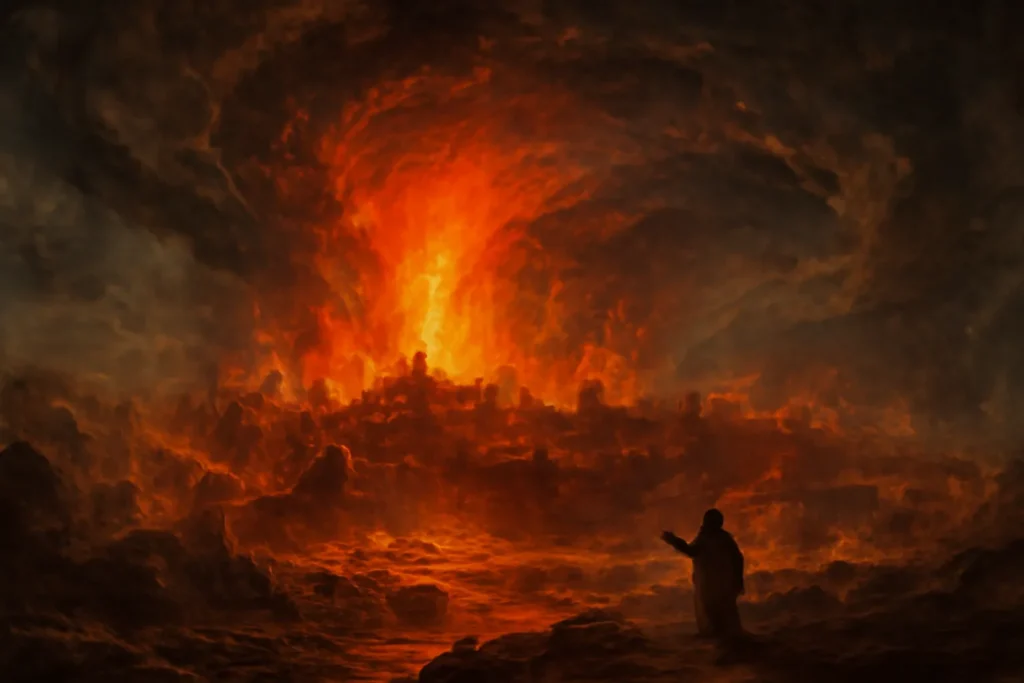
The biblical material uses a variety of images—fire, wars, natural upheavals, and cosmic disturbances—to convey disruption and judgment. For many, these images point to symbolic expressions of divine judgment and eventual renewal more than to a single, inevitible meteorological event. The emphasis is less on the exact method and more on the moral and theological significance of God’s intervention in history.
Is the Rapture a universal, universally accepted event?
No single interpretation commands universal agreement. The idea of a pre-tribulation rapture, for example, is particularly common in certain strands of dispensationalist thought, but other traditions either reject a distinct rapture or situate it differently within the chronology of end-time events. The diversity reflects broader questions about how to read Revelation and related prophecies.
When will these events happen?
The Bible generally teaches that the precise timing is known only to God. This means believers are encouraged to be watchful and faithful rather than to fixate on a precise date. Throughout Christian history, various groups have predicted specific years or windows, but most such predictions have not come to pass. The prudent approach is to attend to the moral and spiritual lessons of the texts while remaining open to the manifold ways God may unfold history.
How should climate and global events relate to biblical prophecy?
Climate change, pandemics, wars, and geopolitical upheaval are real phenomena in our world, and many readers see these phenomena as compatible with biblical themes of trouble and judgment. However, most biblical frameworks do not present climate events as deterministic signs of a fixed timetable. Instead, they view such events as part of a broader human condition that calls people to repentance, righteousness, and hope in God’s future plan.
What is the ultimate hope offered by biblical eschatology?
Across traditions, the overarching hope is the restoration of all things: the defeat of evil, the vindication of the righteous, and the creation of a new, harmonious order where God dwells with humanity. This final state—often described as the new heaven and new earth—is portrayed as the culmination of God’s purposes, not merely an end to existence. The emphasis is on reconciliation, justice, and the transformation of creation.
Variations in Global Christian Thought: How Different Communities Talk About the End
Around the world, Christian communities interpret end-time prophecies in ways that reflect local histories, theological traditions, and cultural contexts. Some communities emphasize mission and social justice as signs of the kingdom’s coming, while others stress prophetic timelines and symbolic calendars. A common thread across these variations is a shared desire to read the Bible responsibly, resist idolatry, and live with hope and courage in the face of uncertainty.
How to Read End-Time Prophecies Responsibly: Practical Guidelines for Study
For readers who want to dive into end-time prophecies without losing sight of biblical integrity, here are some practical guidelines:
Study the literary contexts—apocalyptic books require attention to genre, symbol, and historical setting.
Compare passages from Daniel, Revelation, and the Olivet Discourse to understand recurring motifs and how they fit together.
Be aware of interpretive diversity—recognize that faithful readers can disagree about the sequence and exact timing of events.
Prioritize ethical living and compassion—end-time language should motivate faithful discipleship, not fear or sensationalism.
Guard against exclusivist claims—biblical prophecy can be a source of hope for many people, not just one group or tradition.
By following these guidelines, readers can engage the topic with intellectual seriousness and spiritual maturity, focusing on the transformative messages embedded in the biblical text.
Conclusion? A Note without the Word The End
The Bible’s treatment of end-time events invites readers into a conversation that spans history, theology, and personal faith. Rather than offering a single forecast of when the world will end, the biblical material provides a framework for understanding God’s purposes in history: judgment and mercy, justice and renewal, sorrow and hope. The enduring message across the diverse approaches is not merely prediction but exhortation—an invitation to live in a way that reflects faithfulness to God and love for neighbor as the world moves toward its ultimate fulfillment in God’s new creation.
In this sense, the question “How Will the World End Bible” becomes less about a precise timetable and more about how we inhabit the present with hope, justice, and fidelity. The end-time prophecies in Scripture are less about fear of destruction and more about trust in the divine plan, the triumph of good over evil, and the promise that God is making all things new.








Leave a Reply