What Is the Rapture and the Tribulation? A Clear, Bible-Based Explanation
What Is the Rapture and the Tribulation? A Clear, Bible-Based Explanation
The terms Rapture and Tribulation appear frequently in discussions about the end times, but they can be confusing if one is not careful about what the Bible actually says and how various Christian traditions understand those passages. This article aims to provide a clear, Bible-based explanation of two major eschatological ideas: what the Rapture is, and what the Tribulation is, including how they relate to each other in Scripture and how different theological frameworks interpret their timing. We will use plain language, but we will also point to the key biblical terms and passages that shape these doctrines.
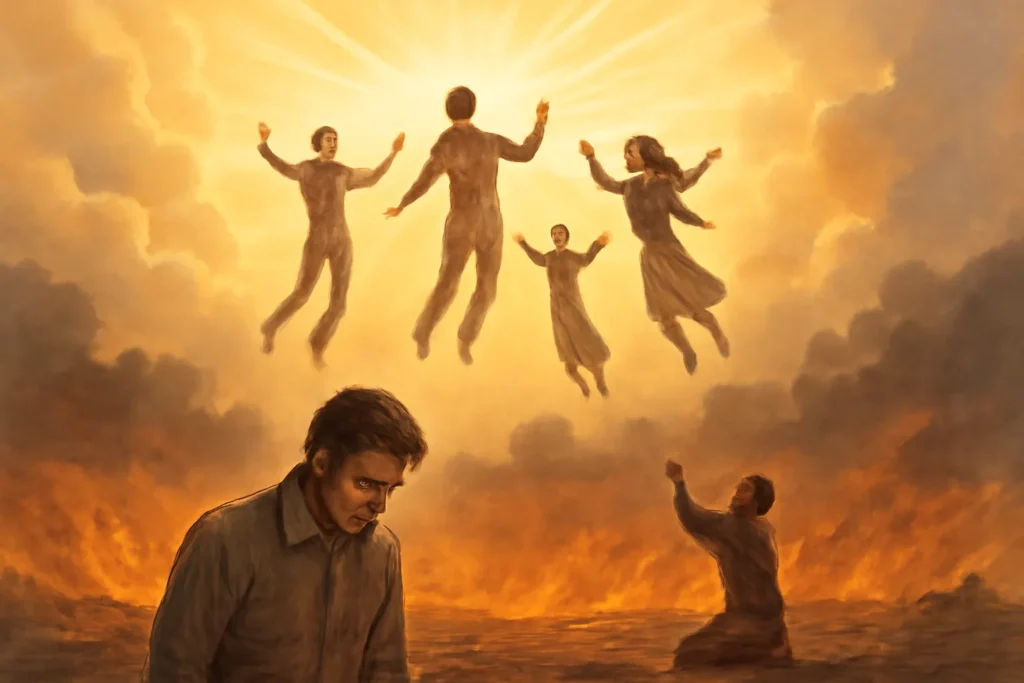
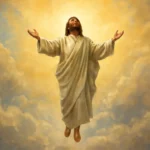
The word Rapture is not found in most English translations of the Bible, but believers use it to describe a biblical event in which Christ gathers His people to Himself. The concept is derived from a vivid description in the New Testament of believers being “caught up” to meet the Lord in the air. In Latin, the term raptus is used in the Vulgate to translate this idea, giving us the label rapture as a shorthand for the moment of gathering. The underlying pattern is not merely an escape plot; it is a theological assertion about how God preserves His people in the moment of transition between ages.
Key terms and definitions
Rapture (also called the catching away): the sudden gathering of living believers to meet the Lord at His coming, accompanied by the resurrection of deceased believers who are united with Him.
Parousia: a biblical word meaning the Lord’s appearance or presence. In some traditions, the Rapture is seen as a distinct moment within the broader concept of the Parousia, while others emphasize a single, visible return of Christ that includes both the living and the dead.
Resurrection of the dead: the future event when believers who have died are raised to meet the Lord, a component often associated with the Rapture in popular teaching.
Transformation of the living: living believers are transformed at the moment of gathering so that they receive imperishable, glorious bodies in Christ.
Several key verses are commonly cited in discussions of the Rapture, especially:
1 Thessalonians 4:16-17 describes the Lord descending from heaven and believers being caught up to meet Him in the air, with the dead in Christ rising first and then the living believers being transformed and pulled up together with them.
1 Corinthians 15:51-52 speaks of a mystery where believers will not all sleep, but we will all be changed “in a moment, in the twinkling of an eye, at the last trumpet.”
John 14:2-3 and related passages point to Jesus returning to receive believers to Himself so that where He is, there they may be also. In some traditions this is seen as connected to the same event described in Thessalonians and Corinthians, while other readers emphasize distinct stages in Christ’s return.
In practical terms, many readers understand the Rapture as a moment of hope for believers—an assurance that God has a plan to preserve His people through the chaos of the last days, whether that chaos comes before, during, or after other end-time events. The emphasis, across traditions, tends to be that believers should live in readiness, with a posture of faith, holiness, and hopeful expectation.
What is the Tribulation?
The term Tribulation refers to a period of intense distress and divine judgment described in the Bible as part of the end-times sequence. The concept is found especially in the prophetic literature of Daniel and Revelation, as well as in Jesus’ own teachings in the Gospels about the signs of the end. The period is characterized by upheaval, natural disasters, moral decay, persecution of God’s people, and cosmic signs. The Tribulation is sometimes called the great tribulation to emphasize its severity, and some titles also refer to it as the time of Jacob’s trouble (a phrase drawn from Jeremiah’s prophecy about Israel).
Terminology and biblical references
Great tribulation: Matthew 24:21 uses the phrase to describe a time of unprecedented distress preceding Christ’s return.
Time of Jacob’s trouble: Jeremiah 30:7 uses language about distress that is specifically tied to Israel but is widely applied to end-times suffering in many traditions.
Daniel’s seventieth week: Daniel 9:24-27 outlines a seven-year period of specific prophetic events that many interpreters equate with the Tribulation.
Judgments and seals: Revelation chapters 6–16 narrate a sequence of judgments (the seals, the trumpets, and the bowls) that some theologians identify with the Tribulation.
There is not a single universal agreement on every detail, but most Christian readers agree that the Tribulation is a time of upheaval and divine discipline on the earth that precedes Christ’s visible return to earth in the subsequent drama of the end times. Some see it as a literal seven-year period, while others interpret it as a symbolic or figurative era representing a long, intensified season of testing. The important point is that the Tribulation is portrayed as a time when God’s justice and mercy converge in judgment and opportunity for repentance.
How the Rapture and Tribulation relate in Scripture
The relationship between the Rapture and the Tribulation is one of the most debated topics in Christian eschatology. The central question is timing: does the gathering of believers occur before, during, or after the period of intense suffering described as the Tribulation? Different Christian traditions answer this question in different ways, and each view looks to the same biblical passages to build its case.
Common interpretive frameworks
Premillennial, pre-tribulation view: This position holds that the Rapture occurs before the Tribulation begins. In this view, the Church is spared from the most severe judgments, and believers are gathered to Christ prior to the onset of the seven-year period (or the intense time of distress) described in Daniel and Revelation.
Premillennial, mid-tribulation view: In this view, the Rapture happens at a midpoint, halfway through the Tribulation, saving believers from the worst judgments that occur in the latter half.
Premillennial, post-tribulation view: This framework maintains that the Rapture occurs at the end of the Tribulation, coinciding with Christ’s visible return and the final gathering of believers.
Amillennial and other non-dispensational views: Some theologians interpret the end-times narratives more symbolically and do not segment a distinct pre-tribulation rapture as a separate event. In these readings, the church may endure varying degrees of tribulation as part of the broader spiritual conflict in the present age, and the culmination occurs at the same time as the Second Coming in a single event rather than as a separate moment.
Each framework seeks to stay faithful to the biblical text, yet they interpret certain verses differently. For example, passages about caught-up language (1 Thessalonians 4:16-17) are read as describing the rapture by some, while others see this as a description of a future, post-resurrection gathering tied to the return of Christ. Similarly, Jesus’ warnings about watchfulness in Matthew 24 are interpreted by some as referring to the warning of the entire end-times period and by others as referencing the need for readiness before the rapture or before the Tribulation. The result is a spectrum of plausible readings rather than a single universal consensus among all Christians.
Despite debates about exact sequencing, all major views affirm a few core biblical themes: believers will be safe in the sense of God’s ultimate salvation, Christ will return in glory, there will be a final defeat of evil, and the events of the end times will culminate in the establishment of God’s kingdom in its fullness. The differences lie largely in the chronology rather than in the essential hope of God’s victorious plan.
A simple, Bible-based timeline (illustrative, not exhaustive)
To help readers grasp how these ideas fit together, here is a streamlined outline that reflects traditional biblical sequencing. Note that this is a simplified model designed to illustrate the relationships among major events; actual interpretation may vary by tradition.
The current era, often described as the Church Age, in which the gospel is proclaimed and people are invited to faith in Christ.
One of the central questions is the Rapture, the moment when believers, living and dead, are gathered to Christ. The timing of this event is understood differently by various traditions.
The Tribulation, a period of intense hardship and divine judgment on the earth, when God’s justice is poured out and people face trials, sometimes described as seven years or a time of great distress.
The return of Christ in glory, sometimes called the Second Coming, when He defeats evil and gathers His people for the final judgment or for the establishment of His kingdom, depending on the interpretive framework.
The Millennium (the thousand-year reign of Christ) or its symbolic equivalent, followed by the final judgment, the complete restoration of creation, and the renewal of all things.
Again, the exact placement of the Rapture relative to the Tribulation, and the nature of the millennial era, depend on the theological framework one adopts. What remains consistent across mainstream biblical teaching is that Christ will return, believers will be transformed or resurrected, and God will judge and restore all things in a way that reveals His justice, mercy, and steadfast love.
How should believers think about these events today?
For Christians living in any era, the biblical message about the end times is designed to nurture certain practical and spiritual responses. The Rapture and Tribulation discourse in Scripture is meant to encourage vigilance, faithful living, repentance, and hope. Here are some core takeaways that reflect a Bible-centered approach:
Watchfulness and readiness: Jesus instructs His followers to be ready, because the exact timing of His return is not known. This means cultivating a life of faith, obedience, and consistent trust in God.
Faithfulness in trials: The idea that believers may endure hardship emphasizes the importance of perseverance, prayer, and reliance on the Holy Spirit to sustain faith during difficult days.
Hope and consolation: For many readers, the Rapture offers hope that God preserves His people and that Christ will gather His church to Himself, ultimately bringing about renewal and justice.
Missional posture: The end-times narrative can motivate believers to live out their witness now—sharing the gospel, serving others, pursuing holiness, and supporting the church as the body of Christ.
Different Christian traditions and their emphases
Throughout church history, Christians have approached the topics of the Rapture and Tribulation with varying emphases that reflect their broader theological contexts. The key differences tend to revolve around timing, symbolism, and how to interpret prophetic literature. Here are two broad family lines that illustrate the diversity:
Premillennial and dispensational perspectives
In these frames, the Rapture is typically viewed as the preeminent event that begins the Tribulation chronology. The hope is that believers are taken to heaven prior to the most intense judgments, so the Church is spared from the worst of the calamities. Proponents often cite 1 Thessalonians 4 and related passages to support a precursory gathering, and they interpret Daniel’s prophecies and Revelation as sequential, predictive timelines.
Amillennial and postmillennial perspectives
In these traditions, the end-times scenario is viewed more symbolically or as a single, ongoing spiritual struggle rather than a tightly plotted sequence of events. The Rapture is not always treated as a separate escape event; instead, believers may understand Christ’s return as the culmination of history in a single decisive act. The focus is often on the moral and spiritual readiness of the faithful in all seasons, rather than on a precise timetable.
Key biblical passages to study
To deepen understanding, here are some core texts that shape the discussion of the Rapture and the Tribulation, along with brief notes about what they contribute to the conversation:
1 Thessalonians 4:13-18: A central passage on believers being caught up to meet the Lord, which many readers connect with the Rapture.
1 Corinthians 15:50-58: The transformation of the living and the resurrection of the dead, often paired with the rapture imagery in popular teaching.
Matthew 24 and Luke 21: Jesus’ teaching about the signs of the end times, which informs how readers understand the Tribulation period and Christ’s coming.
Daniel 9:24-27 (the “seventy weeks”): A framework for understanding prophetic timelines that many associate with the Tribulation.
Revelation 6-16: The sequence of judgments that many interpret as the graphic outline of the Tribulation, including seals, trumpets, and bowls.
Jeremiah 30:7 (the “time of Jacob’s trouble”): A passage often cited in discussions of Israel’s experience during the end times.
Common questions about the Rapture and the Tribulation
End-times topics can generate many questions from readers. Here is a concise Q&A that reflects common inquiries, with biblically informed responses:
Is the Rapture a new doctrine? While some people articulate the concept in modern language, the core ideas—believers meeting Christ, the resurrection, and transformation—are rooted in New Testament teaching. Different traditions have organized these ideas into various timelines and labels over the centuries.
Will children be raptured? Views vary. Some traditions affirm that all believers, regardless of age, are included in the event, while others emphasize accountability norms for young people. The shared conviction is that God’s mercy covers His people, and children in families of faith are included in God’s redemptive plan.
What about signs and the calendar? The Bible emphasizes readiness over precise timing. Jesus warns that no one knows the day or the hour, so faithfulness,Watchfulness, and obedience are the practical response rather than calculating dates.
Are the Rapture and the Second Coming the same event? Some traditions identify them as the same event viewed from different perspectives, while others distinguish a pre- or post-rapture gathering from Christ’s visible return to earth. The key is recognizing that both describe Christ’s decisive intervention and the consummation of His kingdom.
How do the Tribulation and the Gospel relate? The Tribulation is portrayed in Scripture as a time of testing and judgment, but many readers also see it as a time when the gospel advances in the midst of difficulty, as people come to repentance and faith.
Practical encouragement for readers today
Even as the end-times conversation can feel speculative, there are timeless truths for living faithfully now. Here are some practical takeaways that apply regardless of one’s preferred end-times framework:
Live with hope: The Christian life is anchored in the confidence that God is sovereign, Christ will return, and His purposes will prevail. This hope sustains believers through suffering and uncertainty.
Walk in holiness: The end times discussion serves as a reminder to pursue holiness, to resist moral compromise, and to cultivate a life that reflects the character of Christ.
Proclaim the gospel: The urgency of mission remains a constant theme—let the message of Jesus reach others with grace, truth, and love.
Care for the needy: A robust eschatology often intersects with justice and compassion, motivating believers to work for mercy and reconciliation in a troubled world.
Historical context and caveats
It is important to acknowledge that:
Interpretations of the Rapture and the Tribulation have varied across church history, not just across modern denominations.
New discoveries in biblical languages, geography, and archaeology invite ongoing study and refinement of how end-times events are understood.
Many faithful Christians find it helpful to focus on the core gospel—who Jesus is, what He achieved on the cross, and how believers live in light of that truth—without getting overly fixated on exact timing.
A concise recap
To summarize in a few lines:
The Rapture refers to the moment when believers are gathered to meet Christ, with the dead in Christ rising and living believers being transformed. This event is described in passages such as 1 Thessalonians 4:16-17 and 1 Corinthians 15:51-52.
The Tribulation describes a period of intense distress and divine judgment anticipated in Daniel and Revelation, and referenced in Jesus’ Olivet Discourse. The length and nature of this period are interpreted differently across traditions.
Interpretations vary on the sequence: whether the Rapture occurs before, during, or after the Tribulation. The most common frameworks are pre-tribulation, mid-tribulation, and post-tribulation, with amillennial and other views offering alternative readings of prophecy.
All approaches seek to ground their conclusions in Scripture while encouraging believers to remain faithful, hopeful, and mission-minded in every season of life.
In the end, the Bible invites readers to place trust in God’s plan, to live as people of light in the present world, and to anticipate the return of Christ with sober vigilance and steadfast hope. The concepts of the Rapture and the Tribulation offer vocabulary for thinking about the last things, but their ultimate aim is to shape lives that honor God, love neighbor, and bear witness to the good news of Jesus Christ in every circumstance.



Leave a Reply