Leather Bible: The Ultimate Buying Guide, Care Tips, and Style Picks
Leather Bible: The Ultimate Buying Guide, Care Tips, and Style Picks
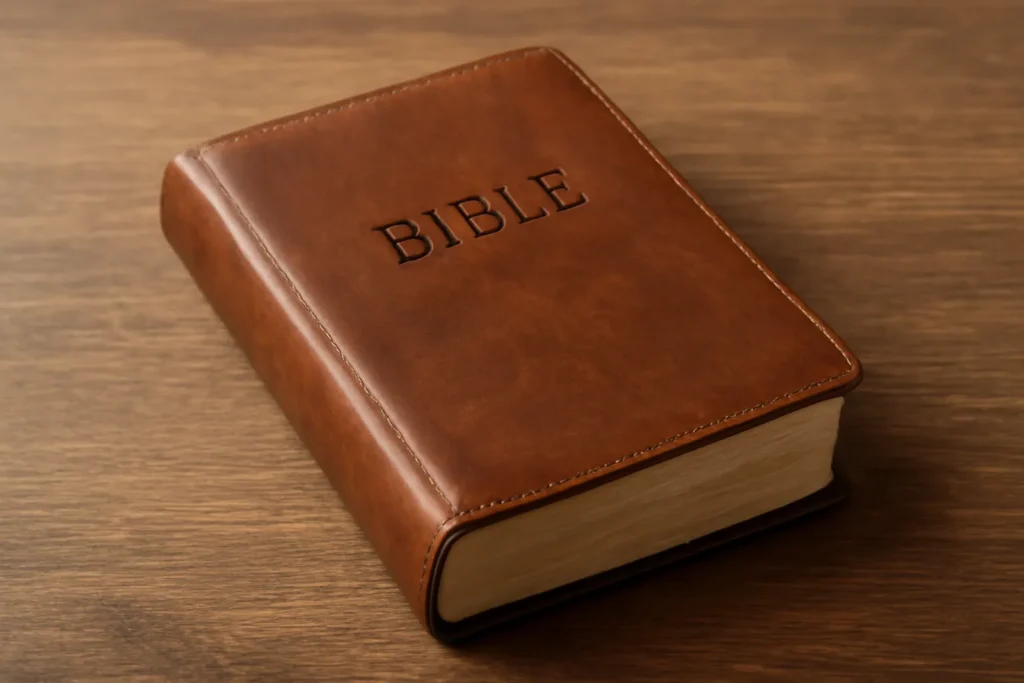
A leather Bible is more than a decorative cover for sacred text. It is a durable companion, designed to endure years of daily use, study, journaling, and personal reflection. Over time, a well-chosen leather-bound Bible can grow more beautiful as the leather patinas, the pages soften, and the edge stitching remains intact. Whether you are seeking a gift for a pastor, a student of theology, or a personal devotional in a more tactile format, a well-made leather-bound scripture edition can elevate the experience of reading and memorizing passages.
In this comprehensive guide, you will find practical advice on selecting the right bound Bible in leather, care tips to keep it in excellent condition, and style picks that showcase how a leather edition can reflect personal taste without compromising readability or value. We’ll explore the most common materials, construction details, and display formats so you can shop confidently — whether you prefer a classic full-grain leather cover, a more economical genuine leather option, or a premium top-grain leather binding with bespoke features.
The backbone of any leather edition Bible is the cover material. The three most common categories you will encounter are full-grain leather, top-grain leather, and genuine leather (also called corrected grain). Each offers a different balance of durability, feel, and price.
Full-grain leather: This is the most durable and longest-lasting option. The grain is intact, meaning you’re seeing the natural texture of the animal hide. Expect greater initial stiffness, a richer patina over time, and improved resistance to wear. It ages gracefully and often becomes more supple with use.
Top-grain leather: Slightly more processed than full-grain, with the top layer sanded or shaved to remove imperfections. It still offers excellent durability and a refined look, with a smoother feel and typically lower cost than full-grain.
Genuine leather (corrected grain): This category covers leather that has been corrected or treated to even out texture. It is generally the most affordable option in a leather edition Bible, but may show wear more quickly and has a less distinctive patina.
In addition to the grain category, you will encounter various finishes. Some are pigmented or coated to create a uniform color and add scratch resistance, while others are aniline or semi-aniline, allowing the natural grain to show more visibly. For many readers, a polished or glossed finish provides a formal look, whereas a matte or semi-gloss finish offers a more understated aesthetic that hides fingerprints and scuffs better.
It is worth noting that vegan leather is sometimes offered as an alternative in the market. While these options can provide a similar appearance and feel, they are not real animal hide. If your priority is traditional, long-lasting leather, focus on authentic materials described above. If your priority is sustainability or vegan options, look for brands that clearly disclose their materials and ethical practices.
Cover construction, binding, and durability
A high-quality leather-bound Bible typically features more thoughtful construction than a mass-market edition. You’ll want to consider:
Binding method: Smyth-sewn or other hand-stitched bindings are the gold standard for longevity because they allow the book to lie flat and withstand repeated use. Some editions use glue-bound or non-stitch bindings, which may be less durable over decades.
Edge finishing: Bindings with edge painting or edgelined corners help protect the cover and extend the life of the leather along the edges.
Spine and corners: Reinforced spine and rounded corners reduce wear where the Bible is most frequently handled.
Board strength: A stiffer or thicker board under the leather cover provides structure that resists bending and creasing during daily handling.
Consider the size and layout in tandem with the cover. A larger, single-column layout may pair well with a sturdy, richly textured binding, while a compact, two-column layout with generous margins can be easier to read in tight spaces and during travel.
Size, layout, and readability
When evaluating a leather Bible edition, the size of the text and the arrangement of the pages matter as much as the cover. Key considerations include:
Font size and line spacing: For readability, especially in study or teaching contexts, a font size of at least 9–11 points is common for standard-sized Bibles. Larger print editions are available for convenience.
Verse format: Some readers prefer a two-column layout for parallel reading, while others favor a single-column setup for a continuous scripture flow. Additionally, consider whether the edition uses cross-references in the margins or a separate index.
Margins: Generous margins invite Bible journaling, note-taking, and personal reflections. If you want to write in the Bible itself, thicker margins can accommodate your annotations without crowding the text.
Ribbons: Some leather volumes include bookmarks—one or more ribbon markers—to help you mark focal passages or ongoing study sections without folding pages.
A good leather edition Bible should feel balanced: it should be comfortable to hold, lay flat on a desk for study, and be manageable in a bag or backpack for travel or fieldwork.
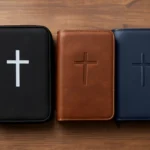
Leather develops a unique patina over time. The color can deepen, the grain may become more pronounced, and the leather will soften with use. If you value a darker, richer appearance with age, a natural or earthy tone is a classic choice. If you prefer a contemporary aesthetic, consider a cool gray, deep burgundy, or navy option. It’s helpful to inspect the finish and colorfastness before purchase, especially if you anticipate exposure to sunlight, humidity, or frequent handling.
Some readers note a subtle leather scent when they first open a new leather-bound scripture edition. This aroma generally fades over time, but it can be part of the initial sensory appeal for collectors and first-time buyers.
For many purchasers, the ethical footprint of a leather Bible matters as much as the aesthetics. Look for:
Vegetable-tanned leather or other environmentally conscious tanning methods, which can reduce the use of toxic chemicals compared to chrome tanning.
Clear brand transparency about sourcing, supply chain, and animal welfare standards.
Reputable brands that provide robust warranty and repair options, ensuring the durability of your purchase and a longer lifecycle.
If you are unsure about a particular edition, read customer reviews focusing on real-world durability, the quality of the stitching, and how the leather ages under regular use.
Budgeting and where to buy
The price range for leather-bound Bibles can be broad, reflecting leather quality, binding methods, and included study aids. Typical tiers include:
Entry-level(roughly $40–$120) featuring genuine leather with standard binding and print quality suitable for daily use or gifting to new readers.
Mid-range(roughly $120–$300) with top-grain or full-grain leather, improved binding, better paper, and often added features like ribbons and larger print.
Premium($300 and up) offering full-grain leather, Smyth-sewn binding, edge-finishing, larger format or lavish presentation, and customization options such as embossing and foil stamping.
Where to purchase matters as well. Consider:
Publisher or official retailers for guaranteed authenticity and support.
Independent bookstores or Christian gift shops with staff who can provide hands-on advice.
Online retailers offering a wide selection, but check return policies and inspect photos for stitching and edge finishes.
If you plan to customize, verify the availability of personalization options such as name embossing or custom color choices before placing your order.
Choosing by use-case: devotional, study, and journaling
Different use-cases guide your selection:
Devotional or sermon prep: Look for a readable layout, comfortable font size, and durable binding. A single-column format with generous margins can support mention-worthy annotations.
In-depth study: Favor a two-column layout or a reference edition with cross-references, a reliable index, and space for notes. A thicker spine and reinforced corners help with frequent opening and closing.
Journaling and personal notes: Choose a Bible with wide margins or a dedicated journaling Bible format in leather, which invites your reflections and artful notes without crowding the script.
Travel and portability: A compact, lightweight leather edition with a flexible binding makes sense for travel or fieldwork. Ensure readability in various lighting conditions and find a cover that protects the pages.
In all cases, a leather cover should feel like a natural extension of your daily practice—supportive, not distracting, and worthy of frequent use.
Before we move to care specifics, note that a responsible buyer considers the long-term maintenance of a leather edition Bible as part of the initial decision. A little care goes a long way toward preserving color, grain, and overall structure.
Protection: When not in use, keep the Bible away from direct sunlight and extreme heat, which can cause fading and cracking.
Handling: Clean hands and clean surfaces reduce oil and dirt transfer to the leather cover and pages.
Storage: Store upright in a cool, dry place, ideally in a protective sleeve or box to guard against dust and accidental moisture.
Regular inspection: Check for loose stitching, edge wear, or corner fraying, and address early to avoid bigger problems.
Care Tips for Leather Bibles and Leather-Bound Scripture
Daily and week-to-week care
A routine approach keeps your leather-bound Bible looking and functioning like new for years. Simple habits can prevent most common issues.
Wipe gently with a dry microfiber cloth to remove dust after use. Avoid pressing or rubbing too hard on the cover, which can cause surface wear.
Keep hands clean before handling to minimize the transfer of oils and skin acids that can darken or dry the leather.
Support the spine when opening the Bible. Let it lie flat gradually to prevent stress on the binding.
Protect from moisture: Liquid exposure can warp pages and cause leather to swell. If a spill occurs, blot immediately with a clean, dry cloth and air-dry away from heat sources.
Cleaning and conditioning
For more thorough care, use products designed specifically for leather, and choose those appropriate for genuine, top-grain, or full-grain leathers. Always test any product on a hidden area first.
Cleaning: Use a damp cloth with a very mild soap or leather cleaner if needed. Do not over-wet the leather; excess moisture can damage both the cover and the pages.
Conditioning: Apply a small amount of leather conditioner or leather balm formulated for finished hides. Work in small circular motions and allow time to absorb before buffing gently with a clean cloth.
Frequency: In dry climates or with heavy use, conditioning every 3–6 months is common. In humid climates, you may reduce frequency to avoid over-saturation.
Avoid: Petroleum-based products, solvents, or boot-polish-like products can dry or discolor leather and should be avoided unless recommended by the brand.
Storage, protection, and travel
Proper storage protects your leather edition from unnecessary wear. Consider:
Dust jackets or sleeves for travel or display, which help prevent scuffs and sunlight exposure.
Stand or shelf placement: Keep the Bible on a shelf where it can stand upright or lie flat without leaning against other heavy objects that might warp the cover.
Humidity control: Ideal relative humidity is around 40–50%. Use a dehumidifier in damp environments to prevent leather from becoming moldy or stiff.
Repair and professional care
If you encounter significant wear—such as loose stitching, cracked leather, or detached cover boards—consider professional repair. A skilled bookbinder can resew bindings, reseal joints, and restore leather, extending the life of your leather-bound Bible beyond what DIY fixes can achieve.
For special editions with value or sentimental meaning, routine professional maintenance every few years can be a wise investment.
Style Picks and Inspiration: Leather Bible Editions for Every Taste
Timeless classics: traditional tones and premium feel
If your goal is a classic, enduring look, choose a full-grain leather cover in a timeless tone such as deep brown, mahogany, or black. These colors age gracefully and pair well with leather goods, journals, and other personal items.
Classic two-column layouts with generous margins for note-taking, cross-references in the margins, and a sturdy Smyth-sewn binding for daily use.
Deluxe edge finishing to resist scuffs along the corners and a refined feel in the hand.
Premium presentation with gold or silver foil stamping for name or a short inscription, making them excellent gifts.
Modern minimalist: clean lines, subtle branding
For readers who prefer a sleek, contemporary aesthetic, look for a top-grain leather cover with a minimal logo, a smooth surface, and a matte or satin finish. These editions often emphasize readability and portability.
Single-column layouts with generous line spacing, designed for distraction-free reading and easier journaling in the margins.
Lightweight construction ideal for travel, study groups, or daily commutes.
Discrete personalization options, such as subtle debossing or a small, tasteful engraving, for a personal touch without ostentation.
Journaling and study editions: margins that invite reflection
If you plan to annotate, highlight, and reflect, a leather Journal Bible or a study edition with wide margins is ideal. Look for:
Generous margins that support notes, drawings, and cross-references without crowding the scripture text.
Ribbon markers for fast reference and sectioning of devotional material.
Durable binding with a leather cover that resists backbend and crease, preserving margins and annotations over time.
Compact, pocket, and travel-ready editions
For those who want scripture on the go, pocket-sized leather editions offer portability without sacrificing readability. Key considerations include print quality and a cover that remains durable in a bag or coat pocket.
Slim profiles with a minimized footprint and efficient use of space inside.
Sturdy chains or clasp options or protective sleeves that guard the leather from wear in transit.
Accessible font sizes and legible layout so you can read comfortably anywhere.
A leather edition Bible makes a thoughtful and lasting gift. Consider:
Engraved name or monogram on the cover for a personal touch.
Sleeves and gift boxes with a matching leather finish for a cohesive presentation.
Edition notes in a leather sleeve or accompanying booklet that explains the edition’s features, layout, and care instructions.
When selecting a gift, pair the book with a soft cloth for care and a small bottle of leather conditioner to help the recipient begin their journey with the Bible in a beautiful, durable form.
Final thoughts: maximizing value and enjoyment with a leather Bible
A well-chosen leather Bible represents more than a text; it is a daily companion, a study tool, and a personal legacy. By understanding the nuances of leather types, binding quality, and layout options, you can select an edition that stays with you for decades. The combination of durable cover material, a robust binding format, and features that support reading and journaling makes the decision worthwhile for anyone serious about scripture study and personal devotion.
Remember that care unlocks longevity. A few simple practices—cleaning with appropriate products, conditioning sparingly, and storing in a protective environment—will help your leather edition Bible retain its beauty and flexibility. In time, the leather cover takes on a warm glow, the pages become more supple, and the edition becomes a cherished artifact that accompanies your faith journey.
Whether you call it a leather-bound Holy Bible, a leather-bound scripture edition, or simply a leather edition, your choice should reflect your goals as a reader, learner, and observer of your own spiritual practice. With the right selection, your leather-bound Bible can be a source of inspiration, discipline, and solace for many years to come.









Leave a Reply