Overview: The First Holy Communion as a Milestone in Faith
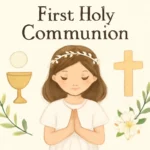
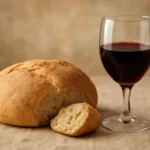
The First Holy Communion marks a pivotal moment in a Catholic child’s spiritual life. It is not merely a ceremony or a social milestone; it is the moment when a person first receives the Eucharist, the true and substantial presence of Christ under the appearances of bread and wine. This guide, often called the First Eucharist or First Communion guide, explores preparation, the meaning behind the rite, and the rich tapestry of accompanying traditions. It is designed for families, catechists, pastors, and parish communities who accompany children and young people as they learn to participate fully and reverently in this central sacrament of Catholic life. In this article you will find practical steps for preparation, theological context, liturgical details, and cultural customs that illuminate why the First Holy Communion matters now and for the rest of a person’s life of faith.
Theological Foundations: Why the First Eucharist Matters
To understand the significance of the First Holy Communion, it is essential to consider its doctrinal roots. In Catholic teaching, the Eucharist is the culmination of the sacraments of Initiation, uniting the believer with Christ and with the Church. The Church teaches that the “most blessed sacrament” is truly the Body and Blood of Christ, even after consecration, and that the faithful receive Christ in a real and personal way when they approach the Blessed Sacrament with faith and reverence. The preparation for this moment invites a child to encounter the mystery of faith with a sense of awe, devotion, and obedience to the Lord who invites us to eat and drink in His Kingdom.
Key ideas to keep in mind include the following:
Grace and formation: The First Communion is both a grace and a process of catechesis that helps the newly prepared believer understand and live out what they are about to receive.
Union with Christ: Receiving the Eucharist is a “receiving” of Christ Himself, who nourishes the soul and unites the believer more closely to Him.
Communion with the Church: The Eucharist is also a sign of unity within the Body of Christ, linking the communicant to the entire Catholic community, past and present.
Hope for lifelong nourishment: The First Holy Communion is a starting point for ongoing growth in virtue, prayer, and sacramental life.
In Catholic discourse and common devotional practice, several terms refer to the same event or closely related experiences. These variations can help communicate nuances in different contexts:
First Communion – The shorthand most commonly used by families, catechists, and parish staff.
First Holy Communion – Emphasizes the sacramental aspect of the event and its sacred status.
First Eucharist – Highlights the Eucharistic dimension and theological significance of receiving the Body and Blood of Christ.
First Sacrament of the Eucharist – A formal description that situates the event within the broader sequence of sacraments of initiation.
Eucharistic reception or Reception of the Eucharist – Focuses on the act of receiving Communion.
Holy Communion for the first time – A phrase that emphasizes the experiential moment of initiation into this lifelong practice.
Preparing for the First Holy Communion: A Step-by-Step Plan
Preparation for the First Holy Communion typically unfolds over a period of months and includes catechesis, sacramental reconciliation, and liturgical practice. The plan below is designed to be flexible enough to fit different diocesan guidelines while remaining thorough and nurturing for families.
A well-structured catechetical program builds knowledge about the Eucharist, the Mass, prayer, and the Church’s teaching on faith and morals. Topics commonly covered include:
The Real Presence of Christ in the Eucharist
The Mass as the source and summit of Christian life
The difference between ordinary bread and the consecrated host
The link between confession (Reconciliation) and reception of the Eucharist
The meaning of adoration and reverence before the Blessed Sacrament
In most traditions, a child preparing for the First Eucharist should receive the sacrament of Reconciliation beforehand. This is often described as a prerequisite, not to punish or shame, but to prepare the heart to receive Christ worthily.:
Explain the Act of Contrition and what sin is in a child-friendly way.
Provide opportunities for sincere, age-appropriate confession and guidance from a priest or parish mentor.
Encourage ongoing examination of conscience, humility, and a desire for reconciliation as a regular practice well beyond the ceremony.
3) Participation and Livelihood of the Liturgy
Participation in the liturgy is essential. Children should learn how to walk with dignity to the pew, respond to responses with proper reverence, and gather with the community for the celebration. A practical approach includes:
Practice the response to the prayers and the penitential rite (if applicable) during Mass
Learn to approach the altar with reverence and to receive the host on the tongue or in the hand, as guided by their diocese
Develop a routine for fasting before receiving the Eucharist (generally one hour for food and drink, except water)
4) Sponsor or Godparent Roles
In many communities, a sponsor or godparent accompanies a child on the journey to the First Holy Communion, offering spiritual support and modeling a life of faith. Responsibilities often include:
Participating in catechesis discussions and attending important Masses
Providing encouragement, prayer, and practical help in preparing for the reception
Assisting the child in celebrating the sacrament with proper reverence and gratitude
Families play a critical role in shaping attitudes toward the Eucharist. Some practical steps include:
Reading kid-friendly Church materials about the First Eucharist and continuing catechesis at home
Attending weekday or Sunday Mass together to foster a sense of liturgical rhythm
Praying together as a family before meals and before the First Communion liturgy
6) Practical Preparations for the Day
Beyond spiritual preparation, practical steps help the day run smoothly and with dignity. Consider the following:
Attire that is modest and respectful: white or light-colored dresses for girls, suits or dressy outfits for boys
Arrangements for transportation, seating, and reception with family and friends
A plan for post-Communion time of quiet prayer or reflection in the church or parish hall
The Rite Itself: The First Holy Communion Liturgy
The liturgical celebration surrounding the First Holy Communion is carefully structured to emphasize reverence, gratitude, and the mystery of the Eucharist. The exact order may vary by diocese or parish, but several common elements typically appear. This section outlines an overview of what families and participants can expect during the celebration.
Core Elements of the Ceremony
Proclamation of the Word: A reading from Scripture sets the stage for the encounter with Christ.
Liturgy of the Eucharist: The consecration and reception of the Eucharist follow the obedience and faith of the community.
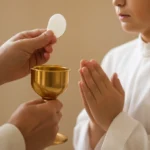
Reception of the Eucharist: The celebrant distributes the blessed host, and communicants respond with reverence.
Post-Communion Prayer: A moment of thanksgiving, often including a prayer of gratitude for the gift of Christ in the Eucharist.
Rite of Preparation and Reception
Before approaching the table of the Lord, the child typically remains with the community in the pews or walks forward in a brief procession to receive the host. Depending on local customs, a child may:
Approach with hands cupped or by mouth in reverent reception
Receive the host directly on the tongue or in the hands, in line with diocesan norms
Offer a simple gesture of prayer after receiving the Eucharist, such as a brief bow or a personal moment of thanksgiving
Communion Etiquette and Reverence
Observing proper etiquette communicates respect for the sacred mystery being celebrated. These practices include:
Maintaining a quiet, prayerful demeanor during the distribution of the Eucharist
Acknowledging the real presence of Christ with a heart of faith, not merely a social exchange
Engaging in a short or personal act of thanksgiving after Communion, such as a brief prayer or quiet reflection
Traditions and Customs Associated with the First Holy Communion
Across cultures and regions, communities celebrate the First Eucharist with distinctive customs that enrich the experience while preserving sacred meaning. These traditions, when approached with reverence, help families incorporate faith into daily life beyond the ceremony.
White garments and modest dress symbolize purity and new life in Christ. For many, girls wear white dresses and veils, while boys wear suits or dress shirts and ties.
Holy cards or bookmarks that capture the date and key prayers can serve as a lifelong reminder of the event.
Special processions or a short moment of prayer in the church before or after Mass to anchor the day in gratitude
Family meals or small gatherings to celebrate the grace received in the Eucharist, with a focus on prayer and reflection
Patron Saints and Spiritual Mentors
Some families choose to emphasize a particular patron saint or guardian angel who can accompany the child on their faith journey. This practice can include drawing inspiration from the saint’s life and virtues, praying for intercession, and incorporating related devotional practices in family life.
Traditions of Sponsorship
In many communities, the sponsor or godparent plays an active role during catechesis and the celebration itself. They might:
Assist in teaching and prayer time
Stand with the child for the important moments of the Rite
Offer ongoing spiritual support as the child grows in faith
Receiving the First Eucharist is not the conclusion of spiritual formation; it is a gateway to a lifelong journey of faith, prayer, and service. In the days, weeks, and years after the initial celebration, families and parishes can foster continued growth by focusing on the following areas.
Continued Participation in Mass
After the First Communion, children are encouraged to participate more fully in the Mass. This includes:
Active listening to the readings and homily
Participation in the responses, prayers, and sang provisions of the Mass
Frequent reception of the Eucharist in accordance with church guidelines
Regular Confession and Spiritual Renewal
Reconciliation is a precious ongoing practice that helps maintain a healthy relationship with God. In the wake of the First Communion, families may:
Schedule regular opportunities for confession
Engage in personal examination of conscience with appropriate guidance
Teach children how to seek forgiveness and cultivate virtue in daily life
Prayer Life and Devotion
A robust prayer life deepens the experience of the Eucharist and fosters interior transformation. Helpful practices include:
Daily family prayers or a short prayer routine
Private devotional time, such as saying the Rosary, the Divine Mercy chaplet, or simple evening prayers
Devotion to the Blessed Sacrament, including practical acts like adoration when available
Many families have practical questions about timing, preparation, and the nature of the ceremony. Here are some common concerns and thoughtful answers to guide planning and understanding.
At what age do children typically receive their First Eucharist?
There is variation by country and diocese, but many Catholic parishes teach the First Holy Communion around the age of seven or eight, corresponding to the age of reason and a basic understanding of the Eucharist. Some places offer a precocious celebration for older children who have not yet celebrated the sacrament, while others schedule it as part of a larger program for first rites of Initiation. Always consult your local parish for specific guidelines.
Is Reconciliation required before the First Communion?
In most Catholic traditions, Reconciliation is strongly encouraged before the First Communion to prepare the child to receive the Eucharist worthily. The goal is not punishment, but healing, conversion, and a joyful reception of grace. If there are special circumstances, a priest or catechetical director can provide personalized guidance.
Can non-Catholics participate in the First Eucharist?
In the Catholic Church, the Eucharist is rightly offered to Catholics in a state of grace who are properly disposed and prepared by preceding sacramental life. Some parishes may offer a blessing to non-Catholics accompanying the family during the rite, but the host is typically reserved for baptized Catholics in full communion with the Church. Always follow the guidance of your parish and bishop.
What about dietary restrictions or spiritual preparation?
The Church teaches that the Eucharist is a sign of unity in faith. If there are dietary concerns, communicants should consult with the presiding priest to determine appropriate arrangements or accommodations. In addition to the sacramental preparation, spiritual studies, and personal prayer help deepen readiness for the encounter with Christ.
While the ceremony is a moment, its impact should endure across years and generations. The First Eucharist is a lifelong invitation to maturity in faith, charity, and service. It forms a bridge between childhood formation and adult discipleship, a turning point where a child begins to internalize and practice the mystery they have encountered.
Spiritual Transformation and Growth
The moment of the First Holy Communion can awaken a deeper hunger for prayer, stillness before the Blessed Sacrament, and an understanding of the Eucharist as the source of strength for daily life. The experience can nurture:
Greater attentiveness to sacred mysteries in Mass
A growing reverence for the sanctity of the body and life
Love for the poor and a desire to share gifts with others as acts of gratitude
Formation into a Missional Life
Receiving the Eucharist anchors a disciple’s daily life in Christ and invites service to neighbors. The First Communion is often accompanied by a family commitment to small acts of service, generosity, and liturgical witness that extend beyond the church walls.
Continuing Education and Faith Formation
As children mature, the Church encourages ongoing catechesis, including doctrinal study, liturgical formation, and practical discipleship. Parishes often offer youth groups, confirmation preparation, and school-based faith formation that continue the trajectory started by the First Communion.
There are several common myths surrounding the First Holy Communion that can create confusion for families. Clearing these up helps ensure the celebration remains faithful and meaningful.
Misconception: “This is just a party.” Clarification: The First Communion is a sacred sacramental milestone, not merely a celebration. The liturgy, prayer, and catechesis surrounding it are essential to its meaning.
Misconception: “Anyone can receive.” Clarification: The sacrament is intended for those who have received proper catechesis, are in a state of grace (not consciously in mortal sin), and seek to receive Christ in faith, with appropriate disposition and preparation.
Misconception: “It’s only for girls or only for boys.” Clarification: The First Eucharist is a universal rite for children who are prepared, regardless of gender, and the accompanying rites reflect a shared sense of faith in the community.
Misconception: “It replaces Reconciliation.” Clarification: Reconciliation and the First Communion are distinct sacraments with complementary roles in the life of a believer. Reconciliation prepares the heart to receive the Eucharist with grace.
Many dioceses provide comprehensive guides, handbooks, and curricula to support families and catechists preparing for the First Holy Communion. Below are general types of resources that are commonly valuable. If you are coordinating a program, consider adapting these to your local context and liturgical norms.
Diocesan catechetical guides explaining the Eucharist, the Mass, and the prerequisites for reception
Family handbooks that include at-home activities, suggested prayers, and timelines
Prayer cards or booklets focused on the Real Presence and Eucharistic devotion
Liturgical practice sheets for children to prepare their posture, responses, and reverence during Mass
Guides for sponsors and godparents outlining their roles and responsibilities
The First Holy Communion is a foundational rite that marks the start of a lifelong relationship with Christ in the Eucharist. It is a moment of grace that invites families to cultivate a culture of faith within the home and to strengthen the faith of the broader community. While the ceremony itself is deeply meaningful, its lasting gift is the invitation to live in closer communion with Christ, the Church, and one’s neighbor, nourished continually by prayer, confession, and the practice of charity. Whether you call it the First Communion, the First Eucharist, or the First Holy Communion rite, the essential truth remains the same: Christ invites his children to receive Him with faith, gratitude, and a readiness to grow in holiness. May all who prepare for this sacred milestone encounter the Lord in a way that transforms them for life.