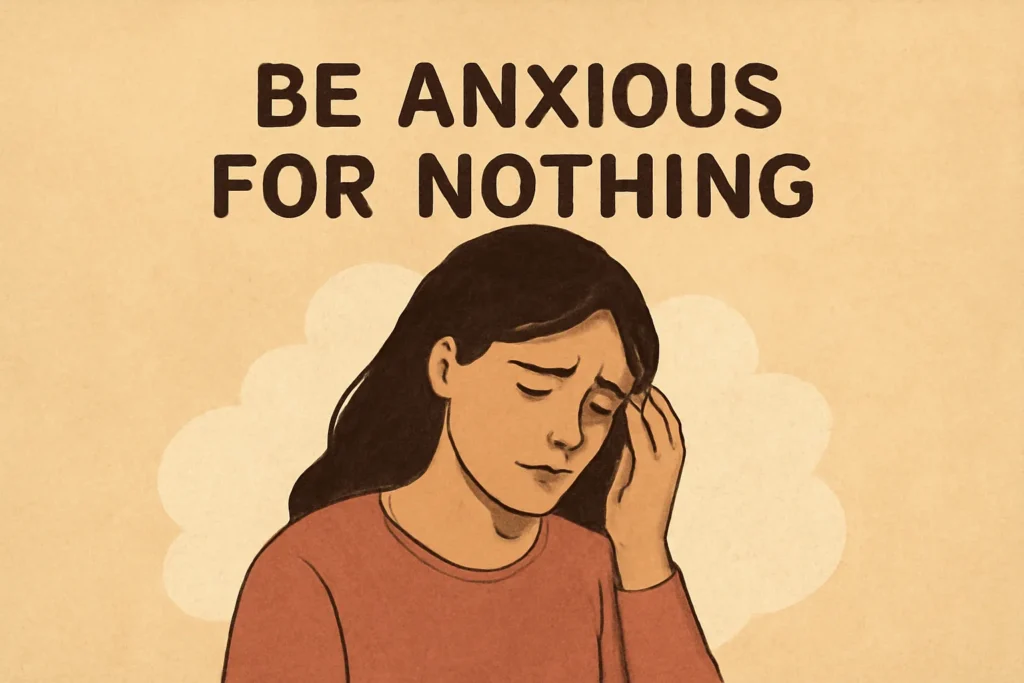
Be Anxious for Nothing Bible Verse: Discover Peace Through Philippians 4:6-7
In a world saturated with deadlines, doubts, and daily pressures, many people search for a reliable source of calm. The biblical invitation to avoid anxiety and to replace worry with a posture of faith appears in the apostle Paul’s letter to the Philippians. The verses commonly cited as a gateway to inward peace are Philippians 4:6-7. While different Bible translations render the wording with small variations, the core message remains strikingly consistent: do not be anxious about anything, but in every situation present your requests to God with prayer and thanksgiving, and you will experience the peace of God that surpasses human understanding, guarding your hearts and minds in Christ Jesus.
This article is a comprehensive guide to understanding the depth and application of that message. We’ll explore historical context, theological significance, practical steps for living out the verse, and how people from different walks of life can experience genuine inner peace through a cultivated spiritual practice. Along the way, you’ll encounter variations on the phrase be anxious for nothing that appear in literature, sermons, and devotional writings, helping to expand the semantic breadth and accessibility of the idea.
Historical context: Philippians, a letter of encouragement
To understand Philippians 4:6-7, it helps to place it within its historical and literary context. The apostle Paul wrote this letter to a Christian community in Philippi that faced social pressure, persecution, and the everyday challenges of life in the first century. Rather than addressing a single crisis, Paul offers a pattern for cultivating spiritual steadiness regardless of external circumstances. The surrounding verses celebrate joy in the gospel, a spirit of unity, and the disciplined rhythms of prayer and thanksgiving. In this light, the admonition not to worry about anything emerges as part of a larger ethical and spiritual training that centers on trust in God and a hopeful expectation of divine provision.
For readers today, the Philippians 4:6-7 passage can be read as a template for handling stress, grief, fear, or uncertainty. It invites believers to reframe anxious thoughts by redirecting attention toward prayer, gratitude, and worship. Though the historical setting is distant, the underlying human experience—fear, longing, and the desire for security—remains universal. This bridge between ancient text and modern life is one of the reasons the verses continue to be a source of guidance and solace for many readers around the world.
Several core ideas stand out when you study Philippians 4:6-7. In this section, we unpack the essential commands and their intended effects on the heart and mind.
“Do not be anxious about anything” — A call to suspend constant worry. This is not a denial of concerns but a discernment: worry should not own us; trust should guide us.
“But in every situation, by prayer and petition, with thanksgiving” — A practice of bringing needs to God through specific, ongoing, and grateful communication.
“Present your requests to God” — An active, relational act: bringing real-life needs into the dynamic relationship with the divine.
“And the peace of God, which transcends all understanding, will guard your hearts and your minds in Christ Jesus” — A promise of inner transformation: peace that outstrips human logic and provides protective custody over emotional and cognitive life.
Across translations, the structure remains: a prohibition against anxious living, a prescription for prayerful living, and a blessed outcome: a deep, resilient peace. The language emphasizes both action and receptivity: one must actively pray; one must also be open to the peace that results from a closer alignment with God’s purposes. In theological terms, this is often described as the peace of God acting as a divine safeguard for the heart and mind, especially when external factors are unsettled.
For readers who want a concise take-away, consider this paraphrase: When worry arises, respond with prayer and gratitude, entrust your needs to God, and you will receive God’s peace as a protective inner calm that holds your heart steady. This paraphrase helps in daily practice while remaining faithful to the spirit of the original message.
How to interpret “be anxious for nothing” in daily life
Interpretation matters because it shapes how we live out our faith in concrete ways. Here are several layers of meaning embedded in the exhortation to avoid excessive worry:
Worry as a spiritual and emotional risk: Excessive anxiety can become a distraction from trust, gratitude, and action. The verse invites you to recognize when worry is unproductive and to pivot toward Godward practices that restore perspective.
Worry as practical bandwidth: There are legitimate concerns that require planning and effort. The passage does not call one to paralysis; rather, it calls for letting concern be channeled through prayer and purposeful steps rather than dwelling in rumination.
Worry as a signal: Anxiety can signal areas where we need support, boundaries, or spiritual maturity. The call to bring these signals to God invites a reorientation toward dependence and community.
Worry as a companion to faith: The practice of prayer in the midst of worry can deepen faith, giving a sense of companionship with a benevolent, attentive God who invites honesty and vulnerability.
Practical steps to apply Philippians 4:6-7 in everyday life
The verses offer a practical pathway for turning theory into action. Here are a set of steps you can adopt, either as daily habits or as needed in moments of high stress.
Notice and name anxiety: Recognize the thoughts and emotions that surface when you feel overwhelmed. Labeling them helps you begin the process of responding rather than reacting.
Pray with specificity: Bring concrete concerns before God. Rather than vague “please help me,” articulate your needs, questions, and fears in a way that makes sense to you and to God.
Include thanksgiving: Even in difficult circumstances, identify aspects of life you’re grateful for. Gratitude recalibrates the heart and opens space for hope to arise.
Invite God’s peace as a present reality: Enter into a posture of trust, choosing to accept a sense of divine calm as you continue to live with your concerns in view.
Act with intentionality: Move from prayer to practical steps—seek counsel, make plans, and take small, wise actions toward relief or resolution.
Seek community and accountability: Share your concerns with trusted friends, mentors, or faith communities. Mutual support reinforces resilience and reduces isolation.
Return to remembrance: Revisit the prayer pattern regularly, especially when the same anxieties reemerge. Consistency compounds spiritual growth over time.
These steps are not formulaic magic but a way of aligning daily life with a faithful worldview. The goal is not to eliminate all worry instantly but to transform how we respond to it, so that our first impulse is not fear but prayer, gratitude, and wise action.
Be anxious for nothing in different life situations
People encounter anxiety in varied contexts—school and career pressures, family responsibilities, health concerns, financial uncertainties, and existential questions about meaning. The following scenarios illustrate how the be anxious for nothing mindset can be applied across life stages and circumstances:
Students: In the midst of exams, deadlines, and social expectations, students can practice a structured routine of prayerful reflection, study planning, and peer support to maintain balance and confidence.
Parents and caregivers: Balancing family needs, work, and self-care can generate constant loops of worry. A focused approach—prioritizing essential tasks, delegating, and praying for wisdom—helps maintain steadiness for both adults and children.
Professionals and leaders: Workplace stress, performance metrics, and decisions with wide impact can be navigated with a habit of seeking guidance, inviting feedback, and integrating gratitude into daily routines.
Health challenges: When illness arises, the practice of presenting concerns to God, while seeking competent medical care and social support, fosters resilience and reduces the sense of isolation.
Transitions and uncertainty: Relocation, job changes, or shifts in relationship status can trigger anxiety. Framing these changes within a prayerful discernment process helps maintain hope and direction.
Across these examples, the central principle remains: do not let worry dominate your life, but instead cultivate spaces where prayer, gratitude, and wise action coexist with the realities of daily living.
Prayers and spiritual disciplines that support peace
Prayer is not a magical formula but a relational practice. The following spiritual disciplines can help reinforce the message of Philippians 4:6-7 and facilitate a sustained sense of inner peace:
Breath prayer: A simple, repetitive prayer paired with slow, intentional breathing to settle the nervous system and focus attention on the divine presence.
Journaling: Writing about worries, questions, and hopes can provide clarity, release, and gratitude. Journaling creates a record of growth and a way to trace patterns over time.
Scripture meditation: Contemplative reading of short passages (including variants of this verse) to deepen trust and calm the mind.
Thanksgiving routines: Regularly listing things you’re grateful for strengthens resilience and shifts the focus from fear to gratitude.
Community prayer: Shared prayer with family, friends, or faith communities fosters solidarity and reminds you that you are not alone in your struggles.
These practices are best used as a compassionate toolkit rather than a rigid protocol. Your pace, temperament, and life context will shape which disciplines are most effective.
Addressing common questions and misconceptions
As readers engage with the be anxious for nothing message, several questions often arise. Here are some common concerns, along with thoughtful clarifications.
Does this verse encourage passivity? Not at all. It invites faithful action and prudent planning while reframing worry as a driver toward prayer and dependence on God, rather than a consuming force that paralyzes action.
Is anxiety sinful? The Bible distinguishes between prudent concern and chronic, consuming worry. The encouragement is to avoid the latter while acknowledging human emotions and seeking healthy, God-honoring responses.
Can I still seek professional help? Yes. The call to prayer does not negate the value of medicine, therapy, or counseling. Spiritual peace often accompanies practical care and expert guidance.
What does “the peace of God” feel like? It may be experienced as a settled confidence, a quiet assurance, or a sense of safety in God’s presence—sometimes gradual and subtle, sometimes profoundly transformative.
These clarifications emphasize that the verse is not a magical guarantee but a relational principle that invites trust, discipline, and community support as part of a holistic approach to life.
How this passage relates to mental health and Christian faith
In contemporary conversations about mental health, faith communities can offer a valuable perspective on anxiety and resilience. Philippians 4:6-7 contributes several important dimensions to this dialogue:
Emphasis on a holistic approach: The verses encourage prayer, gratitude, and practical action, recognizing the interconnectedness of spiritual, emotional, and physical well-being.
Emotional honesty: The call to present requests to God in the midst of anxiety validates the human experience of fear and concern, encouraging openness instead of suppression.
Resource in hardship: The peace described is not merely emotional comfort but a stabilizing force that can sustain individuals through trials, uncertainties, and loss.
Role of community: The path toward peace often involves relationships—whether in prayer groups, counseling partnerships, or supportive networks—that provide accountability and encouragement.
When integrated with modern mental health practices, these biblical principles can enrich a therapeutic or pastoral approach. They offer a framework for understanding distress, cultivating resilience, and fostering a sense of purpose and hope. Importantly, faith-based guidance should complement, not replace, evidence-based care and professional support when needed.
Across centuries, theologians and lay readers have reflected on the mystery of peace described in Philippians 4:6-7. Here are a few reflective prompts and insights to deepen engagement with the text:
Reflection on surrender: Contemplate what it means to surrender plans, fears, and contingencies into the care of a wise and loving God. How does surrender lead to freedom from fear?
Rethinking control: Consider areas of life where you attempt to control outcomes. How could handing over control—without relinquishing responsibility—lead to greater peace?
Gratitude as a spiritual discipline: Examine how a gratitude practice reshapes your landscape of concern. What daily gratitude reduces the grip of anxiety?
Peace as a practice: Treat peace as a practiced virtue that grows with repetition. What small daily rituals help you return to peace when stress returns?
These reflections are not destinations but ongoing journeys. The invitation to live with less worry is a lifelong rhythm that unfolds as you cultivate trust, gratitude, and hopeful action.
Conclusion: cultivating a lifestyle of trust and peace
In its timeless wisdom, the be anxious for nothing directive offers more than a simple instruction. It presents a way of living that acknowledges human fragility while inviting divine strength. By replacing unproductive worry with prayer, gratitude, and constructive action, readers can posture themselves toward a deep, enduring peace that guards the heart and mind. The journey is not a one-time decision but a daily practice—a rhythm of turning from fear toward faith, from hurried thoughts toward contemplative trust, from isolation to community, and from chaos to calm.
As you engage with Philippians 4:6-7, may you discover not only an intellectual assent but a lived reality: a life marked by peaceful resilience, meaningful hope, and a renewed sense of God’s presence in ordinary moments. Whether you are navigating a season of trouble or simply seeking daily ballast against the tide of worry, this biblical invitation remains a reliable compass. Let your response be honest, your steps intentional, and your heart open to the transformative work of peace that surpasses understanding.











Leave a Reply