Candles Christianity: History & Symbolism in Christian Worship
Candles Christianity: History & Symbolism in Christian Worship
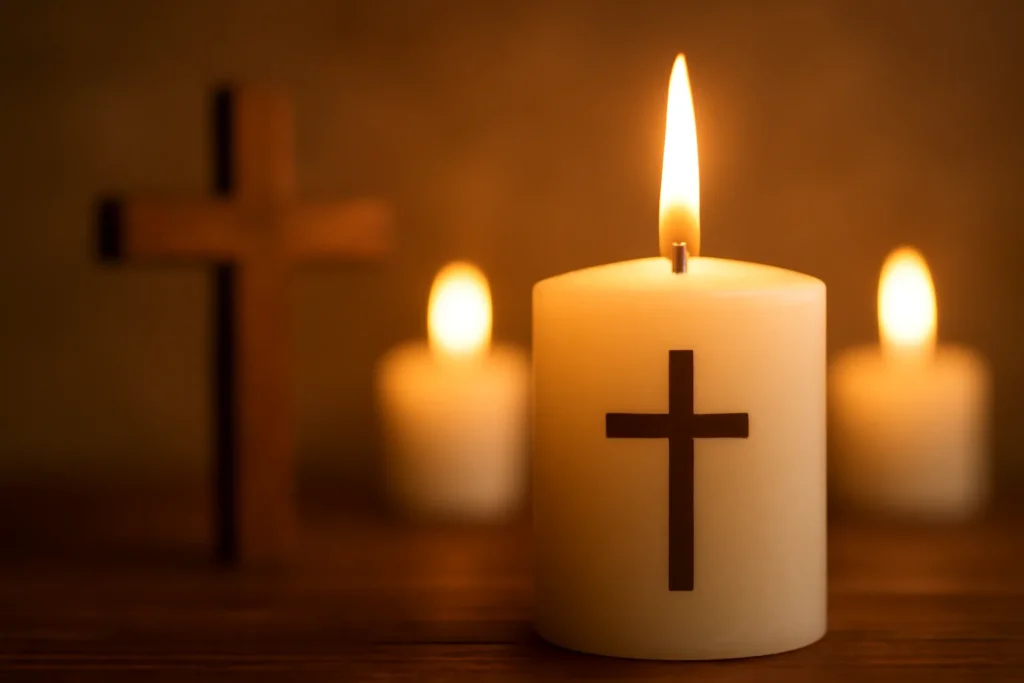
Candles in Christianity have a long and storied history that spans the ancient world to the present day. In discussions of Candles Christianity, scholars and worshippers alike explore not only the practical purpose of lighting spaces but also the deep symbolism that has shaped prayer, liturgy, and devotion. This article, titled Candles Christianity: History & Symbolism in Christian Worship, offers a thorough overview of how candles have been used across Christian traditions, how their forms and meanings have evolved, and why light continues to be a central element in Christian worship and everyday faith. Throughout, the text uses variations of candles, such as candles, candlelight, wax candles, altar candles, votive candles, and Paschal candles, to reflect the breadth of this important topic.
Across centuries, candlelight has been a visible, tactile way to acknowledge the divine presence. In many Christian communities, light is not simply a practical aid to see during rituals; it is a symbolic language that communicates theological truths. The flame can symbolize Christ as the Light of the World, the Holy Spirit, the resurrection, and the sanctification of time within the life of the church. The use of altar candles and other wax candles becomes a multi-sensory invitation to prayer, contemplation, and communal remembrance. This section introduces the core meanings that have shaped the practice of using candles in Christian worship.
Key ideas include:
Light as a visible sign of divine grace and revelation
Light as a symbol of hope, purity, and the cosmic order broken and healed in Christ
Light as a reminder of the enduring presence of God in worship spaces
Light as a call to action—bearing the light of faith into the world
In many denominations, decisions about choice of materials, the number of candles, and the occasions for lighting are shaped by theology, liturgical calendar, and local customs. While the specifics vary, the central idea remains: candles are an outward and visible sign of an inward and spiritual grace, a theme that runs deeply through Christian history.
Origins: From oil lamps to early Christian candles
Early use of light in Christian spaces
In the earliest centuries of the Christian church, communities often worshipped in homes, catacombs, and simple gatherings where oil lamps and torches provided illumination. These sources of light were practical and symbolic at once. Oil lamps, made of metal or clay and fueled by olive oil or similar substances, offered a steady glow that could endure through long prayer services. As Christian communities grew, the need for more durable and transportable light sources led to the adaptation of tools closer to the form of the modern wax candle.
The transition to candle making
The shift from oil lamps to solid candles came gradually as technologies and trade altered the availability of materials such as beeswax, tallow, and later wax blends. Early candlemaking involved simple molds and improvisation, but by the medieval period, communities were producing more standardized candles designed for use in churches and processions. The move toward beeswax candles in particular became associated with purity, color, and a longer burn time, qualities valued in liturgical settings.
Beeswax and the ascent of liturgical candles
Beeswax had a ceremonial prestige in Christian worship because it burns cleanly with little odor, produces a bright and steady flame, and symbolizes a natural, creation-based source of light. In addition to practical advantages, beeswax became a theological symbol in many traditions: the sweetness of beeswax paralleled the sweetness of wisdom and divine grace, and its golden hue was linked to the glory of God. The evolution toward high-quality liturgical candles—especially those used at the altar and in processions—reflected a deeper appreciation for the sacramental nature of light in worship.
In this historical arc, the broader church learned to integrate candles as a standard instrument of worship alongside prayer, Scripture, sacrament, and liturgical chant. The physical presence of a candle could mark sacred time, celebrate feasts, and sanctify spaces in a way that spoken words alone could not.
Materials, craft, and the evolution of Christian candles
Materials and their symbolism
The basic components of traditional Christian candles include a wick and a wax body, with primary materials historically leaning toward beeswax for the most formal uses and paraffin blends or animal fats in other contexts. The wick itself, often cotton or linen, is chosen to achieve a clean burn and steady flame. The materials chosen for liturgical candles carry symbolic weight as well as practical considerations: purity, longevity, and fragrance (or the intentional absence of fragrance) can reflect theological intentions around the mystery of God and the sanctity of the worship space.
Altar candles—placed on or near the altar, central to liturgical celebrations.
Paschal candle—the large, decorated candle used at Easter and throughout the Easter season; its symbolism is central to Christian resurrection theology.
Processional candles—carried by lectors or bishops during processions.
Sanctuary lamp or eternal flame—a continuously burning light near the tabernacle or sanctuary, signifying the presence of the divine.
Votive candles—smaller candles lit by worshippers during personal prayers or intercessions.
The craft of candle making has often been a communal activity, with monasteries, guilds, and parish craftspeople shaping practice in ways that reflected regional customs and theological emphases. Some communities maintain distinct practices around color, fragrance, or decorative elements (such as cross motifs or inscriptions), each chosen to communicate a particular aspect of the faith.
Liturgical uses and symbolism in Christian worship
Paschal candle and Easter symbolism
The Paschal candle stands out as perhaps the most emblematic symbol in Christian candle practice. Traditionally lit for the first time at the Easter Vigil, it remains a focal point of the Easter season and is lit at baptisms and funerals thereafter. The candle’s design often includes symbols such as the Christian monogram Chi-Rho, the year of the celebration, and five piercing crosses representing the wounds of Christ. The light of the Paschal candle, which is traditionally kept near the baptismal font, is a perpetual reminder of the victory of light over darkness and life over death.
Altar candles and processions
Altar candles are integral to the reverent atmosphere of the Eucharist. They help delineate sacred space and can enhance the solemnity of the rite. In many traditions, processions involve processional candles that illuminate the path of clergy and participants, aligning the movement of the liturgy with the symbolism of guiding light. The number and arrangement of these candles can vary, but their function remains to signify reverence, purity, and focus on the central liturgical action.
Votive candles and private devotion
Beyond the public liturgy, votive candles provide a means for personal prayer. Worshippers light a candle for intentions such as healing, peace, or thanksgiving, often placing the flame in a dedicated shrine or stand. The ritual of lighting a votive candle becomes a tangible act of offering where intention and flame meet.
Sanctuary lamps and the presence of God
Many churches maintain a sanctuary lamp or eternal flame beside the tabernacle or sanctuary as a sign that the divine presence is kept within the sacred space. The lit lamp communicates continuity—God’s presence is not confined to moments of worship but remains with the community daily. In Orthodox and Western rites alike, this light serves as a visual reminder of the richness of God’s grac e and the ongoing prayers of the church universal.
Theology of light: Symbolism and Christian understanding
Light as truth, life, and transformation
In Christian theology, light is often linked to truth and revelation. The imagery of Christ as the Light of the World appears in Gospel narratives and creedal formulations, shaping how believers conceive of spiritual awakening and moral clarity. The consumption of candles during worship conveys the idea that faith is something to be carried, not merely observed. Light invites believers to become bearers of truth, compassion, and hope in the surrounding darkness of suffering or persecution.
Light as a sign of sanctification and divine presence
A lit candle in the sanctuary can symbolize sanctification—the act of making something holy through divine grace. The flame, though humble, can be understood as a sign of the Holy Spirit’s activity within the church and within individuals. The ritual of lighting and keeping candles can thus be read as a catechetical act: it teaches that holiness is both a gift and a responsibility, a daily invitation to walk in the light of Christ.
Light, the church, and mission
Communal worship with candles also points to the mission of the church. If the church is called to be a light to the nations, the use of candles in worship becomes a parable in action: a visible signal that faith seeks understanding, solidarity, and outreach. In liturgy, candles can symbolize the church’s call to bring the light of the Gospel to every corner of society—from schools and hospitals to homes and streets.
Regional and denominational practices: Catholic, Orthodox, Anglican, Lutheran, and Protestant uses
Roman Catholic and Eastern Catholic traditions
In the Catholic tradition, candles are used extensively in liturgy. The Paschal candle holds central importance during Easter, while altar candles accompany the celebration of the Eucharist. The sanctuary lamp, usually near the tabernacle, signals that the real Presence resides within. In the Eastern Catholic churches, similar practices exist with small variations in rite and symbolism, reflecting the broader liturgical calendar and the sensibilities of the particular rite (Latin, Byzantine, Alexandrian, etc.).
Eastern Orthodox and Byzantine rites
The Orthodox tradition emphasizes the beauty and reverence of light in liturgy. Churches commonly display multiple candles on icon screens (iconostasis), in front of icons, and during processions. Candles in Orthodox worship often accompany the chanting and incense, creating a sensory tapestry that embodies the mystery of faith and the presence of the divine. The Paschal celebration, with its own distinctive candles and procedures, remains a high point of the annual cycle.
In Anglican and Episcopal settings, candles are central to Eucharistic rites, baptisms, weddings, and funerals. The Paschal candle is used in Easter celebrations, and altar candles mark the sacramental actions within the sanctuary. In many parishes, candlelight is also employed during Advent and Christmas services, with Advent wreaths featuring candles that symbolize expectation and preparation for Christ’s coming.
Lutheran and other Protestant expressions
Within Protestant communities, candle use varies considerably. Some congregations maintain a robust candle liturgy in worship, while others favor less reliance on ritual lighting. When candles appear, they often serve to highlight the scripture readings, the Eucharist, and special services such as weddings and funerals. In reform traditions, the symbolism of light remains meaningful, even if liturgical forms differ from those found in Catholic or Orthodox contexts.
Common themes across traditions
Emphasis on sacred space and the sanctification of time through light
Use of Paschal candles and altar lighting during major rites
Votive practice as a form of personal devotion shared within the community
Ritual practices and seasons: When candles illuminate the liturgical year
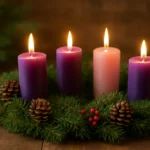
During Advent, many churches incorporate candles into the season’s symbolism of waiting and preparation. The advent wreath—typically a circular arrangement of greenery with four candles—will frequently hold three purple or blue candles and one rose candle, alternating in lighting order across the Sundays. The candles’ glow grows as Christmas approaches, echoing the anticipation of the Nativity and the dawning of the Light of the World.
Lent and Easter
Lent is a season of penitence, reflection, and preparation for Easter. In some communities, the use of candles becomes more restrained, mirroring the somber mood of the season. The Easter Vigil, by contrast, is a high point for candle ritual: the Paschal candle is lit from the new fire and carried into the dark church as the choir proclaims Christ’s victory over sin and death. The ancient symbolism of the flame as a sign of resurrection is reinforced as lights are gradually increased, signaling the new life offered through Christ.
Feasts, memorials, and daily devotion
Beyond the major seasons, candles accompany feast days, saints’ memorials, and daily prayers in many churches. Votive candles are common in chapels dedicated to particular saints or intercessions. The dual purpose of these practices—public devotion and private intention—helps believers engage with liturgy both collectively and individually.
Home devotion and family life
Familial use of candles in homes—such as during prayer times, Bible reading, or meals—extends the symbolism of liturgical light into everyday life. Home worship with candles can create a rhythm of sanctification within the family, marking occasions like birthdays, anniversaries, or moments of gratitude with symbolic brightness and warmth.
Safety, stewardship, and modern considerations
Safety and accessibility
Modern churches and households are increasingly attentive to safety when using flame-based light. Clear visibility of candles, secure holders, and well-ventilated spaces help prevent accidents. Some communities supplement or replace flame with electric or LED candles for safety while preserving the visual and symbolic experience of candlelight. Accessibility concerns—ensuring that prayer areas remain navigable by people with mobility challenges—also guide decisions about candle placement and size.
Environmental considerations have prompted a reexamination of materials and energy use. Ecologically minded congregations may favor renewable, responsibly sourced waxes, or opt for recyclable containers and sustainable packaging for candle supplies. The choice between beeswax and alternative waxes is often discussed in light of both theological symbolism and ecological impact.
Digital and symbolic adaptations
In a digital era, some communities supplement physical candles with virtual or projected light during services, particularly in online worship or hybrid formats. While these adaptations maintain the symbolic meaning of light, they also raise questions about how best to preserve the tactile, sensory dimension of candle-based ritual for future generations.
Iconography and art: Candles as visual theology
Icons, stained glass, and sculpture have long worked in concert with candles to tell the story of salvation. The glow of candles can illuminate sacred images, highlighting scenes from the life of Christ, the Virgin Mary, saints, and church history. In this way, the candle becomes a moving, participatory form of theology that complements reading, preaching, and sacramental action. The interplay of light and shadow can invite contemplation of mysteries that surpass human understanding, such as the Incarnation, the Trinity, and the eschatological hope of the Resurrection.
Artistic traditions connected to candlelit worship
Icon lighting and icon corners where small candles accompany prayer before sacred images
Stained glass windows designed to glow with candlelight during services
Decorative candles in processional implements and liturgical vessels
Practical guidance: Choosing and using candles in worship and devotion
Choosing the right candle
When selecting candles for liturgical use or home devotion, consider size, burn time, wax type, and the symbolism sought. Beeswax candles are often preferred for formal worship because of their clarity of burn and natural scent, while paraffin blends may be chosen for cost-effectiveness and availability. Processional or altar candles typically require a longer burn time and a steady, bright flame to sustain visibility during long rites.
Lighting and extinguishing rituals
Guidelines for lighting and extinguishing candles can vary, but common practices emphasize safety, reverence, and mindfulness. Before lighting, ensure a stable surface, away from flammable materials. Extinguishing is often done with a snuffer to avoid smoke and spatter, followed by prayer or reflection. In many traditions, the act of relighting candles in a service marks a renewal of prayer and commitment.
Etiquette and reverence
Respectful conduct around candles includes avoiding gestures that could cause distraction, keeping flames visible and contained, and maintaining clean, unobstructed spaces around the candles. For home settings, candles are frequently used during prayer and meditation, with family members taking turns leading readings or prayers as a way to cultivate a shared spiritual practice.
Common types and their uses
Altar candles for the liturgy
Paschal candle for Easter and baptisms
Processional candles for processions
Votive candles for private intentions
Sanctuary lamps for the ongoing presence of God
Conclusion: The enduring significance of candles in Christian worship
From the earliest Christian communities, the use of candles has symbolized more than light. It has embodied a theology of revelation, sanctification, and communal memory. The story of Candles Christianity: History & Symbolism in Christian Worship reveals how practical lighting evolved into a powerful sacramental sign that informs worship, shapes devotion, and invites believers to participate in a tradition that is both ancient and living. Whether in the grandeur of a cathedral or in the quiet corner of a family chapel, the flame continues to point beyond itself—to the source of light, love, and life that Christians name as Christ.
As churches and households move forward, the practice of lighting candles remains a bridge between tradition and contemporary life. It invites new generations to encounter the mystery of faith in a tangible form, to contemplate the moral and spiritual implications of light in a world often marked by darkness, and to carry forward the gift of light as a sign of hope for all people.








Leave a Reply