Angels and Christmas: Traditions, Symbols, and Decor Ideas
Angels and Christmas: Traditions, Symbols, and Decor Ideas
Angels have long stood at the crossroads of faith, wonder, and the holiday season. From the sacred scriptures to the most delicate ornaments tucked into a Christmas tree, the figure of the celestial messenger appears again and again. This article explores Angels and Christmas through the lenses of traditions, symbols, and decor ideas. You will find a broad map of how angelic imagery has evolved, how it remains meaningful in contemporary celebrations, and practical suggestions for bringing angelic elements into your home in respectful and creative ways. Whether you are drawn to the ancient stories of annunciation, the festive forms of Christmas trees crowned with angel toppers, or the craft projects that let families make their own message-bearing messengers, this guide offers both context and inspiration.
The figure of the angel (from the Greek angelos, "messenger") appears in multiple biblical narratives that intersect with the Christmas story. In the Gospel accounts of Luke and Matthew, angelic beings deliver pivotal messages: the announcement to Mary of the coming birth of Jesus, the vision to Joseph in dreams, and the choir of angels who proclaim “Glory to God in the highest” to shepherds on the hillside. These moments establish angels as messengers of divine news, bearers of guidance, comfort, and awe. Over time, Christians expanded these roles to include beings who assist, protect, and illuminate the path toward hope during the darkest days of winter.
In the broader sacred literature and liturgical traditions, angels function as heavenly choir members, guardians of humanity, and figures through whom God touches the human world. Their characteristics—wings, halos, bright light, and trumpet calls—emerge from iconography, apocryphal writings, and medieval devotional culture, then cascade into popular Christmas imagery. The combination of scriptural narrative and devotional art created a robust symbolic language for Christmas that could be understood across generations and languages.
Medieval and Renaissance expansions
In the Middle Ages and during the Renaissance, the image of angels became more diverse and accessible to lay Christians. Angel choirs were imagined as organized hosts, with ranks such as seraphim, cherubim, and archangels playing distinct roles in cosmic order. The art of these periods often placed angels in the margins of nativity scenes or atop altars, injecting a sense of celestial proximity to the earthly manger. These visual and literary traditions helped ordinary households connect with the story of Christ by seeing familiar angelic figures in their own homes, churches, and seasonal displays.
With the growth of devotional carols, mystery plays, and parish life, angels became a bridge between heaven and earth, a reminder that sacred events were not distant but present in everyday life. The joyful music and luminous imagery associated with Christmas ornaments, church windows, and village processions carried forward the sense that angels are active participants in the season, offering guidance and blessing to families and communities alike.
Angels in art, carols, and iconography
Iconography and hymnography have helped shape the public memory of angels during Christmas. Visual art frequently portrays angels announcing, guiding, or adoring the newborn child. In carols and hymns, the voice of the angels is a recurring motif—announcing peace, praising the newborn king, or inviting shepherds to witness the mystery of the nativity. This body of art and music created a shared, culturally legible language: a language of light, wings, and praise that a broad audience could recognize and celebrate.
Today, the symbolic language of angels continues to be meaningful in churches, schools, homes, and public spaces. The motifs—haloed beings, wings spread wide, luminous faces, and a sense of divine presence—remain potent reminders of the deeper truths many people seek during the Christmas season: hope, mercy, protection, and the invitation to live with gratitude and wonder.
Angels in Christmas traditions around the world
Nativity scenes and the angel’s role
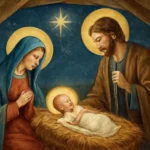
One of the most enduring traditions is the nativity scene (often called a crèche, presepe, or nacimiento in various languages). Central to many depictions is the figure of an angel who declares the good news of the incarnation or who guards the holy family on the journey toward Bethlehem. In certain cultures, angels are placed near the manger or suspended above the scene as if hovering in the hush before the revelation of the child.
Nativity tableaux often place an angel above the scene, delivering annunciation or singing to shepherds.
In many European traditions, angel figures accompany the animals, the star, or the Magi, creating a sense of celestial watchers over the infant.
In parts of Latin America, where Christmas celebrations blend local customs with Catholic devotion, angel imagery appears in processions, prosesiones, and memorable crèches that emphasize family and community blessing.
Carols, cantatas, and festive songs
Angel voices fill the winter chorus of Christmas music. Angelic choirs appear as characters in carols like “Gloria in Excelsis Deo,” “Hark! The Herald Angels Sing,” and “Angels We Have Heard on High.” These songs invite listeners to pause, listen, and reflect on the mystery of Christmas. Beyond the church, sung hymns and seasonal songs carried by street musicians and choirs help bind communities with a shared sense of wonder and gratitude.
Decorations and ritual spaces
In homes and churches alike, angel-themed decorations create a mood of reverence and joy. Angel toppers on Christmas trees, window clings with glowing halos, and ceiling mobiles shaped like soaring messengers combine beauty with symbolic meaning. In some places, processional routes, altars, and living rooms become “sacred spaces” during Advent and Christmas when angel imagery invites contemplation alongside celebration.
Processions, parades, and public displays
In many cities, public events incorporate angels as emblems of peace, protection, and service. Parades may feature luminous figures gliding through the streets, while light installations use an angelic motif to cast a sense of grace across city squares. Such displays remind communities that the Christmas season is not only a private holiday but a public invitation to generosity, hope, and care for others.
Symbolism of angels in Christmas decor
Wings, halos, and light
The iconic wings of angels symbolize the bridging of heaven and earth. The halo or aureole signals sanctity and divine radiance. The presence of light—whether through candles, lamps, or star-lit windows—echoes the heavenly brightness that greeted the shepherds and guided wise travelers. Together, wings, halos, and light create a template for decor that can be expressed in many forms: soft silhouettes, metallic surfaces, glass or crystal, and warm, candle-like glow.
Trumpets and psalms
The trumpet is a powerful symbol in angel imagery, associated with proclamation, waking of sleepers, and the invitation to praise. In Christmas decor, trumpet motifs can appear as carved shapes, metal ornaments, or sculptural details that remind us of the moments when the angels proclaimed good news to the world. Similarly, musical phrases from Christmas carols—echoed or represented in decorative elements—offer a sense of sonic celebration that complements visual symbolism.
Messengers of mercy and protection
Beyond their role as heralds, angels are frequently understood as protectors and comforters in Christian thought. Decor that emphasizes mercy—soft textures, gentle lighting, and comforting figures—can reflect this protective side of angelic symbolism. For households seeking deeper meaning, choosing imagery that conveys care, guardianship, and encouragement can be a way to honor the spiritual intentions of Christmas.
Color and material language
Artists and designers assign significance to colors and materials in angel-themed decor. For example, white and gold often suggest purity and divine radiance, while pale blues can evoke the night sky and the calm of a winter eve. Materials like porcelain, ceramic, glass, and light fabrics convey different textures of angels’ presence—from delicate and ethereal to sturdy and timeless.
Decor ideas: how to use angel motifs in your home
Tree toppers and garlands
One of the most visible ways to honor angels during the Christmas season is through a tree topper featuring an angel. Whether it is a vintage porcelain figure, a handcrafted paper angel, or a modern metallic silhouette, a tree topper can serve as a focal point for the entire tree. Additionally, you can weave angel garlands—stringed angels made of paper, fabric, or felt—through the boughs to create a narrative of celestial watchfulness around the tree.
Tabletop centers and mantelpieces
In the centerpiece, an angel statue or a cluster of small angel figurines can anchor a festive arrangement. Surround the angels with candles, evergreen branches, pinecones, and a few sprigs of holly to evoke the scent and texture of winter. On mantels, you can mount angel silhouettes or hang delicate angel-themed lanterns that cast a soft glow across the room.
Wreaths, windows, and outdoor displays
Wreaths with angel motifs—whether embedded as charms, appliqués, or carved ornaments—offer a welcoming, reverent touch to entryways. For windows, consider translucent angel decals or frosted glass decorations that catch the light at dusk. Outdoor displays can feature large-scale angel shapes in weatherproof materials, creating a beacon of peace for neighbors and passersby during long winter nights.
When styling with angel imagery, you can choose from several palettes. A classic approach uses white, gold, and ivory for a timeless look that emphasizes purity and celestial radiance. For a warmer, cozy scene, blend with metallic accents and soft candlelight. For a contemporary edge, pair metallic or matte silver with charcoal and pale blues, letting angular angel sculptures or minimalist silhouettes anchor a modern living space.
Advent and seasonal rituals
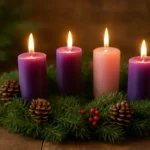
Angels can play a role in household Advent practices. For example, you might set up an angel blessing calendar where each day a small angel figure or card is added to a display, with a short blessing or reflection accompanying it. This approach keeps the season's spiritual focus at the center of daily life and invites family members to pause and reflect together.
Safety, sustainability, and mindful collecting
As you decorate, consider safety and sustainability. Choose non-flammable materials for candles and flame-prone displays, especially in homes with children or pets. If you collect angel figurines, think about durable materials—ceramic, resin, wood, or metal—that will stand the test of time. In addition, you can prioritize locally crafted or recycled pieces to reduce environmental impact while supporting artisan communities.
DIY angel crafts and ornament ideas
Paper angel garlands
For a simple, inexpensive project, make a paper angel garland. Materials: white construction paper or lightweight craft paper, scissors, glue, string or ribbon, and markers or colored pencils for detailing. Steps: draw a simple angel outline, cut out many copies, embellish with glitter or foiled edges, attach to a string, and suspend along a mantle or window frame. You can vary the sizes and add tiny halos with metallic tape for a shimmering effect.
Fabric angel ornaments
Use fabric scraps, stuffing, and a few beads to assemble soft angels that can hang on the tree or be used as pins. Cut two identical angel shapes from patterned fabrics, sew or glue them together, add a small puff of stuffing to form the body, sew on beaded eyes or use fabric markers for facial features, and finish with a halo made from metallic thread or a ring of gold ribbon. These will be cherished keepsakes for years to come.
Wire angel wall sculpture
For a modern, architectural take, craft a wire angel using craft wire or steel floral stems. Shape a simple outline of wings and body, twist a circle for a halo, and attach the piece to a wooden base or a wall-mounted backing. Finish with a coat of white paint or leave as brushed metal for a contemporary look. This kind of sculpture can serve as a striking centerpiece in a living room or bedroom during December and into the new year.
Angel candle holders
Transform glass jars or tealight holders into elegant angel silhouettes. Cut a paper or parchment angel figure to wrap around the jar, or create a silhouette by painting the jar with white lacquer and adding gold accents for a glow that dances with candlelight. When lit, this kind of ornament casts a gentle, celestial atmosphere across the room.
Beaded halo ornaments
Make halo-adorned angels with beadwork. Use small pearls or crystals for halos, and sew or glue them to felt or fabric angel bodies. Attach a loop of thread at the top so they can hang on the tree or from a decorative branch arrangement. This craft blends tactile texture with the glint of light that is so evocative of angelic presence during Christmas.
Angels in different cultural expressions of Christmas
European forms and folkloric accents
Across Europe, angel imagery can be found in a wide range of forms—from stately sculpture in church chapels to playful folk-art figures used to adorn markets and homes. In some regions, angels are paired with local motifs—such as regional stars, local saints, or traditional winter foods—to create a regional flavor while preserving the core symbolism of guardianship and joy.
In many Latin American communities, Christmas expressions emphasize family, hospitality, and communal blessing. Angel imagery participates in families’ crèches and altars, and is often combined with vibrant textiles, hand-carved wooden figures, and bright colors that reflect a joyful approach to the season. The angel as messenger remains central to the spiritual message of the holiday, even as the visual language shifts to local color and communal life.
Angels in Orthodox traditions and iconic art
In Eastern Christian traditions, angels are present in icons and liturgical art, sometimes bearing the same essential marks—wings, halos, and blessed radiance—but presented within the distinct style of iconography. Christmas in these contexts can emphasize the annunciation and the divine mystery of incarnation, while also centering liturgical chants, hymns, and feasts that honor angels as participants in sacred time.
Modern secular expressions and mindful inclusivity
Today, many households blend religious reverence with secular celebration. Angel imagery is embraced as a symbol of peace, compassion, and hope that resonates beyond specific doctrinal contexts. In inclusive homes, angel figures may be chosen for their aesthetic beauty, their artistic value, or their universal message of goodwill. The goal is to create a festive environment that invites reflection and generosity, regardless of one’s personal beliefs.
A practical guide to choosing and displaying angels this Christmas
How to choose your angel figurines and toppers
When selecting angel pieces, consider scale, material, and the atmosphere you want to create. For example, a large porcelain angel can serve as a dramatic focal point, while a set of small resin angels can be arranged in a tabletop scene. If you prefer a minimal aesthetic, opt for sleek metal silhouettes or flat, graphic-style angels that echo modern design. Always think about safety: ensure that candles near angel decorations are protected, and that lightweight pieces are secured to prevent tipping or falling.
Placement tips for maximum impact
Place a large angel topper on the tree as a clear focal point that signals the season’s message.
Position angel figures near the nativity scene to visually connect the annunciation with the birth of Jesus.
Use angel garlands to frame doorways, windows, or shelving for a continuous sense of blessing throughout the home.
Maintenance and care
To maintain the beauty of angel-decor, dust gently with a soft brush or microfiber cloth. If you have delicate pieces or vintage porcelain, handle with care and store in a padded container when not in use. For outdoor angel sculptures, choose weather-resistant materials and secure them against wind and moisture. Regular cleaning and careful storage will help preserve their luster for many Christmas seasons.
Ethical and sustainable considerations
Consider choosing pieces made from sustainable materials or crafted by artisans in your community. Supporting local producers not only reduces shipping emissions but also sustains traditional craftsmanship. If possible, look for items that are durable and timeless, so they can be enjoyed year after year rather than replaced for novelty.
Closing reflections: what angels bring to Christmas today
Angels at Christmas continue to symbolize more than a single moment in biblical history. They embody a universal longing for guidance, comfort in hardship, and the belief that light can pierce the darkness of winter. In homes, churches, and public spaces, angel imagery invites us to pause, listen for quiet messages of hope, and consider how we might be bearers of goodwill to others. Whether you encounter angels in a classic nativity scene, hear them in a favorite carol, or craft your own angelic keepsakes, the tradition invites a shared sense of wonder that can enrich the holiday season and the year ahead.
As you plan your Christmas celebrations, you might ask yourself: What story do I want to tell with angels this year? Will the angel be a guardian over your family, a herald of blessing to neighbors, or a symbol of peace that glows in your home? The answers will shape your decorations, rituals, and moments of quiet reflection, creating a Christmas that is not only festive but meaningful.
In the end, the enduring appeal of angelic symbolism lies in its capacity to offer comfort, wonder, and a sense of connection—between heaven and earth, between generations, and between hearts in the Christmas season. Through traditions, art, and personal creativity, you can welcome an ageless messenger into your home, and let that presence illuminate the days of Advent and the bright hours of Christmas.









Leave a Reply