Christian Religious Christmas Cards: Faith-Based Card Designs
In a world where messages compete for attention, faith-based Christmas cards offer a meaningful way to share the core beliefs of the Christian faith during the holiday season. These cards—often referred to as Christian Christmas cards, biblical Christmas cards, or Gospel-themed greeting cards—are designed to carry a message of hope, grace, and joy grounded in Scripture and sacred imagery. They serve not only as seasonal greetings but as small vessels of ministry, encouragement, and community belonging. The purpose of this article is to explore the breadth of card designs that fall under the umbrella of faith-based holiday greetings, to highlight design considerations, materials, and messaging, and to provide practical guidance for individuals, churches, and gift-givers who want to create Christian religious Christmas cards that honor tradition while embracing contemporary aesthetics.
A brief history of Christian Christmas cards
The practice of sending Christmas cards with religious themes has deep roots in Christian communities. While the general habit of exchanging holiday greetings predates modern printing, Christian-specific cards emerged as a way to articulate the Gospel message during a season saturated with commercial imagery. In the Victorian era, card makers began to combine nativity iconography, Scripture verses, and devotional messages on sturdy cardstock, often emphasizing scenes from Bethlehem, the annunciation, or angelic proclamations. The rise of church-issued cards and missionary fundraisers popularized the use of these greetings as both spiritual encouragement and fundraising tools.
Over time, faith-based Christmas cards expanded to reflect liturgical seasons such as Advent and Epiphany. They adopted a range of artistic traditions from resplendent foil-embossed imagery to modern minimalist designs, allowing congregations to express reverence in ways that resonate with diverse communities. Today, the category is broad enough to include scripture-centered cards, evangelistic cards, pastoral greetings, and ecumenical messages that invite inclusivity while remaining firmly rooted in Christian storytelling.
Design themes and symbolism in faith-based Christmas cards
A central feature of Christian religious Christmas cards is the use of scripture-forward messages paired with symbolic imagery. Designers often balance reverence with accessibility, ensuring that the imagery communicates a clear theological point while remaining visually engaging. The following subsections highlight common themes and the symbolic language frequently used in these greeting cards.
Nativity scenes and the birth narrative
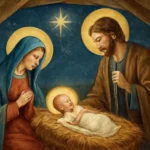
The nativity is the most recognizable motif in nativity-themed cards. It conveys the core event of Christmas—the incarnation of Christ. Variations include:
Infant Jesus in a manger with adoring shepherds or wise men
Stable or cave settings with soft, glowing light
Silhouettes or line art for a modern aesthetic
Three kings or Magi bearing gifts to emphasize revelation to the Gentiles
Angels, stars, and divine proclamations
Angelic visits and celestial signs symbolize revelation, guidance, and divine presence. Cards may feature:
Angels delivering good news to shepherds
Star of Bethlehem guiding the way to the nativity
Halos and luminous borders signaling holiness
Scripture-centered designs
For many believers, the heart of a faith-based Christmas card lies in a carefully chosen Bible verse. Common approaches include:
Quoted verses from Luke 2, Isaiah 9:6, or John 1:14
Paraphrased prayers that translate sacred texts into heartfelt blessings
Callouts of promises such as “For unto us a Child is born” paired with contemplative art
Cross imagery and resurrection themes
While Christmas is the season of Christ’s birth, some Cross-focused cards emphasize the broader arc of the Gospel—birth, life, death, and resurrection—by using:
Subtle cross motifs integrated into decorative borders
Resurrection symbols as a reminder of hope beyond the manger
Messianic prophecies connected to the Christmas narrative
Pastoral and communal messages
Many church communities create pastoral greeting cards designed to encourage families, caregivers, and volunteers. These cards frequently include:
Thank you notes for volunteers and church staff
Blessings for households and prayers for neighbors
Invitations to worship services or Christmas Eve observances
Minimalist vs ornate approaches
A defining choice for many designers is whether to lean into minimalist sacred art or to embrace ornate devotional visuals. Each approach carries a distinct mood:
Minimalist: clean typography, limited color palettes, spare imagery, often conveying reverence with quiet elegance
Ornate: intricate illustrations, foil accents, rich textures, and vibrant color schemes that celebrate the joy of the season
Materials, techniques, and finishes for faith-based Christmas cards
The tactile aspect of a card can profoundly affect its impact. From the choice of paper to the printing method and finishing touches, each element contributes to the overall impression of a Christian religious Christmas card.
Matte cardstock for readability and understated elegance
Textured or linen finishes that add depth
Cotton or cotton blend papers for a premium feel
Recycled or FSC-certified papers for sustainable options
Printing methods
Different printing techniques impart distinct looks and durability:
Digital printing for affordability and quick turnaround
Offset printing for high-volume projects with color precision
Letterpress for tactile, debossed typography and a heritage feel
Engraving or foil stamping for luxury and celebration
Giclée or artisanal printmaking for fine art-inspired cards
Finishes and embellishments
Finishes can elevate faith-based Christmas cards from simple greetings to keepsakes:
Foil accents in gold, silver, or copper to evoke grandeur
Embossing or 3D textures that create tactile engagement
Spot UV coating for selective shine on letters or imagery
Die-cut shapes to reveal silhouettes of nativity figures, stars, or crosses
Design software and workflows
For creators, several tools support the production of variations of christian religious Christmas cards:
Vector programs for crisp imagery (e.g., SVG-based art)
Layout software for typography and composition
Template ecosystems that adapt to Advent or Epiphany themes
Proofing steps to ensure accurate colors and Scripture quotes
Envelopes, sizes, and formats
Card formats vary, and the choice can influence how the message is perceived. Options include:
A2, A6, or 5x7 inches standard sizes for mailed greetings
Tri-fold or gatefold designs offering space for longer prayers
Postcard formats for low-cost distribution
Envelope liners with motifs that echo the card’s imagery
Sustainability considerations
Ethical production is increasingly important to many buyers. This includes:
Recycled materials and responsibly sourced fibers
Low-VOC inks and environmentally friendly finishes
Supplier certifications (e.g., FSC, PEFC)
Respect for cultural sensitivity in imagery and language
Typography, color palettes, and symbolic color language
The typography and color choices of faith-based Christmas cards contribute to their tone and readability. Tradition and modern design converge in this space, offering cards that feel both timeless and current.
Typography considerations
When choosing typefaces for scripture-centered or gospel-focused cards, designers balance legibility with atmosphere. Common approaches include:
Serif typefaces for a classic, reverent vibe
Sans-serif fonts for clean, modern messaging
Handwritten or script styles used sparingly for warmth and personalization
Clear hierarchy between the heading (verses or blessings) and body text
Color symbolism in Christmas cards
Colors convey mood and meaning within Christian art. Traditional palettes and their implications include:
Red for Christ’s sacrifice and love
Green symbolizing life and renewal
Gold as a symbol of divinity and glory
White representing purity and the incarnation
Blue often used to evoke heavenly realms or the Virgin Mary
Some Christmas cards align with liturgical colors:
Advent colors—purple (royalty, penance) and rose (joy)
Christmas emphasis—white and gold to celebrate the Incarnation
Epiphany season—green if extending the message of revelation
Messaging and copy strategies for Christian religious Christmas cards
The textual content of a Christian Christmas card should complement the visuals and reflect the intended relationship with the recipient. Below are practical strategies to craft meaningful messages.
Scriptural verses and devotional lines
Selecting a verse requires attention to readability and theological clarity. Consider:
Honor diverse backgrounds by emphasizing universal themes like light, grace, and hope
Provide space for personal handwritten notes to maintain relational warmth
Audience, purpose, and distribution channels
The intention behind a Christian Christmas card shapes its design and distribution. Different audiences call for varied approaches, whether a personal greeting, a church-wide outreach piece, or a fundraising tool for mission work.
Individual and family cards
For personal use, cards can be intimate and expressive:
Personal notes with a short Scripture verse
Photographic elements that capture family moments within a sacred frame
Handmade touches like calligraphy or pressed accents for a unique feel
Church and ministry cards
A church or ministry might use cards to unify members around a theme or to invite involvement:
Advent devotionals paired with weekly reflections
Pastoral greetings to encourage volunteers and staff
Evangelistic or mission-focused messages with invitations to Christmas programs
Fundraising and outreach cards
Faith-based fundraising cards can support charitable work while sharing the Gospel through visuals and text:
Donation appeals tied to a Christmas campaign
Stories of impact highlighting beneficiaries of the ministry
Clear accountability about how funds are used
Practical guide to creating faith-based Christmas cards
If you are planning to create variations of christian religious Christmas cards yourself, a thoughtful workflow can help you stay organized while preserving artistic integrity.
Define your theme (nativity, Advent, Epiphany, gospel proclamation, etc.).
Choose your imagery (nativity, angels, stars, Scripture scrolls, cross motifs) that aligns with the theme.
Select a color story that resonates with liturgical color meanings or your community’s branding.
Draft the copy—a Scripture verse, a blessing, and a brief invitation or sentiment.
Pick a format (folded card, tri-fold, or postcard) and a size that fits your budget and mailing plan.
Decide on materials (paper stock, finish, and envelope options) with sustainability in mind.
Prototype and proof—check typography, Scripture accuracy, and layout across multiple devices and printers.
Test printing with a small batch to validate color, legibility, and overall feel.
Finalize and produce—place your order with a trusted printer or set up your in-house printing workflow.
Distribute thoughtfully—consider church mailings, doorstep drop-offs, or digital variants for digital outreach.
Design tips for readability and impact
When composing cards with religious content, a few practical design tips help ensure the message connects:
Personalization can elevate greeting cards for Christians by making recipients feel seen and valued:
Handwritten notes adjacent to printed text
Custom photo inserts featuring family or ministry teams
Localized blessings that speak to the recipient’s community or church
QR codes linking to Advent devotionals or church events
Variations of Christian religious Christmas cards across cultures
The Christian faith manifests in many cultural expressions, and this diversity enriches the landscape of Christmas card designs. Here are some representative approaches to global variations of christian religious Christmas cards:
Western Christian traditions
In many Western contexts, cards may foreground the Nativity, angels, or quotes from the King James or other traditional translations. Design elements often include gold foil accents, classic serif typography, and imagery of shepherds and the manger.
Latin American influences
Latin American Christian Christmas cards sometimes celebrate Las Posadas and the broader December festivities, with vibrant colors, festive ribbons, and nativity scenes that reflect regional art styles. Verses may be drawn from the Vulgate or contemporary Spanish translations.
African and Caribbean expressions
Cards may feature richly textured fabrics, kente-inspired patterns, or African folk-art motifs. Text may be bilingual or trilingual in communities with diverse language backgrounds, underscoring hospitality and shared blessing.
Asian and Pacific contexts
In some Asian Christian communities, card designs blend local artistic sensibilities with Christian symbolism. Imagery might include tranquil landscapes, lantern-like lighting effects, or subtle references to the dove and light as metaphors for divine presence.
Broader ecumenical and interfaith considerations
Some Christians produce cards intended for interfaith or interchurch audiences. In these cases, the language emphasizes shared values such as peace, justice, and compassion, while still affirming the Christian narrative through Scripture or prayer.
Ethical considerations, inclusion, and sensitivity
When designing and sending Christian religious Christmas cards, ethical considerations help ensure respect for readers with diverse beliefs and backgrounds. Thoughtful practices include:
Inclusive language that honors readers who may not share the same doctrinal convictions
Respectful imagery that avoids stereotypes or cultural appropriation
Clear labeling of card sender affiliation to avoid confusion about affiliation or endorsement
Non-coercive invitations for worship or participation, recognizing that recipients may have different spiritual paths
Accessibility considerations—large print, high-contrast colors, and simple language for readers with visual or cognitive differences
In the digital realm, ethical sharing includes consent for mailing lists, respectful data handling, and accessible email design. Digital faith-based greetings should preserve the devotional tone while ensuring compatibility with assistive technologies.
Conclusion: creating meaningful Christian Christmas cards
The practice of sending Christian religious Christmas cards is more than a seasonal formality; it is a modest act of ministry, testimony, and care. Whether you are designing a single card for a friend, producing a church-wide batch for a fundraiser, or crafting a collection of faith-based card designs for an Advent outreach, the most enduring cards are those that harmonize scripture, visual symbolism, and compassionate language. The variations of christian religious Christmas cards described in this article illustrate how designers can honor tradition while innovating for contemporary audiences. By thoughtfully choosing imagery, typography, materials, and messaging, you can create cards that not only celebrate the birth of Christ but also invite readers into a season of prayer, generosity, and hope.










Leave a Reply