Story of Jonah and the Whale: A Comprehensive Guide to the Biblical Tale, Meaning, and Lessons
Story of Jonah and the Whale: A Comprehensive Guide to the Biblical Tale, Meaning, and Lessons
Story of Jonah and the Whale: A Comprehensive Guide to the Biblical Tale, Meaning, and Lessons invites readers to explore one of the most enduring narratives in the biblical canon. Far from a simple children's tale, this story operates on multiple levels—historical memory, theological claim, moral instruction, and literary device—so that it can be read as history, parable, and catechism all at once. Over the centuries, readers from diverse traditions have found in this compact prophet’s book a framework for reflecting on obedience, mercy, repentance, and the scope of divine compassion.
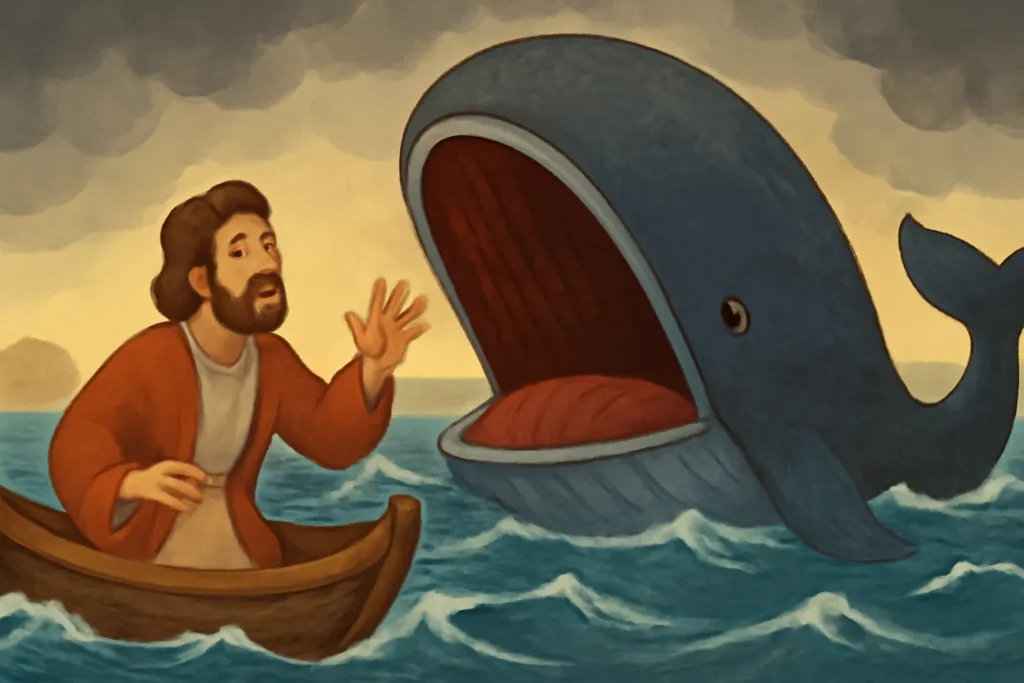
The narrative belongs to the collection of prophetic writings in the Hebrew Bible, traditionally attributed to the Prophet Jonah. Although the exact historical setting is debated among scholars, the story presents a clear arc: a commissioned messenger receives a command from God, attempts to escape, experiences a dramatic turn of events at sea, undergoes a transformative experience in the belly of a great fish, and finally delivers a message that brings repentance to a city renowned for its cruelty. The episode culminates in a dialogue about mercy, human vulnerability, and divine purpose. In many English translations, the creature is called a great fish, but popular language often renders this as a whale; the essential point is not a zoological label but the miracle of deliverance and the scope of God’s outreach beyond Israel.
The Core Narrative as a Structure
To see the architecture of the story helps in understanding its impact. The tale unfolds in a sequence that invites readers to trace cause and effect, motive and consequence, and a progressive widening of responsibility beyond a single nation. The structure can be summarized as follows:
Divine summons to a prophet who is asked to go to a great urban center of oppression and warn its inhabitants.
Flight and folly as the prophet attempts to escape the commission by heading in the opposite direction.
Storm, sailors, and the cast into the sea episode that reveals human mortality and the power of divine intervention.
The miraculous rescue by a large sea creature and the safe, reluctant return of the messenger to the shore.
Preaching in Nineveh and the city’s unexpected repentance in response to the prophetic warning.
Divine mercy versus human resentment as the prophet reacts to God’s sparing the city, leading to a climactic encounter over compassion and perception of justice.
Pearl of a lesson about care for creation, the breadth of divine mercy, and the need for genuine repentance.
Narrative Rhythm: From Flight to Mercy
The tempo of the Jonah story shifts between dramatic action and intimate dialogue. The outward movement—fleeing by ship, a raging sea, a fish’s interior, and a city-wide preaching campaign—is balanced by inward moments of fear, doubt, and eventual enlightenment. These shifts let readers see how fear and doubt can obscure vision, while humility and prayer can restore perspective. The refrain that God is concerned for all creation—humans, animals, ships, and even plants—raises a holistic view of divine governance and ethical responsibility.
Calling and fleeing: The prophet’s reluctance raises questions about authority, vocation, and the interplay between human freedom and divine will.
Storm and seafarers: The sailors’ recognition of God’s power shows how a learned, pagan audience can acknowledge the true God through a crisis that exposes human limits.
The fish’s rescue: The dramatic rescue is often read as a sign of providence and a controlled period of introspection for the messenger.
Nineveh’s repentance: A city that is notorious for its violence responds to a warning with collective fasting and reform, challenging stereotypes about who can be called to change and who can respond to mercy.
Jonah’s mood and critique: The prophet’s anger at God’s mercy becomes a mirror for readers to examine their own expectations about justice and mercy.
Characters, Settings, and Symbolic Elements
The cast and stage of the Jonah narrative are spare, yet each element carries weight. The settings—Joppa (for the initial departure), the sea, the great fish, and the city of Nineveh—function as symbolic landscapes for inner struggle and outward revelation. The principal characters—Jonah, the sailors, the Ninevites, and God—each reveal something essential about the human experience in relation to the divine will.
The Prophet Jonah
Jonah is often described as a reluctant messenger who resents the prospect of a merciful outcome for a nation perceived as hostile. His internal tension invites readers to ask: What makes a true prophet? Is obedience primarily about outward compliance or inner alignment with God’s purposes? The narrative suggests that real vocation requires more than initial willingness; it requires ongoing trust that God’s plans for healing and reconciliation may include surprising recipients.
The Great Fish or Whale
The creature’s role is not merely sensational; it functions as a liminal space where Jonah confronts himself and God confronts his people’s assumptions. The belly of the fish becomes a symbolic womb of transformation, a place where the prophet’s mind is cleared of evasive excuses and reoriented toward service. In many sermons and commentaries, this episode is pressed as a reminder that divine mercy often operates through unlikely vessels and unlikely moments of grace.
The City of Nineveh
Nineveh represents more than a geographically distant capital; it embodies the archetype of political power and collective sin. The city’s turn toward God—through fasting, mourning, and repentance—becomes a case study in communal transformation. The narrative invites readers to consider how societies respond to exposure of wrongdoing and whether reform is possible when voices of reform come from unexpected sources or from within the oppressive structures themselves.
The Sailors and the Plant
The sailors who recognize the divine authority immerse the story in a broader religious horizon, highlighting that people from different cultures can discern truth through crisis. The unexpected planting and subsequent withering of the plant toward the end of the story offer a compact meditation on comfort, providence, and divine pedagogy—the idea that God’s care extends to all creation and questions the limits of human sympathy when it comes to the welfare of others.
Themes and Lessons: Obedience, Mercy, and the Scope of Compassion
Several threads weave through the narrative, creating a tapestry that scholars, theologians, poets, and lay readers continue to explore. The following themes recur across interpreters and generations, each offering a different lens on the same ancient text.
Obedience vs. disobedience: The story asks how much weight to give to a prophet’s initial reluctance and how persistence, prayer, and divine instruction can eventually align human will with divine purpose.
Mercy for all: The Ninevites’ repentance undercuts the expectation that mercy is reserved for a fixed community and expands the moral circle to include even powerful enemies.
Repentance as a catalyst: The narrative frames repentance not only as feeling sorry but as changing behavior in the face of truth about one’s own complicity in wrongdoing.
Divine sovereignty: The book emphasizes God’s control over nature, nations, and hearts, suggesting that human plans are always nested within a larger divine plan.
Compassion and perspective: Jonah’s anger at God’s mercy tests readers’ own capacity to rejoice in mercy extended to others—even to those who seem morally distant or culturally alien.
Creation’s responsiveness: The sea, the fish, the plant, and the wind become agents and symbols that reflect divine pedagogy, illustrating a cosmos where all elements matter to moral and spiritual formation.
Diverse Readings: Variations Across Traditions
Across cultures and religious communities, the story has been told and retold with emphasis on different aspects of its meaning. Some readings stress the narrative as a parable that teaches the universality of God’s compassion; others read it as a prophetic critique of nationalist hostility; still others highlight mystery, wonder, and the limits of human understanding in the face of divine mystery.
Judaism and Rabbinic Readings
In Jewish interpretation, the Book of Jonah is often discussed not primarily as a history lesson but as a moral allegory about God’s mercy toward all nations and about human responsibility in the face of suffering. Some midrashic readings emphasize the sailors’ quick recognition of divine power as a model of righteousness among non-Israelites, while others stress that the people of Nineveh become a province of moral education for the prophet himself. The book is sometimes viewed as a critique of provincial piety and as an invitation to widen ethical concern beyond tribal borders.
Christian Perspectives
In Christian exegesis, the Jonah story is often linked to themes in the life of Jesus and to concepts of repentance and grace. Some traditions hear in Jonah a prefiguration of Christ’s burial and resurrection—someone who descends, endures suffering, and emerges with a message of forgiveness for a broken world. Sermons frequently highlight the mercy shown to Nineveh as evidence that God’s mercy transcends ethnic and religious boundaries, inviting believers to adopt a more expansive view of whom the gospel ought to reach.
Islamic Perspective
In Islam, the figure of Yunus (Jonah) is honored as a prophet who submitted to God’s will and turned to prayer in distress. The Qur’an recounts Yunus’s prayer from the belly of the fish and God’s deliverance, which echoes the biblical motif of rescue through humility. Islamic readers often emphasize the unity of the prophetic message across traditions: the call to worship the one God, the necessity of repentance, and the compassion that accompanies divine mercy toward communities that reform themselves in response to divine guidance.
Modern Re-readings and Literary Adaptations
In contemporary literature and popular media, the Jonah tale is frequently retold as a parable about fear, power, and forgiveness in modern settings. Authors use the shipwreck scene or the fish’s interior as a metaphor for personal crisis, while others recast the Nineveh episode to address issues of climate justice, immigration, political power, and social responsibility. The flexibility of the narrative makes it a versatile teaching tool for classrooms, sermons, and thoughtful dialogue about how communities respond to moral awakening.
The Meaning and Relevance for Today
What does the story of Jonah mean for readers in the 21st century? The tale offers several practical insights that remain pressing in contemporary life:
Listen before you act: God’s call often arrives in ways that challenge comfort zones. The invitation to serve may require courage, patience, and humility in the face of fear or doubt.
The danger of prejudgment: Jonah’s reluctance to preach to Nineveh teaches that assuming who is worthy of mercy can blind one to opportunities for transformation.
Mercy can surprise us: The city’s repentance demonstrates that change can originate from unexpected places and that mercy can outpace judgment.
Creation’s integrative wisdom: The storm, the fish, the plant, and the wind illustrate a cosmos in which divine care touches every part of life, from human hearts to entire ecosystems.
Ethical responsibility beyond borders: The narrative invites readers to consider how faith communities respond to suffering and injustice beyond their own cultural or national lines.
Literary and Theological Significance
Beyond its doctrinal content, the Jonah story is celebrated for its literary artistry and rhetorical power. The book’s compact form—four chapters, a few vivid scenes, and a final, provocative exchange—creates a precise stage for exploring questions about authority, mercy, and the nature of divine justice. The ending’s open question—God’s challenge to Jonah about compassion—remains deliberately unsettled, inviting readers to carry the conversation into their own contexts. This open-endedness is a hallmark of biblical storytelling that invites readers to apply the lessons to personal circumstances, communal life, and public ethics.
Historical and Cultural Context
Understanding the historical backdrop helps illuminate why the tale resonates across generations. The setting of Nineveh places the story in a political and cultural landscape where empires rose and fell, where tension between empires and subject peoples shaped moral imagination, and where prophets spoke into moments of crisis. The narrative uses a dramatic arc to suggest that moral accountability is universal, not limited to the inhabitants of a single nation. This broader frame helps readers see the text as a critique of violence and a defense of mercy as a governing principle in human affairs.
Questions People Often Ask
As readers engage with the story, several common questions arise. Here are some concise responses that reflect mainstream scholarly and religious interpretations, presented to guide further study rather than to close the discussion.
Was Jonah a real historical figure? The text presents him as a historical prophet within Israel’s prophetic tradition, but many scholars also read the book as a purposeful blend of history and parable designed to teach universal lessons about mercy and obedience.
Did Nineveh really repent? The narrative presents a powerful moment of collective repentance, which many readers take as a genuine turning point; skepticism exists among critics who ask how durable such reform would be, given the city’s long history of violence. The emphasis, however, is on the possibility of change under prophetic invitation.
Why is the creature called a whale? The wording reflects translation choices. In the ancient text, the key idea is a large sea creature capable of sustaining a person for three days. The exact species is less crucial than the symbolic meaning—salvation, testing, and transformation.
What is the message about prayer? Prayer in the belly of the fish is a turning point: it demonstrates that sincere communication with God can emerge even from the depths of danger and isolation, reinforcing the power of honest, desperate supplication.
Practical Reflections for Readers Today
How can modern readers apply the story’s lessons in their personal lives and communities? The following reflections offer concrete takeaways that can be explored in small groups, classrooms, or personal study:
Practice humility and openness when confronted with a calling that challenges your comfort zone or cultural expectations.
Develop a habit of listening to voices outside your familiar circle, recognizing that wisdom can come from unlikely sources, including communities you might not sympathize with at first glance.
Engage in self-examination about biases and judgments. The story invites believers to consider whether personal anger or disappointment about outcomes can hinder genuine mercy.
Encourage responsible action toward communities and environments affected by oppression or violence, recognizing that collective repentance and reform are possible when people respond to moral truth with courage and solidarity.
Study how literary devices—irony, suspense, dialogue, and symbolism—shape moral imagination and help readers grapple with difficult ethical questions.










Leave a Reply