Bible Story Bible: Timeless Bible Stories and Lessons
A bible story bible—in various forms often called a biblical storytelling collection or a story Bible of the Bible—is more than a simple compendium of narratives. It is a curated gateway into sacred narratives that have shaped faith, culture, and moral imagination for centuries. In its best incarnations, a bible story bible gathers stories from creation to the early church, organizing them in a way that invites readers to notice repeating patterns, character arcs, and the enduring lessons that emerge across generations. This article explores what such a collection is, why it endures, and how readers—whether clergy, teachers, students, or curious laypeople—can engage with it to gain insight, wisdom, and practical application for daily life.
The idea behind a Bible stories anthology is to present select narratives in a way that highlights connection and continuity. In this sense, the story Bible of the Bible serves as both a literary work and a spiritual resource. It models how a single text can be read through multiple lenses—historical, theological, ethical, and devotional—without sacrificing accessibility. When done well, the bible stories collection becomes a living tool for teaching concepts like faith, justice, mercy, and perseverance, while offering readers a sense of wonder at the bigger arc of redemptive history.
What is a Bible Story Bible?
At its heart, a Bible story bible is a curated set of narratives designed to illuminate the overall narrative arc of the sacred text. It often emphasizes:
Narrative coherence—how stories echo, resolve, and anticipate one another across the testaments.
Character development—how individuals respond to God, others, and circumstance, revealing moral and spiritual growth or failure.
Key themes—covenant, faith, obedience, mercy, justice, forgiveness, and hope.
Practical application—lessons that readers can embody in daily choices, relationships, and communities.
Literary craft—genre awareness, symbolism, motifs, and repetition that enrich understanding.
A well-crafted biblical storytelling collection respects both the diversity of the biblical corpus and the unifying threads that run through it. It helps readers see not only isolated stories, but a tapestry of meaning that points toward the overarching story of creation, fall, redemption, and new creation.
Timeless Lessons from the Bible Story Bible
The enduring value of a bible story bible lies in the timeless lessons embedded in its narratives. Across culture and era, certain truths recur with striking clarity. Readers frequently encounter themes such as trust in God in the face of uncertainty, the consequences of choices, the power of mercy, and the call to justice and compassion.
Faith and trust under pressure: Stories like Abraham's call, Moses' leadership, and the Marian thread of persistence encourage trust even when the path is unclear.
Obedience and discernment: The tension between human plans and divine direction shows up in figures like Noah, Jonah, and Samuel, prompting readers to weigh obedience against personal preference.
Mercy and forgiveness: A universal thread runs through stories of forgiveness, reconciliation, and restoration—both divine mercy and human mercy toward others.
Justice and mercy: Biblical storytelling often pairs judgment with mercy, challenging readers to pursue justice that is tempered by compassion.
Courage and resilience: Heroes and common-hearted characters alike model resilience in the face of fear, persecution, or impossible odds.
Hope and promise: The arc from despair to hope—especially in prophetic and eschatological strands—invites readers to persevere with confidence in a bigger plan.
In a comprehensive story Bible of biblical narratives, these lessons are not presented as a list of rules. Instead, they emerge as readers witness how people respond to God’s calling, how communities navigate conflict, and how God’s purposes unfold over time. The result is not only knowledge but formation—forming conscience, character, and a habit of thoughtful reflection.
Major Narratives and Their Lessons
A sturdy bible stories collection typically organizes material into major narrative clusters. Below are broad categories with representative stories and the kinds of lessons readers often draw from them. Each cluster can be explored in depth, with attention to historical context, literary devices, and contemporary relevance.
Old Testament Narratives
Creation, Fall, and Covenant
These early chapters set the stage for the entire biblical drama. The creation story introduces themes of order, purpose, and responsibility. The Fall reveals the introduction of sin, shame, and longing for restoration. The unfolding covenant pattern—promises, responses, blessings, and expectations—provides a framework for understanding God’s approach to humanity across generations.
Noah and the Flood
The tale of Noah is about faithfulness under judgment and the rebirth of humanity. It invites readers to consider concepts of obedience, judgment, and grace, as well as the symbolically resonant imagery of the ark as a shelter in a chaotic world.
The patriarchal narratives center on a calling, a journey, and the shaping of a people through faith. They highlight themes of trust, testing, blessings, and the tension between worldly plans and divine promises.
Exodus and Wilderness Wanderings
The liberation of Israel from oppression, the giving of the Law, and the experience of the desert wanderings form a core part of the Bible's story. This section explores leadership, community formation, worship, and the friction between faith and fear.
Conquest, Judges, and Kings
The stories of conquest, the cycles of professed faith and backsliding, and the ascent and fall of monarchy offer a rich study in governance, power, accountability, and the consequences of human decisions. The prophetic voices that emerge within these pages press for justice and faithfulness.
Prophets and Exile
The prophetic literature speaks into crisis with calls to repentance, hope for restoration, and visions of future glory. The exile narrative shows how crisis can become a catalyst for renewal, reform, and reimagining community life.
New Testament Narratives
The Life of Jesus
The Gospels present Jesus as the central figure of the Christian story. His teachings, miracles, crucifixion, and resurrection invite readers to explore themes of love, faith, forgiveness, and kingdom ethics. The narrative emphasizes not only what Jesus did but how readers are invited to respond to him.
Parables and Teachings
The parables are compact, memorable stories that convey moral and spiritual insight. They illuminate how the kingdom of God operates in everyday life—surprising, challenging, and transformative.
Crucifixion, Resurrection, and Ascension
The passion narratives present the costs and the victory of redemption. They model courage under testing, reveal the power of forgiveness, and point toward ongoing life in the Spirit and the mission of the church.
Early Church and Mission
The Acts of the Apostles and the epistles describe the spread of the early church, the challenges of community life, and the formation of guiding principles for faith communities, discernment, and practice in a diverse world.
How to Use a Bible Story Bible in Study and Teaching
Whether you are a student, a teacher, a pastor, or a parent, a bible story bible can be a practical tool for study and instruction. The following approaches can help you engage deeply with the material while keeping it accessible for learners of different ages and backgrounds.
Guided reading plans: Create a reading schedule that pairs stories thematically (e.g., faith under pressure, leadership in crisis) or chronologically to trace the arc of redemptive history.
Character study cycles: Focus on a single figure across multiple stories to observe growth, decision-making, and consequences.
Discussion prompts: Use open-ended questions to stimulate conversation about motives, ethics, and outcomes. For example: What does courage look like in this story? How might mercy shape the ending?
Creative engagement: Encourage learners to retell a narrative in a modern setting, or to create artwork, music, or poetry inspired by a story’s themes.
Devotional tie-ins: Pair stories with daily reflections, prayers, or journaling prompts that invite personal application and spiritual formation.
Cross-text comparisons: Compare parallel narratives (for example, the testing of Abraham and Jesus’ testing in the wilderness) to highlight recurring motifs and theological emphases.
For teachers and leaders, a well-curated story Bible collection can serve as a backbone for curriculum development, classroom instruction, or small-group mentoring. It provides a shared vocabulary and a common set of narratives that can be revisited from year to year, growing in depth with the learners’ maturity.
Literary and Theological Features of the Bible Story Bible
A robust bible stories anthology balances literary craft with theological significance. Understanding its features can deepen comprehension and enhance retention.
Narrative arc: Most stories follow a beginning, development, turning point, and resolution. Noticing this arc helps readers anticipate outcomes and recognize themes such as faith under pressure or divine provision in unlikely places.
Character arcs: Protagonists and even supporting characters evolve in response to divine interaction, ethical choice, and communal dynamics.
Motifs and symbols: Water, bread, light, wilderness, and exile recur as powerful symbolic shorthand for broader spiritual realities.
Typology and foreshadowing: Some stories are read as prefiguring later events, inviting a reader to see how earlier narratives anticipate later fulfillment in the biblical story.
Genre awareness: The collection recognizes and respects different genres—poetry, prophecy, narrative history, gospel, and letters—each with its own rules of interpretation and impact on readers.
Ethical emphasis: Beyond information, the readings in a Bible story bible foreground moral discernment, communal responsibility, and personal integrity.
Readers who approach a bible story bible with attention to these features often gain a richer sense of how the stories function within the larger biblical project. The result is not merely knowledge but a literary and spiritual literacy that can inform preaching, teaching, and daily living.
Historical and Cultural Context in Bible Story Collections
A thoughtful bible story bible does not ignore context. Understanding the historical, cultural, and literary frameworks helps readers interpret stories responsibly and avoid misreading. Context is especially important for:
Audience and purpose: Why was a given narrative written? What questions or needs did it address for its original readers?
Genre and technique: How do different genres shape the way a story is told and perceived?
Cultural assumptions: What norms, laws, and social structures shape the actions of characters and communities?
Language and translation: Subtleties of Hebrew, Aramaic, and Greek can influence interpretation; readers benefit from awareness of translation choices.
Integrating historical and cultural insight into a biblical storytelling collection helps prevent anachronistic readings and invites readers to appreciate how ancient authors communicated timeless truths through specific times and places.
Practical Tips for Readers and Learners
To maximize the value of a bible stories collection, consider these practical approaches. They are designed to be adaptable for individual study, small groups, or classroom environments.
Set clear intentions: Decide what you want to gain—insight into character, understanding of faith practices, or practical wisdom for daily life.
Mix reading modes: Alternate between narrative immersion, reflective journaling, and analytic study to keep engagement high.
Annotate thoughtfully: Mark motifs, recurring phrases, and moments of decision. Create a personal map of themes that emerge across stories.
Cross-link stories: When a theme appears in a later narrative, note the connection. A good story bible often rewards readers who track these echoes.
Discuss and debate: Engage others in conversation about moral implications, divine action, and human response. Dialogue deepens understanding.
Apply with care: Translate lessons into concrete action steps that fit your context, culture, and personal growth goals.
A well-used story Bible of the Bible balances reverence for sacred texts with thoughtful curiosity, encouraging readers to ask meaningful questions and seek responsible, compassionate living.
Common Questions About Bible Story Collections
Readers often have practical questions when engaging with a bible story bible or a related biblical storytelling collection. Here are some frequently asked questions with concise guidance.
How should I approach a narrative that is culturally distant?
Begin with humility and curiosity. Acknowledge the cultural distance while focusing on universal themes—courage, trust, mercy, justice. Consider using study helps that provide context without reducing the text to modern convenience. Look for timeless lessons that transcend specific customs while respecting their original setting.
Is it appropriate to read biblical stories as fictional or purely historical?
Many readers approach the Bible as both historical document and sacred narrative. A thoughtful bible story bible invites readers to recognize multiple literary realms—historical memory, theological reflection, and moral instruction. The goal is not to choose one category over another but to understand how the text communicates truth through diverse modes.
How can I teach children with a biblical storytelling collection?
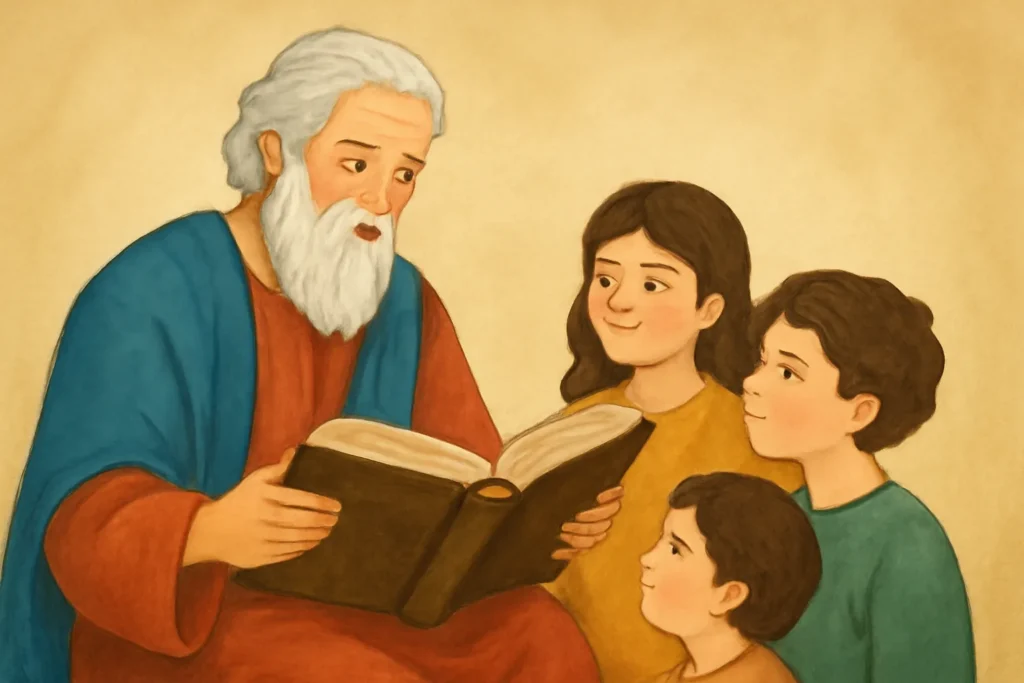
Use age-appropriate language, vivid storytelling, and interactive activities. Short narratives, picture storytelling, and hands-on projects help children connect with core values. Emphasize safety, kindness, generosity, and empathy, and invite children to retell stories in their own words to reinforce comprehension.
Conclusion: Embracing the Timeless Value of the Bible Story Bible
A bible story bible—whether assembled as a biblical storytelling collection, a story Bible of the Bible, or a thoughtfully organized anthology—offers more than a survey of ancient events. It invites readers into a living dialogue with sacred texts, where ancient voices meet contemporary questions. The stories become mirrors and windows: mirrors reflecting our own lives in light of enduring truths, and windows opening onto broader horizons of faith, justice, mercy, and hope.
If you seek a resource that combines narrative richness with practical wisdom, consider engaging with a well-constructed bible stories collection. Look for a format that highlights thematic links, provides historical and literary notes, and offers guided activities for study or teaching. In doing so, you will discover that the timeless Bible stories—told again and again in varying forms—continue to illuminate the path of life, inviting readers to trust in a hopeful future and to live with integrity, courage, and compassion.
Whether you use a bible story bible for personal devotion, classroom instruction, or community study, you are participating in a long tradition of storytelling that has nourished hearts and sharpened minds. The stories endure not simply as memory but as moral imagination—an invitation to see the world through the lens of faith, to hear the call to justice, and to respond with love in action. May your journey through this timeless collection be rich with insight, inspiration, and grace.










Leave a Reply