Psalm 46 at a glance: a resilient hymn in turbulent times
Psalm 46 is often described as a compact, potent declaration of trust in God amid upheaval. Traditionally attributed to the sons of Korah and used in temple worship, this psalm journeys from a confident confession of safety to a serene invitation to stillness before the divine majesty. Its imagery—earthquakes, waters, rivers, and the city of God—serves not merely as a picture of nature but as a symbolic map of human experience: fear, chaos, conflict, and, ultimately, peace. This article offers a verse-by-verse guide that surveys the lines, explains the imagery, and draws out practical lessons for readers today.
Overview and literary structure
To grasp Psalm 46 thoroughly, it helps to recognize its three-part movement. Each part layers imagery with theology, moving from personal assurance to communal strength, and finally to a call for a tranquil response to divine sovereignty.
Part I (verses 1–3): An absolute declaration of God’s protection in the face of cataclysmic upheaval. The speaker refuses fear because God is near as refuge and strength.
Part II (verses 4–7): A pivot toward the city of God and the life-gustatory presence of God, portrayed as a river that brings gladness and a firm, unshakable foundation even when nations rage.
Part III (verses 8–11): A summons to witness God’s works, to acknowledge his supremacy, and a final, emphatic invitation to be still and trust in God’s sovereignty.
Throughout, the poem uses geographic and natural metaphors—earth, mountains, seas, rivers—to translate spiritual truths into perceptible images. This makes Psalm 46 especially enduring for readers who face personal or collective crises, reminding them that tranquility and courage are available not because circumstances improve, but because God’s presence remains constant.
Verse-by-verse guide
Verses 1–3: A foundation of safety in chaos
The opening lines establish a confident trust grounded in two titles for God: refuge and strength. The psalmist adds a crucial modifier: a very present help in trouble. This phrase emphasizes immediacy and accessibility—God is not distant or theoretical but near in moments of crisis.
Verse 1 highlights three keywords worth meditating on:
Refuge: a shelter in which one can endure danger without fear.
Strength: active power that sustains the weak and enables perseverance.
Very present help: divine assistance that is timely and dependable in trouble.
Verse 2 presses the assurance deeper by anticipating fear not only of personal danger but of elemental and cosmic upheaval: the earth being removed and mountains being carried into the sea. The psalmist’s confidence is not naïve; it rests on the unshakable character of God. The language is intentionally dramatic, yet the point is intimate: even if the most solid aspects of existence seem to crumble, believers do not collapse because they are anchored in God.
Verse 3 adds sensory intensity—the roar of waters and the shaking of mountains—yet again refuses fear. The refrain is not denial but discernment: fear can and will arise, but it will not govern the faithful who know their God. The triple emphasis in these opening lines—refuge, power, presence—forms a sturdy triad that structures the entire psalm.
Key takeaway: In times of fear and upheaval, the most practical posture is to cling to the conviction that God’s providence is present in the very moment when danger feels overwhelming. The opening stanza models a theology of security that does not cancel danger but redefines fear in light of divine nearness.
Verses 4–7: The river, the city, and the divine presence
The mood shifts from a defense against terror to a celebration of the life-giving presence of God among his people. The image of a river flowing through the city of God conjures a sanctuary of vitality and peace. Rivers imply nourishment, vitality, and ongoing life; they symbolize abundance and the ongoing blessing that comes with God’s presence.
Verse 4 introduces the river imagery: There is a river, the streams whereof shall make glad the city of God. The river’s streams are sources of joy and sustenance, contrasting with the earlier imagery of upheaval. The city of God—the holy place of the tabernacles of the Most High—becomes the locus of divine vitality in a world of chaos.
Verse 5 reinforces the security of God’s people: God is in the midst of her; she shall not be moved. When the divine presence dwells among the community, stability follows. The line also echoes the ancient conviction that the temple or sanctuary is the pivot point of cosmic order, where God’s sovereignty manifests in time and space.
Verse 6 broadens the horizon to include the nations. When people rage and kingdoms move, God’s voice alone can make the earth melt. This verse communicates that human political power is not ultimate; the divine word is ultimate, and it has the final say over the tremors of history.
Verse 7 concludes this section with a refrain of reassurance: The Lord of hosts is with us; the God of Jacob is our refuge. The repetition of a similar line in verse 7 underscores the psalmist’s confidence and functions as a chorus—an assurance repeated to deepen faith.
Key ideas in this section:
Divine presence as the source of security, not merely the avoidance of danger.
The river imagery as a symbol of ongoing life and joy in the city of God.
God’s sovereignty over nations and kings despite human turbulence.
Practical reflection: For communities in conflict or individuals facing systemic uncertainty, this portion invites contemplation of how God’s presence among his people can create resilience, even amid political or social instability. It points toward communal worship as a liturgy of confidence—one that renews trust in God’s governance over history.
Verses 8–11: A summons to witness, be still, and trust
The closing verses pivot to a call to action: observe what God has done, acknowledge his sovereignty, and respond with personal and communal stillness before him. The exhortation to observe and declare God’s deeds invites believers to shift from fear to faithful reflection.
Verse 8 invites the congregation to come and behold the works of the Lord and the desolations he has wrought on the earth. This is less a spectacle of destruction than a pedagogy: seeing God’s works leads to renewed trust, especially when human efforts seem overwhelmed.
Verse 9 presents a striking note of peace in the context of war: He maketh wars to cease unto the end of the earth; he breaketh the bow, and cutteth the spear in sunder. The intended outcome is palpable: hostility yields to the sovereignty of God, and instruments of destruction become redundant in the face of divine peace.
Verse 10 offers the famous refrain that has resonated through centuries: Be still, and know that I am God. This is not a rejection of action but a call to deliberate repose, trusting that God is sovereign over every arena—political, spiritual, personal, and cosmic. The climactic assurance that God will be exalted among the nations and in all the earth reframes ambition and conflict in terms of ultimate allegiance to the divine will.
Verse 11 circles back to the refrain of divine presence: The Lord of hosts is with us; the God of Jacob is our refuge. The repetition seals the psalm with a robust claim: trust in God’s protection is not a private sentiment but a communal banner under which people rally.
Key takeaways from the conclusion:
A posture of observant worship as a way to remember God’s works.
A shift from militaristic security (weapons, defenses) to a deeper trust in God’s ultimate sovereignty.
A final invitation to be still—an intentional pause that yields perspective and reverence.
Major themes and theological threads
Psalm 46 integrates several enduring themes that recur throughout biblical literature. The following points highlight how the psalm weaves together comfort, confession, and courage.
Divine presence as refuge: The idea that God’s nearness provides safety in danger recurs in every stanza, making God's presence the central source of confidence rather than external circumstances.
God’s sovereignty over nature and history: Whether through natural cataclysm (earthquakes, seas) or political upheaval (nations raging), God remains sovereign and active.
Communal worship as a value: The psalm underscores worship and communal memory as a means of sustaining faith across generations, especially in crisis.
The paradox of stillness in turmoil: The exhortation to be still is not passivity but intentional trust—an inner quiet that anchors the soul when external noise is loud.
The psalm in literary and devotional terms
From a literary standpoint, Psalm 46 relies on parallelism, vivid imagery, and refrains to communicate its message with memorable cadence. Its structure supports both public reading in worship and private meditation. Consider these elements:
Parallelism: Repeated ideas appear in paired lines or phrases, reinforcing trust in God across different situations.
Imagery: Natural images—earth, mountains, rivers, and seas—translate spiritual truths into tangible, memorable symbols.
Refrain: The phrase “The Lord of hosts is with us; the God of Jacob is our refuge” serves as a stabilizing chorus that invites confidence across the poem’s shifts.
Range of emotion: The psalm traces fear, awe, joy, and peace, showing a mature spirituality that can hold tension without collapsing into despair.
In daily devotion, the psalm can be approached from multiple angles:
Contemplative reading: Slow, reflective reading of verses 1–11 to let the imagery sink in and cultivate trust.
Communal worship: A call to assemble, declare God’s deeds, and remind one another that God’s presence is a communal reality.
Pastoral care: For leaders and caregivers, Psalm 46 can be used to guide others through seasons of fear, uncertainty, or transition, emphasizing God’s steadfast help.
Historical context and liturgical use
Although the exact historical moment of Psalm 46’s composition is not definitively fixed, scholars often connect it with a time of danger faced by Israel, possibly during foreign threats or upheaval in the surrounding nations. The psalm’s refrains and confident rhetoric suggest its use in temple worship and public ritual, where the community would recite or sing together to reaffirm trust in God’s protection. The reference to “the city of God” and “the river” signals imagery that would resonate with ritual spaces and sacred geography known to ancient Israel. In later Christian tradition, this psalm has been used in times of war, disaster, and social stress as a hymn of reassurance.
For modern readers, Psalm 46 translates well into various contexts—personal crises, communal upheavals, or national anxieties. Its message remains timely: when human structures falter and nature seems untethered, the divine presence remains unshaken, offering both refuge and a way forward.
Reading Psalm 46 invites practical steps for everyday life, particularly for those who want to translate ancient wisdom into contemporary action.
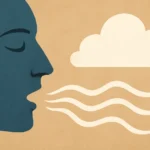
Cultivate stillness: Be still and know that God is powerful and near. Practically, this can mean deliberate times of silence, breath-focused prayer, or deep listening to Scripture.
Name your fears, then rest in God: Acknowledge what unsettles you—financial strain, health concerns, conflict—and let God’s presence reframe your perspective.
Rehearse God’s deeds: Remembering God’s past faithfulness helps sustain hope in the present. This can take the form of journaling, testimonials in a group, or family prayers that recount how God has acted in previous seasons.
Live with communal trust: Psalm 46 is not only about personal faith; it calls for communal confidence. Encourage others, participate in shared worship, and remind one another that God’s presence binds the community together.
Balance action with contemplation: The call to be still does not preclude action; it reorients action under the sovereignty of God so that efforts align with divine purposes rather than pure anxiety.
Questions for personal meditation or small-group discussion
The following prompts can deepen understanding and application of Psalm 46:
What does it mean for God to be a refuge in your current life situation?
Which phrases in verses 1–3 most accurately describe your emotional state right now, and how might you cultivate the present help of God in that area?
In what ways does the river imagery in verses 4–5 alter your sense of God’s blessings and nourishment in difficult times?
How does the call to be still in verse 10 translate into concrete acts of trust in your daily rhythm?
What practical steps can your faith community take to embody the message of Psalm 46 in the months ahead?
Variations in interpretation: exploring semantic breadth
Readers across generations and traditions have approached Psalm 46 with different emphases. Here are a few angles you might encounter:
Pastoral and comfort-centered: Emphasizes God’s care for the vulnerable and distressed, encouraging a posture of consolation and mercy.
Liturgical and communal: Focuses on worship as a practice that fortifies collective identity and resilience in crisis.
Christological perspectives: In Christian tradition, sees the psalm as pointing toward the divine sovereignty realized in Christ and the church’s mission.
Ecological and natural-symbolism readings: Interprets the imagery of rivers, seas, and mountains as a reminder of God’s order over creation and the place of humans within it.
Practical resilience frameworks: Applies the psalm’s call to trust to personal development, crisis management, and leadership that prioritizes steadiness and mercy.
Each approach preserves the core claim of Psalm 46—that God’s presence and sovereignty offer a trustworthy axis around which life can organize, even when circumstances are unstable or frightening.
Further reflections for study and devotion
If you wish to deepen your engagement with Psalm 46, consider the following avenues:
Compare different Bible translations or study notes to observe how phrases of trust and imagery shift slightly and what that reveals about interpretation.
Spend a week focusing on one verse per day, using the verse as a prayer focus and journaling any insights about God’s presence in your life.
In a community setting, read the psalm aloud together, then invite members to share a time when they sensed God’s refuge amidst trouble.
Explore how Psalm 46 interacts with other biblical passages that speak about God’s peace, such as Isaiah 9:6–7 or John 14:27, to see a fuller biblical arc of comfort and sovereignty.
A concise summary of the key truths
If you want a quick reference, here are the central affirmations of Psalm 46, highlighted for emphasis:
God is our refuge and strength: a dependable source of protection and power.
A very present help in trouble: God is near when we need him most.
There is a river in the city of God: divine life and joy flow through the faithful community.
God is in the midst of her; she shall not be moved: divine presence stabilizes the people in the tempest of history.
The Lord of hosts is with us: ultimate sovereignty accompanies the community as a guiding reality.
Be still, and know that I am God: trust and reverence dethrone fear and invite divine perspective.
Taken together, these truths form a robust blueprint for faith in a volatile world: trust in God’s protector presence, remember God’s deeds, and cultivate a posture of reverent stillness before the divine mystery.
Closing reflections on Psalm 46
Psalm 46 remains an enduring resource for anyone navigating uncertainty. Its poetry does not pretend that danger never happens, but it asserts that danger does not have the final word. In a world where the ground seems to move under our feet, the psalm offers a counter-sovereignty: a God who is close, a people who can endure, and a call to worship that binds hearts together in the midst of storms.






Leave a Reply