Psalm 23 Explanation Verse by Verse: A Comprehensive Verse-by-Ververse Guide
Psalm 23 is one of the most cherished passages in biblical poetry, prized for its intimate imagery, steady assurance, and practical application to everyday life. Attributed to David, this short psalm unfolds a rich theology of God's care as a shepherd who cultivates safety, rest, guidance, and blessing. The following verse-by-verse guide works through each line, offering context, interpretation, and reflection that can be used for study, meditation, or teaching. While translations differ in wording, the core rhythm remains: a personal, trusting relationship with God expressed through pastoral metaphors, moral guidance, and hopeful anticipation of divine presence in every season.
Verse-by-Verse Exploration
Verse 1
The Lord is my shepherd; I shall not want.
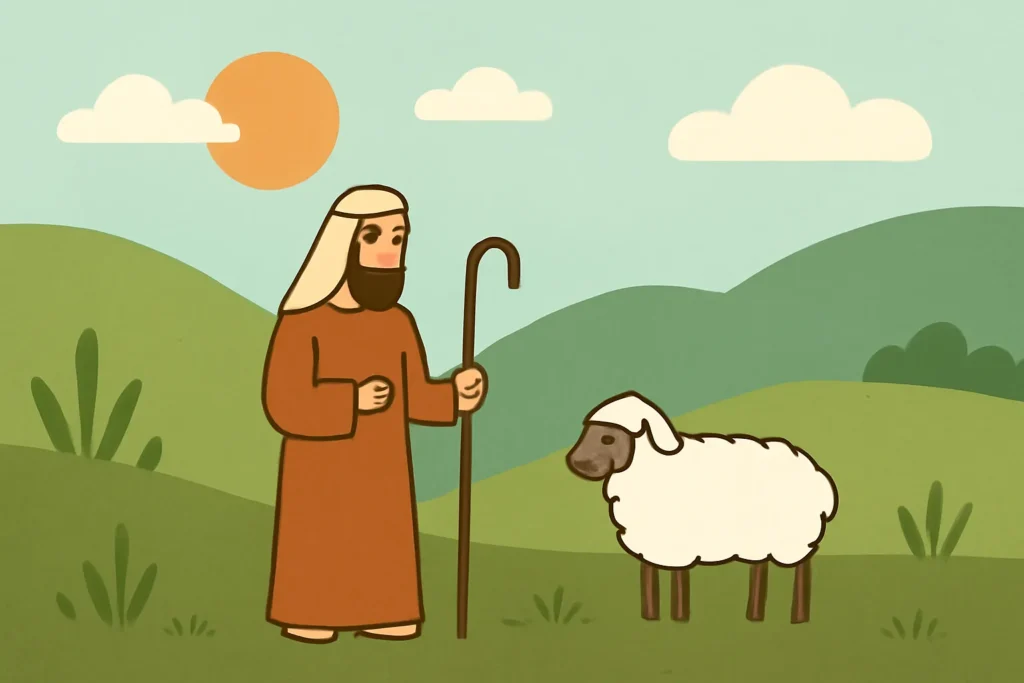
In this opening line, the speaker declares a personal, intimate relationship with God using the image of God as shepherd. The words emphasize both leadership and care. To say The Lord is my shepherd conveys a mutual belonging: the Psalmist is not a distant worshiper but a dependent follower under a guiding guardian. The phrase I shall not want signals a profound sense of supply and sufficiency. It does not promise freedom from all hardship, but rather assurance that God’s provision covers essential needs and desires aligned with a life shaped by trust. Across translations, the sense persists: God as caretaker, the believer as dependent, and contentment as the outcome of living under divine guidance. Key nuances to notice include the shepherd’s responsibility, the personal pronoun, and the outcome of security rather than scarcity. In practice, this verse invites the reader to reframe scarcity as an invitation to lean on God’s enough-ness rather than chasing self-sufficiency.
Shepherd as protector, guide, and provider
My indicating intimate relationship rather than anonymity
Shall not want pointing to sufficiency and contentment in God
Watering a deeper trust that leads to peaceful dependence
Translations may render emphasis slightly differently. In some versions, the verb tense suggests ongoing sufficiency, while others highlight the present experience of care. Regardless of wording, the verse centers on relationship as the foundation of security and purpose.
Verse 2
He maketh me to lie down in green pastures: he leadeth me beside the still waters.
The second verse expands the portrait with two complementary images: rest and provision. A shepherd who maketh me to lie down suggests divine intervention that allows the believer to rest in safe, nourishing environments. The emphasis on green pastures communicates abundance and sustenance, while still waters speak to peace, safety, and refreshment. The wording implies intentional care—God arranges conditions in which the soul can settle, recover, and regain vitality. For readers, this invites reflection on places or seasons of life that feel still and nourishing, and it invites trust in God’s timing and selection of circumstances.
Lie down as a posture of rest and trust, not fatigue or passivity
Green pastures symbolize abundance, nourishment, and thriving in God’s care
Still waters imply safety, calmness, and renewal for the soul
Restful living as a spiritual discipline that reorients energy toward God’s purposes
In some translations, the images may shift slightly—pastures may be described as fertile or tranquil, waters as still or quiet. Yet the core message remains constant: God provides spaces of rest that restore vitality and civic-minded wholeness to the believer’s life.
He restoreth my soul: he leadeth me in the paths of righteousness for his name's sake.
The third verse centers on inner renewal and moral direction. The phrase restoreth my soul points to spiritual revival, emotional healing, and a renewed sense of purpose. The term soul (Hebrew nephesh) encompasses life, vitality, and the inner person, not merely intellect. Following that renewal, the shepherd guides the believer along paths of righteousness, which express a life aligned with divine justice and integrity. The clause for his name’s sake anchors this guidance to God’s own reputation and character. God’s leadership is not arbitrary; it reflects the desire to honor God’s own name, name being a symbol of identity and authority in the ancient world. Readers may reflect on times when renewal came after hardship and how moral choices were shaped by a sense of divine purpose.
Restoreth my soul signals renewal, healing, and reinvigoration
Paths of righteousness denote moral direction and ethical living
For his name's sake grounds obedience in God’s own identity and glory
The combination of inner renewal and outer guidance suggests a holistic journey of faith
Different translations capture shades of meaning. Some emphasize returning to life or restoring the inner person, while others highlight the discipline of upright living that accompanies shepherd-led guidance. Across versions, the trajectory is consistent: spiritual revival follows the path of righteousness under divine leading, always with God’s character as the motive force.
Verse 4
Yea, though I walk through the valley of the shadow of death, I will fear no evil: for thou art with me; thy rod and thy staff they comfort me.
The fourth verse confronts danger—the valley of the shadow of death—with a bold declaration of courage. The phrase captures vulnerability, risk, and the possibility of fear. Yet the Psalmist asserts I will fear no evil, not because danger disappears, but because God’s presence is constant and intimate. The rod and staff symbolize the shepherd’s protective tools: the rod defends, while the staff guides and corrects. Together they offer comfort and security. This verse invites readers to trust God not only in tranquil places but also in dark, treacherous corridors—knowing that divine companionship transforms fear into steadiness. It also foregrounds the idea that discipline and guidance from God are a source of comfort, not punishment alone, in times of peril.
Valley represents testing, danger, or uncertainty
Shadow of death communicates existential fear but is tempered by trust
Presence of God as the central source of courage
Rod and staff as instruments of protection, guidance, and correction
Translations vary in the intensity of the fear language, but the core conviction remains: God’s companionship dispels fear. Some renderings emphasize the journey through the valley, while others highlight the ongoing protection that accompanies the traveler. In all cases, the verse blends danger with divine closeness, creating a paradox of risk met by grace.
Verse 5
Thou preparest a table before me in the presence of mine enemies: thou anointest my head with oil; my cup runneth over.
The fifth verse shifts from pastoral care to overt blessing in the midst of adversity. The table represents abundant provision—hospitality, nourishment, and honor—even when enemies are nearby. The imagery of God anointing my head with oil connects to ceremonial blessing, vitality, and the recognition of worth. In biblical culture, oil is a sign of favor, healing, and consecration. The line my cup runneth over uses a vivid metaphor for overflow—joy, abundance, and generosity beyond the immediate needs. Taken together, the verse communicates that God’s blessings are not withheld in the face of opposition; rather, divine generosity can be evident and conspicuous in hostile circumstances. The contrast between blessing and enemies underscores a robust confidence in God’s protection and provision regardless of external threats.
Table indicates hospitality, abundance, and presence in a social setting
Anointest my head with oil signals honor, vitality, and divine favor
Cup runneth over suggests joy, generosity, and uncontainable blessing
The setting in the presence of enemies highlights steadfast trust amid opposition
As with other verses, wording differs across translations. The essential idea is that God’s goodness extends beyond the safety of pastoral scenes into the very heart of conflict, blessing the believer in visible, tangible ways. The oil and the cup imagery often invites readers to reflect on personal experiences of being blessed in difficult seasons, reinforcing the conviction that divine benevolence can prosper amid adversity.
Verse 6
Surely goodness and mercy shall follow me all the days of my life: and I will dwell in the house of the Lord for ever.
The final verse extends the themes of course and destiny: goodness and mercy accompany the believer’s life, promising a lifelong trajectory of benevolence and steadfastness. The verb shall follow me conveys a sense of ongoing, active divinefavor, not a one-time gift. The psalm culminates in a decisive note of perennial belonging: the speaker will dwell in the house of the Lord forever. The house of the Lord is a metaphor for God’s intimate presence, sanctuary, and communal life. The word forever points toward eschatological hope—an enduring relationship with God beyond mortal time. For readers, this verse invites perseverance, gratitude, and trust that life’s journey is oriented toward an ultimate, abiding communion with God.
Goodness and mercy personify God’s benevolent character and action
Follow me communicates ongoing care and blessing
Dwell in the house of the Lord expresses perpetual presence and belonging
Forever anchors the psalm in enduring hope beyond mortality
Translations differ in cadence and nuance. Some render “surely” as a strong affirmation or certainty; others use “surely” to emphasize the inevitability of God’s goodness. Regardless of the phrasing, the message remains consistent: a life shaped by God’s leadership ends in secure, intimate relationship with God that transcends the hardships of this world. Psalm 23 thus brings a forward-looking, hopeful horizon that invites faithful living in light of divine fidelity.
Key Themes and Theological Highlights
Relationship with God: The image of a personal, caring shepherd frames the believer’s life as a secure, intimate journey with God.
Provision and rest: Green pastures and still waters symbolize physical sustenance and inner peace—both essential to a healthy life of faith.
Renewal and direction: Restoration of the soul and paths of righteousness highlight inner renewal paired with moral guidance.
Protection in danger: The valley of the shadow of death demonstrates God’s protective presence even in life’s darkest moments.
Blessing amid adversity: A banquet table in the presence of enemies communicates abundance and hospitality under pressure.
Persevering hope: Goodness, mercy, and dwelling in God’s house point to an enduring, hopeful future.
Variations Across Translations: Verse-by-Verse Nuances
Psalm 23 is quoted and sung across many traditions, and different Bible translations render the lines with small but meaningful differences. Here are a few notes on some well-known versions:
KJV (King James Version): Traditional cadence, with phrases like “The Lord is my shepherd” and “I shall not want.”
NIV (New International Version): Contemporary language, preserving meaning while smoothing rhythm for readability; “shall not be in want” becomes “I lack nothing” in some editions.
ESV (English Standard Version): Balances literary beauty with precise wording; emphasizes ongoing actions like leadeth and followeth.
NASB (New American Standard Bible): Very literal rendering that preserves the nuance of verbs such as maketh, leadeth, and anointest.
MSG (The Message): A paraphrase that aims to capture the feel and resonance of the psalm in contemporary language, sometimes reshaping imagery for modern readers.
Across these translations, the core ideas persist: God’s intimate care as shepherd, the invitation to rest, the call to righteous living, steady companionship through danger, generous blessing, and the confident hope of eternal dwelling with God. The differences in wording can actually enhance understanding by revealing subtle shades of meaning—whether one seeks the poetic cadence of the KJV or the accessible clarity of modern paraphrase.
Practical Reflections: How to Apply Psalm 23 Today
Trust as daily practice: Begin each day with the posture of a sheep listening to the shepherd, inviting God to lead you toward nourishment and peace.
Rest as spiritual discipline: Embrace moments of stillness as invitations to recover and be renewed for service and witness.
Confident courage: In times of danger or uncertainty, cultivate the assurance that God’s presence cannot be removed by circumstance.
Hospitality of blessing: When resources or opportunities are scarce, choose to recognize and share the abundance God provides, mirroring the feast-like imagery of the table.
Grace in daily life: Let goodness and mercy shape how you relate to others—extending grace, pursuing justice, and cultivating mercy in relationships.
For personal devotion, consider pairing each verse with a short reflection or journaling prompt. For example, after verse 1, write about what it would mean for God to be shepherd in a concrete area of your life—work, family, health, or spirituality. After verse 4, reflect on a current “valley” and identify how God’s presence has provided courage or how you can invite God’s guidance into the situation.
Understanding Psalm 23 benefits from appreciating its place in ancient Near Eastern literature and Israelite worship. The figure of a shepherd was common in pastoral societies, where the shepherd’s duties included guiding flocks to feed, protecting against predators, and comforting in times of danger. While David writes from a personal perspective, the imagery resonates with a communal sense of provision and protection that would have been familiar to ancient readers. The metaphor also carries theological weight: a shepherd’s care is a proxy for divine care, expressing trust in a God who personally attends to the needs of the people.
In addition, the psalm employs a sequence that moves from external provision (food, water) to internal renewal (soul restoration), to moral guidance (paths of righteousness), and finally to enduring hope (goodness, mercy, and a dwelling with God forever). That progression mirrors biblical themes of creation, fall, restoration, and eschatological hope. The psalm’s rhythm—rest, guidance, protection, blessing, and eternal presence—offers a holistic pattern for spiritual living, not merely a set of comforting lines.





Leave a Reply