Passover Feast in the Bible: Meaning, History, and Rituals Explained
Passover Feast in the Bible: Meaning, History, and Rituals Explained
The Passover feast is one of the most historically significant and theologically rich celebrations in the Bible. Known in Hebrew as Pesach, it anchors the story of Israel’s deliverance from slavery in Egypt and it also sheds light on later biblical teachings about identity, covenant, and worship. This article surveys the biblical meaning, the historical trajectory, and the core rituals surrounding the Passover—often referred to in English as the Paschal feast or the Feast of Unleavened Bread—and it traces how these motifs develop across the biblical text and into later religious tradition. It also considers how Jesus and the early Christians read the Passover, which has left a lasting imprint on Christian remembrance and liturgy.
Meaning and significance: what the Passover commemorates in the biblical narrative
At its core, the Passover is a memorial of God’s dramatic intervention to rescue the descendants of Abraham, Isaac, and Jacob from oppressive bondage in Egypt. The event is initiated by a series of judgments on the Egyptian gods, culminating in the special act of divine judgment that spares the Israelite households marked by a specific sign. The term Passover itself derives from the idea that the Lord passed over the doors of the Israelite homes while striking down the firstborn of the Egyptians (Exodus 12:12–13). This act of deliverance is not just an escape; it becomes the defining moment of Israel’s identity as a people chosen by God and bound to a covenant relationship with him.
Deliverance and redemption: The biblical story frames the night as a decisive rescue, not merely a liberation from oppression but a gifting of a new relationship with the God who acts decisively on behalf of his people.
Covenant memory: The Lord commands a perpetual remembrance, so that future generations will recall the severity of oppression and the mercy that God displayed in the night of deliverance.
Symbolic salvific signs: Blood on the doorposts and lintel serves as a visible sign of protection and of obedience to the divine command, linking the physical sign to a deeper trust in God’s saving power.
Institutional framing: The event inaugurates a festival—first a Passover night, then the broader seven-day festival of Unleavened Bread—which codifies a recurring rhythm of memory, worship, and obedience to God’s commandments.
Origins and historical background of the Passover feast
Ancient Near Eastern context and the springtime festival
Scholars emphasize that the Passover sits in a broader cultural and agricultural context of the ancient Near East, where springtime feasts often accompanied harvests and renewing cycles of life. But the biblical Pesach stands out for its unique theological claims: it is not primarily about grain or fertility rites; rather, it is about God’s redemptive action on behalf of a people and the covenant obligations that follow. The Old Testament presents Pesach as a memory event that binds history, law, and liturgy into a single living tradition. It is the hinge between Israel’s enslavement and its emergence as a nation under divine guidance, a hinge that continues to shape Jewish and Christian readings of history and salvation.
The Exodus and the Night of deliverance
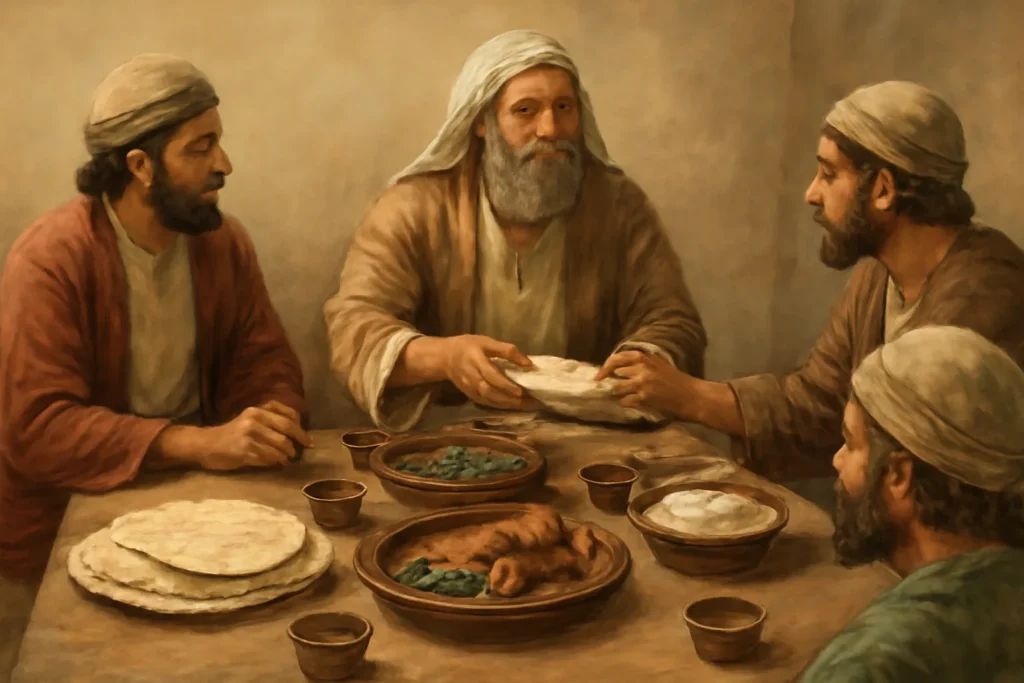
The biblical account locates the origin of the Paschal celebration in the last night the Egyptians would endure the plagues. The instructions given to the Israelites in Exodus 12 prescribe selecting a lamb without blemish, slaughtering it at twilight, and applying its blood on the doorposts and lintel of each Israelite house. The meat is to be roasted and eaten with unleavened bread and bitter herbs, and the people are to eat it in haste, ready for a journey. The Passover is followed by the decree that none of the meat should be left until morning, and any leftovers must be burned. This night culminates in the divine act of passing over the houses with blood on the doorways, sparing the firstborn of the Israelites while the Egyptians suffer the plague of the firstborn (Exodus 12:1–36).
Several features of the narrative are repeated and reinforced across the biblical text. The command that no bone of the sacrificed lamb be broken (Exodus 12:46) is later connected, in Christian interpretation, to the portrayal of Jesus as the Paschal Lamb who dies without broken bones (John 19:33–36). The emphasis on hastiness and readiness to depart also signals a shift from slavery to pilgrimage, as the people race toward a new future under God’s guidance.
Rituals and regulations in the biblical text
Beyond the night of deliverance, the biblical text develops a broader framework that shapes how the faithful should observe the feast in the years to come. The Feast of Unleavened Bread is formally linked to Passover as a seven-day festival that begins on the 15th of Nisan (the Hebrew lunar calendar). The ritual life surrounding this period emphasizes purity, remembrance, and obedience to God’s commands.
Core elements of the biblical liturgy and practice
Lamb or a suitable sacrifice: The Paschal lamb or its substitute is the centerpiece of the Passover meal in the biblical narrative, symbolizing substitutionary deliverance and the cost of redemption.
Blood on the doorposts and lintel: The sign of protection marks the households that receive mercy during the plague, linking physical space with spiritual trust in God’s promise.
Roasted, unleavened bread: The meal centers on bread baked without yeast, which becomes a lasting symbol of haste and purity—the people must depart quickly and without the time needed for bread to rise.
Bitter herbs (maror): A reminder of bitter slavery in Egypt, these herbs root the feast in memory and in the moral memory of suffering overcome by divine intervention.
No leavening in homes for seven days: The command to avoid leavening during the festival underscores the themes of repentance, removal of corruption, and separation unto God.
Willingness to depart and freedom in obedience: The festive meal is paired with a call to remember and to live in light of God’s deliverance, not to linger in past bondage.
In Leviticus 23 and Numbers 9, the biblical tradition expands the festival’s calendar and rules. The Feast of Unleavened Bread lasts for seven days, with specific prohibitions against leavening anywhere in the camp (Exodus 12:15; Leviticus 23:6–8). The book of Numbers also describes a provision for a Second Passover for those who are unable to participate at the appointed time, highlighting the festival’s centrality to national and religious life and its accommodation of varying circumstances (Numbers 9:9–14).
Paschal readings in the New Testament: Jesus and the Passover
In Christian scripture, the biblical Passover takes on new layers of meaning as it intersects with the ministry of Jesus and the early Christian movement. The Paschal motif is often used to interpret Jesus’ death as the ultimate act of deliverance—the new exodus that opens a path to salvation for all who believe. The Gospel writers frame the Last Supper as a Passover meal or as a meal honoring Passover themes, depending on their chronology and audience. This has sparked scholarly discussion about the precise timing of Jesus’ death in relation to the Passover festival, but the overarching claim remains: Jesus is presented as the fulfillment of the Paschal lamb symbolism as a sacrifice that reconciles humanity with God.
Matthew and Mark portray the Last Supper as a Passover meal in which Jesus reinterprets the traditional foods and rituals, initiating new meaning through his body and blood offerings (Matthew 26:17–29; Mark 14:12–26).
Luke emphasizes the ritual context of Passover and the injustice faced by Jesus, while also presenting Jesus as a teacher who interprets the symbols of bread and wine in light of his forthcoming sacrifice (Luke 22:7–23).
John places a strong chronological emphasis on Jesus’ crucifixion in proximity to the Passover, weaving together the themes of light, life, and liberation with the deep symbolism of the Passover festival (John 1:29; 19:31–36).
Across these texts, the term Pascha (the Greek equivalent of Pesach) is used to connect Jesus’ work with the salvific acts of the Exodus. The shift from ritual remembrance of liberation to the theological claim of universal redemption is one of the defining features of the biblical interpretation of the Passover in Christian thought.
Theological themes and symbols associated with the Passover feast
Several motifs recur across the biblical literature that illuminate why the Passover remains central to biblical faith. These themes also help readers understand how the festival functions within worship and memory across generations.
Deliverance and salvation: The night of the Passover is a night when God acts decisively to free a people from oppression, setting them on a path toward covenant life.
Blood as protection: The blood on the doorposts becomes a sign of divine mercy, a visible symbol of the people’s trust and obedience in God’s word.
Faith and obedience: Observing the command requires trust in God’s guidance, readiness to depart, and willingness to rely on divine provision for the journey ahead.
Identity as a people set apart: The observance reinforces the Israelites’ identity as the family of God—redeemed and consecrated to live under God’s laws and guidance.
Foreshadowing of messianic hope: In Christian interpretation, the Paschal Lamb becomes a symbol pointing to Jesus as the fulfillment of salvation history, a motif that recurs in the apostolic writings and early Christian theology.
Rituals and liturgical memory: how the Passover is observed in biblical and post-biblical times
In the biblical period, the Passover and the Feast of Unleavened Bread were tied to temple worship and family observance. The temple era added layers of liturgical practice, animal sacrifices, and priestly participation, especially during the temple-based Passover pilgrimage in Jerusalem. Even after the destruction of the Second Temple, the memory of Passover persisted in Jewish practice through home-centered rituals and the later development of the Seder. While the Bible does not codify a full Seder as it is known in medieval and modern Judaism, it does lay the essential groundwork: a ritual meal, the eating of the unleavened bread, the sharing of bitter herbs, and the remembrance of God’s mighty acts of salvation.
In addition to the core biblical elements, later Jewish tradition elaborated on the festival with liturgical texts, prayers, and interpretive readings that retell the Exodus narrative and draw out moral and spiritual lessons. The Haggadah, a later rabbinic text used at the Passover seder, gathers scriptural passages, rabbinic commentary, and poetic songs to guide households through the retelling of the liberation story. Though the Haggadah is not part of the biblical corpus, its lineage is rooted in biblical memory: it preserves the sense that Passover is a moment of education about God’s acts in history and a call to faithfulness in present life.
Passover within Jewish and Christian traditions: divergent readings, shared memory
The Passover is a shared biblical memory that informs both Jewish practice and Christian theology, yet each tradition reads the festival through its own lens. In Judaism, Pesach is primarily a festival of liberation, covenant faithfulness, and the ethical call to imitate God’s mercy by pursuing justice for the oppressed. The ritual calendar—Passover night, the seven-day period of Unleavened Bread, and the annual pilgrimage to Jerusalem in ancient times—continues to shape communal identity and family life, emphasizing gratitude, repentance, and social responsibility.
In Christian interpretation, the redemption depicted in the Passover narrative is seen as pointing to a greater fulfillment in Jesus Christ. The biblical authors present Jesus as the Paschal Lamb who takes away the sin of the world, and the Last Supper is read as a transformative event that inaugurates the New Covenant in his blood. This reading culminates in the liturgical cycles of Holy Week and Easter in many Christian traditions, where the themes of liberation, sacrifice, and new life are celebrated with renewed emphasis on grace and salvation.
Common questions about the Passover feast in the Bible
As readers engage with the biblical material, several questions frequently arise. Here are concise explanations to help clarify the landscape of meaning and practice.
Was the Passover exactly the same as the later Feast of Unleavened Bread? The biblical text treats Passover as the one-night event that inaugurates the seven-day festival of Unleavened Bread. The two are closely linked, with Passover beginning on the 14th of Nisan and the week-long observance extending from that date. In later editions of the biblical law, they are intertwined as a single festival with ongoing agricultural and ceremonial significance.
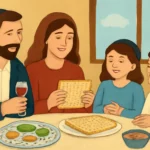
What foods are essential to the biblical Passover? The text foregrounds the lamb (or a substitute if a lamb could not be sacrificed), unleavened bread, and bitter herbs. While later Jewish practice adds other symbols, such as haroset, the biblical mandate centers on the three primary elements as a memory of the night of deliverance.
What is the significance of the blood on the doorposts? The blood is a sign of protection and faith. It shows obedience to God’s command and signals the households that belong to the community of the living God who acts to save and redeem.
How does the Passover relate to Easter in Christian tradition? Christians often see Jesus’ death and resurrection as a fulfillment of Passover symbolism—that is, Jesus as the Paschal Lamb whose sacrifice effectually delivers humanity from sin. The connection is theological and symbolic, linking the Old Testament act of liberation with the New Testament message of salvation.
Modern reflections and ongoing legacy
Today, the biblical Passover remains a dynamic intersection of history, liturgy, and ethics. In Jewish communities around the world, the Pesach festival is celebrated with a home-centered Seder that retells the Exodus story, interprets the symbols, and invites younger generations into a living tradition. The practice emphasizes questions, dialogue, and acts of hospitality—an echo of the biblical call to remember and to live in obedience to God’s will. The emphasis on freedom, dignity, and justice resonates in contemporary social ethics, reminding communities that God’s acts of salvation carry forward into present-day hopes and responsibilities.
In Christian communities, the Passover motif continues to inspire preaching, worship, and liturgical calendars. The concept of Jesus as the Paschal Lamb informs Christmas and Easter celebrations, baptismal imagery, and Eucharistic theology. Across diverse Christian traditions, the language of Passover remains a powerful symbol of liberation, sacrifice, and the invitation to participate in a divine redemptive work that transforms individuals and communities.
A concise summary: why the Passover feast endures in biblical memory
From its biblical origins to its enduring legacy, the Passover stands as a multi-faceted monument in the biblical record. It is a story of deliverance, a story of obedience, and a story of the covenant between God and his people. Its ritual core—lamb, unleavened bread, and bitter herbs—functions as a tangible expression of a hidden spiritual drama: God’s mercy, human faith, and the transformative power of remembering who God is and what he has done. As readers far removed from ancient Egypt contemplate the Passover, they are invited to consider not only historical memory but also the present reality of freedom, responsibility, and hope in light of God’s ongoing acts of salvation.
Selected biblical references and terms for further study
For readers who wish to explore the biblical passages and terminology that undergird the Passover narrative, here are some guiding references and key terms. These anchor the article’s themes in concrete biblical text and offer starting points for deeper study.
Exodus 12 (the original instructions for the first Passover, including the lamb, blood on the doorposts, and the path of the Israelites out of Egypt).
Exodus 12:1–28 (the calendar-setting details, the sign of the blood, and the observance for future generations).
Leviticus 23 (the explicit connection between Passover and the Feast of Unleavened Bread within the liturgical calendar).
Numbers 9 (the provision for the Second Passover for those unable to observe at the appointed time).
Exodus 12:46 (the prohibition against breaking any bone of the lamb).
John 19:33–36 (the Johannine reflection on Jesus’ death as the fulfillment of the Paschal lamb symbolism).
Matthew 26:17–29, Mark 14:12–26, Luke 22:7–23 (the Last Supper as a Passover meal and its theological reinterpretation).
Luke 22 (the context of the supper and the sending of the disciples to prepare the Passover).
Exodus 12:12–13 (the reason behind the name Passover and the model of divine protection).
Note on terms: In biblical language, you may encounter variations such as Passover, Pascha (Latin/Greek loanwords), Pesach (Hebrew), and the broader label Feast of Unleavened Bread. Each term highlights a distinct facet of the same biblical festival: sacrifice, deliverance, purity, and covenant life. The biblical text foregrounds unleavened bread (rather than leaven) as a marker of urgency in leaving Egypt, while later tradition expands the symbolism to include a broader ceremonial framework that is still anchored in the ancient narrative of liberation.






Leave a Reply