Jesus in the Garden of Gethsemane: Meaning, Prayer & Betrayal
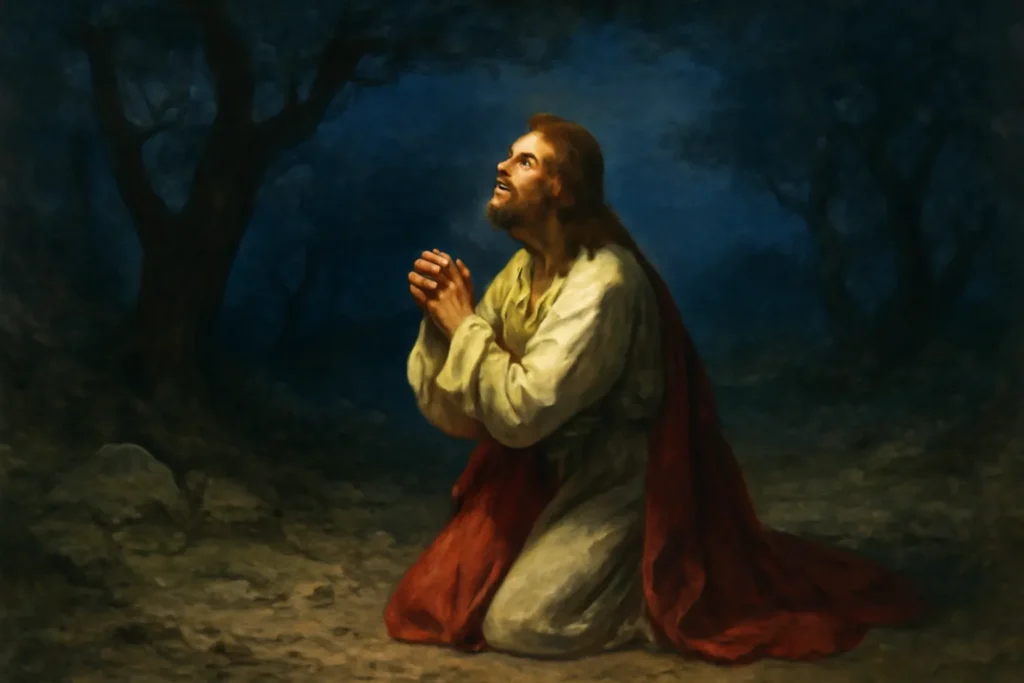
The scene commonly known as the Garden of Gethsemane sits at a threshold in the Christian narrative: a moment when Jesus bears not only physical weariness but a profound weight of impending sacrifice. This article travels through the layers of meaning in the garden, the power and rhythm of the prayer offered there, and the wrenching moment of betrayal that follows. By examining the garden scene from multiple angles—historical context, gospel accounts, theological interpretation, and practical lessons for readers and worshipers—we can better grasp why this moment, often called the garden ordeal, continues to shape faith, reflection, and practice.
In looking at Jesus in the Garden of Gethsemane, we encounter a synthesis of human vulnerability and divine resolve. The garden is not merely a backdrop; it is a quiet, symbolic space where the drama of salvation begins to tilt toward its climactic hour. The phrase in the garden or the garden scene can be found across traditions that recount the episode, reflecting how readers and communities have engaged with the event across centuries.
The Setting: Gethsemane, the Mount of Olives, and a Place of Prayer
The phrase Gethsemane carries layers of meaning. In the original language and historical memory, it links to an olive press—the place where olives are crushed to release oil. This imagery—pressure yielding life-giving oil—has invited rich symbolic readings about burden, purification, and anointing. The Garden of Olives sits on the Mount of Olives, just outside the old city walls of Jerusalem, and its quiet pathways offered a solitary setting for someone who had just entered the week that would lead to crucifixion.
In the gospel narratives, the garden becomes a place of withdrawal, where Jesus seeks proximity to the Father in the hour of greatest trial. The contrast between the public demands of the week—crowds, opposition, political pressure—and the private, intimate prayer in the garden underscores a central dimension of the story: suffering is not merely physical but existential, a struggle that engages heart, will, and allegiance to the divine plan.
Location: outside the city, alongside the Mount of Olives, near an olive grove.
Atmosphere: quiet, tense, heavy with impending events, yet also a space of intimate dialogue with God.
Symbolism: the olive tree imagery, the pressing of oil, and the notion of anointing for service and suffering.
Across Christian art and music, this setting is often depicted as a place where the divine and human meet in quiet arresting stillness. The garden becomes a lens through which believers explore questions of obedience, fear, and fidelity.
Scriptural Accounts: The Garden in the Gospels
The garden episode is described in all four canonical gospels, though with distinctive emphases. Taken together, the accounts illuminate both the chronology of events and the interior experiences of Jesus.
Matthew’s account: a summons to watchfulness and ultimate surrender
In Matthew 26, the garden sequence unfolds after the Last Supper. Jesus warns his disciples to stay awake and pray, for the spirit is willing but the flesh is weak. The narrative emphasizes the human struggle: Jesus goes a little farther, falls on his face, and prays for strength to endure what lies ahead. The word used for his distress—"greatly distressed" or "sorrowful unto death"—points to a depth of sorrow that the gospel writer links to the fulfillment of his mission.
The key moment in Matthew centers on submission: not my will, but yours be done. This articulation of obedience becomes a model for discipleship, inviting readers to measure their own prayers against the gravity of surrender to the divine will.
Mark’s succinct and urgent version
In Mark 14, the garden scene is brisk, almost cinematic in its pace. Jesus prays in a posture of earnest petition, returning to find the disciples asleep, and then leaves again to pray. The narrative highlights the tension between human frailty and divine purpose, culminating in the calm determination of Jesus to proceed with his path toward the crucifixion.
Luke 22 offers perhaps the most vivid emotional texture. Luke writes that Jesus prays with more intensity, and an angel appears to strengthen him. The standout moment—“his sweat was like drops of blood falling to the ground”—has resonated deeply in Christian imagination as a symbol of extraordinary travail and supernatural grace under pressure. Luke’s account emphasizes the humanity of Jesus (in anguish and sweat) while also affirming the divine accompaniment in the hour of trial.
John’s garden as a prelude to confrontation
The Gospel of John does not dwell on the physical agony in the garden as explicitly as the other three gospels, but it frames the garden rite as a decisive moment of obedience and revelation. For John, the emphasis shifts toward the unfolding recognition of Jesus’ identity, the weight of his mission, and the conviction that the Father’s time has come to fulfill the redemptive plan.
The Agony in Gethsemane: Emotional Depth and Theological Significance
The term agony linked to this garden scene captures more than physical distress. It encompasses spiritual struggle, moral weight, and existential decision. The emotional texture of the scene invites readers to imagine a unique form of suffering that arises when a righteous path collides with a looming cross.
Several strands of interpretation emerge:
Human solidarity: Jesus stands with humanity in vulnerability, modeling courage in the face of fear.
Divine obedience: The willingness to submit to the Father’s plan even when the cost is immeasurable.
Spiritual warfare: The garden is depicted as a battleground of loyalties—for Jesus to choose faithfulness over self-preservation.
Scriptural expectancy: The garden scene culminates in a moment that sets in motion the events of Holy Week, pointing toward the passion, crucifixion, and resurrection narratives that follow.
The internal struggle is not a sign of weakness but an essential dimension of the mystery of incarnation: a being who is fully divine and fully human seeking fidelity to a divine vocation.
The Prayer in Gethsemane: Petition, Submission, and Covenant
The central moment in the garden is not merely an expression of distress but a formal act of prayer. Jesus in prayer articulates a request that is both urgent and reverent: “If it is possible, let this cup pass from me; nevertheless, not my will, but yours, be done.” This phrase has become a touchstone for contemplative life, a model for how believers bring their most painful questions before God while remaining anchored in divine purpose.
Interpreters note several dimensions within this prayer:
A petition for relief: The request that the path ahead might be altered if a different solution exists.
Recognition of the cup: The “cup” is a potent symbol for the suffering, burden, and final alignment with God’s redemptive plan.
Submission as trust: The active surrender to God’s will, even when the outcome remains unseen or painful.
Communal prayer: The motif of asking for strength is paired with an appeal for companions—the disciples—who, in Luke’s account, fail in their watchfulness, prompting a meditation on fidelity and companionship in prayer.
The garden prayer is often interpreted as a model of perseverance in prayer for readers who face difficult choices. It teaches that real prayer involves honest wrestling, precise language about one’s needs, and a courageous acceptance of God’s ultimate plan.
Language of the Passion and the Cup
The language of the “cup” reappears throughout biblical literature, signaling a baptism into suffering and a conferment of mission. In the garden, the cup is not merely about physical pain but the moral and spiritual weight of bearing sin, bearing judgment, and bringing about a new covenant. The intensity of language used in the garden emphasizes that the redemption narrative is inseparable from a moment of desperate prayer, sincere longing for another way, and steadfast submission to divine sovereignty.
The Betrayal and the Arrest: Judas, the Kiss, and the Collapse of Secrecy
The garden scene shifts abruptly from prayerful intensity to the intrusion of betrayal. Judas Iscariot, who had previously shared meals and ministry with Jesus, arrives with a cohort of soldiers. The famous moment of betrayal comes through a kiss—a gesture of affection turned signal of treachery. In the garden, the betrayal exposes Jesus’ identity to the authorities, enabling the arrest that will lead to trial and crucifixion.
The reactions of Jesus’ companions in the garden further illuminate themes of loyalty and human frailty. The disciples who had been summoned to stay awake fail in the moment of testing; Peter’s impulsive defense of Jesus with a sword marks a human instinct to protect life, but it is not the path that aligns with the divine plan. Rather than resisting the arrest through force, the narrative emphasizes the submission of Jesus to the process, even as his closest followers respond with fear and confusion.
Judas’ kiss as a signal to the authorities.
Arrest at night, which underscores the clandestine atmosphere and the tension between secrecy and revelation.
Peter’s cutting-off of the ear in some gospels, illustrating martyr-like zeal that is redirected toward the unfolding destiny rather than immediate action.
The betrayal in the garden is not merely an act of treachery; it functions as a hinge in salvation history. It transitions the narrative from intimate prayer to public trial, from the garden’s hush to the crowded spaces of judgment, and from the quietness of a private moment to the loudness of the cross.
Theological Significance: Meaning, Sacrifice, and Atonement
The garden scene embodies central strands of Christian theology. It is a crucible in which the mystery of incarnation, atonement, and redemption is rehearsed in miniature. For many theologians, the events in Gethsemane reveal the depth of Jesus’ obedience to the Father and demonstrate the seriousness with which the divine plan for humanity's salvation is undertaken.
Different traditions highlight various aspects of the garden moment:
Vicarious suffering: Jesus bears the weight of humanity’s sin, not merely as an abstract idea, but in a concrete, intimate moment of anguish.
Divine solidarity: God the Father stands with the Son in the narrow corridor between desire and duty, resistance and acceptance.
Redemption’s timing: The garden marks the point at which the passion narrative becomes unavoidable, pushing forward toward the cross and then the empty tomb.
Meaning for believers: The scene invites readers to contemplate how to align their own will with God’s, especially in moments of fear, temptation, or uncertainty.
For many readers, the garden becomes a lens through which to examine the ways faith struggles and ultimately commits to a larger narrative—one that transcends personal comfort in favor of a broader good.
Ethical and Spiritual Lessons from the Garden Scene
The episodes in the garden offer practical guidance for contemporary life. While theologians debate the exact mechanics of atonement and the scope of Jesus’ atoning work, the garden scene speaks a language of courage, honesty, and fidelity that can translate into daily practice.
Honest prayer: Bring before God the full range of emotions—fear, longing, pain—without pretense, while remaining open to God’s will.
Submission and trust: Even when the path ahead is unclear, trust that obedience to divine vocation can be a path toward life greater than personal relief.
Spiritual companionship: The disciples’ failure in vigil reminds readers to cultivate communal support in prayer, not only private devotion.
Readiness for sacrifice: The garden invites believers to consider what they would be willing to endure for a greater good or divine purpose.
The garden’s moral argument is not about winning or losing a contest of faith but about the integrity of loyalty when confronted with hard decisions. It invites a practical discipline: to ask, in moments of testing, how one’s choices reflect alignment with a higher purpose rather than personal ease.
Gethsemane in Art, Music, and Liturgy
Across the centuries, artists, composers, and liturgical writers have drawn on the garden scene to inspire devotion and to invite congregations into a contemplative encounter with suffering and obedience. Paintings often portray the agonizing prayer of Jesus in the moonlit garden, sometimes with the sleeping disciples nearby, emphasizing the contrast between vigilance and fatigue. In music, motifs of struggle, surrender, and quiet trust have been woven into hymns and motets that accompany Holy Week observances.
In worship settings, the garden has served as a focal point for meditation on submission to God’s will and on the strength that emerges from intimate relationship with the divine. Sermons and devotional readings may invite believers to reflect on the phrase “not my will, but yours”, translating it into daily habits—how one responds to hardship, how one prays for guidance, and how one chooses obedience when it costs.
Iconography: depictions of the garden scene in icons, frescoes, and stained glass.
Liturgical moments: readings during Holy Week, especially around Maundy Thursday, that focus attention on the garden account.
Contemplative practice: meditative prayers or guided reflections anchored in the garden’s themes of prayer and surrender.
Variations in Interpretations Across Traditions
The garden episode, while sharing a unified core, invites diverse readings across Christian traditions. In Catholic, Orthodox, and Protestant contexts, the garden is variously interpreted as:
Christological focus: an articulation of who Jesus is—the Son who fully embraces the mission through voluntary submission.
Ministry model: a pattern for disciplined prayer and fidelity under pressure.
Atonement framework: a case study for different theories of how Jesus’ suffering contributes to the redemption of humanity.
Pastoral application: a resource for comforting those who bear heavy burdens, encouraging them to bring their pain before God and seek strength in covenant faithfulness.
Early church fathers, theologians, and reformers have all reflected on the garden’s meaning, often drawing attention to how the episode reveals the character of Jesus, the seriousness of the covenant, and the intimate bond between the Father and the Son. While interpretations may differ on nuances such as substitutionary atonement or moral influence, the garden scene remains a shared focal point for contemplating obedience, suffering, and divine love.
Today, many readers encounter the Garden of Gethsemane as a living invitation: to pause, to listen, and to align one’s own will with God’s purpose. The narrative power of the garden lies partly in its universality—anyone who has faced a difficult choice can recognize the pull between relief and fidelity, between self-protection and the trust that a larger good is at stake.
Consider the garden as a classroom for conscience and character. When seasons of fear or uncertainty arise, believers can draw from Jesus’ example:
• Begin with honest prayer that names one’s deepest fears and desires.
• Seek strength through connection to the divine will, not merely through personal resolve.
• Engage trusted companions for support in discernment, recognizing that vigilance is a communal practice as well as an individual one.
• Remember that ultimate victory in the Christian story comes not through avoidance of pain but through the courage to endure it in faithfulness to God’s plan.
In devotional life, the garden remains a potent symbol of transformation: from fear to faith, from dependence on self to reliance on the Father. The episode also raises important questions about justice and the weight of bearing witness in a world facing conflict, offering a space for readers to reflect on how their own lives might echo the obedience and courage modeled in this sacred moment.











Leave a Reply