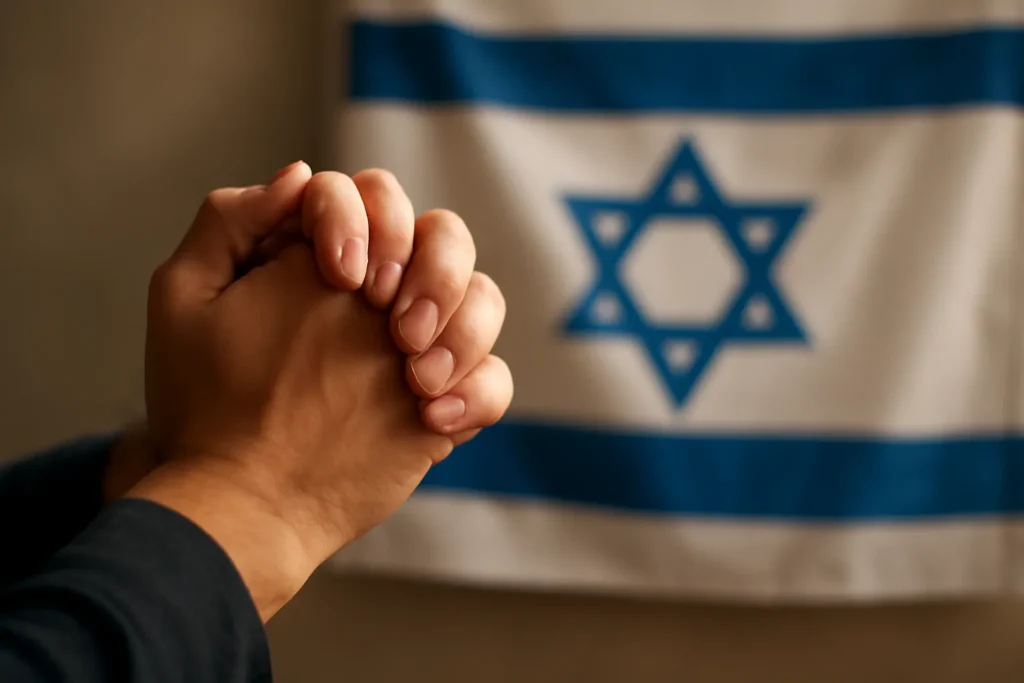
Intercessory prayer for Israel is a practice in which individuals or communities lift up the nation of Israel, its people, and its leaders before God with a desire for blessing, protection, wisdom, and peace. This form of prayer is rooted in a long tradition of intercession found in many faith communities, and it often operates at the intersection of faith, hope, empathy, and responsibility. When people speak of intercessory prayers for Israel, they are communicating a commitment to stand with the country in difficult times, while also seeking justice, reconciliation, and lasting safety for civilians.
In many contexts, intercessory prayer for Israel is performed within a broader call to prayer for peace in the Middle East, for regional stability, and for the dignity and flourishing of all communities that live within or near Israel’s borders. The practice can take many forms—from personal devotional time to organized prayer services, from quiet contemplation to corporate prayer meetings. Across traditions, the core aim remains consistent: to bring spiritual hope and practical compassion into a situation that can feel overwhelming.
It is helpful to think of intercessory prayer for Israel as both a spiritual discipline and a logistical posture. The discipline involves regular, sincere, biblically informed prayer, while the posture invites believers to be responsible neighbors, to listen actively, and to respond with compassion and justice in tangible ways whenever possible.
Foundations: why people pray for Israel and what they seek
The impulse to engage in intercessory prayer for Israel often rests on a blend of faith commitments, historical ties, and humanitarian concern. For many, praying for Israel is an expression of covenantal or spiritual ties to the land and its people. For others, it is a response to current events that threaten life, stability, and freedom. Some of the most common aims in this kind of intercession include:
Safety and protection for civilians, including children, the elderly, and those who are most vulnerable.
Wisdom for leaders, negotiators, and community voices who bear responsibility for decisions that affect many lives.
Peace and a durable sense of security that allows people to live without constant fear.
Justice and humane treatment for all communities, including minority or vulnerable groups.
Healing from trauma, loss, and displacement that often accompany conflict or violence.
Humanitarian aid and practical support for those who are suffering, regardless of faith or ethnicity.
Throughout this article, you will encounter variations of the phrase intercessory prayer for Israel as people speak about different emphasis—whether focusing on security, humanitarian relief, or spiritual renewal. The breadth of language helps to express different facets of the same overarching goal: to stand with Israel in a way that honors life, dignity, and hope.
Biblical and theological foundations for interceding for Israel
For many who practice intercessory prayer for Israel, the theological basis comes from sacred texts, historical memory, and a belief that prayer can shape hearts and outcomes. While traditions vary, several common threads appear:
Moses’ intercession on behalf of the Israelites after the golden calf incident illustrates how leadership, humility, and petition before God can alter communal outcomes.
Prophetic pleas for justice and mercy repeatedly call for God to act to preserve life, restrain violence, and restore communities that are suffering.
Psalmic prayers often lift up the city and its inhabitants with a longing for peace, protection, and divine oversight.
New Testament perspectives on praying for nations
Prayers for leaders and governments appear in multiple letters, reinforcing the idea that governance and human flourishing are interwoven with spiritual practice.
Followers of many traditions are encouraged to pursue peace, justice, and reconciliation as expressions of faith, which can guide how one approaches intercessory prayer for Israel.
Examples of lament and hope in the biblical canon offer models for bringing sorrow, fear, or frustration before God while maintaining trust in a larger divine plan.
Beyond the scriptures, many communities approach intercessory prayers for Israel with a strong sense of solidarity with civilians who face danger and disruption. The theological aim is not only to request protection but also to cultivate hearts that value human dignity, mercy, and the possibility of reconciliation.
How to articulate and vary the practice: different expressions of interceding for Israel
The practice takes many forms. To ensure breadth and inclusivity in your own circle, consider these variations of the practice and the language they employ:
Intercessory prayer for Israel during daily devotionals—quiet, personal petitions for safety, wisdom for leaders, and healing for communities.
Intercessory prayers for Israel’s safety in corporate settings—structured prayers that include listening, lament, and hopeful propositions for peace.
Prayers for peace in Israel that emphasize reconciliation among diverse communities and the protection of civil liberties for all residents.
Prayers for Israel’s leaders that seek discernment, courage, and restraint in moments of crisis or negotiation.
Prayers for humanitarian aid to Israel focusing on relief for the injured, the displaced, and the vulnerable populations within and beyond borders.
Jewish-Christian solidarity prayers that acknowledge shared values of justice, mercy, and the sanctity of human life, while respecting differences in belief and practice.
Each form has value, and many communities practice a hybrid approach, rotating between lament for suffering, petitions for protection, and praise for moments of relief. The key is to align your language with your tradition's convictions while maintaining openness to the complex realities on the ground.
How to pray effectively: practical steps for intercessory prayer for Israel
If you are new to interceding for Israel, the following practical framework can help you pray with depth and consistency. It can be used for intercessory prayer for Israel, as well as for related prayers for peace and security.
Set a clear intention. Begin by naming the intention: protection for civilians, wisdom for leaders, rapid relief for the injured, or a sustainable path to peace.
Pray with Scripture or sacred texts. Use verses that speak to protection, justice, and mercy to ground your petitions in shared spiritual language.
Pray for the people. Include prayers for families, children, refugees, crisis responders, healthcare workers, and community leaders who bear the burden of conflict.
Pray for leaders and decision-makers. Request discernment, courage, humility, and a commitment to the dignity of every life.
Pray for safety and security. Petition for ceasefires, measured response to threats, and the protection of noncombatants.
Include lament and hope. Acknowledge sorrow and loss while holding onto hope for lasting peace and reconciliation.
Pray for humanitarian relief. Lift up organizations and efforts delivering aid, medical care, food, shelter, and psychosocial support.
End with gratitude. Thank God for moments of relief, resilience, and acts of generosity witnessed within communities.
In addition to structured prayers, you can cultivate a habit of listening—spending time in quiet contemplation to hear what compassion might require you to do beyond prayer, including volunteering, fundraising, or advocacy that aligns with ethical principles of justice and mercy.
Practical channels: personal, family, and community approaches
Intercessory prayer for Israel can be carried forward through multiple channels, each offering different avenues for engagement:
Personal devotion: Set aside a regular time for reflection, scripture reading, and prayer focused on Israel and related concerns.
Family worship: Involve family members, teaching younger generations about the value of praying for others and standing with those in need.
Faith community prayer: Organize or participate in a dedicated time of intercession, possibly rotating among prayer leaders to involve diverse voices.
Public or interfaith prayer evenings: Join or host events that invite multiple faith communities to express solidarity and shared hopes for peace and safety.
When creating a space for intercessory prayer for Israel in a community setting, it can be helpful to outline clear intentions, ensure sensitivity to diverse experiences, and balance petitions with advocacy for humanitarian aid and human rights where appropriate.
Addressing real-world needs: beyond prayer to compassionate action
Prayer is a powerful form of spiritual solidarity, but it is often most effective when it accompanies concrete, compassionate action. The phrase intercessory prayer for Israel can be paired with:
Supporting humanitarian organizations providing medical care, food, water, and shelter to those affected by conflict.
Advocating for policies that protect civilians and uphold human rights across communities.
Engaging in dialogue initiatives that foster mutual understanding among diverse groups within Israel and the region.
Educating oneself and others about the historical context, current events, and ethical considerations involved in the situation.
Participating in interfaith or cross-cultural partnerships that emphasize shared values such as dignity, justice, and mercy.
A robust practice of intercessory prayers for Israel often includes an accompanying mindset of generosity, service, and accountability for leaders and institutions responsible for policy and action. The aim is to convert spiritual concern into humane and constructive impact wherever possible.
Ethical considerations and community guidelines
When engaging in intercessory prayer for Israel within a community, it is important to maintain ethical clarity and sensitivity. Consider these guidelines:
Inclusive language: Use language that honors the dignity of all people affected by conflict, including civilians, refugees, and members of minority groups.
Acknowledgement of complexity: Recognize that political and security developments are multifaceted, and avoid oversimplified narratives that demean any group’s humanity.
Separation of faith and policy: Pray with a posture of spiritual concern while supporting humane policies and humanitarian relief, without endorsing violence or oppression.
Sensitivity to trauma: Be mindful of trauma histories and the psychosocial impact of violence on individuals and communities.
Honoring diverse beliefs: In interfaith or multi-faith settings, honor different convictions about the land, people, and religious significance while maintaining a shared commitment to peace and justice.
Lead with hope: scenarios, prayers, and reflections for various moments
Different moments may call for different emphases in the practice of intercessory prayer for Israel:
During escalations: Short, focused prayers for immediate safety and restraint, followed by longer petitions for ceasefire and protection of the vulnerable.
In times of memorial or loss: Laments that acknowledge pain and loss, while clinging to the hope for healing and reconciliation.
During negotiations or peace talks: Prayers for wisdom, fairness, and the courage to pursue negotiated settlements that protect life and dignity.
In everyday life: Regular, steady prayers that cultivate patience, empathy, and generosity toward those impacted by ongoing conflict or displacement.
Across these scenarios, you can weave in specific aims—such as protection for civilians, access to healthcare, reunification for families separated by conflict, and openness to humanitarian corridors—as part of your intercessory practice.
Resources and further reading for ongoing practice
If you want to deepen your practice of intercessory prayer for Israel, consider exploring resources from a range of faith traditions, humanitarian organizations, and scholarly perspectives. Examples of helpful avenues include:
Guides on daily or weekly prayer cycles focused on Israel and peace in the Middle East.
Biblical or theological commentaries that address prayers for nations, justice, and mercy.
Letters, testimonies, and reflections from communities impacted by conflict, to inform a more empathetic approach to prayer.
Networks or coalitions that coordinate intercessory prayer with volunteer relief efforts and advocacy for humanitarian aid.
It is also valuable to engage with local faith leaders or interfaith groups to learn how your community can participate in meaningful, responsible ways that align with your beliefs and values.
Maintaining humility and hope in intercessory practice
A sustained practice of intercessory prayer for Israel invites a posture of humility. The complexities of the region, the pain of people on all sides, and the long arc of history require a steady heart that resists easy answers. The most constructive practice blends faithful prayer with compassionate actions and informed advocacy. When communities practice this balance, they demonstrate a living faith that honors life and pursues justice with mercy.
In closing, remember that the goal of intercessory prayer for Israel is not merely to speak into a moment but to nurture a posture—one of steadfast care, informed reflection, and concrete generosity—so that lives may be safeguarded, communities may endure, and the possibility of lasting peace may be held before God.









Leave a Reply