Christian Prayers for Israel: Prayers, Blessings, and Hope
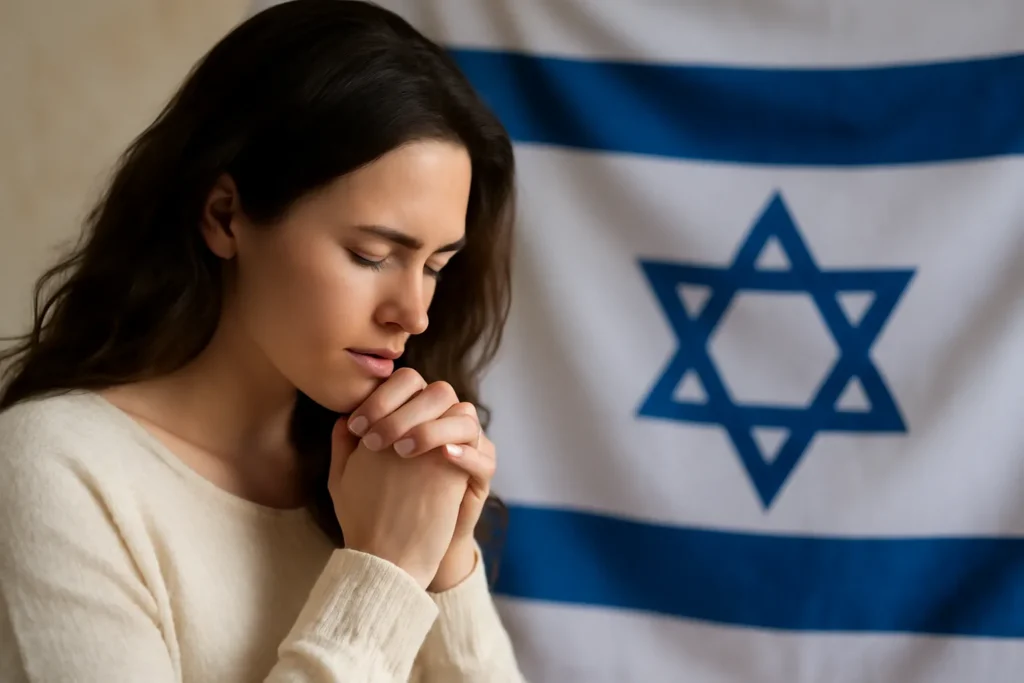
Across continents and generations, Christians have turned their hearts toward Israel in prayer, seeking God’s presence, peace, and protection for the Jewish people, the land, and those who live there. This article is a guide to understanding and practicing Christian prayers for Israel—a comprehensive look at prayers, blessings, and hope that are rooted in Scripture, shaped by tradition, and adapted for contemporary life. Whether you are praying alone, with a family, or with a church, you will find practical examples, the biblical foundations that undergird these prayers, and creative approaches to engage in intercession with sincerity and humility.
Prayer for Israel is not merely an expression of sympathy; it is a form of intercession that seeks God’s redemptive purposes in the land and among its people. It is a discipline that can strengthen faith, foster understanding, and deepen one’s commitment to justice, mercy, and peace. The themes presented here are designed to be flexible and expansive—to allow for personal devotion, small-group prayer, and public worship alike. Throughout, the emphasis is on peace, safety, healing, wisdom, and hope, undergirded by a robust biblical imagination that honors both God’s promises to Israel and God’s call to love all peoples.
The practice of praying for Israel can take many forms—liturgical prayers anchored in Scripture, spontaneous intercession, rosaries of intention, or creative expressions in song and art. What follows is an extended guide organized into sections that highlight prayers for peace, prayers for safety, prayers for healing, prayers for wisdom, and prayers for unity, as well as sections on blessings, biblical foundations, and practical guidance for praying in community. Each section offers variations to help you articulate a rich and diverse range of prayers for Israel.
Prayers for Israel: Types and Themes
Praying for Israel covers a broad spectrum of needs and hopes. Below are major themes with practical examples to help you articulate your intercession in a meaningful, biblically rooted way. You can use these as a framework for personal devotion, family prayers, or corporate worship.
Prayers for Peace
Peace is a central theme in Christian prayer for Israel, grounded in biblical calls to seek the welfare of the city where you dwell and to long for the peace that comes from God. Below are prayer prompts you can adapt for your context:
Pray for peace in the land, that streets would be safe, communities would cohere, and neighbors would show mutual respect and care.
Ask God to grant wisdom to leaders and to provide opportunities for dialogue, reconciliation, and nonviolent conflict resolution.
Pray that the church would be a witness to peaceful coexistence and that the Gospel would be heard with clarity and humility.
Prayers for Safety and Security
Israel faces complex security challenges. Prayers for safety acknowledge the vulnerability of civilians and the responsibility to protect life. Consider these elements in your intercession:
For protection of innocent people in cities and border regions.
That security forces, aid workers, and medical teams would operate with courage, restraint, and compassion.
That escalations would be avoided and a path toward de-escalation would emerge through strong diplomacy and community-led initiatives.
Prayers for Healing and Comfort
In times of pain, injury, or loss, the Christian faith offers a language of healing and a posture of consolation. Use these prompts to carry comfort to individuals and communities:
Ask God to bring healing to the injured, to comfort those who grieve, and to mend broken relationships.
Pray for relief for the weary, including families whose routines have been disrupted by conflict or pressure.
Pray that communities would find channels of care—food, shelter, medical care, and psychosocial support—during difficult seasons.
Prayers for Wisdom and Leadership
Kings, governors, prime ministers, and civic leaders influence the lives of millions. Prayers for wisdom acknowledge human responsibility while appealing to divine guiding light:
That leaders would exercise discernment, humility, and courage in making decisions that protect life and promote justice.
That policymakers would incorporate the voice of the vulnerable and seek long-term solutions that favor peace and stability.
For the church and civil society to be heard as voices of conscience, bearing witness to the value of every human life.
Prayers for Unity and Reconciliation
Division and fear can widen gaps between neighbors. Intercessions for unity focus on the common good and the dignity of all people:
That bridges of trust would be built between communities, enabling cooperation in education, health, and mutual aid.
For a renewed spirit of tolerance and empathy across religious and cultural lines.
That churches, synagogues, and community organizations would collaborate in projects that serve the most vulnerable.
Hope is a theological horizon that sustains Christians and others in difficult times. Use these ideas to pray toward a future shaped by God’s promises of renewal:
That God would renew hearts and renew communities with a sense of purpose and belonging.
For the healing of historical wounds and the opening of possibilities for long-term reconciliation.
That Israel and its neighbors would glimpse a future where justice, safety, and freedom flourish for all.
In each of these themes, you can weave in scriptural language, personal testimony, and communal laments or praises. The aim is not to produce empty words, but to align the heart with God’s desire for peace, justice, and human flourishing in the land and among its people.
Blessings for Israel: Names and People
A blessing is a form of spoken or written good will that seeks to pour out God’s favor upon a nation, its leaders, its communities, and its citizens. The Bible itself grounds blessing as a divine, merciful gift to the nations. In praying for Israel, you may offer specific blessings for various groups and contexts:
Blessings over the land: May the land yield fruit in abundance, may its natural resources be stewarded with care, and may its beauty reveal the Creator’s artistry.
Blessings for the people: May citizens experience safety, dignity, education, and opportunity, with reverence for life and the common good.
Blessings for leaders: May rulers govern with integrity, courage, and accountability, seeking peace and justice for all inhabitants.
Blessings for the church and community groups: May houses of prayer be places of welcome, mercy, and spiritual renewal, inviting neighbors to encounter God’s love.
Blessings for interfaith dialogue: May conversations be respectful, honest, and fruitful, contributing to mutual understanding and shared humanity.
In practice, you can frame blessings in short prayers or longer liturgies. Examples:
“May the God of Abraham, Isaac, and Jacob grant safety to the land and mercy to its people; may wisdom guide every decision that affects life and dignity.”
“May Israel experience peace within its borders; may the churches and synagogues flourish as beacons of hope and hospitality.”
“May righteousness roll down like waters, and justice like a mighty stream, so that all might live together with freedom and respect.”
As you pray these blessings, you may also incorporate specific intentions for humanitarian aid, education, healthcare, and economic cooperation. Blessings are not mere wishes; they are calls into God’s future, inviting God to bring about good in tangible ways.
Biblical Foundations for Prayers for Israel
A strong prayer life for Israel rests on the bedrock of Scripture. The biblical narrative invites God’s people to pray for Jerusalem, seek the welfare of the land, and bless those who bless the people of Israel. This section highlights key biblical foundations that shape Christian prayers for Israel.
Old Testament Promises and Calls
The Psalms, prophets, and historical books offer enduring motifs for prayer. Explore a few foundations that can inform contemporary intercession:
Psalm 122:6 — “Pray for the peace of Jerusalem: they shall prosper that love thee.” This verse has long served as a model for intercession, inviting God’s people to prioritize the city’s welfare.
Genesis 12:3 — “I will bless those who bless you, and him who dishonors you I will curse.” Christians often reflect on this as a summons to stand with Israel in ways that honor God and bless others.
Isaiah 62:6-7 — The call to maintain watch and prayer for Jerusalem, keeping faithfulness to the mission of being a house of prayer for all nations.
New Testament Teachings on Intercession and Solidarity
While the church is defined as a people called to all nations, the biblical impulse to intercede for Israel remains strong in the New Testament:
Romans 11 presents a complex, hopeful picture of Israel and the church—a reminder that Gentiles are grafted into the promises, and all peoples are called to be part of God’s redemptive plan.
Matthew 5:44 — Jesus’ teaching to love enemies and pray for those who persecute you, which can shape how Christians approach interfaith dynamics with humility and patience.
John 17 — Jesus’ prayer for unity among his followers; believers can extend that unity across the barriers that sometimes separate neighboring communities and traditions.
These foundations do not merely instruct what to pray; they shape how to pray—with reverence for God’s promises, a longing for justice, and a commitment to love all neighbors. When you pray for Israel, you are participating in a long history of faith that seeks God’s preferred future for all people.
Historical and Modern Practices of Praying for Israel
Prayers for Israel have taken shape in different eras and across diverse Christian traditions. Understanding these practices can enrich your own devotion and help you participate in a broader spiritual conversation that spans generations.
From the early church to the Reformation and into modern times, many believers have maintained a steady rhythm of praying for Jerusalem and the land of Israel. This has included:
Liturgical prayers in churches that emphasize God’s promises to Israel and the obligation to bless the land and people.
Seasonal fasting and intercession focused on peace in the region, especially during periods of heightened tension.
Pilgrimages and spiritual retreats that encouraged direct engagement with the land’s geography, history, and people.
Modern Practices and Observances
In contemporary Christianity, several organized practices help communities pray consistently for Israel:
Annual or multi-year prayer calendars that include specific dates, such as Psalm 122:6 and other biblical keys for intercession.
International events and networks that gather Christians to pray for the peace of Jerusalem and for the safety of its inhabitants.
Church-based intercession groups that work in partnership with mission organizations to support humanitarian relief and reconciliation projects.
Moreover, many churches teach and model intercessory prayer for Israel as part of a broader practice of praying for all nations. The goal is not to simplify conflict into a binary good-versus-bad narrative but to ask God to bring about justice, mercy, and shalom in ways that honor human dignity and reflect the gospel’s transformative power.
How to Pray for Israel: A Practical Guide
Praying for Israel can be organized and intentional, yet personal and flexible. The following guide offers practical steps you can adapt for your daily routine, family prayers, or church services. It combines biblical patterns with contemporary sensibilities so you can engage in meaningful intercession without feeling overwhelmed.
Step-by-Step Prayer Model
Adoration — Begin with worship, acknowledging God’s sovereignty over all nations and the land of Israel. Name God’s attributes—faithfulness, mercy, justice, and peace.
Confession — Confess national and personal complicity with injustice or violence, acknowledging the brokenness in all sides and seeking God’s forgiveness and restoration.
Thanksgiving — Give thanks for life, safety, and glimpses of progress, as well as for humanitarian efforts, medical aid, and acts of neighborliness among communities.
Supplication — Present specific requests for peace, safety, healing, and wisdom (as described in the sections above), and pray for steadfastness in hope.
Scripture-Guided Prayers
One effective approach is to pray Scripture back to God, letting God’s promises shape your requests. Examples include:
“Pray for the peace of Jerusalem: may they prosper who love you.” (Psalm 122:6, paraphrased for prayer)
“May the Lord bless you and keep you; may the Lord cause his face to shine upon you and grant you peace.” (Numbers 6:24-26, adapted for intercession)
“Let justice roll down like waters, and righteousness like an ever-flowing stream.” (Amos 5:24, used for petitions about social justice)
Prayer for Specific Communities and Needs
Design prayers that reflect the diverse composition of Israel: Jewish communities, Arab citizens, immigrant populations, and international residents. Provide targeted prayers for:
Educational institutions and healthcare facilities
Pastors, rabbis, teachers, and community leaders
Refugees and new migrants, including integration and protection measures
Humanitarian relief organizations and their workers
Praying with a Global Church
Join with believers around the world who share a concern for Israel. You can:
Participate in international days of prayer and intercession initiatives
Partner with global mission organizations that focus on humanitarian aid and reconciliation
Invite diverse voices to your prayer gatherings to broaden understanding and compassion
Praying with intention requires humility and persistence. If you miss a day, return to the practice with grace, remembering that God responds to faithful and sincere hearts rather than perfect schedules.
Creative and Lively Ways to Pray for Israel
Prayer can be enriched by creativity and communal engagement. Here are several ideas to diversify your practice while staying rooted in Scripture and reverence:
Liturgical Practices
Incorporate short responsive readings, psalms, and petitions into a weekly or monthly rhythm. Examples include:
Responsive readings between a leader and the congregation on themes of peace and protection
Short prayer prompts at the end of each reading, allowing participants to voice their own intercessions
Prayer Walks and Vigil
Organize a guided prayer walk or vigil, invoking God’s presence in public spaces, schools, hospitals, and neighborhoods. This can foster solidarity and a sense of shared responsibility for the land and its people.
Use songs, poetry, or visual art to express prayers for Israel. Music can carry emotion and Scripture in an accessible way, while art invites contemplation and shared reflection.
Fasting and Solitude
Consider periodic fasting or extended time of quiet prayer for a more acute dependence on God in times of crisis or decision-making. Combine solitude with communal prayer to deepen the sense of shared burden and hope.
Educational and Service-Oriented Prayers
Pair prayer with learning and service: read a brief biblical passage, discuss its implications for Israel, and then engage in charitable action (e.g., supporting humanitarian aid or educational programs in Israel or among Israeli or Palestinian communities).
Public Worship and Private Devotion: Practical Guidance
Whether you gather in a church, a small group, or at home, you can cultivate a disciplined, compassionate approach to praying for Israel. Here are practical guidelines for both public worship and private devotion:
In Public Worship
Offer a dedicated prayer for Israel during intercession times, including a brief biblical foundation and a few specific requests.
Provide printed or projected prayers with guided language so that people can participate, even if they are new to these prayers.
Invite a representative from a partner organization to share updates and prayer needs, fostering informed intercession.
In Private Devotion
Maintain a simple, consistent routine—perhaps a daily or weekly time slot dedicated to Israel prayers.
Keep a prayer journal: note the date, scriptures you prayed, and any new insights or responses you sense from God.
Use a short prayer card or a digital reminder to stay connected with the ongoing needs and blessings you’ve identified.
Prayers for Israel Across Traditions
While the core Christian approach to praying for Israel emphasizes peace, safety, healing, and justice, different Christian traditions bring varied emphases and expressions. These variations reflect a shared devotion to God’s purposes for all nations and peoples, including Israel.
Lutheran and Reformed contexts: Emphasize covenantal language, biblical promises to Israel, and the church’s calling to bless the nations through justice and mercy.
Catholic and Anglican circles: Often frame prayers within liturgical seasons and include intercessions for the peace of Jerusalem, with attention to humanitarian aid and interfaith dialogue.
Pentecostal and charismatic communities: May incorporate vibrant intercession, prophetic encouragement, and songs of worship that center on God’s sovereignty and healing power.
Regardless of tradition, the guiding posture remains the same: humility before God, a desire for peace that protects life, and a commitment to love all neighbors with practical acts of mercy and justice.
Conclusion: Hope, Prayer, and God’s Faithfulness for Israel
Christian prayers for Israel are not merely about urging political outcomes or expressing sympathy; they are a living expression of faith in a God who sees the land, history, and people with eternal perspective. Through prayer, believers participate in God’s ongoing work of reconciliation, healing, and peace. This article has offered you a framework—rooted in Scripture, informed by history, and adaptable to contemporary life—for prayers, blessings, and hope for Israel.
As you engage in this spiritual practice, remember these guiding principles:
Pray with humility, recognizing the complexity of the region and the dignity of every person involved.
Pray with Scriptural grounding, letting God’s promises shape your requests and expectations.
Pray with a view toward mercy and justice, seeking not domination but flourishing for all people.
Pray with perseverance, sustaining hope even in difficult seasons and recognizing that God’s timing and purposes often transcend human timelines.
Ultimately, Christian prayers for Israel point to a future in which peace and justice are known and experienced by all who dwell in the land and its wider community. Whether you are just beginning to explore prayers for Israel or you have a long history of intercession, may your prayers be genuine, scripturally grounded, and filled with steadfast hope in God’s benevolent sovereignty. In this way, your intercession becomes a bridge—connecting faith to action, scriptural truth to lived reality, and the longing for peace with the concrete amid the complexities of life on the land of Israel.









Leave a Reply