Bible verse healing is a broad and deeply meaningful topic for many readers. It refers to the way Scripture speaks about God’s care for the whole person—body, mind, and spirit—through the ministry of Jesus, the words of the apostles, and the ongoing life of the church. In this article, we explore key scriptures for faith and healing, examine how they have been understood across generations, and offer practical ways to engage with these verses today. Whether you seek physical restoration, emotional wholeness, or spiritual peace, the biblical witnesses provide a language of hope and a framework for prayer, community, and action.
Healing in the biblical sense is rarely reduced to a single moment of relief. It often unfolds as a journey—one that invites trust, courage, and discernment. You may encounter stories of immediate miracles alongside testimonies of gradual restoration, resilience through suffering, and renewed purpose after illness. This article gathers diverse forms of healing found in the Bible, highlighting the power of faith, the compassion of God, and the role of community in bringing healing into reality.
Understanding the Biblical Foundation
The Bible presents healing as part of God’s character and redemptive work. Across both the Old and New Testaments, healing is tied to God’s authority, mercy, and steadfast love. It is not only a matter of removing physical pain but also restoring relationship with God, renewing strength for daily living, and restoring dignity to those who suffer.
Healing as God’s Compassion
The life of Jesus centers around acts of mercy. In the gospels, compassion moves Him to touch the untouchable, to speak words of authority, and to invite faith that pushes beyond fear. When Jesus heals, He often addresses the whole person: physical ailment, spiritual brokenness, and the social implications of illness.
Healing in Covenant Context
The biblical story frames healing within a covenant relationship with God. Old Testament promises about restoration (for example, healing that accompanies righteousness and obedience) imagine a future when all creation is renewed. In the New Testament, Jesus embodies the fulfillment of those promises, revealing that healing is part of the kingdom presence—a sign that God’s reign is breaking into the present.
Divine initiative—God actively seeks and restores.
Faith and obedience—humble trust is a channel for healing grace.
Community—healing occurs within a network of care, prayer, and accountability.
Key Scriptures for Faith and Healing
Here is a curated selection of verses that have historically guided believers in prayer, hope, and action around healing. Each entry includes a concise sense of its message and a suggestion for reflection or practice.
Isaiah 53:5 — “by his wounds we are healed.” This verse points to the redemptive, atoning dimension of healing and has often provided a lens for understanding suffering in light of Christ’s work. Reflection: Consider how Jesus’ suffering relates to your own pain, and how faith can bring meaning and restoration beyond the physical body.
Psalm 103:2-3 — “Bless the LORD, O my soul, and forget not all his benefits—who forgives all your iniquities and heals all your diseases.” This psalm links forgiveness with physical and emotional healing as a gift from God. Reflection: Is there a spiritual burden you are carrying that may be linked to physical or emotional healing?
Matthew 8:16-17 — “He took up our infirmities and bore our diseases.” Jesus’ healing ministry is portrayed as the fulfillment of prophecy and a demonstration of divine power over illness. Reflection: How does Jesus’ authority over sickness shape your approach to prayer for healing?
Matthew 9:22 — “Your faith has healed you.” This brief phrase emphasizes the role of faith as a response to divine mercy, often in personal context. Reflection: What is your stance toward God’s power: openness, gratitude, and trust or doubt and fear?
James 5:14-16 — “Is anyone among you sick? Let them call the elders of the church to pray over them and anoint them with oil.” This passage connects communal prayer, practical care, and spiritual healing. Reflection: How might your local church or small group support someone facing illness?
1 Peter 2:24 — “he himself bore our sins in his body on the cross, so that we might die to sins and live for righteousness; by his wounds you have been healed.” A New Testament reiteration of healing through Christ’s sacrifice. Reflection: In what ways might healing be a path toward wholeness beyond physical recovery?
Jeremiah 30:17 — “I will restore you to health and heal your wounds.” A promise of renewal and restoration for God’s people in distress. Reflection: When you face hardship, how can you anchor your hope in the promise of restoration?
Matthew 11:28-30 — “Come to me, all who labor and are heavy laden, and I will give you rest.” Jesus offers rest for the weary, which often accompanies healing journeys. Reflection: What would it look like to rest in Jesus’ invitation amid ongoing health challenges?
Luke 8:48 — “Daughter, your faith has made you well.” The healing stories often note faith as a catalyst for healing. Reflection: How can you cultivate faith that remains hopeful in the absence of immediate answers?
Additional Variations on Healing Verses
Healing language in the Bible appears in many forms—promises, prophetic songs, narrative miracles, and letters that guide prayer and practice. The variations center on the idea that healing is God’s action received through faith, enacted by the community, and oriented toward restoration in God’s larger plan.
Physical healing—restoration of body and vitality.
Emotional healing—release from fear, anxiety, and despair.
Spiritual healing—renewed relationship with God and obedience to Him.
Social healing—reconciliation, justice, and inclusion in community life.
Healing Narratives in the Gospels
The four gospels present a rich array of healing encounters that illuminate how Jesus engaged with people in need. These narratives reveal not only the power of God but also the conditions under which healing often appears: faith, willingness to come near, and recognition of Jesus’ identity.
The Woman with the Issue of Blood (Mark 5:25-34; Matthew 9:20-22; Luke 8:43-48)
In this story, a woman who had suffered for twelve years presses through a crowd to touch Jesus’ garment, believing she will be healed. Jesus recognizes her faith and speaks a blessing over her. This healing is deeply personal and marked by courage, perseverance, and a strong sense of personal contrition before God.
The Bleeding Woman and the Centurion’s Servant (Matthew 8:5-13; Luke 7:1-10)
The centurion’s servant is healed through Jesus’ word of authority, even from a distance. The centurion’s faith, displayed in humility and trust, becomes a template for approaching Jesus: not by demanding healing but by believing in Jesus’ sovereignty and power to heal.
Jairus’ Daughter and the Paralyzed Man (Mark 5:21-43; Luke 5:17-26)
In multiple episodes, Jesus moves across barriers of illness and social expectation to bring restoration. These stories emphasize divine timing and Jesus’ compassion. Even when circumstances look dire, the physician of souls remains willing to act.
The Ten Lepers (Luke 17:11-19)
Ten men cry out for healing; only one returns to give thanks. This narrative highlights gratitude as an essential companion to healing and illustrates the contrast between receiving a miracle and fostering ongoing relationship with God.
Across these narratives, some consistent patterns emerge: approaching Jesus with faith, acknowledging Jesus’ authority, receiving healing through grace, and entering a new life shaped by restoration. These accounts invite readers to reflect on what it means to come to God with needs, to trust His timing, and to live with renewed gratitude.
Healing in Acts and the Early Church
The book of Acts expands the patterns of healing beyond Jesus’ immediate presence to include the apostolic mission and early Christian communities. Healing becomes a shared sign that God’s power remains at work in the world through prayer, laying on of hands, and communal care.
Healing through the Apostles (Acts 3:1-10; Acts 9:32-35)
In Acts 3, Peter and John heal a man lame from birth at the temple gate, which leads to a public proclamation of the gospel and a call to repentance. Healing here is tied to witness and conversion, illustrating that physical restoration can open doors for spiritual renewal.
Peter and Tabitha (Dorcas) and Other Acts of Compassion (Acts 9:36-42)
The early church demonstrates compassionate response to illness through acts of mercy and practical care, sometimes accompanied by miraculous signs. These stories underscore that healing is embedded in community life and missions of mercy.
Pauline Healing and Widespread Ministry (Various Passages)
Paul’s letters and travel narratives reveal healing embedded in preaching, exhortation, and pastoral care. While not every suffering is instantly removed, the apostolic ministry consistently points toward God’s power at work in weakness, the sustaining grace available to believers, and the hope of the life to come.
Practical Pathways: How to Approach Healing Scripture Today
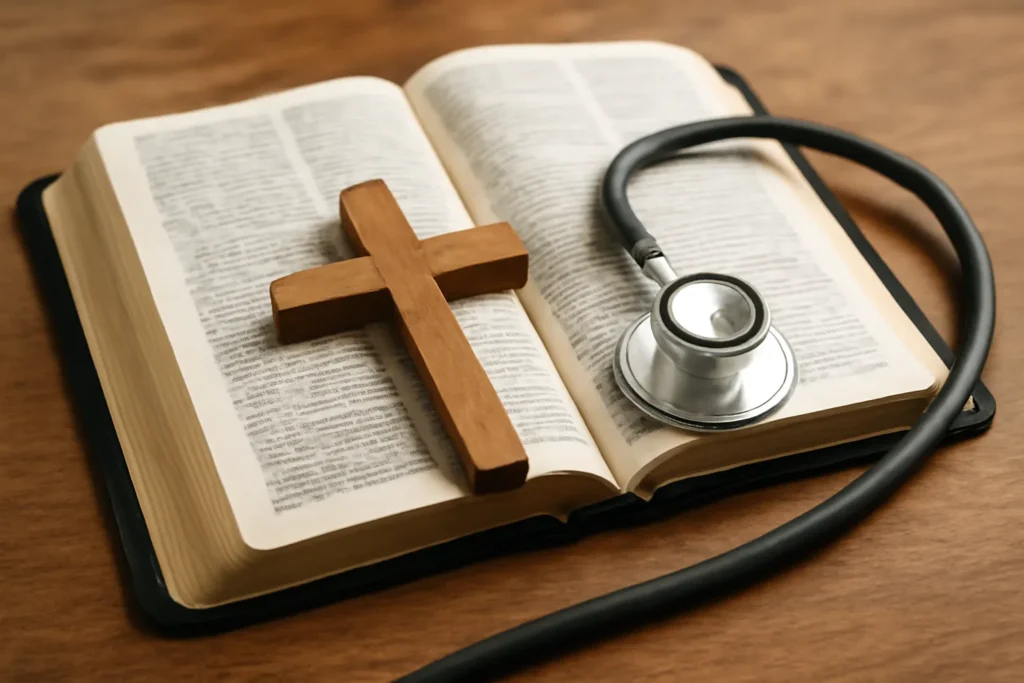
Reading and applying healing verses involves a holistic approach: study, prayer, community, and wise discernment about medical care. The goal is to engage with Scripture in a way that honors God, supports your well-being, and aligns with love for neighbor.
Prayer Practices that Center Healing
Begin with Psalm-like posture—acknowledge God’s sovereignty, present your needs honestly, and invite His presence.
Pair a healing verse with a practical action—rest, medical advice, rest, or therapy as appropriate.
Invite others to pray with you and for you, recognizing the power of communal faith.
End with gratitude for God’s mercy, regardless of the immediate outcome.
Faith and Discernment
Faith is not a guarantee of instant healing in every circumstance. It is a confident trust in God’s goodness, even when relief comes slowly or through alternative paths. Discernment is essential: prayer, medical care, spiritual guidance, and careful listening to the Holy Spirit help navigate complex situations with wisdom and humility.
Combining Prayer and Care
The biblical model often combines prayer with practical care. James 2:17 reminds us that faith without works is dead; likewise, healing is most robust when spiritual trust is joined with healthy habits, supportive relationships, and responsible choices regarding health.
Healing in the Community
Community life matters in healing. Church communities, small groups, and trusted friends can offer encouragement, accountability, and prayers that cultivate hope. The blessing of shared faith can amplify healing grace, making the journey less solitary and more transformative.
Common Questions and Clarifications
Healing messages in Scripture can raise questions for contemporary readers. Here are some frequent topics and thoughtful responses to guide reflection.
Why do some people seem healed while others do not?
The biblical authors present healing as a multifaceted gift that may occur instantly, gradually, or in ways that transform people through endurance and spiritual growth. Sometimes healing is promised in future revelation or ultimate restoration rather than immediate relief in this world.
The gospels frequently link faith to healing, but faith is not simply a weapon to wield in order to control outcomes. Faith in Scripture often means trust in God’s character and will, even when the outcome is uncertain. Healing can also be a communal invitation to witness to God’s mercy.
What about medical treatment?
Biblical healing does not oppose medical care. The Bible presents health as something people steward, and many believers integrate prayer with medicine, surgery, therapy, and other treatment modalities. Wisdom and stewardship guide these decisions.
How should we understand “prosperity gospel” ideas in relation to healing?
While Scripture contains promises of blessing and restoration, it also invites believers to endure hardship with hope. Healing is described as a sign of God’s redemptive presence, not a guarantee that every moment will be problem-free. The focus remains on God’s goodness and the ultimate renewal of all things.
Healing as a Path to Wholeness: A Framework for Action
Healing scriptures invite believers into a broader vision of wholeness: physical vitality, emotional peace, spiritual alignment with God, social harmony, and a sense of purpose in serving others. This framework helps individuals and communities respond to illness with courage, compassion, and constructive striving.
Personal renewal—cultivating habits that strengthen body and soul, such as rest, nutrition, movement, prayer, and gratitude.
Emotional restoration—seeking healing for the mind through counseling, community support, repentance, forgiveness, and self-compassion.
Spiritual reorientation—deepening trust in God, studying Scripture, and pursuing obedience to Christ’s call.
Community care—building networks of mercy, hospitality, and practical help for those who are sick or vulnerable.
When approaching bible verse healing, consider a rhythm that blends study, prayer, and action. A useful pattern might be:
Identify a healing verse that speaks to your situation.
Reflect on how its message applies to your life today.
Pray with honesty, inviting God to work in your body, mind, and spirit.
Engage with practical steps—whether medical, emotional, or relational—that honor the healing process.
Invite trusted friends or mentors to join you in prayer and support.
Bible verse healing is a multidimensional invitation: to trust the God who acts with compassion, to lean into the care of a supportive community, and to live in a way that reflects the integrity of restored life. The verses and stories outlined above offer a durable reservoir of hope, a language for prayer, and a compass for daily living. Whether you are seeking immediate relief, long-term restoration, or a deeper sense of wholeness, the biblical witness invites you to approach God with confidence, to hold fast to the promises of Scripture, and to join in the ongoing work of healing in the world.
If you are navigating illness or suffering, you are not alone. You stand within a long tradition of believers who have faced similar trials, prayed with honesty, supported one another, and trusted that God’s healing power can be at work in ways seen and unseen. By engaging with these key scriptures for faith and healing and by walking in community and wisdom, you can cultivate a hopeful and resilient journey toward wholeness.






Leave a Reply