Overview: Bible Scriptures for Healing and Recovery
Throughout the Bible, the theme of healing is woven into the fabric of faith, prayer, and daily life. Healing is presented not merely as a physical restoration but as a holistic renewal—spiritually, emotionally, and relationally. For many readers, Scripture provides both a template for faith and a practical resource for hope when illness or injury arises. This article gathers a broad collection of passages that Christians have cited across generations for faith and recovery, while offering guidance on how to read and apply these verses in a thoughtful, theologically informed way.
The passages below are organized to reflect different angles of healing: promises in the Old Testament, the ministry of Jesus in the Gospels, instructions from the Apostolic letters, and practical ways to use Scripture in prayer and support for those who are sick. While the Bible presents a complex and multifaceted view of healing—sometimes immediate and dramatic, other times gradual and mysterious—the core message remains one of God’s care, presence, and sustaining grace.
Note: These reflections are intended for spiritual encouragement and are not a substitute for medical advice or treatment. In times of illness, many readers find it valuable to consult healthcare professionals while also seeking comfort, guidance, and encouragement from Scripture.
Healing in the Old Testament: Foundations and Illustrations
The oldest texts of Scripture lay groundwork for understanding healing as part of God’s character and covenant with humanity. These passages often connect physical health with obedience, trust, and renewed relationship with God.
God as Healer: Names and Promises
Exodus 15:26—God promises health to those who walk in obedience: “If thou wilt diligently hearken to the voice of the Lord thy God, and wilt do that which is right in His sight, and wilt give ear to His commandments, and keep all His statutes, I will put none of these diseases upon thee, which I have brought upon the Egyptians.”
Psalm 103:2-3—Bless the Lord who forgives sins and heals all thy diseases. “Bless the Lord, O my soul: and forget not all his benefits: Who forgiveth all thine iniquities; who healeth all thy diseases.”
Psalm 107:20—“He sent his word, and healed them, and delivered them from their destructions.” A reminder that God’s word carries transformative power for health.
In these early texts, healing is connected to faithfulness and the integrity of God’s covenant. The language often blends physical restoration with spiritual renewal, highlighting a comprehensive sense of health as aligned with divine purposes.
Examples of Healing and Restoration in Narrative Form
2 Kings 5:14 (Naaman’s healing): A Syrian general is healed through obedience to a small, counterintuitive command—washing in the Jordan seven times. The story emphasizes humility, faith, and obedience as pathways to physical restoration.
Psalm 41:3—“The Lord will sustain him upon his sickbed; thou wilt make all his bed in his illness.” A personal promise of support for those who endure illness.
Isaiah 53:4-5 (often read in public worship): A prophetic portrayal of the Servant bearing griefs and sorrows, by whose wounds healing is made available. “Surely he hath borne our griefs, and carried our sorrows.”
Healing in the Gospels: Jesus’ Ministry and the Demonstration of Compassion
The Gospels present healing as a primary aspect of Jesus’ mission. Each story is not only about a miracle but also about restoring relationship, faith, and the reign of God in a broken world.
Key Healing Narratives: A Short Guide
Matthew 8:16-17—Jesus fulfills prophecy by healing many as He “cast out the spirits with His word, and healed all that were sick.” This passage highlights that healing is part of Jesus’ public ministry and a sign of God’s present kingdom.
Mark 5:34—A woman who had touched Jesus’ garment receives a blessing: “Daughter, thy faith hath made thee whole.” Here, faith and personal touch meet healing in a deeply relational moment.
Luke 8:50—“Fear not: believe only, and she shall be made whole.” A reminder that encouragement in faith can unlock restoration even in times of urgent distress.
Luke 13:11-13—A woman bound by a spirit of infirmity for eighteen years is healed through Jesus’ spoken word, illustrating liberation from bondage and the restoration of life’s rhythms.
John 9:1-7—Jesus heals a man born blind, turning a moment of physical deficit into a powerful demonstration of divine sovereignty and the value of seeing truth through faith.
Across these stories, healing is more than a medical event; it is an invitation to trust God’s timing, engage faith, and participate in the wider drama of God’s kingdom coming on earth as it is in heaven. You may notice a recurring pattern: encounter, faith or response, and restoration. While not every healing in Scripture appears instantly, the underlying message remains consistent: God cares deeply about health, wholeness, and the renewal of life.
The Epistles: Healing, Faith, and Community in the New Testament
The letters of the New Testament expand the understanding of healing into the life of the church. They emphasize communal prayer, spiritual gifts, and the responsibilities believers have toward one another when illness or weakness arises.
Faith, Prayer, and Healing
James 5:14-15—“Is any sick among you? Let him call for the elders of the church; and let them pray over him… And the prayer of faith shall save the sick, and the Lord shall raise him up.” This passage links prayer, communal care, and healing, including the practice of anointing with oil.
1 Peter 2:24—“Who his own self bare our sins in his own body on the tree, that we, being dead to sins, should live unto righteousness: by whose stripes ye were healed.” A strong affirmation of healing through Christ’s suffering and atonement.
3 John 1:2—“Beloved, I wish above all things that thou mayest prosper and be in health, even as thy soul prospereth.” A pastoral wish for holistic well-being.
These passages emphasize not only the possibility of healing but also the means by which healing is often realized: the sincere prayer of faith, mutual care, and a trust in God’s providence. They also acknowledge that healing can be connected to spiritual health—growth in faith, perseverance, and reconciliation—alongside physical restoration.
Passages for Faith and Recovery: Thematic Collections
To help readers see patterns and applications, here is thematic guidance featuring a selection of verses categorized by focus. Each entry includes a short, memorable paraphrase or quotation to aid meditation and prayer. The aim is to offer semantic breadth—covering promises, acts, and exhortations that readers can apply across varied circumstances.
Exodus 15:26—“If you listen… I will not bring diseases upon you.” The promise ties healing to faithful living within the covenant community.
Psalm 103:2-3—“Bless the LORD, O my soul: who forgives all thine iniquities; who healeth all thy diseases.” Health is connected to forgiveness and divine mercy.
Isaiah 53:5—“By his stripes we are healed.” A central verse for Christian understanding of soteriological healing and divine mercy in action.
Healing through Jesus’ Authority and Compassion
Matthew 9:35—“Jesus went about all the cities and villages, teaching… and healing every sickness.” The scope of mercy is comprehensive, and Jesus models it in person.
Luke 4:40—“He laid his hands on every one of them, and healed them.” Personal contact accompanies healing in the ministry of Jesus.
Mark 1:31—Jesus heals Simon’s mother-in-law, illustrating how healing often accompanies acts of care and hospitality in a household.
Faith, Prayer, and the Practice of Healing
James 5:14-15—The involved community practice of prayer for healing with anointing, a method that fosters accountability and support.
Psalm 30:2—“O LORD my God, I cried unto thee, and thou hast healed me.” A personal testimony of healing offered through prayer.
Psalm 30:11-12—Confession: God turns mourning into dancing and clothing the afflicted with gladness, restoring joy along with health.
Healing as Renewal of Life and Hope
3 John 1:2—A holistic wish for health and prosperity that reflects the creator’s concern for every dimension of human life.
1 Peter 2:24—A reminder that healing is linked to Jesus’ atonement and the ongoing experience of healing in the believer’s journey.
Isaiah 41:10—“Fear thou not; for I am with thee: be not dismayed; for I am thy God.” A message of courage that sustains through illness and trial.
How to Use Scripture for Healing: Practical Steps
Reading about healing is one thing; applying it in daily life is another. The following practical steps aim to help you engage Scripture in a way that is meaningful, balanced, and spiritually enriching.
Prayer Practices
Prayer of Faith: Combine a confession of belief with requests for God’s healing power, aligning your heart with God’s promises (e.g., “I believe you are able, and I trust your timing”).
Crying Out to God: In moments of fear or pain, express your emotions to God, then invite God’s peace to fill you (Psalm 34:18 is a pattern you can mirror in your own words).
Prayer with Community: Invite trusted believers or elders to join you in prayer, recognizing the value of intercession and encouragement (James 5:14-15).
Scripture Memorization and Meditation
Choose a handful of verses that resonate with your situation and recite them daily. Consider including verses that emphasize God’s care, presence, and healing power (e.g., Psalm 107:20; Isaiah 53:5; 1 Peter 2:24).
Use a journaling practice to reflect on what each verse means, how it shapes your perception of illness, and how it can guide your actions toward health and hope.
Creative and Practical Applications
Scripture-based affirmations: Turn verses into positive, patient-centered statements that you can repeat aloud in moments of tension or pain.
Scripture-driven care: Pair the verses with practical steps—rest, nutrition, medical advice, and prescribed therapies—so spiritual and physical health work together harmoniously.
Group study: Organize or join a small group to read, discuss, and pray through healing passages, enabling mutual encouragement and accountability.
Readers often ask how to interpret healing passages in light of diverse life experiences. Here are some concise reflections to help navigate common questions with care and respect for different perspectives.
Is healing guaranteed for every person in every circumstance?
Healing is repeatedly demonstrated as a divine possibility and a present intention, yet scriptural examples also include times when healing is not immediate. The biblical narrative consistently emphasizes God’s compassion, faithfulness, and presence in suffering, even when the outcome is not the literal restoration of physical health. The broader message is that God works with and within our lives for ultimate good and redemptive purpose, sometimes through healing, sometimes through enduring grace in weakness.
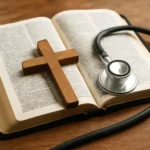
The Bible does not teach against medical care. Rather, it invites believers to trust God while using the resources of wisdom and science available to us. Faith is not a denial of reality but a confident stance toward God’s power at work in the world, including through doctors, medicine, and health practices. In practice, many Christians maintain both spiritual practices and medical treatment, praying for healing while following professional guidance.
What about healing that seems delayed?
Delay in healing can be perplexing and painful. Biblical responses include persevering in prayer (Luke 18:1-8), seeking community support (James 5:14-16), and holding fast to God’s promises while recognizing that healing can unfold in stages or in ways beyond our immediate perception. In some traditions, delayed healing opens a space for deeper spiritual growth, greater reliance on God, and the revelation of God’s sufficiency in weakness.
Across the breadth of Scripture—from the first chapters of Exodus to the closing exhortations of the Apostles—the theme of healing reflects God’s desire for wholeness and life. The verses collected here provide a map for readers seeking faith-filled hope, practical guidance, and a sense of peace in the face of illness. Whether through the direct acts of Jesus in the Gospels, the promises of healing in the prophetic and psalms, or the pastoral care shaped in the Epistles, these passages invite us to trust God’s care, lean on one another in prayer, and participate in God’s mission of renewal for the body and the world.
As you engage with these scriptures, you may find it helpful to keep a simple routine: read a passage, reflect on its meaning, memorize a verse, and apply it in prayer and daily life. Remember that healing is not merely a momentary event but part of a broader story—the story of God’s ongoing work to restore, sustain, and bless all creation. May your exploration of these passages bring you courage, comfort, and renewed hope as you seek healing for yourself or for others.
For readers who wish to explore further, consider these optional next steps:
Work with a pastor or spiritual mentor to select a focused set of verses for your situation.
Keep a healing journal to document prayers, insights, and responses to treatment.
Join or form a small group that studies healing scriptures together, sharing testimonies of God’s faithfulness.