Catholic Healing Prayers: Powerful Prayers for Comfort, Healing, and Peace
In the Catholic tradition, prayer is a living conversation with God that invites comfort, healing, and peace into the deepest corners of our lives. The Church has long held that sickness, suffering, and pain are real realities in the human condition, but they can be met with faith, hope, and the intercession of the entire communion of saints. This article offers a comprehensive guide to Catholic healing prayers, including varied forms of prayer, concrete prayers to Jesus, Mary, and the saints, and practical guidance for praying with families, caregivers, and individuals who seek spiritual and physical healing. Whether you are facing a difficult diagnosis, chronic illness, emotional distress, or the burden of caregiving, you can find a language of healing in the Catholic tradition that honors both God's sovereignty and human vulnerability.
Healing in Catholic thought is not simply the eradication of disease; it is the work of grace that reshapes the whole person—body, soul, and community. It often unfolds through trust, hope, and the patient presence of loved ones and clergy. At times healing comes as a miracle; at other times it is found in the strength to endure, the comfort of God’s mercy, and the inner peace that surpasses understanding. The following sections explore this vast landscape, offering practical prayers, structures for devotion, and guidance on how to incorporate healing prayers into daily life, hospital visits, and home devotion.
Understanding Healing in Catholic Thought
The Catholic Church teaches that God desires our well-being and that Jesus Christ himself bore our infirmities. The passion, death, and resurrection of Christ reveal that suffering can be transformed by grace. Healing prayers recognize two important dimensions:
Spiritual healing: restoration of grace, peace with God, repentance, forgiveness, and inner freedom from fear and despair.
Physical and emotional healing: relief from pain, recovery from illness, strength for daily living, and consolation in sorrow.
Catholic devotion often situates healing within a larger prayer life that includes the sacraments, Scripture, liturgical prayer, and intercession. The Sacraments—especially the Anointing of the Sick (formerly called extreme unction) and the Eucharist—are sources of grace that accompany and support healing. In addition to formal sacraments, the Church has a rich array of devotional prayers to Jesus, Mary, and the saints who have experienced or witnessed healing in remarkable ways.
Prayers to Jesus for Healing
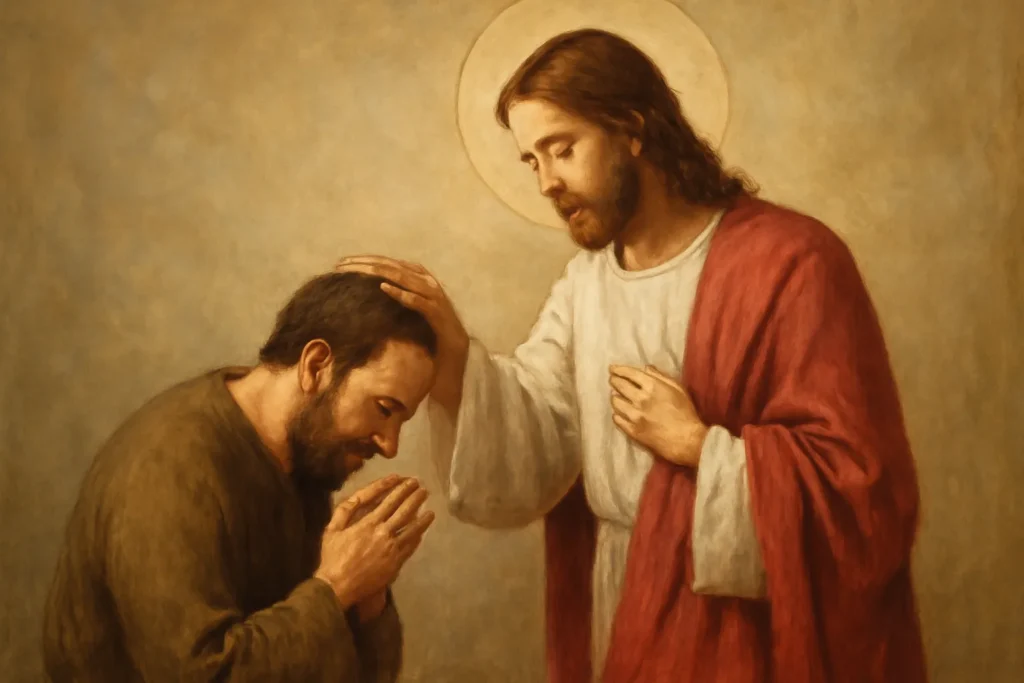
Jesus Christ is at the very center of Catholic healing prayer. Many believers address Jesus directly, asking for mercy, strength, and restoration aligned with His will. Below are several variations of prayers to Jesus that can be used in different contexts, from quick, personal pleas to longer, more contemplative petitions.
Short, Immediate Prayers to Jesus
Jesus, I trust in You. A timeless line from the Divine Mercy devotion that expresses complete surrender to the Lord’s mercy and sovereign power over every circumstance.
Lord Jesus, heal me according to Your will, and give me courage to endure. This concise petition affirms trust in God’s plan and asks for the grace to endure with faith.
Jesus, Son of God, have mercy on me, a sinner. A well-known plea for Christ’s mercy, often used in times of distress or fear.
For families and individuals, short prayers like these can be recited aloud or inwardly while holding a loved one’s hand, while a caregiver might lift a quiet petition during a quiet moment in the day. Short prayers can become a rhythm of trust that sustains hope when circumstances feel heavy.
Prayers with Scriptural Echoes
The Bible offers many healing motifs that Catholics naturally carry into prayer. You can blend a direct request with Scripture that speaks to healing and peace.
“Be not afraid; I am with you.” A paraphrase of God’s comforting presence that can accompany a spoken plea for healing.
“The Lord heals the brokenhearted and binds up their wounds.” From the Psalms, this line becomes a reminder of God’s tenderness toward suffering.
“Peace I leave with you; my peace I give to you.” Jesus’ words invite us into a healing peace beyond understanding.
Integrating Scripture with prayer helps anchor trust in God’s promises and invites a deeper healing of fear, resentment, and despair. When used regularly, scriptural prayers encourage mental and emotional restoration even before physical healing manifests.
Jesus-Centered Prayers for Physical and Emotional Healing
The Prayer of Surrender: “Lord, I offer You my pain and fear. If it can be used for Your glory, I accept it with faith.”
The Petition for Strength: “Grant me the strength to endure today, and the courage to seek help when I need it.”
Healing and Comfort: “Restore my body and renew my spirit so that I may praise You in all things.”
Practical tip: when praying directly to Jesus for healing, keep your intention focused but open to God’s plan. Healing may come as relief from symptoms, a new sense of peace, or the grace to bear suffering with grace. The Holy Spirit’s work often moves beyond the immediate moment and touches the heart in ways that are not always visible to the eye.
Marian devotion has a central place in Catholic healing prayer. The Mother of God is often invoked as a compassionate intercessor who can bring believers near to her Son. The following prayers advocate for healing with Mary’s maternal care and trust in her intercession.
Our Lady of Lourdes and Other Marian Prayers
Prayer to Our Lady of Lourdes: “O Mary, conceived without sin, pray for us who have recourse to thee.” This concise plea asks for Mary’s intercession, especially during times of illness or crisis.
Hail Mary (as a healing supplication): While the Hail Mary is primarily a Marian prayer, many find comfort in invoking Mary during illness and sorrow, trusting in her compassion and maternal care.
Litany to the Virgin Mary: A set of invocations that describe Mary’s merciful attributes and role in consolation, often used in group devotion.
A common practice is to pray the Rosary while meditating on the Joyful, Sorrowful, Glorious, or Luminous Mysteries, with a focus on healing moments in Mary’s life (for example, her presence at the foot of the Cross or at the Wedding at Cana) as a model of trust, patience, and intercession.
Prayer to Mary for Healing and Peace
“Mary, Mother of Mercy, bring healing to the sick and consolation to those who suffer.” A concise petition that acknowledges Mary’s role as a merciful intercessor.
“O Mary, Health of the Sick, pray for us.” A well-known title addressing Mary’s special care for those who are ill.
Marian prayers also accompany lay devotion, hospital visits, and family prayer times. When a loved one is facing surgery or a lengthy illness, a simple Mary-centered prayer can bring a sense of sweetness, calm, and steady confidence in God’s presence.
Saints as Intercessors for Healing
The communion of saints is a distinctive Catholic belief that the faithful who have gone before us continue to intercede for the living. Healing prayers often invoke particular saints who are seen as patrons of illness, infirmity, or difficult trials.
Saint Peregrine: Patron Saint of Cancer and Serious Illness
St. Peregrine Prayer for Healing: A traditional intercessory prayer asks for his intercession to obtain healing or strength to endure suffering in union with Christ’s passion. It commonly requests grace in accord with God’s holy will.
St. Peregrine’s story, marked by perseverance in suffering and faith, has long offered consolation to those facing grave illness. A typical prayer might request not only physical relief, but also spiritual fortitude, hope, and a sense of God’s presence in the midst of trial.
Saint Raphael the Archangel: Healer and Guide
St. Raphael, patron of healing and travel, is invoked for guidance, protection, and physical healing. A common prayer asks for his intercession to restore health and comfort during difficult journeys of illness.
Saint Raphael’s appearances in Scripture — especially his guidance to Tobias in the Book of Tobit — offer a model of compassionate support and practical help. Prayers to Raphael often emphasize healing, guidance, protection, and the confidence that God’s plan includes restoration and safety.
Saint Jude and Other Intercessors
Saint Jude is widely prayed to for impossible cases or situations that feel beyond hope. While healing is not guaranteed, Saint Jude’s intercession can bring renewed hope and courage to persevere in faith.
Other saints associated with healing include Saint Ignatius of Loyola, Saint Blaise (traditionally invoked for throat ailments), and Saints Cosmas and Damian, who are recognized as patron saints of physicians and healing.
When praying to the saints, it is helpful to remember that intercession does not replace God’s sovereignty; rather, it invites the believer into a larger fellowship with the Church militant here on earth and the Church triumphant in heaven. Consider personalizing the prayer by naming the saint and reflecting on their life of faith as a model for endurance, trust, and charity toward others.
Devotional practices centered on healing have a long tradition in Catholicism. They provide a structured rhythm of prayer, which can be especially beneficial when facing prolonged illness, caregiving responsibilities, or emotional turmoil.
Divine Mercy Chaplet and Other Divine Mercy Prayers
The Divine Mercy devotion, given to St. Faustina, centers on the mercy of God and includes a healing dimension, particularly spiritual healing and the peace that comes from trusting in Jesus. A simplified outline of the Chaplet for healing may include:
Begin with the Sign of the Cross
On the Our Father beads: “Eternal Father, I offer You the Body and Blood, Soul and Divinity of Your Dear Son, Our Lord Jesus Christ, in atonement for our sins and those of the whole world.”
On the Hail Mary beads: “For the sake of His sorrowful Passion, have mercy on us and on the whole world.”
Concluding Prayer: “Holy God, Holy Mighty One, Holy Immortal One, have mercy on us and on the whole world.”
Trustful statement: “Jesus, I trust in You.”
The Divine Mercy Chaplet is widely used as a source of consolation for the sick and their families, as it emphasizes merciful healing through Christ’s passion and the Father’s mercy. In many parishes, the chaplet is prayed publicly or privately, offering a sense of peace and trust in challenging times.
Novenas for Healing
A novena is a series of prayers completed over nine days (or nine weeks in some traditions). Popular healing novenas include:
Novenas to Saint Peregrine for Healing and strength in the face of illness.
Novenas to Our Lady of Lourdes for physical healing and comfort.
Novenas to Saint Jude for cases that seem desperate or difficult.
Each novena includes a specific prayer or set of prayers, a contemplative reading, and a closing petition. The repetition over nine days is meant to deepen trust and to invite God’s grace to work in the life of the person who is sick.
Prayerful Litanies and Sacred Readings
Litany of Healing and other litanies are prayers in which the Church calls on God, Jesus, Mary, and the saints to heal, comfort, and protect. Litanies can be used in personal devotion or communal liturgies, offering a cadence of supplication that can bring a sense of calm and solidarity.
In addition to litanies, reading passages from sacred Scripture about healing—such as Jesus’ healing miracles in the Gospels or the promises in the Book of Isaiah—can deepen the sense of God’s ongoing mercy and grace.
Healing Prayer Templates for Different Needs
Healing looks different for every person. The Catholic tradition provides a range of prayer templates that you can customize for specific situations—whether you are praying for physical recovery, emotional health, or spiritual restoration. The following templates are flexible and designed to be used in family prayer, by caregivers, or for personal devotion.
Template for a Family Evening Prayer
Light a candle and invite the presence of the Holy Spirit.
Read a short healing verse from Scripture (for example, Psalm 23 or Isaiah 41:10).
Pray the Our Father and the Hail Mary, focusing on a shared intention for healing and peace.
Offer a simple prayer to Jesus for healing and comfort, followed by a moment of silent surrender to God’s will.
Conclude with a blessing and a reminder of hope in God’s mercy.
Template for a Hospital Visit or Caregiving Moment
Begin with a short, sincere greeting: “Jesus, You know today’s burdens; be with us.”
Invite the sick person to speak their needs or fears, then respond with listening and affirmation.
Offer a healing prayer to Jesus, Mary, or a preferred saint, followed by a moment of silent prayer.
Conclude with a blessing and a note of practical support—assisting with meals, transportation, or a listening presence.
Template for a Divine Mercy-Inspired Healing Session
Begin with the Sign of the Cross and a spirit of quiet reverence.
Recite the Divine Mercy words for healing and mercy, as fits your context.
Invite a reading from Scripture that speaks to healing and God’s mercy, then reflect together on its meaning for your situation.
End with a confession of trust in God and a request for inner peace regardless of outcomes.
Practical Guidance for Praying with Healing Prayers
Prayer for healing is not merely recitation; it is a form of companionship with the living God. The following practical tips help you engage more deeply with healing prayers in daily life.
Prepare your heart: Find a quiet space, turn off distractions, and ask the Holy Spirit to guide your prayers.
Offer compassion and presence: When praying for someone else, accompany your words with listening, empathy, and practical support.
Use Scripture as a compass: Let healing passages foster faith rather than fear. Scripture can recalibrate anxious thoughts toward trust in God’s love.
Involve the sacramental life: When possible, participate in the Sacraments (especially the Eucharist and Anointing of the Sick) as sources of grace and healing.
Include the intercession of saints: Speak with St. Peregrine, St. Raphael, Mary, and others who are traditionally invoked for healing, while recognizing that all grace ultimately flows from God.
Adopt a regular rhythm: Set aside daily or weekly times for prayer for healing, which strengthens faith and sustains hope over time.
A common pitfall in healing prayer is to interpret every outcome as God’s reply to prayer. While some prayers are answered with physical recovery, others are answered with spiritual growth, greater peace, or a stronger sense of God’s presence. Healing is not only about biological restoration; it is about transformation—grace changing the interior life to align more closely with Christ.
The Role of the Sacraments in Healing
The Catholic tradition emphasizes that God’s healing grace is not limited to private prayer. The Sacraments provide potent means of grace:
Anointing of the Sick: A sacrament of spiritual healing that supports the sick and dying by turning toward Christ’s passion. It imparts grace, strengthens faith, and offers peace of heart.
Eucharist: The true Body and Blood of Christ nourish the soul and sustain believers in the journey through illness and hardship.
Reconciliation: Cleansing of conscience and the restoration of peace with God and neighbor, which is especially meaningful when illness leads to anxiety or guilt.
When possible, consider coordinating medical care with spiritual care, so that body, mind, and soul are supported in a unified way. The Church’s wisdom is to embrace the whole person—physically, emotionally, and spiritually—so that healing may occur in the most holistic sense possible.
Maintaining Hope: The Spiritual Grounding of Healing Prayers
Healing prayers are deepened by a sustained life of faith. They become more than a reaction to disease; they are an expression of a trusting relationship with God. The emotional and spiritual dimensions of healing—hope, courage, peace, and reconciliation—often outlive physical symptoms and leave a stronger, more resilient faith.
Some practical practices to cultivate ongoing hope include:
Daily Scripture reflection on passages about healing and God’s mercy.
Regular family prayer for those who are sick, creating a shared climate of faith and comfort.
Grace-filled self-care through rest, nutrition, and medical adherence, recognizing that the body is a gift that God desires to be well-nurtured.
Communication with spiritual directors or parish ministers to navigate spiritual questions that accompany illness.
Common Questions About Catholic Healing Prayers
While Catholic healing prayers are a rich tradition, you may have practical questions about how best to pray, when to seek sacraments, and how to navigate differing experiences of healing. Here are several commonly asked questions, with concise answers rooted in Catholic teaching.
Are healing prayers only for the sick? No. Healing prayers can be prayed by anyone for themselves, for relatives, or for the wider community, and they often accompany prayers for specific needs such as emotional healing, peace, or perseverance in suffering.
Is healing guaranteed by prayer? Not always in the way we expect. God’s healing may be physical, emotional, spiritual, or a combination of these. The goal is to grow in faith and to receive the grace God offers, regardless of physical outcomes.
What role do doctors and medicine play? The Church teaches that medicine is a legitimate and valuable instrument of God’s healing. Prayer and medicine work together; spiritual healing does not negate medical treatment.
How often should I pray for healing? Regular, sincere prayer—daily or weekly—can build a steady posture of faith and reliance on God. Novenas, chaplets, and devotional practices can structure this rhythm.
Conclusion: Embracing Healing Through Faith, Hope, and Love
Catholic healing prayers invite believers into a living relationship with God’s mercy. They honor the pain and vulnerability of human life while pointing toward the transformative power of grace that comes through Christ, the intercession of the Blessed Virgin Mary, and the saints who walked before us in faith. The goal of healing prayer is not merely to erase illness but to open the heart to God’s presence, to cultivate peace amid difficulty, and to pursue hope with a steady trust in divine care.
If you are reading this as someone seeking healing for yourself or a loved one, begin with a simple intention and a few trusted prayers. Allow your heart to rest in God’s love, and invite the Holy Spirit to guide you toward the graces that God desires to release in your life. Healing is a journey, and Catholic prayer provides a compassionate, time-honored companion along the way.









Leave a Reply