Bible Story Book: A Complete Guide to Bible Stories
Bible Story Book: A Complete Guide to Bible Stories
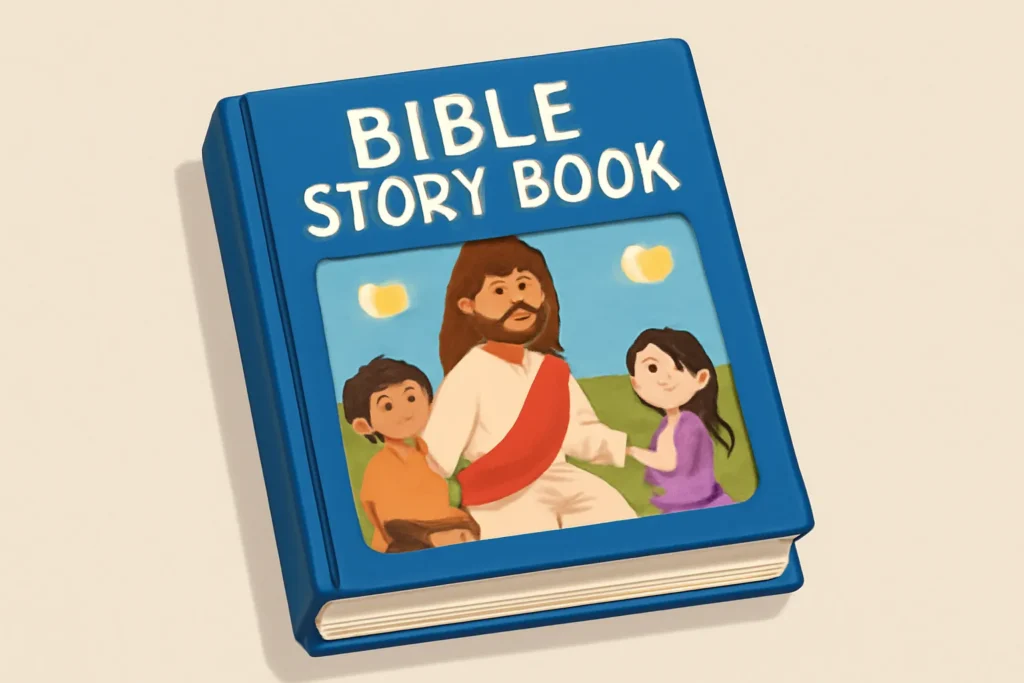
The Bible Story Book is more than a simple compilation of tales. It is a carefully arranged biblical storybook designed to introduce readers of various ages to the overarching narrative of Scripture. When people search for a storybook Bible, they are often looking for a resource that blends accessible language with faithful representation of biblical events, themes, and characters. A well-made Bible story collection can serve as a bridge between ancient texts and modern comprehension, turning dense theological material into memorable stories, lessons, and forms of devotion.
A Bible story book is a literary and often illustrated volume or a set of volumes that retell the events, people, and ideas found in the Bible. While some editions quote exact verses, others paraphrase or summarize passages to emphasize narrative coherence, moral lessons, and devotional applications. The aim is not merely to convey facts but to evoke imagination, encourage reflection, and illuminate how the stories speak to faith, ethics, and daily living. In this sense, a biblical storybook functions as:
An entry point for children and new readers into Scripture
A companion to formal Bible study for families and classrooms
A pedagogical tool for illustrating theological themes, such as creation, covenant, redemption, and justice
A medium for memory work, whether through repetition, storytelling, or dramatization
Different publishers label their products in varied ways—storybook Bible, Bible story collection, Scripture narrative anthology, or simply bible story book—but the underlying purpose remains the same: to present the ancient message in a format accessible to contemporary readers without compromising core beliefs.
Historical Overview and Evolution
The lineage of biblical storybooks is long and diverse. From early catechetical materials that recounted Bible stories for instruction to Victorian-era illustrated Bibles and modern devotional editions, the genre has continually adapted to cultural shifts, linguistic changes, and educational needs. Some notable phases in the evolution include:
Oral and mnemonic traditions: Storytelling was the earliest method of transmitting Scripture; generations learned by hearing and retelling major episodes.
Textual retellings: As printing became widespread, publishers began to present narratives in prose or verse that could be read aloud in families or Sunday schools.
Illustrated and children's editions: The rise of color illustrations, picture books, and age-graded formats broadened access for younger readers.
Devotional and study-oriented formats: Modern Bible story collections often include study notes, questions, memory verses, and activities to deepen understanding beyond narrative retelling.
Multimedia and digital adaptations: In the digital era, many storybook Bibles are paired with apps, audio narration, and interactive components, expanding reach and engagement.
Throughout these shifts, the core objective has remained constant: to translate Scripture into stories that reveal character, context, promise, and call. A storybook Bible that succeeds balances fidelity to the text with an accessible storytelling approach that respects readers’ maturity and faith tradition.
Types and Formats of Bible Story Books
There is no single template for a bible story book. Depending on purpose, audience, and doctrinal emphasis, publishers produce a spectrum of formats. Here are some common varieties and what to expect from each:
For Children
Bright, engaging illustrations and simple sentence structures
Short chapters or episodic stories that fit into a weekly rhythm
Interactive elements like questions, puzzles, memory verses, and crafts
A gentle progression from Creation through key biblical milestones, with attention to moral lessons
For Families and Devotional Use
Concise retellings designed for family reading times, often paired with discussion prompts
Nighttime devotional tones, encouraging reflection and prayer
Suggestions for family activities that connect stories to everyday life
For Classroom and Homeschool Settings
Structured lessons, objectives, and assessment tools
Age-appropriate vocabulary, comprehension questions, and writing prompts
Cross-curricular links (art, history, geography, music) to deepen learning
For Scholars and Adults
Retellings that maintain theological nuance and historical context
Expanded notes, cross-references, and critical reflections
Thematic anthologies that explore topics such as covenant, prophetic voices, or messianic expectations
Structure and Features You’ll Often Find
While each Bible story book is unique, they frequently share several structural elements designed to aid comprehension and engagement. Here’s what readers commonly encounter:
Sequential or thematic organization: Some volumes follow the canonical order, while others group stories by themes such as creation, exodus, kings, exile, wisdom, or prophets.
Character portraits: Short sketches of major figures to help readers remember who is who and what motivates them.
Key events and turning points: Highlights like the Flood, Call of Abraham, Exodus, David’s rise, Jesus’ birth, crucifixion, and resurrection.
Verse references or paraphrase indicators: Indicating where the original text can be found or giving a sense of the language used in Scripture.
Maps and timelines: Visual aids that situate events geographically and historically, aiding spatial and temporal understanding.
Glossaries: Definitions of theological terms (covenant, salvation, atonement) and cultural concepts (mitzvah, sabbath, temple).
Memory verses and recitation aids: Short passages intended for memorization and public recitation in worship, school, or home settings.
Illustrations and design cues: Artwork and layout choices that cue emotion, mood, and narrative tone.
How to Choose a Bible Story Book
Choosing the right bible story book depends on several factors. Here are practical considerations to guide selection for different readers and contexts:
Audience and age: Younger children benefit from vivid pictures and simple language; teens may prefer more depth and nuanced theology; adults may seek devotional or scholarly retellings.
Theology and doctrinal alignment: Ensure the book reflects the reader’s faith tradition and doctrinal boundaries.
Language and translation style: Some editions are paraphrased for accessibility; others strive for closer adherence to original wording in everyday language.
Illustration and design: Visuals can enhance or distract; consider whether art style aligns with your preferences and sensitivity to topics (e.g., violence, sexual content).
Supplementary materials: Do you want discussion questions, teacher guides, activity ideas, or multimedia resources?
Length and pacing: Short stories suit bedtime reading; longer narratives may be better for weekend family devotions or classroom curricula.
Reputability and accuracy: Look for editions with trustworthy scriptural references, sound scholarship, and reputable publishers.
Content and Thematic Coverage
Because the Bible is a unified narrative, most bible story books aim to cover major arcs while allowing space for crucial subplots. Here are core themes and sections you’ll commonly encounter, along with variations that different editors emphasize:
Creation and fall: The origins of the world, humanity’s purpose, and the break in relationship with God.
Crisis, covenant, and promise: God's covenants with Noah, Abraham, Moses, and David as a throughline toward redemption.
Freedom and law: The Exodus, wilderness wandering, and the giving of the Law, with attention to justice, mercy, and faithfulness.
Kings, prophets, and exile: The rise and fall of Israel’s monarchy, prophetic voices, calls to repentance, and lessons about exile and hope.
Wisdom and poetry: Psalms, proverbs, songs, and wisdom literature that illuminate human experience and divine truth.
Life of Jesus: Advent and nativity, ministry, miracles, parables, crucifixion, and resurrection, with emphasis on redemption and kingdom values.
Early church and mission: Acts and letters that illustrate the spread of the gospel, community life, and ethical guidance for believers.
Hope and fulfillment: The biblical arc toward fulfillment of God’s promises, justice, restoration, and the future hope for creation.
In addition to these broad strands, many storybook Bibles tailor their coverage to specific audiences or purposes, such as focusing on social justice themes, inclusion of women and minority voices, or strengthening moral formation in children.
Beyond mere retelling, a bible story book can serve a range of educational and devotional functions. Here are common uses and benefits that readers or audiences often experience:
Story-based learning: Narratives facilitate retention, empathy, and personal reflection, helping readers internalize lessons more effectively than abstract catechesis.
Family worship and routine: A dependable structure for daily or weekly devotionals, where stories become the seed for prayer and discussion.
Syllabus or curriculum integration: A convenient backbone for Sunday school or home-school curricula, aligning with lesson goals and memory work.
Character formation: Repetition of salient virtues (faith, courage, forgiveness, patience) through recognizable role models.
Creative exercises: Dramatizations, reader’s theater, art projects, and journaling activities that deepen engagement with the text.
Cross-cultural and interfaith dialogue: Some editions provide notes that help readers understand historical contexts and appreciate diverse interpretations while maintaining their own tradition.
Illustration and Aesthetic Considerations
Art and design play a pivotal role in the effectiveness of a storybook Bible. The visual presentation can shape readers’ perception of the text as much as the words themselves. Important considerations include:
Art style: From classical, pastoral illustrations to modern, minimalist or digital artworks, the visual language should support the storytelling and be appropriate to the target audience.
Color and layout: Page design, typography, and pacing influence readability, especially for younger readers with developing literacy.
Portrayal of sensitive topics: Some stories involve violence, trauma, or scandal. Responsible illustration should honor the text while avoiding sensationalism or sensational imagery.
Consistency and cohesion: A unified visual program helps readers track characters and settings across stories, reinforcing memory and comprehension.
Language, Translation, and Paraphrase Considerations
The rhetoric used in bible story books can range from verbatim paraphrase to close paraphrase to selective translation. Each approach has implications for comprehension and theological nuance:
Paraphrase and narrative retelling: Simplifies syntax, clarifies ambiguities, and emphasizes plot and character arcs suitable for younger readers or early readers.
Close paraphrase: Maintains closer alignment with the original language while still prioritizing readability and narrative flow.
Literal translation components: Some editions retain direct references to biblical terms, names, and places for accuracy and study relevance.
Glossaries and notes: Helpful to explain terms that are culturally specific or theological in nature, bridging modern understanding with ancient contexts.
When evaluating a storybook Bible, consider whether the language level respects the reader’s proficiency, age, and cultural background, while also preserving essential doctrinal commitments.
Common Critiques and How to Find Balance
No single bible story book fits every reader perfectly. Here are typical concerns and tips for navigating them:
Over-simplification: Some editions strip away complexity to make stories easier to digest, potentially flattening characters’ moral ambiguity or historical context. Look for editions that provide notes or questions to address deeper issues.
Selective storytelling: Editors may omit stories, or minimize uncomfortable episodes, in order to present a particular theological emphasis. If breadth matters, choose volumes with a broad scope and explicit scope notes.
Doctrinal bias: Every retelling reflects the author’s theological stance. If you value a particular tradition, select a version aligned with that tradition, and supplement with other resources for balance.
Historical and cultural accuracy: Verify that retellings preserve essential historical settings and cultural context, or provide explanations when deviations occur for storytelling purposes.
Balancing these concerns often means using a storybook Bible as a gateway rather than a final word—an invitation to explore Scripture further with other translations, commentaries, and study guides.
Practical Uses in Libraries, Schools, and Homes
In libraries, schools, and homes, the bible story book serves as a versatile resource. Here are practical applications to maximize its value:
Librarian and classroom use: Curate a collection that includes multiple voices and styles to accommodate diverse readers and learning styles.
Family reading plans: Establish a routine—perhaps a weekly “story night”—with follow-up questions to encourage discussion and memory work.
Curriculum integration: Align retellings with lessons on literature, history, or moral philosophy to create interdisciplinary experiences.
Drama and performance: Use stories as scripts for short plays or reader’s theater to build engagement and collaboration among students or family members.
Memory and devotional practice: Select verses or narratives for memorization, prayer, or meditation, reinforcing spiritual formation.
Ethical and Inclusive Considerations
For readers and educators, it’s important to consider how a Story Bible handles representation and inclusivity. Effective editions:
Respect diverse readers by providing inclusive language, where appropriate, without compromising the core meaning of the narratives.
Recognize and elevate voices from different biblical genres and backgrounds—prophets, poets, sages, apostles, women, and marginalized figures.
Offer contextual notes that illuminate historical circumstances, customs, and social norms to prevent anachronistic readings.
Encourage critical thinking and questions, rather than presenting stories as unassailable facts, especially in mature audiences.
Future Trends in Bible Story Books
The field of bible story books continues to evolve in response to digital media, classroom demands, and shifting reading habits. Emerging trends include:
Augmented and digital storytelling: Interactive e-books, audio narration, and interactive maps enrich the storytelling experience for new generations.
Multilingual editions: With global readership, publishers increasingly produce editions in multiple languages, sometimes with bilingual features to support language learning.
Culturally resonant narratives: More editions aim to reflect diverse cultures and settings, helping readers connect with the Bible across different communities.
Curriculum-driven resources: Publishers partner with educators to develop integrated curricula that weave Bible stories with science, history, and literature.
Case Studies: How Different Editions Approach the Bible Story
To illustrate the variety, consider these hypothetical (but representative) approaches often seen in published storybook Bibles:
Classic retelling with devotional notes: A traditional narrative arc of Creation to Christ, supplemented by reflective questions and life applications.
Illustrated youth edition: Emphasizes action, adventure, and relatable characters, with vivid artwork and concise text tailored to teens.
Scholarly-friendly narrative: Retellings that preserve historical detail and religious nuance, with extensive notes and cross-references for adult readers.
Thematic anthology: Focuses on recurring themes (covenant, justice, mercy) across multiple books, encouraging comparative study.
Conclusion: Embracing a Complete Guide to Bible Stories
Whether you seek a bible story book for a child’s first encounters with Scripture, a devotional companion for personal spiritual growth, a classroom resource for structured learning, or a scholarly narrative that respects historical nuance, the right edition can transform how readers engage with the biblical text. A thoughtful storybook Bible does more than recount events; it invites readers into a living conversation with the Bible’s narratives, melodies, and meanings. It becomes a Scripture narrative anthology that reinforces memory, fosters moral reflection, and nourishes faith.
As you explore possibilities, remember these guiding principles:
Choose with your audience in mind—age, background, and educational goals.
Balance storytelling with fidelity—seek editions that respect the text while making it accessible.
Look for supportive materials—notes, questions, activities, and teacher guides that deepen engagement.
Be mindful of representation and inclusivity, ensuring the stories resonate across diverse readers without compromising core truths.
Use the bible story book as a doorway to further study—supplement with direct Scripture reading, commentary, and discussion to enrich understanding.
In sum, a well-crafted bible story book or storybook Bible can be a faithful, engaging, and transformative resource. It supports readers in moving from passive reception to active exploration, from memory to meaning, and from childhood curiosity to mature faith. By choosing editions that honor the integrity of Scripture while inviting personal reflection, families, educators, and readers of all ages can experience the enduring power of biblical storytelling—one story at a time.









Leave a Reply