Why Are People Baptized? Exploring Reasons and Meanings
Why Are People Baptized? Exploring Reasons and Meanings
Baptism is a cornerstone ritual in many Christian communities, yet the reasons people are baptized are varied and nuanced. For some, baptism marks a public profession of faith; for others, it represents a historical or familial tradition, a symbolic washing, or a rite of initiation into a worshiping community. Across eras and cultures, the act has been interpreted in multiple ways, all of which contribute to the enduring relevance of baptism today. In exploring why people are baptized, we encounter a tapestry of meanings—spiritual, social, historical, and ethical—that together illuminate the practice in its many forms. In this article, we examine the diverse motivations, the symbolic vocabulary that surrounds baptism, and the ongoing conversations that keep this ancient rite meaningful in the 21st century.
Baptism has roots that extend into both religious history and broader cultural practices around cleansing and initiation. In its most recognizable Christian form, baptism emerges from the ministry of Jesus and the baptismal traditions that predated the church. Early Christians often understood baptism as a transition from one status to another: from outsider to member, from unclean to ritually purified, from ignorance to discernment. Over time, communities formalized the ritual, connecting it to the life, death, and resurrection of Jesus and to God’s gracious initiative in inviting humans into relationship with the divine.
In tracing the historical arc, it becomes evident that a central question has always been: What does it mean to be joined to a people who share a belief, a hope, and a way of life? The answer, in many traditions, has rested on a pledge—an outward sign that corresponds to an inward reality. That sign is most commonly water, which functions not merely as a symbol of washing but as a powerful emblem of cleansing, renewal, and the birth of a new identity. The historic story of baptism is therefore a story about belonging, transformation, and allegiance to something greater than oneself.
Core Theological Meanings Behind Baptism
In the exploration of why people are baptized, it is essential to attend to the theological ideas that give meaning to the act. While communities differ in emphasis, certain themes recur with striking clarity.
Water as Symbol
Water is a universal symbol within baptism. It is simultaneously elemental and transformative. In the biblical frame, water represents cleansing from sin, the breaking of old patterns, and the fresh start that God’s grace enables. The act of immersion or pouring into water becomes a visible portrayal of an invisible work: spiritual renewal, purification, and a new orientation toward life in God. In many religious traditions, water also signals courage, risk, and vulnerability—qualities that accompany any meaningful commitment.
Key points to notice include:
- Water as a symbol of cleansing and renewal.
- The idea that immersion or immersion-like acts signify death to an old self and emergence into new life.
- The association of water with purification rites that predate Christianity and yet become reinterpreted within Christian theology.
Rebirth and Renewal
A second central strand is the notion of rebirth or being “born again” in the sense of a transformed stance toward God, neighbor, and one’s own identity. This rebirth is not merely a feeling or a moment of emotion but a change in direction—a turning away from self-centered living and a turning toward God’s purposes. Baptism is therefore not just about an inner decision; it is also about an outward declaration and a public commitment that matter within a faith community.
In many traditions, rebirth is closely linked to the impartation of divine grace. Some beliefs emphasize that baptism itself is the moment when grace is received or confirmed, while others view baptism as the sign that grace has already begun its work in a person’s life. Either way, the rebirth motif provides a unifying thread across denominations that celebrate baptism as a moment of new possibility and hopeful change.
Another durable dimension is the image of death and resurrection. Baptism is frequently described as a ritual that dies to the former life and rises to a new life in alignment with the divine will. This language of death and resurrection mirrors biblical accounts and has supplied a vivid metaphor for believers who seek to mark a decisive turning point in their spiritual journey. This metaphor also invites ethical reflection: the new life called forth by baptism invites a reorientation of values, priorities, and everyday actions.
When people speak of why they are baptized in this frame, they often emphasize the intention to leave behind destructive patterns, to seek healing, and to commit to a path of integrity and service. The fear of the old life shrinking away in the presence of grace can be a powerful motivation, even as the actual experience of baptism remains deeply personal and communal.
Different Practices Across Traditions
Across Christian traditions, baptism is practiced in distinct ways, each with its own rationale and ritual form. Understanding these differences helps illuminate the broader question of why people are baptized, because the mode and mode of administration often signal particular theological emphases and communal commitments.
Infant baptism (paedobaptism) seeks to welcome the child into the faith community, implying that the child is part of a spiritual family and that the community bears responsibility for nurturing faith. Proponents emphasize the gift of grace offered through the church and the enduring promises of God that extend to future generations.
Believer’s baptism (credobaptism) rests on the conviction that baptism should follow a personal confession of faith. The reasoning is that one’s own decision and conscious assent to the gospel should precede the public rite, reflecting personal discipleship and a mature understanding of the faith.
Sprinkling or pouring as a mode of baptism sometimes aligns with different theological interpretations of grace, cleansing, and the symbolic reach of water. These forms can reflect practical considerations (such as climate, community customs, or denominational lineage) while preserving the core significance of initiation and cleansing.
Immersion (full submersion) emphasizes full identification with the death, burial, and resurrection motif. It is often valued for its vivid representation of dying to the old self and rising anew in faith, and is common in several evangelical and Baptist traditions.
Community and Identity: The Social Side of Baptism
Beyond individual belief, baptism is deeply social. It confirms membership within a community and creates a shared narrative that binds people together. In many congregations, baptism is a communal act that signals belonging, accountability, and mutual callings toward mission and service. The social dimension of baptism helps explain why families and communities often coordinate and celebrate such rites with significance and care.
Public profession of faith or allegiance to a confession, making the believer’s stance visible to the wider community.
Initiation into the church, aligning individuals with a body that sustains spiritual formation, teaching, and shared worship.
Ritual inclusion, welcoming new members into a story larger than personal experience, a common faith that transcends individual differences.
Cultural continuity, preserving family traditions and religious heritage that connect generations through meaningful ceremonies.
Examples of Why People Choose Baptism Today
In contemporary settings, many people describe their decision to be baptized with a blend of theological conviction, personal experience, and communal trust. Some of the most common motivations include:
- Affirmation of faith: A clear declaration that one has chosen to trust in God and follow the teachings of Jesus.
- Public witness: An intentional act of witnessing to others about one’s beliefs and commitments, often in the presence of family and peers.
- Commitment to the church: A pledge to participate in worship, sacraments, service, and the life of the church community.
- Spiritual renewal: A desire for cleansing from past harms, a fresh start, or renewed energy for spiritual disciplines.
- Family or cultural expectations: In many families, baptism is a tradition that reinforces continuity with faith heritage and community values.
These motivations frequently intersect. For instance, a person may describe baptism as both a personal turning toward faith and a communal invitation to shared life. The interplay between inner conviction and outer ritual often clarifies why this sacrament matters in specific contexts.
Ethical and Personal Considerations
When families, individuals, or faith communities approach baptism, ethical questions can emerge. These inquiries touch on consent, timing, and the responsibilities that follow membership. Some common considerations include:
- Consent and age: For infants, the ethical question centers on parental consent and the child's future autonomy. For adolescents and adults, the emphasis is on personal readiness and informed consent.
- Allergic or medical concerns: In some cases, concerns about health or safety require careful planning regarding the method and setting of the rite.
- Ecumenical relationships: In multi-denominational or interfaith contexts, communities may discuss how baptism is recognized across traditions and what commitments are shared or distinct.
- Consequences for discipleship: Baptism can be understood as the first act in a lifelong journey of formation, worship, service, and ethical living.
In discussing these considerations, communities often emphasize that baptism is not merely a one-time act but a doorway into ongoing spiritual formation and communal responsibility.
Baptism in Scriptural and Theological Discourse
For many people, understanding why they are baptized involves engagement with sacred texts and doctrinal interpretation. While interpretations vary, several recurring themes connect Scripture with the practice:
- The call to repentance and faith precedes baptism in many Christian readings, reinforcing the idea that baptism is a response to grace.
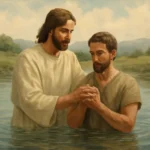
- Jesus’ own baptism and the mission he entrusted to his followers link baptism to discipleship and mission.
- The Trinitarian dimension, seen in many baptismal formulas, reflects a theological framework in which baptism names the Father, the Son, and the Holy Spirit, indicating a deep spiritual relationship within the Godhead and among believers.
This scriptural grounding often informs how communities teach baptism to adults and children, shaping catechesis, confirmation, and ongoing spiritual formation.
Because baptism is embedded in a wide spectrum of Christian practice, it appears in different lights depending on doctrinal emphases. Here are a few representative orientations:
- In some traditions, baptism is viewed as indispensably tied to salvation, functioning as the moment when grace is unknowingly received or confirmed.
- In others, baptism is primarily a symbol or sign that communicates faith and commitment, while salvation is understood as a gift of grace received through faith.
- In liturgical settings, baptism is often embedded in a broader rhythm of life—connected to the Eucharist, catechesis, and liturgical seasons—so that the rite forms part of a cohesive practice of worship.
- In nontrinitarian contexts, the language and emphasis around baptism may differ, focusing on moral awakening, covenantal belonging, or spiritual cleansing without explicit Trinitarian formulae.
The diversity of practice enriches the conversation about why people are baptized, showing that the ritual is flexible enough to accommodate different theological convictions while maintaining core elements of initiation, cleansing, and community belonging.
If you are considering baptism, several practical steps can help you discern your path and participate meaningfully:
- Reflect on personal conviction and community expectations. Consider how your faith, values, and goals align with the symbolism and demands of baptism.
- Engage in catechesis or a preparatory process. Many traditions offer classes or conversations that help clarify beliefs, questions, and responsibilities.
- Talk with a pastor, priest, or elder about the mode of baptism that resonates with you, whether immersion, pouring, or sprinkling, and about infant or adult baptism depending on your situation.
- Participate in the life of the church. Attending worship, classes, Bible study, and service opportunities can provide context for understanding baptism as part of a larger journey.
- Discuss practical considerations, such as timing, family participation, and the logistics of the ceremony, so that the day of baptism feels meaningful and well planned.
By approaching baptism with intentional preparation, you can enter into the rite with greater clarity about what you are promising, what you believe, and how you will live out that belief in the months and years that follow.
- What does baptism symbolize? In most traditions, baptism symbolizes cleansing from sin, initiation into the faith community, and a commitment to follow Jesus.
- Who should be baptized? Practices vary by tradition. Some churches baptize infants as a sign of inclusion in the covenant community; others require personal profession of faith before baptism.
- Can baptism save a person? Views differ. Some traditions teach that baptism is a salvific means of grace, while others see it as a powerful symbol of salvation already received through faith.
- Is immersion necessary? No universal requirement exists. Immersion emphasizes the death and resurrection motif more vividly, but many communities accept sprinkling or pouring as equally valid signs of initiation.
- What happens after baptism? Believers typically enter a season of growth, discipleship, and service, often accompanied by catechesis, participation in worship, and engagement with the church’s mission.
In exploring the reasons people are baptized, it becomes clear that the practice is not a single, uniform act but a plural set of meanings shaped by faith, culture, and community. Baptism functions as a bridge between personal conviction and communal life, a ritual that marks both a transition and a commitment. It invites reflection on who one is becoming, how one relates to God, and how one will participate in a shared story that spans generations.
If you are writing or speaking about this topic, you can emphasize that baptism is a multifaceted rite whose significance depends on the doctrinal framework, the historical moment, and the spiritual needs of the individuals and communities involved. By naming and exploring the core strands—water’s symbolism, rebirth, death and new life, and the social dimension of initiation—you can convey a nuanced, respectful, and historically informed picture of why people are baptized and what the rite invites them to become.








Deja una respuesta