What is the Great Commission in the Bible? A foundational mandate for followers of Jesus
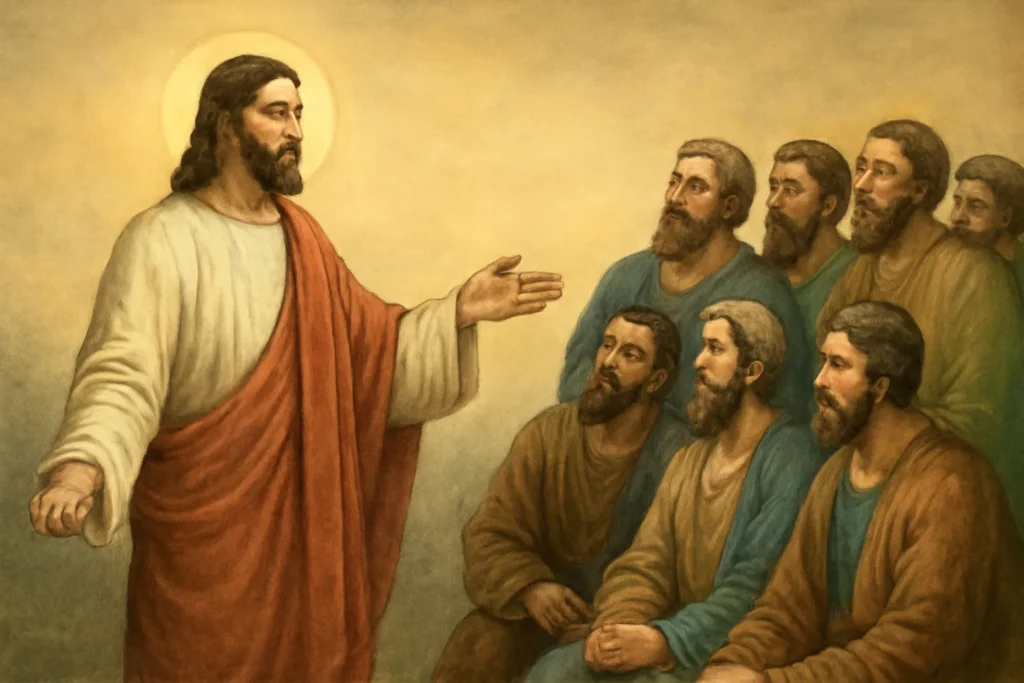
The Great Commission is a term commonly used to describe a set of commands and responsibilities that Jesus gave to his followers after his resurrection. In practical terms, it is the biblical mandate to spread the gospel, to invite people into faith, to baptize them, and to teach them to obey Jesus’ teachings. The phrase itself captures a central theme of the Christian faith: that God’s people are sent to partner with Christ in reaching the world with the good news. When churches speak of what is the great commission in the bible, they are pointing to a concise, mission-shaped instruction that has shaped missionary work, local evangelism, and discipleship programs for centuries. In many Bible translations the command is stated in various but related forms, yet the core idea remains the same: believers are sent on a global, lifelong mission.
Throughout Christian history, the Great Commission has been described using different expressions that preserve the core meaning while highlighting aspects of the task. Some speak of going into all the world, others emphasize making disciples, still others focus on the process of baptizing and teaching new followers. Because the commissions appear in different gospel accounts and in the Acts of the Apostles, readers encounter a spectrum of wording that reinforces a single, cohesive purpose: to declare the story of Jesus, invite people into faith, and help them live as Jesus’ apprentices in every sphere of life.
Meaning of the Great Commission
The great commission in the bible is best understood as a divine calling that blends proclamation with formation. It is not solely an invitation to convert others or merely to share information about Jesus. It is an invitation to participate in a transformative encounter with the risen Christ and to extend that encounter to others in a way that authentically changes lives. Several dimensions stand out as you examine the commission in its biblical form:
Missionary movement: The command implies movement outward—toward places and people who have not yet encountered Jesus. The language of going and being sent communicates a lifestyle of mission rather than a one-off event.
Discipleship as a process: The call to make disciples combines evangelism with ongoing growth, instruction, and accountability. It envisions people becoming followers who imitate Jesus and multiply their influence by teaching others to do the same.
Faith formation through baptism: Baptism is positioned as a public sign of identification with the triune God and the Christian community. It marks entrance into the life of faith and solidarity with the church.
Teaching and obedience: The final phase of the commission emphasizes teaching—“teaching them to observe all that I have commanded you.” This is not mere information transfer; it is equipping people to live in obedience to Jesus in every area of life.
Universal scope: The phrase “all nations” or “the ends of the earth” signals that the gospel is for every people group, transcending language, culture, and nationality. The mission is inclusive in its scope and ambitious in its reach.
The meaning of the Great Commission can also be summarized as proclamation plus formation. Proclamation involves telling the story of Jesus—who he is, what he has done, and why it matters. Formation involves guiding people to live out that story in tangible ways—through worship, ethics, relationships, and service to others. When churches describe the great commission in the bible, they point to a holistic enterprise that integrates heart transformation with outward service and message-bearing proclamation.
Biblical Context: Where the Great Commission Comes From
The Great Commission emerges from the arc of Scripture in which Jesus’ ministry, death, and resurrection are interpreted as the culmination of God’s plan to redeem people from every nation. To understand the full weight of this command, it helps to place it within its immediate historical moment and its broader theological setting.
The canonical form of the Great Commission is most famously recorded in Matthew 28:18–20, where Jesus declares authority in heaven and on earth, commissions his disciples, commands them to go and make followers, and promises his continual presence. Yet parallel and complementary statements appear in other parts of the New Testament:
In Mark 16:15, Jesus directs the disciples to “preach the gospel to every creature.”
In Luke 24:46–49, Jesus speaks of repentance and forgiveness of sins being proclaimed to all nations, beginning at Jerusalem, and he commissions the disciples to stay in the city until empowered by the Spirit.
In John 20:21–23, Jesus breathes the Spirit on the disciples and speaks of sending them as he was sent, with authority to forgive or retain sins.
In Acts 1:8, the Spirit’s coming enables the disciples to be witnesses “in Jerusalem, and in all Judea and Samaria, and to the ends of the earth.”
Taken together, these passages present a consistent theme: the church is commissioned to testify about Jesus starting from a local center and extending outward in ever-expanding circles, empowered by the Spirit and grounded in the authoritative name of Jesus.
Key terms and their significance
Several Greek terms underpin the Great Commission and illuminate its logic:
Pempo (to send) or apostello (to appoint or ordain as an ambassador). The language of sending stresses that mission originates with Christ and carries his authority.
Matheteúsete (to make disciples). This is more than teaching facts; it envisions people who learn to follow Jesus in life, worship, and mission.
Baptizein (to baptize). This practice marks initiation into the faith community and allegiance to the Father, Son, and Holy Spirit.
Didáskō (to teach). The instruction is not only cognitive but practical, enabling obedience to all that Jesus commanded.
Ethné (nations). The scope includes every people group, emphasizing cross-cultural mission and inclusion.
The biblical context also highlights a motif of authority (All authority in heaven and on earth has been given to me), which legitimizes the outward mission and assures the church of divine support. The ethics of the Great Commission arise not merely from human initiative but from obedience to the risen Christ who holds sovereign authority over creation.
How It Applies Today: Living the Great Commission in the 21st Century
The ongoing relevance of the Great Commission is a central question for churches, denominations, and individual believers. How do we translate an ancient command into contemporary practice without losing its original intent? Across time and culture, Christians have understood the Great Commission as a guide for both personal witness and organized mission. The application can be framed around several core commitments: proclamation of the gospel, demonstration of love in action, formation of mature disciples, and the creation of communities that multiply themselves in mission.
Practical ways individuals live out the great commission
Share your faith in personal relationships, demonstrating a credible and loving witness that points others to Jesus.
Invite and disciple friends, neighbors, and colleagues in a rhythm of mentorship, Bible study, and accountability.
Participate in baptism and teaching as appropriate within your church community, recognizing these rites as central to the life of faith.
Pray for and with others, asking God to open doors for gospel proclamation and for the spiritual growth of new believers.
Church-wide strategies for living out the mission
Discipleship pathways: Create programs that move people from new converts to mature followers who can train others.
Multiplication: Prioritize church planting, leadership development, and small-group multiplication, so that communities reproduce themselves.
Equipping the saints: Equip all ages and roles within the church to be ready to give a reason for the hope they hold and to serve others with compassion.
Global partnerships: Collaborate with missionaries and churches across cultures, providing support, accountability, and shared learning.
Global and local implications
The universal scope of the Great Commission invites Christians to think beyond local boundaries while also recognizing the importance of a strong local church. Local evangelism and community service demonstrate the love of Christ in tangible ways, while cross-cultural partnerships expand the gospel’s reach. In today’s interconnected world, the digital arena becomes a vital frontier for proclamation and discipleship:
Digital evangelism: Use online platforms to present the gospel in culturally resonant ways, while maintaining a careful, respectful approach to online conversations.
Online discipleship: Provide virtual classrooms, mentorship programs, and digital resources that multiply learners, regardless of geography.
Cross-cultural collaboration: Build relationships with churches and organizations in different cultures to learn from one another and to share resources wisely.
Ethics and cautions in applying the Great Commission
While pursuing the mission, Christians are called to maintain integrity, respect, and humility. The work of mission should be characterized by:
Respect for local contexts: Understand cultural differences and avoid patterns of coercion or coercive conversion.
Humility and listening: Enter communities with gentleness, seeking to learn from local believers and leaders.
Integral mission: Recognize that gospel proclamation is tied to acts of mercy and justice—caring for the poor, defending the vulnerable, and promoting human flourishing as expressions of faith.
Sustainability: Cultivate long-term partnerships that empower local churches to lead their own outreach and discipleship efforts.
In contemporary life, the question “what is the great commission in the bible” often becomes a question of personal vocation and communal strategy: How does a person’s daily work, friendships, and community involvement reflect the mission Jesus entrusted to his followers? The answer is not a single method but a set of practices that honor the gospel and demonstrate the love of Christ to a watching world.
Common Questions and Clarifications about the Great Commission
To help readers connect the dots between the biblical text and everyday life, here are some frequently asked questions and concise explanations. This section uses variations of the phrase “what is the great commission in the bible” to address both conceptual and practical concerns.
What is the great commission in the bible about? It is a comprehensive mandate to proclaim the gospel, make disciples, baptize believers, and teach them to obey Jesus’ commands. It integrates evangelism with discipleship and community formation.
Is the Great Commission primarily about evangelism? Evangelism is a central component, but the commission also emphasizes making disciples, which includes nurturing spiritual growth, ethical living, and the multiplication of Christian communities.
Who is responsible for fulfilling this command? All followers of Jesus have a role. While churches organize ministries and missionaries advance the cause globally, the call extends to every believer to bear witness and invest in others’ spiritual growth.
What about baptism in the Great Commission? Baptism is presented as a key next step after professions of faith, symbolizing identification with the triune God and entry into the faith community. Different Christian traditions interpret baptism differently, but most agree it marks a significant public commitment.
Does the Great Commission apply to all nations? Yes. The biblical scope is universal, urging the spread of the gospel across linguistic, cultural, and geographic boundaries, aligning with a God who calls a diverse human family to himself.
What role does the Holy Spirit play? The Spirit empowers believers for witness, equips them with gifts for service, and sustains them in mission. The commission is not attempted in human strength alone; it relies on divine empowerment.
How should contemporary Christians balance proclamation and service? A faithful approach emphasizes both word and deed—presenting the gospel clearly while embodying love, justice, mercy, and compassion in tangible ways.
Some readers ask variations like how should one interpret the great commission today or what does Jesus command in the great commission. Across traditions, the consensus is that the commission is not merely an historical artifact but a living summons that shapes worship, community life, and mission strategy. It invites the church to be a movement—rooted in scripture, empowered by the Spirit, and engaged with the world in hope.
A Closing Reflection on the Mission You Are Invited Into
The Great Commission is not a single event in history but a continuing story in the life of the church. It invites believers to be curious about the world, compassionate toward strangers, and faithful in daily obedience to Jesus. The biblical call to go, to make disciples, to baptize, and to teach is a blueprint for missional living that remains relevant in every era and every culture. When people ask what is the great commission in the bible in a way that honors both the ancient text and modern experience, they encounter a divine invitation to participate in a redemptive mission that culminates in praise to God and the transformation of lives.
In the end, the Great Commission challenges every reader to consider how their own life intersects with God’s mission. Whether through personal witness, participation in a local church’s outreach, or partnership with global programs, the call remains the same: live as someone sent, embody the gospel, and multiply faith communities that follow Jesus wherever there is a need for hope, mercy, and truth.





Leave a Reply