Introduction: Prayer Before Sleep at Night — Gentle Prayers for Restful Nights
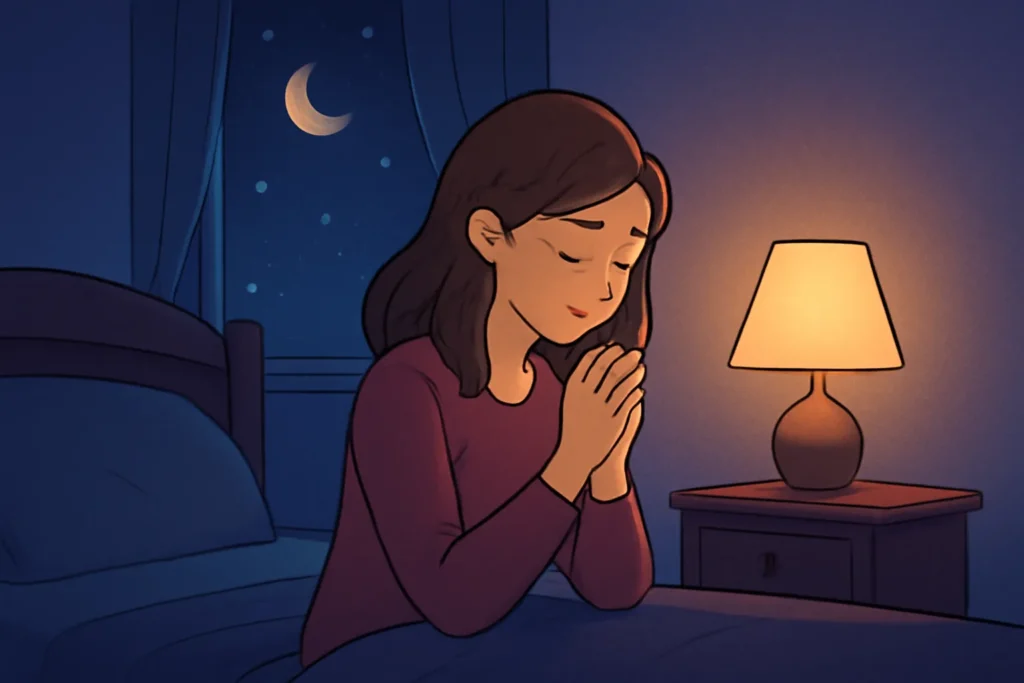
Across cultures and eras, people have turned to a quiet practice before night falls as a way to close the day with intention, reflection, and calm. Prayer before sleep at night is not a single recipe but a broad family of practices that invite rest, gratitude, and peaceful release. Whether you come from a tradition with formal liturgies or you prefer a simple, personal moment of stillness, a nightly prayer can become a reliable anchor as you drift toward repair and renewal. In this article, you will find a wide range of ideas—short and long, ritual and spontaneous, traditional and secular—that purposefully honor your need for restful nights and a softer dawn.
The goal of a night prayer is not to force beliefs or to transform the entire day into a flawless narrative, but to provide a gentle transition from waking to dreaming. It is a practice of gratitude, of letting go, of asking for calm and protection, and of setting an intention for how you want to show up tomorrow. Some people use words; others use breath, silence, or a visualization. Some prays are brief, others are elaborately written or full of imagery. The thread that runs through all variations is a conscious turning toward the night with openness, kindness, and a sense that rest is not passive but a form of self-care and spiritual nourishment.
Why Pray Before Sleep? Benefits for Body, Mind, and Spirit
Night-time prayer can influence more than mood. When done with regularity and sincerity, it can contribute to a calmer nervous system, easier transition to sleep, and a more compassionate stance toward yourself and others. Research on mindfulness and contemplative practices suggests that pausing to observe breath and cultivate positive emotions can reduce racing thoughts, lower cortisol, and improve sleep quality. While prayer is not a medical intervention, many people notice tangible benefits in how they wind down, let go of worries, and cradle a sense of safety as they settle.
Some practical benefits reported by practitioners include:
Reduced rumination as attention shifts from daily stressors to a larger frame of meaning.
A ritualized boundary between day and night that supports sleep onset.
A sense of connection—to community, to loved ones, or to a higher power—which can foster comfort and resilience.
Structured breathwork and slow exhalations that calm the body and mind.
A practice of gratitude that can reorient perspective toward abundance rather than strain.
If you are new to nocturnal prayer, approach it with patience. The goal is not perfection but presence: to notice what your heart longs for at night and to extend care to yourself as you ready for rest.
Foundational Elements of a Gentle Night Prayer
Although there are countless shapes of night prayers, most effective practices share several core elements. You can mix and match these to craft a routine that feels personal and sustainable:
Quiet breath and a brief physical pause: inhaling through the nose, exhaling slowly, releasing tension from the shoulders and jaw.
Gratitude for the day’s small and large moments, including challenges that offered growth.
Protection or safety intention for yourself, loved ones, and the space you inhabit.
Forgiveness or release for mistakes, disappointments, or pain from the day, allowing room for rest.
Hope or intention for tomorrow, framed with gentleness rather than pressure.
Silence or short readings to anchor the moment in a meaningful tradition or personal meaning.
The practical form can be as short as a single sentence or as long as you wish. A simple format may be: a moment of breath, a line of gratitude, a request for peaceful sleep, and a closing blessing for calm and renewal.
Consistency matters more than length. A brief nightly moment repeated with sincerity creates a reliable rhythm that signals your brain and body that sleep is coming. If time allows, you can extend this with a short reflection on values, a quick reading, or a brief visualization of a tranquil image.
Prayers for Gratitude: Cultivating a Heart of Thanksgiving
Gratitude is a powerful doorway into peace. By naming what you appreciated in the day, you invite joy and soften the day’s burdens. Here are several variations you can use, adapt, or combine.
Today I am grateful for the small kindness I received, the breath that kept me steady, and the opportunity to rest. May I sleep with a heart full of thanks and wake with a spirit ready to give.
Thank you for this day with all its light and shadows. Help me receive tomorrow with gentleness and discernment.
Gratitude with a Whisper of Wonder
Thank you for the ordinary miracles—the steady clock, the quiet room, the safety of my bed. May my sleep be as calm as the night sky, and may I awaken with curiosity and courage for what lies ahead.
Gratitude in a Family Moment
For the people I shared this day with, for the meals that fed us, for the laughter and the resilience. Bless us as we rest, and help us greet tomorrow with kindness toward ourselves and each other.
Gratitude Rituals for Children
Thank you for my family, my home, and my imagination. Help me sleep soundly, dream bravely, and wake ready to learn.
Prayers of Gratitude for Teachers, Frontline Workers, and Helpers
Grateful for those who gave their time and care today. May they rest in safety, knowing their work matters, and may we honor their efforts with compassion tomorrow.
Prayers for Protection, Peace, and Safe Rest
The desire for safety and inner peace is a common thread in many night prayers. You can phrase protection in a way that resonates with your beliefs or with a secular sense of safety and care.
Protection and Peace Verses
Protection for body and mind: Keep me safe through the night and guard my sleep from fear or fret. May my dreams be gentle, and may I wake refreshed and ready.
Inner peace as a nightly refuge: Let my heart settle into calm; let my thoughts slow to a forgiving pace; let my breath anchor me in the present moment.
Technology-Free Night Prayer
Before closing my eyes, I unplug from the day’s noise. I release the digital world and invite the stillness of the room. May I embrace quiet rest and return to the day with clarity and compassion.
Prayers for Protection Without Wording
When words feel insufficient, you can use a simple gesture—hands folded, eyes lowered, gaze inward—paired with a breath cycle. The practice itself becomes the prayer: care, safety, relief.
Prayers for Forgiveness and Release
Forgiveness is a sacrament you can offer yourself as you prepare to sleep. It does not erase accountability, but it allows you to cultivate a healthier relationship with mistakes and with tomorrow.
Forgiveness Prayers
I forgive myself for what I did not know, for my missteps, and for the times I judged too harshly. Help me begin anew with gentleness and resolve.
Release and Letting Go: I release the worry I carried today. I release the relief I sought in the wrong places. May I rest in the present and awaken to wiser action tomorrow.
Prayers for Those Who Have Hurt You
May they find their own peace, and may I find mine. May forgiveness transform my sleep into a sanctuary, not a battlefield, and may compassion guide my dreams.
Prayers for Loved Ones and Community
Night prayers often extend beyond the self to the circle of people we care about. These prayers foster connection and a shared sense of responsibility for one another’s well-being.
Morning and Night Blessings for Family
Bless my family with safety, patience, and laughter. May our home be a refuge where everyone feels seen and supported, and may our rest restore our energy to love one another well.
Pour out a wish for good health, steady hearts, and the ability to support one another, even from a distance. May our community thrive in mutual respect and shared responsibility.
Prayers for Those in Need
Send comfort to those facing illness, loss, or hardship. May they find relief in the stillness that night offers and awaken with renewed courage to face tomorrow’s challenges.
Different Traditions and Variations: Night Prayers Across Faiths and Perspectives
The language of night prayers reflects diverse theological landscapes and personal perspectives. Here are some accessible variations that you can explore or blend with your own practice.
Christian Night Prayer: A Simple, Traditional Pattern
Our Father or a reflective closing blessing, followed by gratitude and a petition for protection as sleep comes. For families with children, a concise bedtime prayer often used is: “Now I lay me down to sleep; I pray the Lord my soul to keep.” Adapt phrases to emphasize mercy, grace, and the peace of Christ or universal compassion.
Islamic Night Dua: Seeking Quiet Rest
Many Muslims recite a du’a (supplication) before bed, seeking safety from trials of the grave and comfort in sleep. A common practice is to recite verses from the Qur’an and verbal prayers like, “Bismika Allahumma amutu wa ahya” (In Your name, O Allah, I live and die). You can adapt by repeating a short, meaningful dua about protection, mercy, and restful sleep.
Judaism Before Sleep: Shema and Contemplation
In Judaism, the perfect companion to rest is often the nightly recitation of the Shema and blessing prayers, accompanied by gratitude for the day. A quiet moment of contemplation about one’s actions and a plea for peace, safety, and a good night’s sleep are traditional components.
Buddhist/Zen Night Practice: Mindful Rest
In Buddhist-inspired approaches, a night practice centers on mindfulness and loving-kindness. A short sequence might include a few breaths, a reflection on impermanence, and a dedication of merit to all sentient beings. The aim is to unwind the mind's chatter and invite soothing awareness into sleep.
In Hindu practice, an evening routine might include a short prayer for peace (Shanti Mantra), a light offering, and gratitude for the day. The intention is to quiet the senses and align the heart with a sense of universal harmony.
Secular / Mindfulness-Based Night Routine
Without religious language, you can still engage in a deeply meaningful bedtime ritual: slow breathing, a body scan, journaling of first thoughts before sleep, and a short statement of intention for the next day. A secular version centers on compassion, clarity, and restful sleep, without invoking a deity or dogma.
Practical Nighttime Prayer Routines: How to Structure Your Evening Moment
A good night-prayer routine is practical and scalable. You can tailor it to your schedule, energy, and needs. Below are three progression models you can adapt.
Model A: The 2-Minute Wind-Down
Find a comfortable position in bed or a chair; soften your gaze or close your eyes.
Take 3 slow breaths, counting to four on the inhale and eight on the exhale.
Offer a sentence of gratitude: one thing you appreciated today.
State a brief intention for peaceful sleep and a gentle awakening tomorrow.
Close with a word or phrase that signals closure, such as “Amen,” “Peace,” or a personal vow.
Model B: The 5-Minute Night Reflection
Begin with 60 seconds of mindful breathing and release of physical tension.
Describe three things you are grateful for, with concrete details if possible.
Offer a moment of forgiveness toward yourself or someone else, then forgive the day as a whole.
Silently or aloud, name a single hope for the next day (e.g., courage, patience, curiosity).
End with a closing blessing or prayer phrase, followed by a final breath and a comfortable release into sleep.
Model C: The Personalized Night Prayer Script
Voice or write a short prayer that suits your beliefs. For example:
“Dear Universe, thank you for this day; thank you for the people I love and the lessons I learned. I release what I cannot carry and open my heart to rest. surround me with safety and calm, and guide me toward a tomorrow filled with kindness.”
Creating a Personal Night Prayer that Fits Your Life
Personalization is the heart of a lasting practice. Here are suggestions to help you craft a nightly moment that feels authentic and sustainable.
Choose a light structure you can repeat: a breath, a line of gratitude, a closing wish. You don’t need long prose to be meaningful.
Incorporate your values—compassion, integrity, courage, or generosity—into each night’s intention.
Involve family or partners by saying a shared blessing or taking turns sharing a moment of gratitude.
Adapt with the seasons—different prayers or phrases can reflect gratitude for growth in spring, healing in autumn, resilience in winter, and renewal in summer.
Keep a small ritual that cues sleep, such as dimming lights, turning off screens, lighting a candle, or washing your hands as a ceremonial gesture of cleansing the mind.
Write your own phrases—even a few sentences can hold great meaning when spoken with sincerity.
If you are uncertain where to begin, you can start with a brief gratitude line, a protection intention, a release statement, and a gentle blessing for tomorrow. Over weeks and months, your variations will accumulate and your practice will feel more coherent and comforting.
Example 1: “Thank you for today. I release what I cannot change and forgive what I cannot fix. Watch over my family and me as we sleep. May tomorrow be a day of small, steady steps toward peace.”
Example 2: “I rest in the gratitude of this night. I invite calm to my body and mind. If worries arise, I acknowledge them briefly and let them pass like clouds. May I wake with patience and courage.”
Example 3: “Bless this home with safety and warmth. Let my heart soften toward myself and others. I am grateful for love, for learning, and for rest that renews me.”
Even well-intentioned night prayers can drift into ritualization that feels hollow if not attended to. Here are some practical tips to keep your practice meaningful.
Avoid guilt traps—the goal is safety and rest, not perfection or self-criticism for difficult days.
Keep it realistic—use a length you can maintain consistently; consistency matters more than intensity.
Adapt to life changes—if you are traveling, in a stressful period, or caring for a baby, allow your practice to shrink or shift rather than stop.
Allow silence—include moments of stillness or breath without forcing words to fill every pause.
Respect your beliefs—your practice should feel true to you, not a scratch-copy of someone else’s routine.
Questions You Might Have About Night Prayers
Below are common inquiries people have when they begin or evolve a nightly prayer practice. If you have a question not covered here, feel free to ask.
Do I need to believe in God to pray at night?
No. You can engage in a nightly practice rooted in gratitude, mindfulness, and intention without specific religious beliefs. A night prayer can be secular, humanistic, or spiritual according to your own worldview.
How long should a night prayer last?
Even a 1–2 minute moment can be powerful. The duration should be comfortable and sustainable for you. Longer sessions can be helpful when you have time, but consistency with shorter routines often yields better long-term results.
Is it okay to pray if I am anxious or sleep-deprived?
Yes. In fact, a gentle, paced practice can help soothe acute anxiety and gradually improve sleep. If stress is high, focus more on breath, grounding, and soft, compassionate phrases rather than complex prayers.
What if other people in my household have different beliefs?
Respectful differences can be navigated by offering a shared moment that honors everyone’s comfort. A simple, universal practice—breath, gratitude, and a calm intention—can meet diverse beliefs in a single, peaceful way.
Conclusion: Embracing Night as a Time for Renewal
A thoughtful prayer before sleep at night can become more than a habit; it can become a daily ritual that nurtures resilience, kindness, and inner quiet. The night is not merely a pause between waking hours but a doorway to restoration. By embracing gentle prayers, you invite restful nights, a kinder inner voice, and a renewed sense of purpose at dawn. Whether you lean toward tradition or toward a modern, secular mindfulness, your nightly practice can reflect your deepest values while offering you rest, safety, and hope for tomorrow.
If you are starting from scratch, you might begin with a short, repeatable format: a moment of breath, a line of gratitude, a quick intention for peace, and a closing blessing. As you grow more comfortable, you can expand your practice with longer readings, personalized prayers, or a brief visualization. The most important element is honesty: speak to the night as you would speak to a trusted friend who wants your well-being to flourish.
May your night prayers become a sanctuary—a quiet, reliable space where you release what no longer serves you, invite calm, and awaken with a grateful, hopeful heart for the possibilities that a new day brings.









Leave a Reply