Before Bedtime Prayer: Quick Calming Prayers to End Your Day
Before Bedtime Prayer: Quick Calming Prayers to End Your Day
Welcome to a thoughtful exploration of Before Bedtime Prayer, a practice designed to help you end your day with calm, clarity, and peace. In this article, you’ll find a collection of quick calming prayers and practical ideas to weave spiritual or reflective time into your nightly routine. Whether you follow a faith tradition or simply seek a mindful ritual to wind down, these short prayers and prompts can become a steady companion as you transition from the bustle of the day to the quiet of the night.
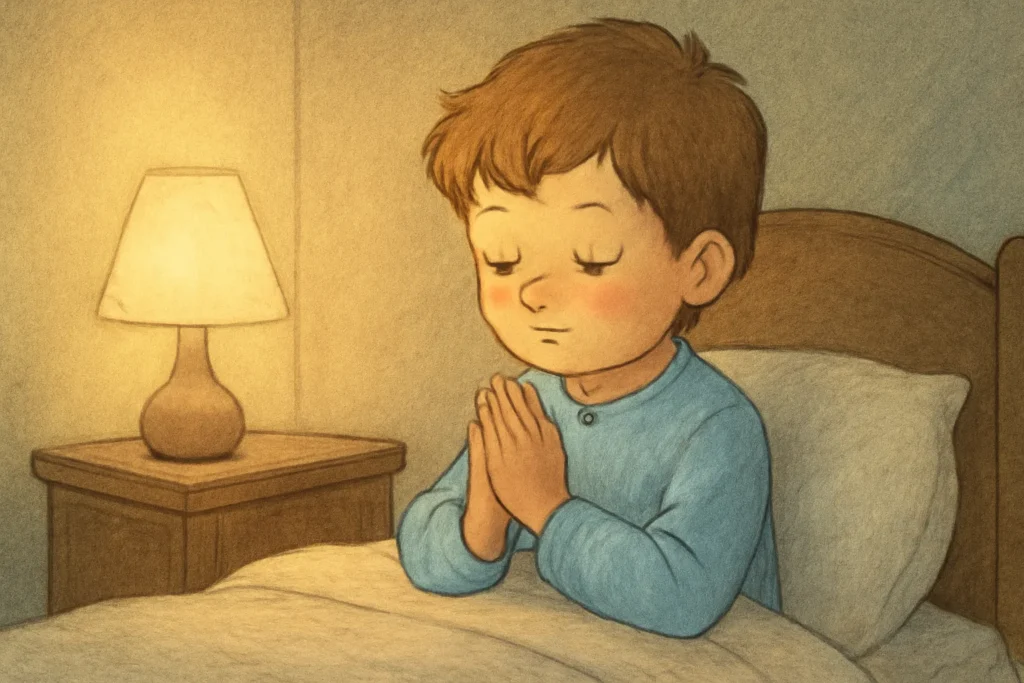
A before-bedtime prayer is a short, intentional moment of pause that happens at the close of the day. It may be spoken aloud, whispered, or held in the stillness of your own heart. The goal is to release the day’s tension, invite a sense of grace and present-moment awareness, and set a gentle intention for sleep. Because sleep is foundational to restoration, a well-timed prayer practice can help you unravel worries, centre your breathing, and foster a sense of safety and care for yourself and your loved ones.
Benefits of bedtime prayer for body, mind, and spirit
Stress reduction: Short prayers can lower cortisol through slow, deliberate breathing and a shift in attention away from ruminative thinking.
Emotional regulation: A routine of gratitude, forgiveness, and release helps you process emotions from the day with intention.
Improved sleep quality: The ritual signals the nervous system to prepare for rest, creating a calmer transition to sleep.
Enhanced mindfulness: Focusing on breath, body sensation, or a quiet phrase promotes present-moment awareness.
Spiritual connection or personal meaning: The practice can reinforce a sense of belonging, purpose, or moral alignment.
Structuring a simple bedtime prayer routine
Even a few minutes of intention each night can make a meaningful difference. Here are practical ways to structure a nightly prayer routine that feels accessible, not burdensome.
Set a consistent time: Choose a time close to when you turn off screens or prepare for bed. A reliable anchor helps your brain associate this moment with rest.
Find a comfortable place: A dimly lit room, a chair near your bed, or a quiet corner with a soft surface can become your sanctuary for stillness.
Choose a simple script or prompts: Whether you use a fixed prayer, a rotating set of phrases, or free-form thoughts, consistency matters more than length.
Incorporate gentle breathing: Pair your words with slow breaths to deepen the calming effect.
End with gratitude or release: A closing line or two can seal the practice and prepare you for sleep.
Quick calming prayers to end your day
Below you’ll find a curated set of quick bedtime prayers designed for efficiency without sacrificing depth. Each example can be used as-is or tailored to your voice, tradition, or personal preferences. The emphasis is on ease, accessibility, and the intention to transition into sleep with a clear heart.
Short breath prayer for winding down
Inhale slowly while thinking or saying: “God, grant me peace.” Exhale slowly while thinking or saying: “I release the day.” Repeat for 2–4 minutes or until you feel a sense of calm settling in.
Gratitude-focused bedtime prayer
Grateful heart, thank you for the small blessings of today—meals shared, a kind word, a moment of humor. May tomorrow’s opportunities unfold with patience, grace, and strength. Amen.
Forgiveness and release night prayer
Forgive my mistakes, especially where I spoke in haste or acted out of fear. Help me release what I cannot change, and grant me the wisdom to begin anew with a gentler heart. Amen.
Protection and peace bedtime prayer
Wrap me in your peaceful protection, guard my sleep from disturbing thoughts, and bring rest that refreshes every tissue, thought, and dream. Let dawn arrive with renewed clarity and calm. Amen.
For those I cherish, I ask for safety, health, and joy. May our bonds deepen in kindness, and may our nights be calm, even when the world outside is restless. Amen.
Guidance for tomorrow prayer
As I lay down tonight, please illuminate the path ahead. Grant me wise choices, courage to act with integrity, and the humility to learn. Let tomorrow be a day of constructive steps and serene progress. Amen.
Rest and restoration prayer
May my body be restored during rest. May my mind unburden itself of unhelpful ruminations. May my spirit be revived with quiet hope and gentle strength for whatever tomorrow holds. Amen.
Additional variations of the practice: different forms of before bed prayers
The theme of a before sleep prayer can be expressed in multiple formats to suit your mood, energy, or spiritual lens. Here are some variations you might use on different nights:
Silent prayer: A minute or two of inner dialogue with no audible words, focusing solely on breath and presence.
Listening prayer: After a short spoken prayer, stay in quiet listening for any impression, word, or sense that arises from stillness.
Scriptural or sacred text prayer: Read a short verse or passage, then reflect on its meaning in relation to your day and rest.
Music-assisted prayer: Play a soft instrumental or chant briefly, then speak a few lines that echo the mood of the music.
Generational or communal prayer: Involve a family member or friend, taking turns sharing a brief line or two to close the day with mutual care.
Breath-centered variations
Some people prefer a breath prayer that cycles with the inhale and exhale. For example: “Inhale grace, exhale worry. Inhale peace, exhale fear.” Repeat for several cycles until you sense your body emitting tension.
Minimalist night prayer for busy days
When time is tight, you can condense the practice into a single sentence: “I thank you for today, I release what remains, and I rest in your care.” This form honors the intention without demanding a long ceremony.
How to customize your before-bedtime prayer to fit your life
Personalization makes any ritual feel authentic and sustainable. Here are ways to tailor your night prayers so they align with your values, beliefs, and daily realities.
Define your core intention: Is your aim to calm, to express gratitude, to seek guidance, or to release fear? A clear intention helps you select or craft the right words.
Adapt to your faith tradition: Incorporate familiar phrases, prayers, or scriptures if that adds resonance. If you don’t subscribe to a specific tradition, you can create a universal language of care and compassion.
Use short prompts or cards: Write a few prompts on index cards and rotate them, so you have a ready-made script when you’re tired.
Pair with a physical ritual: Light a candle, wash your hands, or drink a warm beverage as a tactile cue that the day is ending.
Record a reflection in a journal: After the prayer, jot a quick line about what you learned, what you’re releasing, or what you’re grateful for. This can deepen the practice over time.
Using technology and tradition together
In a modern home, you can combine traditional elements with technology in a gentle way to support your bedtime devotion. For example:
Set a reminder on your phone to begin your night prayer routine at the same time each evening.
Play a short, calming audio guide that leads you through a 2–4 minute sequence of breath, gratitude, and release.
Keep a small prayer journal or card deck by your bedside for quick reference when you’re tired or distracted.
Use a soft light or lamp dimmer to create a comfortable atmosphere that signals rest rather than stimulation.
Practical scripts you can copy or adapt
Here are a few ready-to-use scripts you can copy, print, or adapt. They are designed to be short enough for busy days but meaningful enough to ground you before sleep. You can mix and match lines from different scripts to create your own blend.
Script A: “Thank you for today. I release what I cannot fix, and I entrust tomorrow to your steady care. May I wake refreshed and ready to serve with a clear heart. Amen.”
Script B: “I pause, I breathe, I belong to this moment. Bless my rest, bless my sleep, bless my loved ones. Amen.”
Script C: “Gratitude for the good and forgiveness for the rest. Calm my body, steady my thoughts, guide my dreams with hope. Amen.”
Script D: “Protect my sleep from fear and worry. Bring gentle rest and a bright morning. Amen.”
Incorporating a nightly reflection or journaling prompt
Beyond words, a brief reflection can enrich your sunset prayer time. Consider adding one journaling prompt after your prayer, such as:
What was the most meaningful moment of today, and why?
What is one thing I can let go of tonight to sleep more peacefully?
Who or what am I grateful for today, and how did I express that gratitude?
What is one action I want to take tomorrow to live more fully in line with my values?
Guidance for parents and caregivers: bedtime prayers with children
Bringing children into the practice can help them develop emotional regulation and a sense of security. Here are family-friendly approaches:
Short child-friendly prayers: Simple lines like “Thank you for today. Help us to rest well. Amen.”
Involve kids in the ritual: Let them choose a line, a color of a candle, or a storybook reading that complements the prayer theme.
Turn it into a routine: A predictable sequence (bath, tuck-in, prayer) creates safety through familiarity.
Beyond words: how to use sensory elements to support prayer at night
Incorporating sensory cues can deepen the sense of calm and focus. Consider integrating one or more of the following, depending on your preferences:
Sound: Gentle chimes, a soft lullaby, or ambient nature sounds.
Texture: A cozy blanket, a smooth stone, or a soft pillow that you associate with rest.
Smoke-free scent: A small amount of lavender or a calming essential oil in a diffuser (if you use fragrances at night).
Light: Dimming lights gradually to mimic the natural transition from day to night.
Scientific and psychological context: why bedtime prayer can help
While the religious or spiritual framing may vary, the underlying mechanisms are broadly supported by research in psychology and neuroscience. A consistent evening ritual can:
Activate the parasympathetic nervous system: Slow breathing and focused attention encourage rest and digestion rather than the fight-or-flight response.
Reduce cognitive arousal: By redirecting attention from daily stressors to a simple practice, you reduce rumination that interferes with sleep onset.
Improve emotional processing: Naming gratitude, forgiveness, or concerns helps you process emotions and lowers emotional intensity before sleep.
Promote a sense of safety and belonging: Repeating comforting words or prayers can strengthen a sense of protection and connectedness.
A repertoire of longer ending prayers for occasional reflection
On some evenings, you may want a longer reflection that still fits into a bedtime window. The following extended prayers can be read slowly or spoken aloud in segments across a few minutes.
Extended Night Prayer 1: “Creator, thank you for the day you have given me. I acknowledge the moments of strength and the moments of struggle. I offer forgiveness for where I fell short, and I release the burdens that cling to me as I lay down. May my body find rest in your care, my mind quiet its restless thoughts, and my heart open to your peace. When morning comes, grant me courage to begin anew with gentleness toward myself and others.”
Extended Night Prayer 2: “Source of light, guide my sleep to restore what is weary. I entrust the cares of today to your wise hands, knowing they are held securely. Help me wake with gratitude, clarity, and focus, ready to act with kindness and honesty. Bless my family and friends, and bless all who are in need of protection tonight. Amen.”
A final note on practicing with consistency and patience
A sustainable before bedtime prayer routine is less about length and more about reliability and presence. If you miss a night, approach the following evening with a gentle attitude rather than self-criticism. The aim is to cultivate a steady space where you can rest deeply, refresh your spirit, and prepare for the next day with intention.
Frequently asked questions about before bed prayers
What makes a bedtime prayer effective? The effectiveness lies not in the perfect words but in the deliberate presence, breath work, and the intention to slow down at the end of a busy day. Consistency matters more than complexity.
Do I need to be religious to practice a night prayer? No. A nighttime prayer can be secular, spiritual, or religious. The core elements—breath, gratitude, release, and rest—translate across frameworks and can be adapted to fit your beliefs or lack thereof.
How long should a bedtime prayer or ritual last? Even a 2–5 minute practice can be effective if it’s done consistently. Some people may choose longer sessions on weekends; others keep to a brief routine every night. The key is to make it a predictable signal of rest.
Conclusion: embracing the practice of before-bedtime prayer as part of a daily rhythm
In the cadence of daily life, a before bedtime prayer offers a gentle, trustworthy rhythm that helps you transition from the day’s activity to the stillness of night. By incorporating quick calming prayers, one can cultivate inner peace, emotional balance, and a sense of spiritual connection that supports restful sleep and a hopeful start to the next day. Whether your approach is contemplative, devotional, humanistic, or simply mindful, these practices can be comfortably integrated into your nightly routine, offering a reliable space to care for your body, mind, and spirit as you prepare for rest.










Leave a Reply