Daily Bread Prayer for Today: A Simple Prayer for Provision
Daily Bread Prayer for Today: A Simple Prayer for Provision
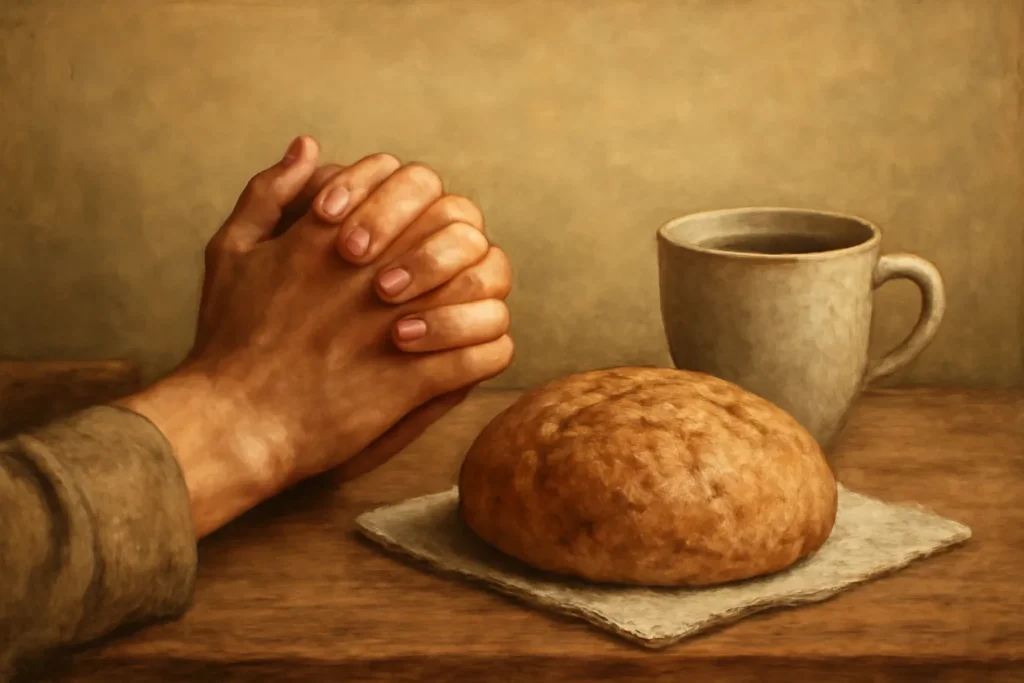
In many faith communities, a simple practice anchors daily life: a short, sincere request for provision that meets the needs of the moment. The Daily Bread Prayer for Today — sometimes called the daily bread prayer for today, or variations such as today's daily bread prayer — invites believers to pause, acknowledge dependence on God, and name daily needs with humility and gratitude. This article offers a comprehensive guide to understanding, practicing, and personalizing the daily bread prayer for today, including its biblical roots, historical context, variations, and practical steps for incorporating it into daily life.
Overview: What is the Daily Bread Prayer for Today?
The phrase daily bread appears most famously in the Lord’s Prayer, a prayer that Jesus taught his disciples. The line, often rendered as “Give us this day our daily bread.” (Matthew 6:11; Luke 11:3 in some translations), expresses a core conviction: provision for today is a gracious gift, received with trust rather than with constant worry. The Daily Bread Prayer for Today invites believers to repeat that understanding in a concise, practical form: what we need for this day, identified and offered to God with gratitude and hope.
Across languages, cultures, and Christian traditions, the daily bread prayer for today is used in family prayers, personal devotions, liturgical settings, and classroom or youth-group environments. It functions on several levels at once: as a request for physical sustenance, as a reminder of God’s care, as a discipline of daily dependence, and as a prompt for generous action toward others who lack shelter, food, or security. When framed as today’s bread or bread for this day, the petition becomes a reminder that each day carries both need and possibility for blessing.
Historical and Theological Foundations
Scriptural roots and theological meaning
The assertion of daily provision lies at the heart of the biblical narrative about God as a reliable source of life. In the Sermon on the Mount, the Lord’s Prayer models an approach to prayer that combines reverence for God with practical petition. The line about daily bread communicates a few layered ideas:
Dependence: People do not sustain themselves by their own power alone; daily sustenance comes from God.
Trust: The request for today signals trust that God will provide fresh provisions for the day ahead.
Moderation: The focus is on present needs rather than future abundance or anxiety about tomorrow.
Stewardship and gratitude: Asking for provision invites gratitude for what is received and responsibility for how it is used.
In the broader biblical arc, the idea of bread or nourishment appears repeatedly—God feeding the Israelites in the wilderness, bread from heaven in times of scarcity, and Jesus’s feeding miracles. Taken together, these narratives shape a robust understanding of provision that is both spiritual and practical.
Historical usage in Christian traditions
Across the centuries, Christians have invoked the daily bread prayer for today as part of personal devotion and public worship. Some traditions emphasize a simple, heartfelt version of the petition, while others incorporate it into a larger rhythm of daily prayers. The practice has been embraced by communities of various sizes—from small family altars to monastic communities, and from congregations in rural settings to churches in urban neighborhoods.
What remains constant is the emphasis on a daily, humble petition that centers God’s provision as a trustworthy horizon for life. In this sense, the daily bread prayer for today is less about a formula and more about a posture: a daily acknowledgment that we belong to a larger pattern of care and mercy in which we participate as recipients, stewards, and neighbors.
Because language shapes our prayer life, it’s helpful to consider several natural variants of the daily bread prayer for today that people use depending on tradition, context, or personal preference:
Daily Bread Prayer for Today (the most direct form)
Today’s Daily Bread (shorter, colloquial version)
Bread for This Day (emphasizing immediacy)
Give Us This Day Our Daily Bread (quoting the scripture verbatim)
Different settings invite nuance. Here are some examples of how the daily bread prayer for today can be adapted:
Family devotion: “Give us this day our daily bread, and grant us patience, kindness, and wisdom as we share what we have.”
Youth or classroom use: “Help us trust that you will supply what we need for today, and guide us to be generous with others.”
Interfaith or inclusive settings: “Grant us enough for today, and teach us to care for all who hunger and need shelter.”
Poetic or paraphrased forms: variations that emphasize hope, mercy, or social justice while retaining the core request for daily sustenance.
Key themes found in variations
Across these variants, several enduring themes recur:
Present-mocused provision: Emphasis on today rather than an abstract future.
God as Source: A recognition that sustenance comes from a benevolent Creator.
Grace and gratitude: A posture of thankfulness for daily mercy.
Compassion and action: The acknowledgment that provision implies a call to share with others in need.
Practical Guide: How to Pray the Daily Bread Prayer for Today
A simple, step-by-step approach
Quiet the mind: Create a few minutes of stillness, choosing a comfortable posture and environment.
Center on the present: Focus on today, avoiding dwelling on past shortages or future uncertainties.
Begin with reverence: Address God with respect and trust.
State your need and your gratitude: Express what you need for today, and acknowledge what you already have to be grateful for.
Offer intercession: Extend concern for the needs of others—families, neighbors, communities, and the vulnerable.
Close with commitment: Conclude by choosing an action that aligns with provision—for example, sharing, saving, or praying for discernment in daily choices.
Two sample prayers for today
Sample A: “Give us this day our daily bread. We trust you to provide for our needs today, and we thank you for the gifts we often overlook. Help us to use what you provide to bless others and to live with integrity.”
Sample B (inclusive language): “Grant us this day our daily bread. May we find sustenance and strength for today, and may our resources be used for the good of all. Teach us to care for one another with generosity and grace.”
Incorporating a daily bread practice into schedule
Morning ritual: Begin the day by uttering or journaling a brief line of the daily bread prayer for today.
Midday reflection: Pause to acknowledge ongoing needs, reorient priorities, and consider acts of service or sharing.
Evening gratitude: End the day by thanking God for provisions received and for opportunities to give to others.
Daily Practice: How to Let Provision Shape Your Life
Beyond words: living out daily provision
Praying for bread for today is meaningful not only as a verbal petition but as a practice that shapes behavior. The daily bread prayer for today often becomes a trigger for concrete actions that reflect trust in God’s care:
Hospitality and sharing: Welcoming guests, sharing meals, volunteering at food drives, or supporting neighbors facing food insecurity.
Stewardship of resources: Budgeting with generosity in mind, reducing waste, and supporting sustainable, fair food systems.
Advocacy and justice: Advocating for policies that ensure access to food, housing, and healthcare for those in need.
Mindful gratitude: Keeping a daily list of blessings, cultivating contentment, and resisting envy or hoarding impulses.
Attuning your rhythm to the seasons of need
Provision is not a one-size-fits-all concept; it shifts with life’s seasons. A child’s daily needs differ from those of a college student, a worker supporting a family, or someone facing illness. Each season invites a refresh of the daily bread prayer for today and a refreshed commitment to meet the present needs with compassion and practicality.
Practical Tools and Formats for Different Audiences
For families with children
Make the
Use simple language: “Please give us our bread today and take care of us.”
Include a small moment of thanks for a meal or a resource each day.
Turn the practice into a collaborative activity: family members can offer prayers for others or brainstorm ways to help neighbors who are hungry.
For individuals seeking contemplative focus
Turn the daily bread prayer for today into a quiet contemplative exercise. Pair the words with breath prayers, meditative pacing, or a time of listening for God’s guidance about daily decisions and priorities.
For communities and congregations
In a worship setting, the daily bread prayer for today can be integrated into a broader liturgy of care. Consider combining it with a reading on provision, a short meditation on gratitude, and a brief corporate act of generosity—such as collecting donations for a local food pantry.
Common Misconceptions About the Daily Bread Prayer for Today
Myth: It only concerns physical food
While the traditional phrase centers on bread, many interpreters understand it as representing all daily necessities: physical nourishment, shelter, clothing, and even emotional or spiritual sustenance. The daily bread prayer for today invites us to acknowledge all the forms of provision that sustain life daily.
Myth: It guarantees a lack of struggle
As a prayer for today, the petition does not cancel hardship or scarcity. It expresses trust that God accompanies us through daily challenges and invites us to respond with wisdom, patience, and generosity rather than panic or entitlement.
Although commonly used in private prayer, the daily bread prayer for today also serves a community function: inviting shared responsibility, encouraging care for the vulnerable, and fostering a culture of mutual support within families and neighborhoods.
Frequently Asked Questions
What does “daily bread” mean in modern contexts?
Besides literal food, it can refer to basic needs such as housing, healthcare, clean water, and security. It also encompasses spiritual nourishment, such as peace, hope, and purpose that sustain a person through the day.
Can the daily bread petition be adapted for non-Christian faiths?
Yes. In interfaith or secular contexts, the same core idea can be reframed as requesting daily sustenance, care for others, and responsible stewardship of resources, while respecting the distinct beliefs of participants.
How can I pray this prayer when I’m worried about tomorrow?
Focus on the present moment and the assurances embedded in the prayer: God’s ongoing care, the community’s support, and your practical steps toward meeting needs today. You can also add a line acknowledging concern and asking for peace and guidance for tomorrow.
Is there a difference between “daily bread” and “bread for today” in practice?
Practically, both phrases point to present needs, but the wording can shift emphasis. “Daily bread” carries a sense of regular, ongoing provision; “bread for today” emphasizes the immediacy of today’s needs while still pointing to routine trust in God’s care.
Personalizing the Daily Bread Prayer for Today
Guidelines for crafting individual variations
Personalizing the daily bread prayer for today can deepen its meaning. Here are some guidelines:
Be specific where appropriate: Naming real needs can ground the prayer in lived experience, e.g., “the funds to pay rent this month” or “wisdom to navigate a tough decision.”
Keep the focus on today: While it’s okay to acknowledge long-term concerns, the core request should center on today’s provisions.
Include gratitude: Pair the request with thanks for what has been provided, no matter how small.
Connect to action: Consider a practical follow-up—sharing, budgeting, volunteering, or praying for others in need.
Template for a personalized version
“Give us this day our daily bread. Today, we ask for nourishment for our bodies and clarity for our decisions. Thank you for the food we have, the shelter we enjoy, and the people who support us. Help us use your gifts to bless others and to pursue justice for those who hunger.”
How the Daily Bread Prayer for Today Relates to Social and Moral Life
Provision, justice, and community flourishing
The practice of asking for daily bread carries implications for social ethics. If provision is a daily grace, then communities are called to organize resources in ways that reduce needless hunger and insecurity. This perspective invites a convergence of spirituality with advocacy and service, encouraging believers to act with courage and compassion in areas such as:
Food security programs: Community gardens, food banks, meal programs for families with limited resources.
Sustainable living: Practices that reduce waste and promote equitable access to resources.
Policy engagement: Supporting policies that ensure fair wages, affordable housing, healthcare, and social safety nets.
Solidarity with the vulnerable: Walking with those who hunger, recognizing their dignity, and sharing in their daily burdens.
For readers who want to deepen their understanding, consider studying the passages around the Lord’s Prayer in Matthew 6 and Luke 11, and exploring their connections to God’s provision in the wilderness, manna from heaven, and Jesus’s teachings about trust and mercy.
Devotional aids
Devotional booklets or brochures focusing on daily prayer and provision.
Guided meditations that pair the Lord’s Prayer with reflections on daily sustenance and neighbor-love.
Journaling prompts that invite readers to list daily needs, gratitudes, and acts of generosity.
Conclusion: Embracing a Simple Practice with Profound Impact
The Daily Bread Prayer for Today is designed to be a practical, accessible practice that centers life in daily dependence on God’s care. It is not a ritual of scarcity but a reminder that each day carries both need and opportunity: the need for nourishment, shelter, and safety; and the opportunity to receive, steward, share, and respond with compassion. By embracing variations of the daily bread prayer for today—whether the language is brief or expansive, formal or informal—we participate in a tradition that invites both reverence for God and responsibility for our neighbors. The daily routine of asking for bread for this day can shape habits of gratitude, generosity, and justice that extend far beyond the moment of prayer. In this way, a small, daily petition becomes a doorway to a larger life of faithfulness, hope, and practical love.
Appendix: Quick Reference Guide
Key phrases to know
Daily bread — the bread that sustains today’s life, in physical, emotional, and spiritual senses.
Today — emphasis on the present moment and present needs.
Provision — the broader sense of God’s supply for all daily necessities.
Gratitude — recognizing gifts received as a reason to celebrate and to share.
Stewardship — responsibly handling the resources God provides.
Sample variations to keep handy
Daily Bread Prayer for Today — “Give us this day our daily bread.”
Today’s Bread Prayer — “Provide for today, Lord, and guide our steps.”
Bread for This Day — “Meet our needs today, and help us meet the needs of others.”
Personalized version — a sentence that reflects individual circumstances and intentions for the day.










Leave a Reply