Understanding the phrase: the Marriage Supper of the Lamb
The expression “Marriage Supper of the Lamb” is a vivid biblical image that combines the intimacy of a covenant relationship with the celebratory joy of a great feast. In Christian theology, this phrase points to the ultimate union between Christ, depicted as the Lamb, and his people, depicted as the Bride. Across translations, you will also encounter variants such as “the wedding of the Lamb,”“the wedding feast of the Lamb,” and “the feast of the Lamb.” Each phrasing carries the same core idea: a divinely orchestrated marriage embrace followed by a glorious banquet that inaugurates God’s renewed creation.
The imagery invites readers to imagine two intertwined truths: first, a solemn covenant rooted in faithfulness, and second, a lavish hospitality that welcomes a people home. The phrase is not merely decorative language; it anchors a hope that God’s purposes for humanity—purity, fidelity, joy, and fellowship—will be realized in a culminating moment when heaven and earth are harmonized. In preaching and teaching, the comparison to a wedding and a banquet centers attention on relationship—between Christ and the church, between God and humanity, and among all the redeemed in mutual love and shared worship.
Variants in wording and meaning
The different wordings carry subtle emphases that can shape interpretation and devotional use:
The marriage of the Lamb emphasizes the covenantal union: a decisive binding together of Christ and his people.
The wedding of the Lamb carries a personal, relational tone, echoing the language of betrothal and the joyous ceremony of binding vows.
The wedding feast of the Lamb foregrounds the celebratory banquet that follows the ceremony, highlighting hospitality and communal rejoicing.
The feast of the Lamb broadens the image to include abundance, sustenance, and divine generosity at a party that transcends mortal limits.
In all forms, the core message remains: a supreme act of divine love culminates in a definitive, public celebration where the people of God are gathered, purified, and welcomed into everlasting fellowship with Christ. The repeated emphasis on joy, invitation, and glory makes the Marriage Supper of the Lamb one of the most hopeful motifs in biblical eschatology.
Biblical foundations: Revelation 19 and the fuller Bible context
The clearest and most explicit statement about the Marriage Supper of the Lamb appears in the apocalypse of John, especially in Revelation 19. Two key moments frame the scene: a declaration of joyful anticipation and an invitation that crowns the vision with blessing.
“Let us rejoice and be glad and give him glory, for the wedding of the Lamb has come, and his bride has made herself ready.” (Revelation 19:7, NIV)
The following verse then broadens the scene to the invitation at the feast, a note that echoes through the ages:
“Blessed are those who are invited to the marriage supper of the Lamb!” (Revelation 19:9, NIV)
The juxtaposition of the wedding imagery and the invitation to a celebratory meal signals more than a single event in heaven. It points to a climactic moment in which the drama of creation—humble obedience, divine rescue, and humanity’s response in faith—reaches its peak in communal worship and shared life with God. The imagery also resonates with other biblical motifs that describe a feast in God’s kingdom, reinforcing the expectation that salvation culminates in a meal that embodies both grace and glory.
The Bride as a radiant city or people prepared for union with the Lamb.
The white garments of the saints, symbolizing righteousness.
The recurring theme of worship, glory, and the fall of false powers that seek to thwart God’s purposes.
Historical and cultural roots: banquet imagery in ancient backgrounds
To appreciate the Marriage Supper of the Lamb, it helps to understand how wedding and banquet imagery functioned in the ancient world. In Israelite and early Jewish culture, weddings were not merely private ceremonies; they were social events that required hospitality, feasting, and communal rejoicing. The groom would come for a bride in a ritualized procedure that signaled covenantal love and commitment. After a betrothal period, the wedding feast would unfold with abundance and public acclaim.
Christian writers have long read Revelation’s banquet through this cultural lens, while recognizing the surpassing significance of the divine revelation. Some readers approach the text with a sense that human wedding customs point forward to God’s ultimate act of union with his people. Others see the imagery as a prophetic device that places God’s redemptive plan into a language familiar to readers who understood celebrations as acts of hospitality and worship. In either case, the banquet imagery anchors hope in tangible symbols: food, fellowship, and a shared mission of worship.
Elements of the ancient banquet that enrich interpretation
Hospitality as a core virtue: guests are welcomed with generosity and care.
Communal joy as a sign of restored relationships and social harmony.
Covenantal language in weddings reflecting fidelity, trust, and lifelong commitment.
Visibility of the event: weddings and feasts publicize the union, signaling to a wider audience the fidelity of the couple and the community’s values.
Theological significance: why the Marriage Supper of the Lamb matters
The theology surrounding the Marriage Supper of the Lamb centers on the consummation of God’s redemptive plan. It marks the transition from revelation and salvation history to the eternal reign of God with his people. Several threads come together to explain its significance.
Union with Christ as the deepest reality of salvation. The Lamb, who sacrificed himself, has not only redeemed but also married his people into intimate fellowship.
Eschatological consummation of the Kingdom: a moment when God’s promises are fulfilled, sin is overcome, and creation is renewed.
Communal worship as the atmosphere of forever: the feast becomes a picture of ongoing, vibrant praise among the redeemed.
Hospitality as destiny—God’s people are welcomed into a table that never ends, embodying the generosity of the divine household.
Purity and righteousness symbolized by the bride’s adornment and the white garments, indicating moral renewal that accompanies salvation.
In many Christian traditions, this event is not just a distant future hope but a lens through which to view present ethics: fidelity to Christ, hospitality toward the marginalized, and a commitment to manifest the unity and harmony that the heavenly banquet anticipates.
Interpretive approaches: how scholars and pastors understand the verse
Across denominations and scholarly disciplines, readers interpret the Marriage Supper of the Lamb through several lens. While not all traditions agree on every detail about timing or sequence, there is broad consensus that the passage communicates ultimate triumph, joy, and divine hospitality.
Futurist interpretation
In a futurist reading, the Marriage Supper of the Lamb is typically understood as a future, literal event that occurs at the end of the age, after the tribulation and at the consummation of Christ’s reign. Proponents emphasize the unbroken thread from the heavenly wedding to the final defeat of evil and the establishment of a new heaven and a new earth.
Idealist (spiritual) interpretation
The idealist approach treats the imagery as symbolic of ongoing, timeless truths about Christ’s relationship with the Church. The wedding imagery portrays the dynamic, intimate, and continual process of spiritual union and worship that characterizes life in God’s kingdom, without fixing the moment in time.
Preterist interpretation
A preterist reading tends to connect portions of Revelation with first-century events and symbols. The marriage metaphor can be understood as a signal of God’s redemption accomplished through Christ’s work, empowering communities early in the church’s life to live in anticipation of God’s final victory without detailing exact chronology.
Historicists map Revelation’s imagery onto the broader arc of church history, seeing the Marriage Supper as symbolic of the church’s ongoing triumph across ages as the gospel expands and the people of God are gathered in faithfulness, culminating in a fulfilled eschatology.
Regardless of the interpretive frame, the central themes of joy, invitation, and kingdom reality persist. The Marriage Supper of the Lamb is less about a precise timetable and more about what God intends for the end-state of creation: a reconciled, renewed, and hospitable world where God dwells with his people.
Symbolism and meaning: key images within the feast
The Marriage Supper of the Lamb is rich with symbols that invite faithful reflection. Understanding these elements enhances both interpretation and devotion.
The Lamb
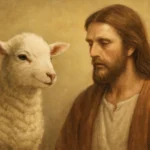
The Lamb identifies Jesus as the one who Offers himself as a sacrifice, enabling the bridal relationship to be established on the basis of grace. The image recalls Passover and sacrificial language, linking redemption with intimate union.
The Bride
The Bride represents the people of God, often described as pure and adorned in linen bright and clean—an image of moral renewal and protective grace. The bride’s readiness signals a responsive faith and a life shaped by love for the Bridegroom.
Fine linen garments
In Revelation 19:8, the text speaks of the church’s garments—“fine linen, bright and clean”—which symbolize righteous acts and the gracious clothing provided by Christ. These garments indicate that the guests’ participation in the feast is inseparable from a transformed life.
The heavenly banquet
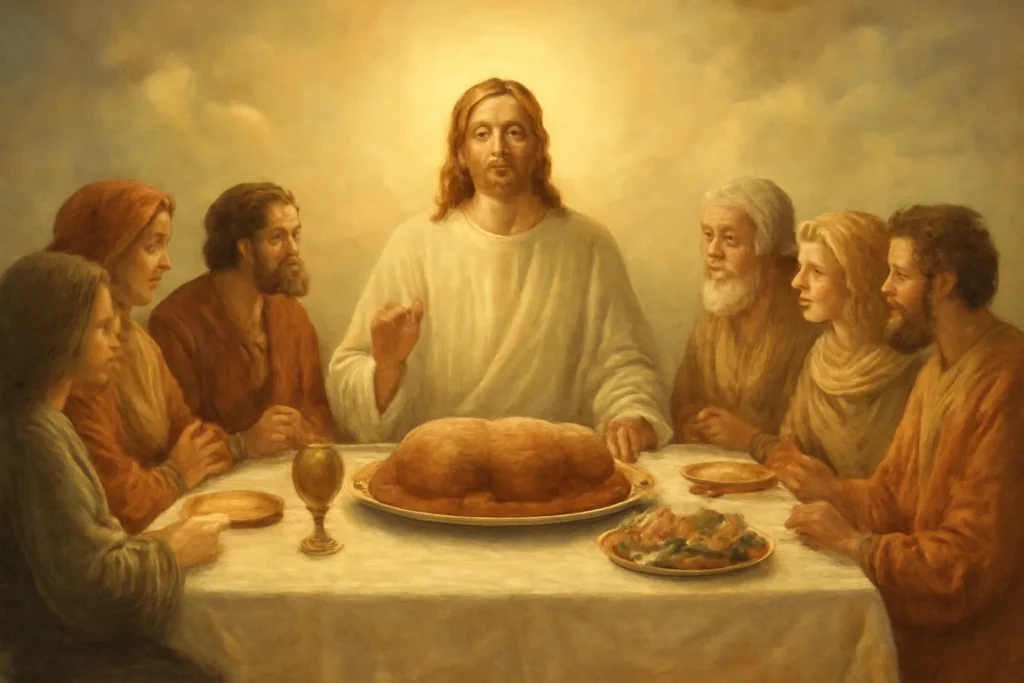
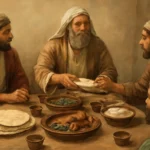
The feast imagery suggests abundance, hospitality, and shared joy. It is not merely a private ceremony but a public, celebratory gathering in God’s presence, where sustenance and fellowship symbolize the fulfillment of God’s promises to his people.
The city and the invitation
The setting of a city, streets, and a gathered multitude points to a cosmic reconciliation: God dwelling with humanity in a new creation. The explicit invitation to partake echoes the inclusive nature of God’s saving purposes and calls readers to respond with faith and gratitude.
Ethical and practical implications for believers today
The hope of the Marriage Supper of the Lamb has practical consequences for how Christians live in the present age. The imagery invites a faithful lifestyle grounded in anticipation of future glory, shaped by covenant faithfulness and generous hospitality.
Hope and endurance in trials, grounded in the certainty of a glorious future where God’s plan reaches its fulfillment.
Faithful discipleship as preparation for the bridal relationship—ongoing sanctification, repentance, and obedience.
Community and unity as expressions of the heavenly banquet on earth—mutual care, solidarity with the marginalized, and shared worship.
Hospitality and generosity as analogies to the feast—extending welcome and sustenance to others as a foretaste of divine hospitality.
Loyal worship that values truth, beauty, and reverent awe in praise of the One who makes union possible.
For pastors and educators, this imagery can shape sermons, catechesis, and devotional practices that emphasize the beauty of Christ-centered community and the ethical life that flows from a transformed heart.
The feast in worship and liturgy: devotional reflections
Across church traditions, the Marriage Supper of the Lamb has inspired hymns, sermons, and prayers that seek to translate astronomical hope into daily spirituality. The feast motif encourages believers to see worship as a shared meal in which divine grace is distributed and celebrated, not merely observed.
Hymnody often uses wedding and banquet language to describe Christ’s love and the joy of the saints; metaphors of adornment, robes, and songs appear in liturgical repertoires.
Communal prayers may invoke the invitation language, asking God to “bring in” the faithful and to sustain them until the final consummation.
Liturgical calendars can weave the theme of union with Christ into seasons of preparation, repentance, and celebration—anticipating the fullness of the Kingdom.
This devotional dimension helps believers connect the difficult moral and spiritual realities of life with the exuberant hope offered by the heavenly banquet.
Frequently asked questions about the Marriage Supper of the Lamb
Is the Marriage Supper of the Lamb a literal event or a symbolic portrayal? Most traditions affirm that it is a symbolic portrayal that communicates a literal future fulfillment, spiritual realities, and eternal truth. The symbolism emphasizes the genuine love relationship between Christ and his church and the real, future fullness of God’s kingdom.
Where in Scripture does the phrase come from? The primary occurrence is in Revelation 19, with the invitation to the feast appearing in verse 9. The broader banquet imagery resonates with other biblical motifs, including the prophetic depictions of the Messianic banquet in Isaiah and the teachings on the Kingdom of God in the Gospels.
Does this feast imply social equality or hierarchical order? The imagery centers on union, hospitality, and grace. While the biblical text uses symbolic language rather than detailed social orders, it envisions a community in which all are welcomed into God’s presence through the grace of the Lamb, with the Bride representing a purified people united to Christ.
How should believers live in light of this hope? By pursuing holiness, practicing charity, cultivating unity, and worshiping with joy, all while sharing the good news of God’s grace—anticipating the day when the feast is realized in fullness.
How do different theological traditions interpret timing? Distinct schools (futurist, idealist, preterist, historicist) emphasize different aspects of time and symbolism, but all tend to affirm the central truth: God’s plan culminates in a joyful reunion and celebration with his people.
Closing reflections: hope, fidelity, and anticipation
The phrase “Marriage Supper of the Lamb” is a window into the Christian hope that God will restore and renew all things in Christ. It invites the faithful to savor the present grace while longing for the future glory—an existence characterized by intimate relationship with God, shared life with the community of believers, and unending worship that never fades. The imagery is both intimate and cosmic: a wedding that binds heaven and earth in a single, radiant moment, followed by a banquet that sustains the soul forever.
In a world of fleeting pleasures, the Marriage Supper offers a different invitation—one rooted in divine fidelity and the promise of eternal communion. As you reflect on this holy drama, you may find renewed motivation to live in a way that honors the Lamb, loves the Bride, and participates now in the hospitality and holiness that the future feast represents.





Leave a Reply