Honor Thy Mother Bible Verse: Meaning, Context, and How to Apply
Honor Thy Mother Bible Verse: Meaning, Context, and How to Apply
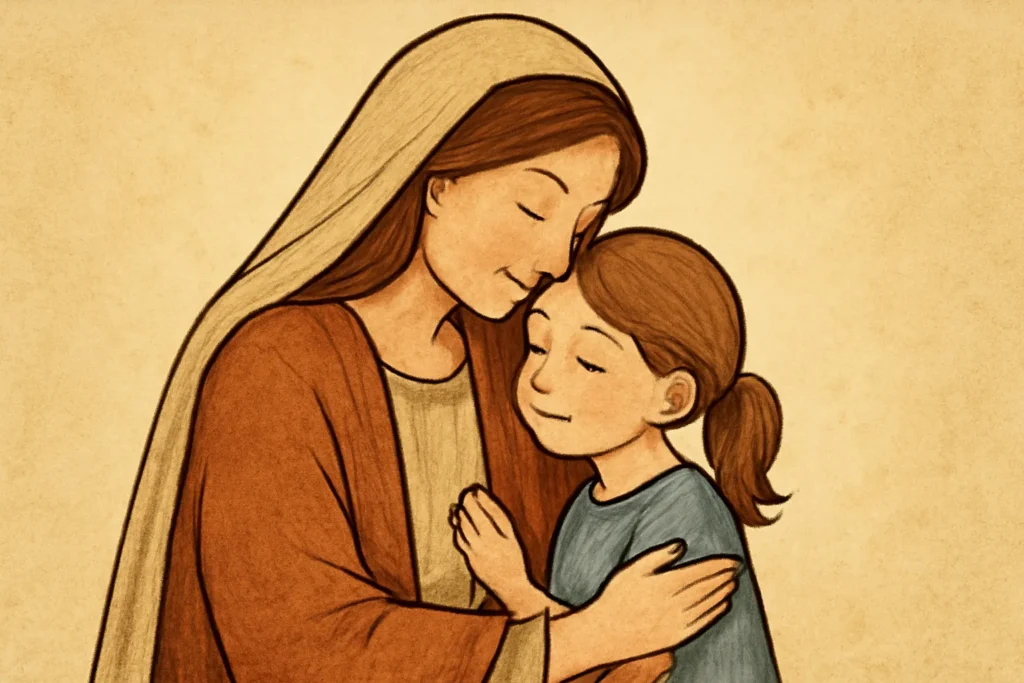
The instruction to honor thy mother sits at the heart of biblical family ethics. Across different translations and eras, this command has been cited as a foundational principle for respectful family life, intergenerational bonds, and social harmony. This article examines honor your mother in its biblical sense, tracks its historical and linguistic context, and offers practical guidance for applying the principle in contemporary settings. We will explore variations of the phrase, the broader command to honor both mother and father, and how readers today can live out this ethic with integrity and compassion.
What does it mean to honor a mother in biblical terms?
In biblical usage, to honor someone is to treat them with esteem, to acknowledge their role, and to respond with care and integrity. The call is not merely about outward politeness; it encompasses a posture of respect that shapes thoughts, words, and actions. Key elements often associated with the command include:
Respect for one’s mother, recognizing her authority, wisdom, and sacrifices.
Gratitude for the gifts of life, nurture, and guidance received from a mother.
Care and support in old age or times of need, including practical and emotional assistance.
Fidelity to family responsibilities, including honoring parental boundaries and seeking reconciliation when conflicts arise.
Legacy and memory—remembering and seeking to preserve the moral and cultural values imparted by one’s mother.
When we translate the phrase into modern language, we can think of honoring as something like: acknowledging a mother’s dignity, valuing her contributions, choosing words and actions that preserve her honor, and carrying forward a family lineage with integrity. In different contexts, “honor” may emphasize different facets—reverence in religious settings, or practical support in family life. The biblical command is a holistic charge that invites action, emotion, and responsibility, not merely sentiment.
Foundational verses and variations of the command
Several biblical passages frame the ethic of honoring a mother and father. Although the wording differs by translation, the core idea remains consistent: honor the parental role as a divine command that carries social and moral weight. Some of the most cited references include:
Exodus 20:12 — The Decalogue in the Old Covenant
In many translations, this verse appears as a direct imperative to honor your father and your mother. The phrase is sometimes rendered as “honor thy father and thy mother” in older English versions, but the meaning stays consistent: honoring parents is part of the moral law given to the people of Israel.
Deuteronomy 5:16 — Reiteration in a new generation
As the second presentation of the same command, this verse connects proper family behavior with a longer national and religious memory. The emphasis remains on honoring mother and father as a lifelong obligation that grounds social stability and personal virtue.
Ephesians 6:2 — A New Testament articulation
In the New Testament, the apostle Paul reframes the command for a chiefly Christian audience, often summarized as a fulfillment of the Law’s ethical core. The verse is commonly rendered as “Honor your father and mother”, linking the old covenant obligation to Christian ethics and family life within the church and society at large.
Other New Testament letters echo the sentiment, sometimes expanding the family ethic to broader relationships. In these contexts, the command to honor parents remains essential, though the language may shift to emphasize harmony, obedience, and mutual respect within households.
Across these verses, a consistent theme emerges: honor is more than a feeling. It is a stance that shapes behavior toward one’s mother and father across stages of life—from youth to adulthood. The phrase appears in various forms and translations, yet the underlying call to treat one’s mother with dignity and care endures across centuries and cultures.
Historical and cultural context: honor in the ancient world
To understand honor thy mother, it helps to consider the social fabric of the biblical world. The ancient Near East was largely an honor-and-shame culture, where family reputation, lineage, and obedience to elders had significant social weight. In such a setting, honoring one’s parents was not merely a private virtue; it was a public obligation that could affect a family’s standing in the community, economic well-being, and future prospects.
Parental authority and age: Parents, including mothers, often held central roles in family decisions, education of children, and the transmission of cultural and religious identity.
Intergenerational reciprocity: The bond between generations was reciprocal—parents cared for children in infancy and youth, while children bore responsibility to care for aging parents in later life.
Ritual and religious life: Honoring one’s mother was intertwined with honoring the divine order and communal law, reflecting a broader worldview in which family obedience supported communal harmony and spiritual fidelity.
In that historical space, the command to honor your mother carries a weight that translates into everyday actions: listening to parental counsel, showing deference in matters of family reputation, and supporting the family’s welfare. While modern societies differ in structure and norms, the essential impulse—recognizing the significance of a mother’s role and bearing responsibility toward her—remains a meaningful point of reference for many readers today.
Translations, nuance, and how language shapes interpretation
Translations of the biblical text influence how readers perceive the scope of honor. Some translations emphasize obedience, while others lean into respect and care. A few key considerations:
Obedience vs. honor: In some contexts, the command is rendered as obedience for younger generations, especially in Deuteronomy and early Christian settings. Other translations highlight respect and gratitude as the core of honor, which can include obedience but not be limited to it.
Mother’s role and authority: The emphasis on mothers can vary by cultural lens. In patriarchal contexts, mothers may be portrayed as caregivers with a central role in nurturing, while the broader social expectation includes honoring both parents as equal parts of the parental unit.
Age and responsibility: The verses often assume a reciprocal relationship: parents nurture children in youth, and children support parents in old age. Translation choices sometimes foreground this reciprocity more explicitly than others.
For readers today, staying aware of these nuances helps avoid oversimplifying the command into a single behavior such as “always obey.” The most faithful approach recognizes the integrity of the command across life stages and in diverse family situations, including those in which boundaries or safety must be considered.
The broader biblical themes connected to honoring parents
Honoring one’s mother is not an isolated command. It sits within a larger web of biblical values that shape how families function and how individuals relate to society. Some interconnected themes include:
Respect for elders: Across biblical literature, honoring elders extends beyond one’s mother to other respected figures who carry wisdom and life experience.
Gratitude and provision: The Psalms and Wisdom literature repeatedly praise gratitude toward those who have given care and sustenance, including parental figures.
Care for the vulnerable: The parental relationship is a specific instance of a broader ethical call to protect and care for those who have invested in others’ lives.
Family as a framework for faith: Many biblical writers link family fidelity with faithfulness to God, suggesting that stable families contribute to communities that reflect divine order.
Understanding honor in this wider frame helps readers interpret honor thy mother not only as a personal virtue but also as a communal ethic with implications for social responsibility, civic life, and spiritual practice.
How to apply the command in contemporary families
Applying the principle of honoring one’s mother today involves practical steps that respect both timeless wisdom and current realities. Below are actionable pathways that readers can consider, with emphasis on compassion, clarity, and boundaries where needed.
Show consistent respect: Speak politely, listen actively, and avoid dismissive language when engaging with a mother figure. Respect is expressed in tone, attention, and demonstrated care.
Express gratitude: Daily or weekly expressions of appreciation—through words, notes, or acts of service—honor the sacrifices and efforts of a mother.
Provide practical support: If a mother faces health challenges, aging, or financial strain, practical help—accompaniment to appointments, meal provision, or financial planning—can be meaningful forms of honoring her role.
Guard boundaries with care: Honoring a mother does not require tolerating abuse or neglect. Healthy boundaries are essential. Seek guidance from trusted mentors, counselors, or religious leaders when needed, and prioritize safety and well-being for all involved.
Celebrate and preserve family heritage: Keep traditions, stories, and values alive. Pass on family history, language, prayers, or rituals that connect generations and deepen a sense of belonging.
Support in times of transition: For mothers who face aging, illness, or loss, offer presence, advocacy, and practical help. Small acts of companionship can reflect deep honor over time.
Practice intergenerational respect beyond biology: If a mother figure is a mentor or community elder, extend the same courtesy and care, reinforcing a broader culture of honor in families and faith communities.
In many families, honoring one’s mother is woven into daily decisions—how a person talks about their mother, how debts of gratitude are repaid, and how one preserves dignity in complicated relationships. The practice can be approached with patience and intention, recognizing that genuine honor often grows through small, steady acts over years.
Common scenarios: applying honor in various life stages
To illustrate how the principle functions in practice, consider several typical life scenarios and how honour might be expressed in each case. (Note the variations in phrasing across English translations, but the underlying aim remains consistent: respect, care, and fidelity toward one’s mother.)
In adolescence: A child learns to listen, comply with reasonable requests, and express appreciation for a mother’s guidance. The emphasis is often on developing a habit of respect and attentiveness.
In adulthood: The relationship may shift toward mutual respect and collaboration, particularly when parents face health or financial challenges. Adults may balance honoring with independent decision-making and boundary-setting.
In retirement or aging: Providing practical help, maintaining emotional closeness, and ensuring access to resources can be powerful expressions of honor. Consider how to create sustainable support without enabling dependency.
Across cultural contexts: In some cultures, honor may involve ceremonial respect, family reunions, or participation in religious or communal rites that celebrate mothers and maternal roles.
In challenging scenarios: When a mother’s choices clash with personal values or safety, honoring her moral voice may involve discernment, honest conversation, and seeking healthy boundaries rather than silent obedience.
Across these scenarios, the guiding principle remains consistent: the honor constituted by care, respect, and responsibility strengthens relationships and contributes to a healthier family dynamic overall.
Misconceptions and clarifications
Several common misunderstandings can obscure the true meaning of honoring a mother. Clarifying these points helps readers apply the command more faithfully:
Honor does not require blind obedience: In modern contexts, respecting and honoring a mother may involve questioning, dialogue, and reframing certain choices when necessary to protect well-being.
Honor is not conditional on perfection: A mother’s flaws or mistakes do not nullify the call to honor. Yet honest assessment and healthy boundaries are important for all parties.
Honor includes honoring diverse maternal figures: The principle can extend to stepparents, grandmothers, aunts, or mentors who fulfill a motherly role in a person’s life, provided there is trust and positive influence.
Honor is a lifelong practice: The command spans childhood, adolescence, adulthood, and old age. It is not only a developmental phase but a sustained commitment.
Awareness of these nuances helps prevent the reduction of a rich biblical ethic to a single behavior or an overly rigid rule. Rather, honor becomes a flexible, compassionate orientation toward those who gave life, nurtured growth, and shaped a person’s story.
Frequently asked questions about honoring one’s mother
Below are concise answers to questions readers often have when reflecting on this command and its implications for daily life.
Is honoring my mother the same as obeying her in every situation?
No. While obedience can be a component, especially in youth, many situations require weighing wisdom, safety, and personal boundaries. Honoring involves respect, care, and fidelity, even when you disagree or must set limits.
What if my mother and I disagree about major life choices?
Disagreements are common in families. Practical steps include listening carefully, seeking common ground, setting healthy boundaries, and, if needed, involving a counselor or mediator to facilitate constructive dialogue.
How does honoring a mother relate to respecting other authority figures?
The biblical ethic of honoring parents is often paired with broader calls to honor elders, rulers, and leaders, always framed within the principles of justice, mercy, and integrity. The underlying value is respect for the dignity of those who have invested in us and guided our development.
How can someone honor a mother who has caused great pain or harm?
Honor does not require tolerating abuse or enabling destructive behavior. In such cases, honoring may involve seeking safety, building healthy boundaries, and pursuing reconciliation where possible and appropriate, while also protecting oneself and others from harm. Spiritual guidance, pastoral care, or counseling can help navigate these difficult circumstances.
To deepen understanding, here are concise definitions of terms frequently associated with this topic. Bold terms indicate core concepts discussed in this article.
Honor: A deliberate stance of esteem, respect, and responsibility toward someone who has a significant relational role, such as a mother.
Mother: The female parent who nurtures, guides, and sustains a child, often recognized as a primary teacher of values and faith.
Obedience: Compliance with parental instructions, especially in youth; can be part of honoring but is not the sole or defining element.
Gratitude: Acknowledgment of the sacrifices, care, and guidance received from a mother, often expressed through words and actions.
Reciprocity: The mutual exchange of care and support across generations, reflecting a shared responsibility within the family.
Readers may encounter several linguistic variants of the core command. Each variation contributes to a broader semantic field that helps adapt the principle to different contexts and languages. Some common variants include:
Honor thy mother (archaic form)
Honor your mother (modern English)
Honour thy mother (British English spelling)
Honour your mother (British English)
Respect and care for your mother (paraphrase emphasizing relational duties)
Honor the mother-child relationship (broader thematic phrasing)
These variations highlight that the core command remains constant—recognizing the mother’s role and responding with respect and responsibility—while the language adapts to different cultures, time periods, and translations. In practice, readers can cite the verse in its classic form or adopt a contemporary wording that captures the same ethical impulse without losing the essential meaning.
Conclusion: living out the command with wisdom and compassion
While this article does not carry a formal concluding section, it is worth tying together the threads of meaning, context, and application. The biblical call to honor your mother invites readers into a posture that blends reverence with realism: a deep respect for the maternal role, gratitude for the gifts of nurture, and a commitment to support and care across the arc of life. In a world of changing family structures and diverse cultural expectations, the principle remains a touchstone for healthy relationships, personal integrity, and social harmony.
For readers who wish to explore further, consider these practical next steps:
Reflect on personal experiences of honor toward one’s mother—what actions best express this virtue in today’s context?
Have conversations with family members about expectations, boundaries, and caregiving plans for aging parents.
Seek guidance from trusted spiritual mentors or counselors when navigating difficult family dynamics, especially in cases involving conflict or harm.
Study related biblical passages (such as Deuteronomy 5:16, Ephesians 6:2, Colossians 3:20) to see how the ethic evolves across covenants and communities.
Engage in acts of service that honor maternal figures in your community, including mentors, grandmothers, and other women who have invested in others’ lives.
In closing, the command to honor thy mother offers a compelling blueprint for sustaining family life with dignity, empathy, and responsibility. By embracing the linguistic richness of its translations, acknowledging its historical context, and applying its wisdom with practical discernment, readers can embody a timeless virtue that strengthens individuals, families, and communities.









Leave a Reply