Introduction to the Ten Commandments in the King James Bible
The Ten Commandments, often called the Decalogue, stand as a foundational ethical framework in the King James Version (KJV) of the Bible. Framed as a covenantal charter between the God of Israel and His people, these commandments address the deepest questions of worship, personal conduct, family life, social justice, truth-telling, and contentment. The KJV preserves a formal, archaic cadence—full of thou, thy, and verily—that many readers find both majestic and challenging. This article presents the commandments in their traditional order, as they appear in Exodus 20:3–17 (KJV), commonly taught in Protestant and many other Christian traditions. We will also offer context, interpretation, and practical reflections to help readers understand how these ancient words engage contemporary life.
For clarity and consistency with the King James text, the core statements of the commandments are quoted in full where appropriate, with emphasis on the critical phrases that carry the weight of each commandment: exclusive worship, rejection of images, holiness in speech, Sabbath rest, honoring parents, the sanctity of life, sexual fidelity, property and theft, truth-telling, and the desire for others’ possessions. The aim here is to present the KJV in order, while also exploring the texture and significance of the Decalogue for today.
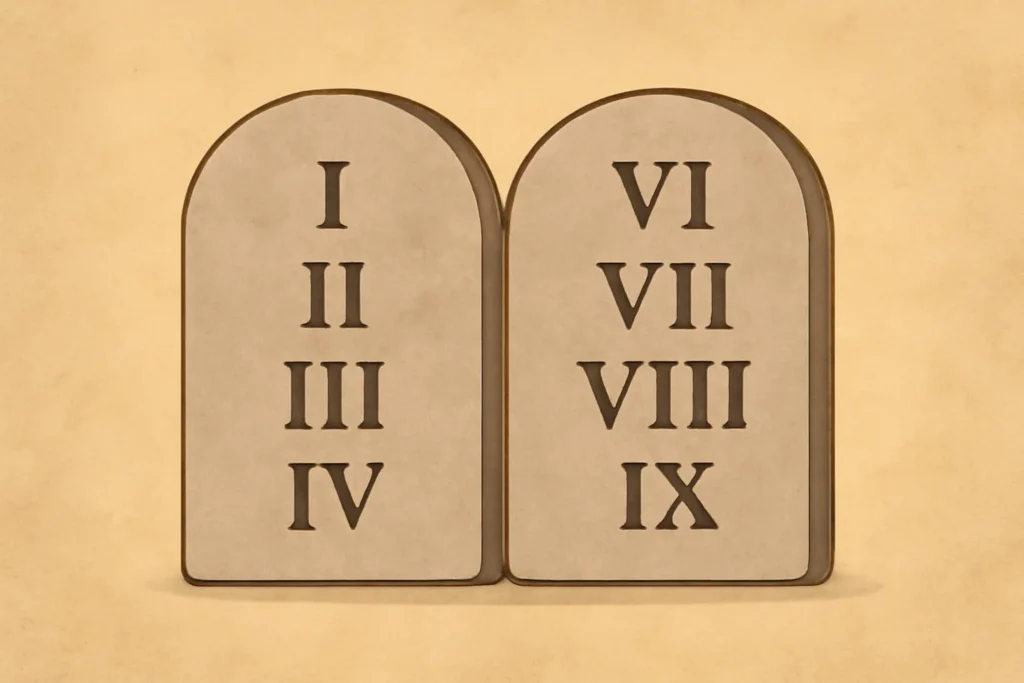
The Ten Commandments in Order (King James Version)
Thou shalt have no other gods before me. The opening commandment establishes the exclusive allegiance owed to the God of Israel. It sets a theological frame for all that follows: worship that is properly directed, centered on the one true God, and free from competing deities. The wording emphasizes a personal, covenant-based obligation rather than a mere social guideline. In the KJV, this imperative begins the Decalogue with a blunt assertion about priority in devotion and loyalty, shaping Jewish and Christian ethics around a single divine authority.
Exodus 20:3 (KJV)
Thou shalt not make unto thee any graven image, or any likeness of any thing that is in heaven above, or that is in the earth beneath, or that is in the water under the earth: thou shalt not bow down thyself to them, nor serve them: for I the Lord thy God am a jealous God, visiting the iniquity of the fathers upon the children unto the third and fourth generations of them that hate me; And shewing mercy unto thousands of them that love me, and keep my commandments.
Exodus 20:4–6 (KJV)
Thou shalt not take the name of the Lord thy God in vain; for the Lord will not hold him guiltless that taketh his name in vain. This commandment underscored the sanctity of God’s name and the seriousness with which it should be treated in speech, prayer, and everyday life. In the King James rendering, the warning against frivolous or careless usage of the divine name accompanies an exhortation to reverence and worship that name with integrity.
Remember the sabbath day, to keep it holy. Six days shalt thou labour, and do all thy work: But the seventh day is the sabbath of the Lord thy God: in it thou shalt not do any work, thou, nor thy son, nor thy daughter, thy manservant, nor thy maidservant, nor thy cattle, nor thy stranger that is within thy gates:
For in six days the Lord made heaven and earth, the sea, and all that in them is, and rested the seventh day: wherefore the Lord blessed the sabbath day, and hallowed it.
Exodus 20:8–11 (KJV)
Honour thy father and thy mother: that thy days may be long upon the land which the Lord thy God giveth thee. This commandment anchors the social order in a culture of respect for family leadership and care, linking familial obedience to the broader good of society. The KJV renders the phrase in a way that invites reflection on filial duty, intergenerational continuity, and social stability.
Exodus 20:12 (KJV)
Thou shalt not kill. Often rendered in modern translations as “thou shalt not murder,” the original commandment in the KJV speaks to the sanctity of life and the prohibition against taking innocent life. The brevity of the wording belies the gravity of its ethical implications: homicide, unjust violence, and the preservation of human life as a divine gift. The Decalogue here grounds its moral authority in the Creator’s own design of life and the community’s obligation to protect it.
Exodus 20:13 (KJV)
Thou shalt not commit adultery. This commandment protects the sanctity of the marriage relationship and, more broadly, the trust that binds households and communities. In the KJV, the phrase is concise, yet its implications extend to fidelity, the safeguarding of conjugal bonds, and the dignity of familial life. Adultery is treated as a direct offense against relational covenant and social stability alike.
Thou shalt not steal. The prohibition against taking what does not belong to you upholds personal property, honesty, and social trust. Within the KJV’s moral framework, theft disrupts the neighborly bond and undermines the integrity of community life. The commandment is both a personal exhortation and a social ordinance, encouraging fairness and respect for others’ rightful possessions.
Exodus 20:15 (KJV)
Thou shalt not bear false witness against thy neighbour. Truth-telling before the law and within everyday interaction is a foundational virtue in the KJV tradition. This commandment condemns deceit, perjury, and fraudulent testimony that harms another person. It affirms the social fabric of justice and trust, where honesty is essential for a well-ordered society and for the health of human relationships.
Exodus 20:16 (KJV)
Thou shalt not covet thy neighbour's house, thou shalt not covet thy neighbour's wife, nor his manservant, nor his maidservant, nor his ox, nor his ass, nor any thing that is thy neighbour's. This final commandment targets the interior life—the desires that can overtake judgment and lead to outward sin. Covetousness is addressed as a root of disobedience, prompting ethical reflection on what one wishes for, and why. The breadth of this prohibition covers person, property, and circumstance, highlighting the danger of discontent that corrupts the heart before it manifests externally.
Exodus 20:17 (KJV)
Expanded Context and Interpretation
Commandment I: Exclusive devotion in a plural world
The opening commandment is not merely a statement about belief but a call to allegiance that shapes every other commandment. In the KJV, it declares exclusive worship and rejects any rival divinity. Its implications reach into how people prioritize time, money, and values. When a society or community lives under this commandment, other directives—such as respecting authority, honoring family, and pursuing justice—are rightly subordinated to a central reverence for the one true God. The language of a covenantal relationship, rather than a mere list of moral prohibitions, invites readers to contemplate the motive of love and fidelity behind obedience.
Commandment II: Rejection of idols and the danger of image-longing
The prohibition against graven images reflects a theology that centers God’s transcendence and sovereignty. In the KJV’s diction, images are not merely decorative; they risk becoming objects of worship themselves. The accompanying statement about God’s jealousy and justice emphasizes that idolatry is not a private matter but a social and spiritual violation with consequences across generations. The commandment also safeguards a true sense of created reality—God as initiator and source of life, not a projection of human imagination.
Commandment III: The weight of God’s name in speech
The third commandment guards the sacredness of language and worship. In the KJV, using the Lord’s name improperly—whether in oath, exclamation, or casual speech—takes on moral gravity. This restraint is not merely about etiquette; it reveals a worldview in which language aligns with reverence, truth, and the memory of who God is. The tension between honest speech and careless speech remains a living concern in contemporary life, especially in an age of rapid communication and online discourse.
Commandment IV: Sabbath rest as a radical social pattern
Remembering the Sabbath day is presented in the KJV as both a divine pattern and a practical discipline. It is not only about ceasing work; it is about aligning life with the creator’s rhythm—work, rest, worship, and community. The long excerpt in Exodus 20:9–11 reveals a theology that grounds economic, familial, and spiritual life in a shared day of rest. In modern settings, Sabbath-keeping can take many forms, but the underlying aim remains the same: to honor God by reordering time toward rest, worship, and nourishment for body and soul.
Commandment V: The social architecture of family and society
Honoring father and mother anchors obedience within the family as a primary social unit. The KJV’s wording links this honor to the long life and blessing of the land God gives. This connection between familial fidelity and communal flourishing suggests that personal conduct has visible ripple effects in culture and governance. In practice, this commandment invites respect across generations, care for aging parents when needed, and the cultivation of intergenerational wisdom in communities.
Commandment VI: The sanctity of life in a violent world
“Thou shalt not kill” in the KJV is a succinct prohibition with broad implications. It asserts the sacredness of life and the moral seriousness of taking a life unjustly. Different biblical authors interpret this command in light of justice, self-defense, war, and judgment, but the core message remains: life is a gift from God, not a commodity for human disposal. Readers are invited to reflect on how this command shapes attitudes toward violence, criminal justice, mercy, and reconciliation.
Commandment VII: Fidelity and the integrity of intimate relationships
Adultery violates trust within the most intimate human bond and undermines the covenantal framework of marriage. The KJV’s phrasing foregrounds fidelity as a communal value—not only a personal virtue but a public good. Beyond a prohibition, the commandment carries implications about honor, consent, and the responsibilities of spouses and households. It asks modern readers to consider how relationships honor dignity, protect families, and sustain social harmony.
Commandment VIII: Respect for property and honest livelihood
The prohibition against stealing protects the goods of others and the trust that sustains economies and communities. In the KJV, theft is not only a crime against an individual but a breach of social covenant. It invites reflection on honesty in markets, generosity toward those in need, and how wealth is pursued and shared in a just society. The commandment also intersects with issues of poverty, opportunity, and the moral imagination required to uphold fairness.
Commandment IX: Truth-telling and the social order
Bearing false witness erodes justice and destroys reputations. The KJV framing centers the neighbor, reminding readers that truth is essential for civil is in every dimension of life. This commandment intersects with law, personal relationships, and media ethics today. Upholding truth-telling fosters trust, reduces harm, and builds a shared sense of reality in communities where narratives can be contested or manipulated.
Commandment X: The heart’s desires and the danger of coveting
Coveting reveals envy and discontent that can lead to outward sin—breaking doors of neighborly peace and justice before any action is taken. The KJV’s expansive wording covers both house and spouse, as well as possessions and status, underscoring that what begins in the heart can become real-life conflict. The commandment invites readers to cultivate gratitude, contentment, and reform of desire, recognizing that the root of many sins lies in disordered longings.







Leave a Reply