Church as the Body of Christ: A Guide to Unity and Mission
Church as the Body of Christ: A Guide to Unity and Mission
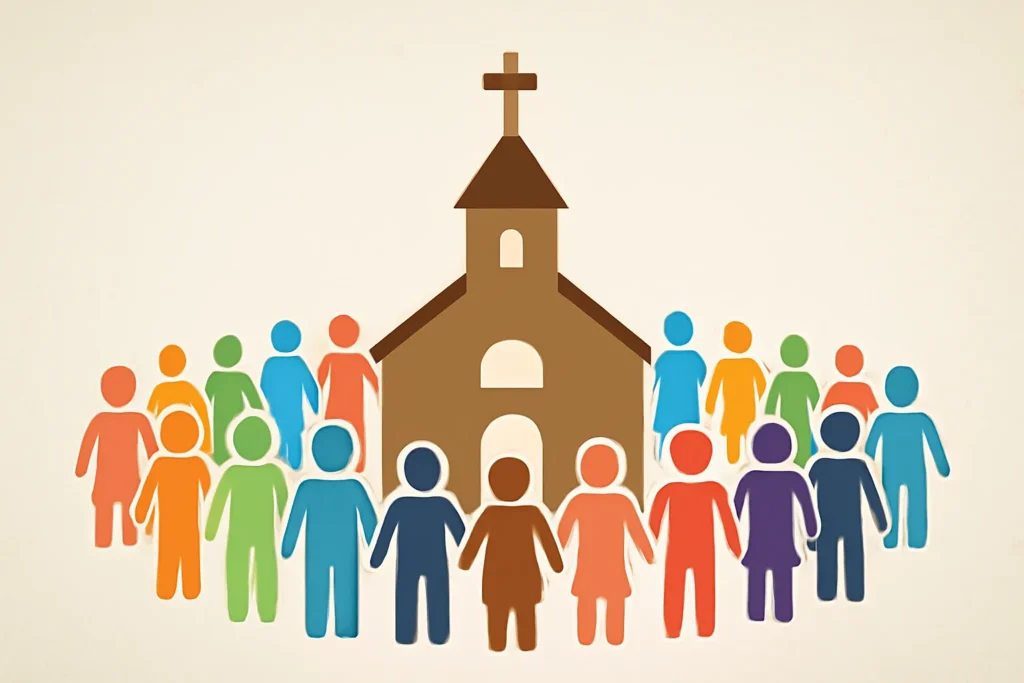
The idea of the Church as the Body of Christ speaks to a radiant image of life in which believers are knit together by faith, united in purpose, and compelled by love to serve a world that longs for hope. When we speak of the Body, we are not describing a merely social organization or a human institution, but a living organism animated by the same Spirit who raised Jesus from the dead. In this awareness, the ecclesial community becomes less about control and more about participation; less about standing apart and more about standing together; less about achievement and more about alignment with the risen Christ. This article offers a guided exploration of what it means to live as one body in a world that desperately needs witnesses who embody unity, humility, and mission.
The image of the Body of Christ originates in Scripture as a vivid metaphor for the way God designs the community of believers to function. The apostle Paul emphasizes that the church, or the Church as the Body, is composed of many parts that each have a vital role. In 1 Corinthians 12:12-27, Paul writes that as a single physical body has many members, so it is with Christ’s body. No part can say to another, “I have no need of you,” because every member lacks significance apart from the others when it comes to the common good. This passage anchors a truth about interdependence, mutual care, and shared life.
The Body of Christ is not a static symbol but a dynamic reality shaped by the Spirit. In Ephesians 4:4-16, the apostle describes a process by which all members grow into maturity, speak the truth in love, and build up the body until it reaches unity in faith and knowledge of the Son of God. The idea of growth toward maturity points to a living organism rather than a stagnant club. Likewise, Romans 12:4-8 highlights the diversity of gifts distributed to believers so that, working together, the body exercises these gifts for the common good. A later Pauline image, that Christ is the head, grounds the whole body in the leadership and sustaining presence of the risen Lord, ensuring coherence between doctrine, worship, and mission.
Beyond Paul, the New Testament speaks of the church as a multi-faceted body that inherits the promises of the Old Testament people of God while living out the fullness of God’s reconciling mission in Christ. In Colossians 1:18 and Colossians 2:19, the church is described as being held together by the head, with every joint supplying what is needed so the body grows. The image speaks to trust, dependence, and mutual care. In 1 Peter 2:4-5, believers are described as living stones being built into a spiritual house—a temple in which God dwells by the Spirit. These strands weave a coherent picture: the church as the Body is a living, growing, participating fellowship defined by Christ’s lordship and guided by the Spirit.
In articulating the theological grammar of the Body, it is helpful to note that the Body is universal and local. God’s intention is not a loose collection of churches but one global communion joined by faith in Christ, sustained by the Spirit, and expressed in local communities that bear faithful witness. This dual reality—the universal Body and local expressions—frames our understanding of unity, mission, and community life.
Unity in Diversity: The One Body Made of Many Members
Unity without diversity, or diversity without unity, distorts the image of the Body. The unity in diversity principle recognizes that God has given different gifts, temperaments, cultures, and callings to various members so that together they reflect the fullness of Christ. In this sense, every believer is indispensable, yet no single believer carries the whole burden alone. The body thrives not by uniformity of function, but by harmony in purpose and fidelity to the head.
A healthy ecclesial body rejects two temptations: homogenizing all gifts so that only one kind of contribution is valued, and fragmenting into isolated subgroups that compete for influence. Instead, the living Body cultivates spaces where every member can contribute, receive, and grow. The diversity of gifts—teaching, mercy, administration, hospitality, intercession, leadership, evangelism—becomes a sign of vitality when exercised for the good of the world and for the building up of the Body itself.
The goal of church unity is not uniform conformity but shared allegiance to Christ, common baptism, and a shared mission. When believers with different backgrounds learn to listen, acknowledge weaknesses, and celebrate strengths, the Church as the Body of Christ becomes more credible in witness and more compelling in love.
It is helpful to remember that leadership in the Body is not meant to dominate, but to serve. The one Spirit gives gifts, but the Spirit also calls for accountability and love to guard the unity of the Spirit in the bond of peace. In practice, this means confessing mistakes, pursuing reconciliation, and bearing one another’s burdens so that the Church remains a living sign of God’s reconciliation in the world.
The gifts of the Spirit are not ornaments but functional contributions that enable the Body to grow into mature faith and effective mission. The diversity of roles in a living community ensures that no essential function is neglected: proclamation, care, governance, teaching, and service all find expression through different members.
Spiritual gifts and their purpose
Prophecy, teaching, and exhortation—to illuminate truth, encourage growth, and build up the faith.
Serving and acts of mercy—to meet practical needs and demonstrate love in action.
Wisdom and discernment—to distinguish the Spirit’s voice from competing claims and to guide decisions.
Giving and leadership—to steward resources wisely and shepherd the community with humility and accountability.
Hospitality and mercy ministries—to welcome strangers, care for the vulnerable, and foster belonging.
Ministry and service within the Body
Declaring the Gospel through proclamation, apologetics, and everyday testimony.
Pastoral care—caring for souls through counseling, prayer, and visitation.
Discipleship and teaching—equipping people to walk with Christ and to multiply disciples.
Worship leadership—cultivating heartfelt adoration in Spirit and truth.
Administrative and logistical support—ensuring the church operates with order and grace.
Mutual edification is a recurring refrain: gifts are given not for self-display but for the good of the body. An environment of trust, encouragement, and constructive feedback helps each member to grow in maturity and to exercise gifts responsibly. In practice, this means regular opportunities for feedback, transparent decision-making, and a culture of service rather than entitlement.
The Headship of Christ: The Source of Vision and Authority
A defining feature of the Body is the central leadership of Christ as the head. The Head provides direction, sustains vitality, and ensures unity around the gospel. Without Christ at the center, a church risks drift, confusion, and fragmentation. The relationship between the head and the body echoes the mystery of the Incarnation: Jesus leads, but his leadership is made tangible through his Spirit working in and through the church.
The convergence of Word and Spirit marks the alignment of the Body with its head. The Church lives by the truth of Scripture under the Spirit’s empowering presence. This combination keeps doctrine faithful and mission effective. It also guards the Body from spiritual pride or the tyranny of mere tradition. When Christ’s voice speaks through Scripture, through prayer, and through the gathered community, the Body gains cohesion and courage.
Accountability and healthy governance
The authority bestowed by the Head should be exercised with accountability and humility. Communities that cultivate shared leadership, clear discernment processes, and transparent finances model a healthier expression of the Body. The goal is not centralized control but coordinated service: leaders who equip others, shepherds who protect the flock, and believers who exercise gifts with integrity.
Worship, Sacraments, and Life Together
Worship is a formative act for the Body of Christ. It shapes our identity, renews our devotion, and reorients our loves toward God and neighbor. In a living church, worship is not only about singing songs but also about living out the truths proclaimed in song, prayer, and preaching. When the community gathers, the Body experiences a sense of belonging as the Spirit unites hearts in praise and supplication.
The sacramental life—often expressed through baptism and the Lord’s Supper—serves as a visible, tangible sign of the Body’s union with Christ and with one another. Baptism marks inclusion into Christ’s death and resurrection; the Lord’s Supper recalls the sacrifice that binds the community together. Viewed as means of grace, these practices sustain the faith of the local Body while connecting it to the broader church across time and space.
In addition to the sacraments, the Body worships through prayer, singing, teaching, and mutual encouragement. The aim is to form a people who embody the gospel in daily life—cultivating justice, mercy, integrity, and hospitality. A church that believes the Body is nourished by worship will also mobilize for mission, sending and supporting workers, and partnering with neighbors in both word and deed.
The Body in Mission: Witness, Service, and Social Transformation
The mission of the Body is inseparable from its identity. If the Body truly reflects Christ, it cannot remain insular while the world faces hunger, oppression, loneliness, and fear. The Church as the Body of Christ is called to bear witness to the gospel as good news that transforms individuals and communities. Mission is not merely a program; it is the way the Body lives out its unity in service to others.
Proclaiming the gospel to neighbors, coworkers, and the unreached with both clarity and humility.
Seeking justice and mercy for the vulnerable, aligning with the prophetic concern for the oppressed while offering tangible, holistic care.
Planting and sustaining churches that reflect their neighborhoods, including cultural and socio-economic diversity where possible.
Engaging in reconciliation—within the Body and across communities—so that the world witnesses a reconciled people.
Partnering across generational and cultural lines to mentor the next generation of leaders and witnesses.
The Body’s mission is not a temporary phase but a steady, enduring orientation. The witness of a church that acts as the Body is compelling not because of clever strategy but because of visible unity under Christ and service that meets real human needs with grace and truth.
Church Local and Global: The Universal Connection
The concept of the global Church is the wider continuity of the Body across time and geography. Local congregations are not isolated islands but living fragments of a larger, interconnected reality. When a local church sins against unity or isolates itself from the global body, it undermines the effectiveness and credibility of the gospel. Conversely, a local church that remains in healthy relationship with other churches—sharing resources, learning from one another, and praying together—embodies the interdependence that the Body requires.
Local congregations: neighborhoods made radiant
A local church is a gathered community where people know one another, bear one another’s burdens, and practice the gospel in everyday life. Local expressions of the Body should reflect the diversity and gifts present in the wider Body while pursuing a distinctive mission appropriate to their context. The aim is not uniformity of culture but shared faithfulness to Christ’s call, shared participation in the sacraments, and shared willingness to serve.
Global communion: a tapestry of culture and history
The global communion is a tapestry woven from many cultures, languages, and histories, all held together by the same Lord Jesus. This is not a superficial alliance but a deep fellowship built on shared faith and a common commission. Churches across the world bring diverse expressions of worship, generosity, and leadership, yet they remain one in the Spirit. This unity—though not uniformity—advances the mission and enriches the local Body as it learns from the breadth of God’s work around the world.
Challenges to Unity and How to Move Forward
The journey of living as one Body inevitably encounters obstacles. Differences in culture, background, and interpretation can become obstacles if not handled with grace. Power dynamics, organizational fatigue, and the allure of consumerism can erode fidelity to the vision of the Body of Christ. Some common barriers include:
Misperception and suspicion that breed contempt or defensiveness.
Fragmentation when networks fracture into competing camps or factions.
Lack of accountability allowing abuses of power or harmful patterns to persist.
Inequitable participation where certain voices dominate while others are overlooked.
Resistance to reform that prevents adaptation to new contexts or fresh missions.
Moving forward requires deliberate practices that nurture reconciliation, shared leadership, and clear commitments to the gospel. Some practical pathways include:
Establishing shared doctrinal foundations while honoring cultural diversity.
Creating structures for accountability, transparency, and mutual critique in love.
Encouraging cross-cultural and cross-generational partnerships that broaden perspective and deepen trust.
Engaging in regular, honest confession and reconciliation when conflicts arise.
Prioritizing unity in mission—agreeing on the core gospel and the essential practices that accompany it.
Living as One Body: Practical Steps for a Healthier Community
A thriving Body of Christ demonstrates health through daily practices that honor the head and honor one another. Below are practical steps that churches can adopt to reinforce unity and advance the mission:
Center worship on the gospel: Ensure every gathering points to Christ; Scripture-centered preaching, prayer, and singing reinforce a shared confession.
Practice mutual care: Create systems for pastoral care, mentoring, and pastoral visiting so no one feels isolated or neglected.
Invite participation: Design ministries so that lay members are routinely invited to contribute gifts and leadership functions.
Foster honest communication: Build a culture where concerns can be raised and worked through with humility and grace.
Develop leaders who model service: Emphasize servant leadership over prestige, and recognize the value of quiet, faithful contributions.
Encourage cross-cultural hospitality: Welcome diverse backgrounds into the life of the church, ensuring space for voices that have historically been overlooked.
Engage the world in mission: Partner with other churches and ministries in local and global contexts to extend the reach of the gospel.
Guard the unity of the Spirit: Pray for the Spirit’s work in reconciliation and reconciliation over competition.
When these steps are embraced, the Body’s fragrance of unity becomes a compelling witness to the world. People notice not just what the church says but how the church lives together, cares for the vulnerable, and acts with integrity under the authority of Christ.
Historical and Theological Perspectives on the Body of Christ
The metaphor of the Body of Christ has a long arc in church history, shaping how communities understand their nature, membership, and mission. Early church fathers reflected on the unity of the Body in the face of persecution, teaching that the Church must remain one in faith and love even when gathered in separate cities or cultures. Later reformers reemphasized the authority of the headship of Christ, warning against the risks of human pride and institutional corruption that can distort life in the Body. In contemporary theology, scholars and pastors alike emphasize that the Body must be interpreted with humility—recognizing the limitations of human institutions while embracing the transformative power of the Spirit.
Across traditions, there is a shared conviction that the Church as the Body is not a perfect state but a growing, imperfect reality formed by grace. The trajectory is toward greater unity—through confession, repentance, and renewed fidelity to the gospel—so that the Body may be a more accurate sign of Christ’s redeeming work in the world.
The reflections of theologians, church historians, and pastors converge on a central truth: the Body of Christ is a living organism that must be fed, disciplined, and deployed for mission. When communities cultivate unity, welcome diversity, and align all activity with the headship of Christ, they model the kind of life that draws others toward the gospel and sustains faith through trials.
Closing Reflections: A Vision for a Vital, Mission-Focused Body
Envision a local congregation, a cell in the global Body, that moves forward in humility, courage, and generosity. Imagine a group where leaders and laypeople alike discover their calling through communal discernment, where gifts are recognized and developed, and where the gospel shapes every decision, from worship to outreach. This is the inviting picture of the Church as the Body of Christ—a living organism capable of bearing witness to a reconciled humanity, a community that loves with a sacrificial love, and a movement that invites participation from all who belong to Christ.
The task of remaining faithful to this vision is ongoing. It requires discipleship and accountability, a commitment to holistic transformation, and a shared resolve to demonstrate unity in mission to a watching world. When the Body embodies these values, it not only proclaims the gospel but also embodies it—becoming a compelling, credible, and transformative presence in every city and neighborhood where the love of Christ is needed.








Leave a Reply