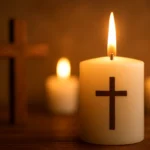
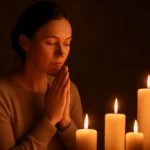
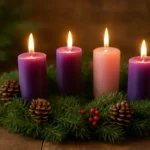
Across cultures and centuries, two motifs have proved remarkably enduring in the human imagination: the humble candle and the serene angel. Though they come from different domains—one grounded in the material world of wax, flame, and fragrance, the other steeped in spiritual symbolism and mythic imagery—they frequently appear together in art, literature, religious ritual, and everyday decor. The pairing offers a rich language of meaning: light in darkness, protection amid fear, memory anchored in flame, and a gentle invitation to pause, reflect, and welcome beauty into daily life. This article explores the symbolism of both candles and angels, their shared resonances, and a wide range of practical ideas for using these motifs in interior spaces, ceremonies, and DIY projects.
Historical Perspectives on Candles and Angels
Ancient roots of candlelight
The story of candles begins with light itself. Long before the modern light bulb, civilizations sought ways to extend daylight and illuminate sacred spaces. Beeswax and tallow candles emerged in antiquity, offering a steady glow that could be measured, carried, and shared. In ancient Egypt, Greece, and Rome, torches, rushlights, and early forms of candle-like devices provided both practical illumination and ritual significance. In many cultures, the flame was believed to carry a life-affirming energy; it could honor ancestors, sustain prayers, and mark transitions from day to night, from birth to death.
Over the centuries, candle-making evolved into a refined craft. The use of beeswax—valued for its clean burn and delicate scent—became a hallmark of ritual practice in temples and churches. By the medieval and early modern periods, tapers, votive candles, and pillar candles adorned altars, tables, and processional routes. Candles became woven into the fabric of daily life: dining by candlelight, prayers lit at dusk, a quiet moment before sleep. In many traditions, the color, size, and scent of a candle carried symbolic weight, signaling intent—purity, healing, remembrance, or protection.
Angelic imagery in art and religion
Angels occupy a parallel arc in the human imagination. The figure of a luminous being with wings appears in diverse religious and artistic traditions, often as a messenger, guide, or guardian. In Judeo-Christian contexts, archangels such as Michael and Gabriel have clearly defined roles, while guardian angels symbolize personal protection and intimate care. In other spiritual streams, angelic beings may appear as benevolent spirits, celestial counselors, or archetypal guides who point toward higher understanding. Across paintings, sculpture, illuminated manuscripts, and decorative arts, the image of an angel—often with a halo, delicate wings, and a serene smile—conveys a sense of mercy, order, and hope.
The combination of candles and angelic figures began to appear frequently in devotional spaces and domestic altar setups. Candles lit beside angel statues or prints could symbolize the presence of grace, the illumination of truth, or the protection of a loved one. The symbolism traveled beyond strictly religious spaces as well: poets, musicians, and designers alike found that the pairing evokes a timeless atmosphere in which light becomes a conduit for memory and meaning.
Symbolism of Candles
Candles carry a spectrum of meanings that adapt across contexts—from intimate rituals to festive celebrations. Understanding their symbolism helps decorators and celebrants choose styles, colors, and placements with intention.
The flame as life, time, and spirit
The flame of a candle is a threefold symbol: sustenance of life, a marker of time, and a sign of spiritual presence. As the flame burns, it consumes fuel and gradually diminishes—mirroring the human life cycle and the passage of moments in time. In memorial rituals, a lit candle can symbolize remembrance and the enduring nature of a loved one’s memory. In spiritual practice, the flame becomes a sign of inner light, guidance in darkness, and a bridge between the mundane and the sacred.
Wax, wick, and scent: material layers of meaning
The wax and the wick contribute to symbolism as well. Beeswax candles, with their natural, clean burn and subtle honeyed aroma, are often associated with purity and a priestly, ritual air. Salted or colored wax can convey different moods: white for purity and remembrance, gold or amber for abundance and warmth, red for love and vitality, blue for calm and healing, green for growth and renewal. The wick can symbolize focus and intention; trimming it to the right length is a careful act that mirrors the discipline of maintaining attention on a desired outcome.
Light and scent—together—shape ambience. A softly scented candle can evoke memory, comfort, or ritual cleanliness, while the glow itself creates a mood that is intimate and contemplative. In interior spaces, a candle’s glow can soften edges, highlight textures, and invite pause. In sacred or ceremonial contexts, fragrance can be used to signal a particular atmosphere: reverence, celebration, or purification.
Color-coding is a practical extension of symbolism in candles. While meanings can vary by tradition, several widely recognized associations persist:
White for purity, peace, and remembrance.
Gold or yellow for illumination, success, and joyous energy.
Red for passion, courage, and love.
Green for renewal, healing, and growth.
Blue for clarity, truth, and calm.
Purple for spirituality and transformation.
Black for strength, protection, or endings in some ceremonial contexts.
Forms and textures: how shape changes meaning
The shape of a candle influences how it is used and perceived. Taper candles—long, slender columns—often evoke formality and grace, making them ideal for dinner tables, altars, and processional spaces. Votive candles burn quickly but brightly, perfect for intimate corners and memorials where a single flame is meant to honor a person or intention. Pillar candles offer a sturdy presence and long burn time, suitable for centerpieces, mantels, and statement lighting. Tea lights provide a delicate, flickering glow ideal for clustered displays, small lanterns, or a subtle ambiance. Finally, lanterns or candle jars protect the flame from drafts while adding a decorative shell that enhances the mood through color, texture, and glow.
Symbolism of Angels
Angels symbolize guidance, protection, messengership, and mercy. Their meanings are multifaceted and vary by tradition and interpretation. In decorating and storytelling, angelic imagery can convey comfort, spiritual aspiration, and a sense of the sublime made tangible in home spaces.
Guardian angels and personal protection
The idea of a guardian angel is widespread across many cultures. A guardian figure is imagined as a benevolent presence that watches over a person, a family, or a home, offering a sense of safety and reassurance. In interior design, guardian-angel motifs—whether through sculptures, wall art, or figurines—function as a reminder of care and an invitation to create a protective, nurturing environment.
Messengers and divine communication
Angels are often portrayed as messengers who bridge the human and the divine. This role emphasizes clarity, insight, and forgiveness. Artwork or decorative pieces that depict an angel with a raised hand, open wings, or a calm gaze can evoke the feeling of receiving guidance or insight in times of decision or transition.
Wings, light, and the halo motif
The iconic features—wings, a halo, and a gentle countenance—convey transcendence and spiritual protection. In design terms, angelic imagery can introduce a sense of airiness, uplift, and moral clarity to a space. A carved angel with softly outstretched wings might be placed near a reading chair or a meditation corner to symbolize calm and aspirational virtue.
Angels can also symbolize memory and mourning. In this context, an angel statue or icon on a mantel or in a garden can offer a comforting presence, a reminder that love persists beyond absence. The warmth of candlelight paired with angel imagery can deepen that sense of solace, turning a room into a sanctuary during difficult times.
Where Candles and Angels Meet: Symbolic Overlaps
The intersection of candles and angelic imagery is a potent design and symbolic language. When a candle’s soft glow illuminates a statue or print of an angel, the combination suggests several meaningful ideas:
Guidance in darkness: where a flame reveals a path or a verse, and an angel figure offers reassurance that help is near.
Protection and purification: light as a protective barrier against fear, with the angel as an emblem of mercy and safeguard.
Memory and reverence: a lit memory work, where candlelight honors a person or moment, paired with a compassionate angelic presence.
Hope and renewal: a hopeful glow accompanied by imagery of guardianship and renewal.
In practical terms, the pairing can guide how you arrange your decor. For example, a cluster of pillar candles around an angel statue on a mantel can create a focal point that feels both ceremonial and intimate. A row of tapers in a candelabrum flanking a framed angel motif on a console table can add elegance and balance to a living room. In more casual spaces, small angel figurines set near tea lights on a coffee table can evoke a sense of warmth and kindness without feeling heavy or solemn.
Decor Ideas: Using Candle and Angel Motifs in Interiors
Whether you are styling for everyday life, a seasonal event, or a ceremonial occasion, candles and angels offer a versatile toolkit. The following ideas blend symbolism with aesthetics, aiming for spaces that feel intentional, comforting, and aesthetically pleasing.
Tabletop ideas
Centerpiece clusters: a combination of tall tapered candles with an angel figurine at the center, surrounded by smaller tea lights in frosted holders to create a layered glow.
Runner displays: place a magnetic or decorative angel bust at one end of a table runner, with a series of pillar candles or votive candles at intervals along the runner to guide the eye toward the centerpiece.
Candle and icon pairing: pair a single, oversized pillar candle with a framed angel print or icon on the same surface to anchor the room’s theme.
Mantel and shelf styling
Symmetric elegance: mirror-like symmetry with two tall taper candles on candelabras flanking an angel statue—an arrangement that feels timeless and balanced.
Curated vignette: combine an oval framed angel portrait with a trio of varying-height candles in glass cylinders to add depth and interest.
Soft drama: use amber glass votives around a pale angel figurine to create a warm, cocoon-like glow in the evening.
Calm corners: a low, dense arrangement of blue- or lavender-scented candles near a delicate angel lamp or sculpture fosters a sense of serenity for nighttime routines.
Above-bed focal: a wall-mounted angel plaque or art piece paired with a small cluster of tealights on a shelf to create a restful, contemplative mood.
Entryways and living spaces
Welcoming glow: on an entry console, combine a pair of tapers in iron or brass holders with a standing angel figurine to greet guests with warmth.
Contemporary take: choose a modern, abstract angel sculpture and combine it with soy wax candles in matte black or white containers for a minimal, chic look.
Seasonal and ceremonial contexts
Christmas magic: use white and gold candles with a serene angel tree topper or a delicate angel ornament on the mantle—a classic combination that heightens the festive glow.
All Souls’ and remembrance: a quiet arrangement of votive candles around a compassionate guardian angel statue communicates memory, solace, and continuity.
Weddings: soft pink or ivory taper candles with a romantic angel motif can set a gentle, aspirational tone for the ceremony or reception.
DIY Projects and Craft Ideas
If you enjoy hands-on creativity, there are numerous ways to integrate candles and angel imagery into personalized decor projects. Below are several approachable ideas that blend craft with meaning.
Make a guardian candle holder
Materials: a small glass hurricane, beeswax or soy candle, a resin or wood angel figurine, waterproof adhesive, decorative accents (ribbons, dried flowers, shells).
Place the angel figurine inside or just behind the hurricane, depending on size. If the figure is hollow, you can glue it to a spacer so it appears to “watch over” the flame.
Secure the candle at the base or within the container, ensuring the flame will be fully visible through the glass without risk of tipping.
decorate the outside with a ribbon or dried botanicals that echo the space’s color palette. The result is a personal guardian candle holder that feels both decorative and meaningful.
Wax-seal votive jars with angel motifs
Transform plain glass votives by applying decorative wax seals featuring angel wings or halos. You can use simple rubber stamps or stencil designs to emboss the wax or create a layer of colored wax on the outside.
Hand-painted angel candle sleeves
Buy clear, cylindrical candle sleeves or jar candles, and paint or decoupage a gentle angel motif on the exterior. Seal with a clear matte finish to preserve the look. This DIY project lets you tailor color, scale, and mood to suit a room.
Customized altar-style arrangements
For a personal shrine or meditation corner, assemble a small altar with a soft white or gold-toned palette. Use a central pillowed angel statue, surrounded by a ring of votive candles in glass jars. Add a meaningful quote card or a tiny natural element (stone, shell, feather) to deepen the sense of place.
Safety and Ethical Considerations
Candles bring warmth and atmosphere, but they also require respect for safety. Practical considerations help you enjoy the beauty of flame while protecting people and property.
Never leave candles unattended. Even a small flame can be dangerous if left burning while you sleep or leave the house.
Place away from flammable materials. Keep candles at a safe distance from curtains, paper, textiles, and foliage, and avoid placing near overhanging shelves or electronics that might overheat.
Stabilize containers. Use sturdy holders or guards to prevent candles from tipping. For pillar candles, place on heat-resistant surfaces.
Trim wicks regularly. A trimmed wick (about 1/4 inch) reduces smoking, soot, and flame height, allowing a cleaner burn and longer life for the candle.
Ventilation matters. In well-ventilated spaces, candles burn more evenly and reduce the buildup of soot.
Allergies and scents. Be mindful of fragrance sensitivities. If needed, choose unscented or lightly scented options, or use candles with pure essential oils rather than synthetic notes.
Ethical sourcing. Consider beeswax or soy-based candles from responsible producers. Support local artisans who use sustainable practices and fair labor standards.
Seasonal and Ceremonial Contexts
Candles and angels take on special resonance in specific times of the year and within particular rites. Here are some contexts where the combination is especially meaningful.
Christmas and Epiphany: white, gold, and ivory candles endow spaces with a sacred glow, while angel figures evoke the heavenly message that accompanies the season.
Funerary and memorial occasions: candlelight vigils paired with compassionate angel imagery create a gentle atmosphere for remembrance, while offering a sense of eternal connection.
Weddings and vow renewals: soft candlelight and ethereal angel motifs can communicate themes of blessing, grace, and protection for the new union.
Private rituals and contemplative practice: candles illuminate quiet corners where an angel figure reminds us to seek wisdom, comfort, and mercy.
Maintenance and Care for Angel-Inspired Candle Decor
Like any decorative system that revolves around flame and sculpture, angel-inspired candle setups require routine care to maintain beauty and safety.
Cleaning wax drips: use warm, soapy water or a gentle hair dryer on a low setting to soften wax drips, then wipe with a soft cloth. Avoid harsh solvents that could damage finishes.
Refreshing arrangements: rotate candles and angel pieces so that a space remains visually balanced and the glow remains even across the display.
Protective treatments: if you have wood or metal angel sculptures near candles, consider a protective finish or space them at a safe distance to prevent heat exposure.
Seasonal rotation: change the arrangement by season—replace heavy fabrics with lighter textures, adjust candle colors, and refresh the angel’s pose or accessory to reflect the time of year.
Variations in Style: Adapting the Candle-and-Angel Theme to Different Interiors
The beauty of candles and angels as design motifs lies in their adaptability. Whether your space is traditional, contemporary, bohemian, or minimalist, you can tune the level of formality, color temperature, and material language to fit your taste.
Traditional and classic spaces
In traditional interiors, choose cream, ivory, gold, and bronze palettes. Use taper candles in ornate metal holders, an angel statue with a timeless silhouette, and a heavy, carved wood table or mantel. The overall effect is one of dignified warmth, reminiscent of old-world chapels and drawing rooms.
Modern and minimalist settings
For contemporary environments, simplify the color story and emphasize the form. White or matte black candle containers, clean lines, and a single, elegant angel figurine can create a striking focal point without clutter. A few well-chosen objects—an ascendant line of tapers in a sleek metal stand—offer a sense of quiet drama with restrained color.
Bohemian and eclectic spaces
Embrace texture, color, and personal mementos. Combine colorful votives, lanterns of varied shapes, and a mix of angel-themed art with travel-inspired objects. The mood is carefree and layered, inviting guests to linger while exploring the collection of small, meaningful pieces.
Rustic and cottage-inspired rooms
In cozy, rustic spaces, opt for warm, natural textures: beeswax candles with a soft honey scent, wooden angel figurines, linen textiles, and chalky neutrals. A cluster of dramer glass jars with flickering lights can feel intimate and welcoming, echoing the simplicity of rural altars and family gatherings.
Thematic Considerations: Respect, Sensibility, and Storytelling
When incorporating candles and angels into decor or rituals, consider the story you want to tell. The imagery can be a doorway to reflection, a way to acknowledge loss, or a method to invite grace and protection into a space. The best arrangements are those that feel authentic to you and those who share your home.
Intentional storytelling: pair a candle with a small angel figurine that has personal meaning—perhaps a symbolic gift from a friend or a keepsake from a meaningful time in your life.
Layered symbolism: combine multiple elements—color, scent, and tactile textures—to convey a nuanced narrative, such as healing, gratitude, or farewell.
Accessibility considerations: ensure that displays are safe and accessible to everyone in the household, including children and pets. Place fragile angel pieces away from the edge, and use candle holders with protective lids or glass enclosures when possible.
Educational Notes: Teaching Symbolism through Candles and Angels
For educators, designers, and students of culture, the candle-and-angel motif provides an approachable platform to explore symbolism, religious art, and cultural memory.
Cross-cultural comparisons: examine how different traditions portray angels, guardians, and celestial beings, and compare them to how various cultures integrate candles into rituals and daily life.
Art history connections: track how candle imagery appears in illuminated manuscripts, frescoes, and modern installations, and how angels function within those works as communicators of meaning.
Design literacy: analyze how light, shadow, color, and form shape mood—how a single flame can alter the perception of a space with the aid of angelic accents.
In homes where candles are used regularly, simple routines keep the atmosphere safe and inviting. A few practical tips help maintain the beauty of your candle-angel displays.
Regular rotation: rotate displays seasonally to prevent stagnation and keep the space feeling fresh.
Cleaning ritual: periodically dust angel statues and candle holders; wipe down glass surfaces to maximize the glow you perceive when candles are lit.
Storage: when not in use, store candles in a cool, dry place and keep angel figurines in protective boxes to avoid chips or cracks.
Energy-conscious choices: consider rechargeable battery LED candles for areas where real flame may pose risk, or use them in conjunction with real flames in supervised spaces to balance ambiance and safety.
Concluding Reflections: Light, Guardians, and Everyday Beauty
The pairing of candlelight and angelic imagery offers more than decorative appeal. It is a language for expressing care, hope, and reverence in a practical, tangible way. A candle burns—quietly, steadily—while an angel invites a sense of protection and grace. Together, they encourage a slower pace, a moment of pause, and a space where the ordinary becomes infused with meaning. Whether you are staging a formal ceremony, designing a peaceful corner for reading and reflection, or crafting a handmade gift that holds personal significance, candles and angels can help you tell a story that is intimate, humane, and enduring.
If you approach this motif with intention—considering color, form, scent, and placement—you can craft environments that feel both contemporary and timeless. The symbolism of light guiding a traveler in the night, of a guardian presence watching over a home, and of memory kept alive by a dancing flame, remains a universal language. Let your spaces reflect that language: warm, welcoming, and quietly aspirational, where candle and angel—two humble but powerful symbols—continue to illuminate daily life.