Psalm 23 Roman Catholic Version: Catholic Bible Text and Prayer
Psalm 23 Roman Catholic Version: Catholic Bible Text and Prayer
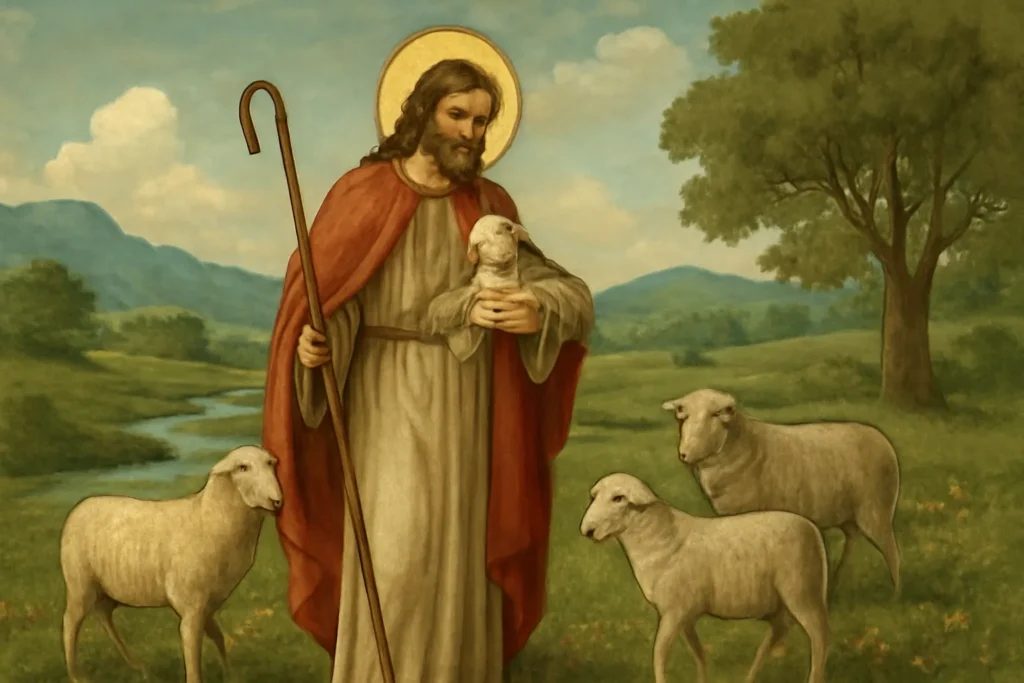
Psalm 23 has long held a central place in Catholic spirituality as a compact, intimate expression of trust in God’s care. In liturgy, prayer, and personal devotion, Catholics have drawn sustenance from this short psalm, a timeless meditation on guidance, safety, and divine presence. The familiar imagery of a shepherd who tends his flock, of green pastures and still waters, of a path made safe by God’s guidance, and of the consolation found in God’s protection—these motifs recur across centuries of Catholic preaching, catechesis, and prayer life. In this article we explore the Roman Catholic version of Psalm 23, focusing on the text as it has been treasured in translations used by the Catholic Church, and we consider how Catholics encounter and pray with the psalm in a modern setting. We will look at the traditional English rendering from the Douay-Rheims Catholic Bible, discuss variations in contemporary Catholic translations, and offer ways to meditate on and pray with this profound psalm.
Within Catholic tradition, Psalm 23 is valued for its concise confession of trust in God as a shepherd who cares for every need of the soul. The imagery of green pastures and still waters speaks to rest and nourishment, while the valley of the shadow of death underscores courage and confidence when facing danger, because the shepherd’s presence dispels fear. The verse about anointing with oil and the overflowing cup becomes a symbol of blessing and abundance poured out by God. And the final pledge—“I will dwell in the house of the Lord forever”—expresses the Catholic hope of eternal fellowship with God.
A distinctive feature of Catholic reception of Psalm 23 is the way the psalm is taught as a model for life of virtue and reliance on grace. It is read in the Mass on various occasions and is prayed in the Liturgy of the Hours. For Catholics, the psalm is not only a statement of doctrine but also a form of dialogue with God: a shepherd speaking to his flock, and the flock answering with trust and gratitude. The rhythm of the psalm invites readers to a contemplative pace—to linger with each line, to notice the mercy that follows and the shelter found under God’s wings.
Full text from the Douay-Rheims Catholic Bible
Below is the traditional English rendering from the classic Catholic Bible, the Douay-Rheims. This version has shaped Catholic devotion for generations and remains a touchstone for understanding the psalm in a Catholic context. The lines are presented verse by verse to reflect the natural cadence of the psalm as it has been sung and prayed in churches, homes, and monasteries.
The Lordis my shepherd; I shall not want.
He maketh me to lie down in green pastures: he leadeth me beside the still waters.
He restoreth my soul: he leadeth me in the paths of righteousness for his name's sake.
Yea, though I walk through the valley of the shadow of death, I will fear no evil: for thou art with me; thy rod and thy staff they comfort me.
Thou preparest a table before me in the sight of mine enemies: thou anointest my head with oil; my cup runneth over.
Surely goodness and mercy shall follow me all the days of my life: and I will dwell in the house of the Lord forever.
Variations and modern readings in Catholic worship
The Douay-Rheims version preserves the older English diction and the characteristic Catholic cadence. Its phrasing emphasizes the intimacy of God’s care and the fidelity of the shepherd’s guidance. In a Catholic reading, “The Lord is my shepherd” becomes a personal confession of dependence on divine guidance. The bolded phrases in the text highlight the core images that resonate most deeply in Catholic devotion: green pastures, still waters, paths of righteousness, valley of the shadow of death, rod and staff, table, oil, cup, goodness and mercy, and the house of the Lord forever.
NABRE: a contemporary Catholic translation
The New American Bible, Revised Edition (NABRE) is widely used in Catholic liturgy in the United States and elsewhere. While the full text is copyrighted, Catholic readers frequently encounter an updated wording that preserves the spirit of the psalm while reflecting modern English usage. To illustrate how a Catholic translator can shape meaning without altering the core confession, consider a paraphrase of the key verses in a NABRE-inspired style:
Verse 1: The Lord protects and guides me as a shepherd, so I lack nothing essential.
Verse 2 (paraphrase): In lush, green meadows he gives me rest; by peaceful waters he leads me to refresh my mind and body.
Verse 3 (paraphrase): He renews my soul and guides me along right paths for the sake of his holiness.
Verse 4 (paraphrase): Even when I walk through danger and darkness, I fear no harm, because you are with me; your presence is my comfort.
Verse 5 (paraphrase): You set a gracious banquet for me in the sight of my foes; you anoint my head with oil; my cup overflows with abundance.
Verse 6 (paraphrase): Your goodness and mercy follow me all my days, and I shall live forever in the house of the Lord.
The NABRE paraphrase above is offered to illuminate how a modern Catholic translation might render the same faithful message without changing doctrine. The emphasis remains on covenant fidelity, divine guidance, and the promise of eternal life with God.
The Catholic tradition also anchors Psalm 23 in the Latin Vulgate, the historical Latin text of Scripture translated by St. Jerome. The Latin lines begin with a robust assertion of God’s care and continue through vivid imagery of abundance and protection. While most readers encounter this psalm in vernacular translations for personal devotion, the Latin text is still consulted in academic and liturgical contexts. A few core phrases in Latin keep alive the church’s memory of its early translations: Dominus pascit me (the Lord shepherds me), nihil mihi deerit (I shall not want), ereum (nourishment in green pastures), anima mea (my soul), rectis semitis (paths of righteousness), adhuc in tabernaculo Domini (to dwell in the house of the Lord). For those who study Scripture in its older linguistic form, the Latin text remains a touchstone for interpretation and prayer.
Liturgical use and personal prayer
Psalm 23 is used in Catholic liturgy in a variety of ways. It appears in funeral rites, where its words offer comfort in the face of loss and trust in God’s perpetual care. It is also part of the Liturgy of the Hours (the Divine Office), especially in the Vespers and Night Prayer, where the psalm can be recited as a daily reminder that God’s guidance and mercy accompany us through the night. In the Mass, psalms function as musical and reflective interludes that prepare worshippers for the reading of the Gospel and the celebration of the Eucharist; Psalm 23’s gentle confidence helps frame prayers for mercy, healing, and perseverance.
In personal prayer, Catholics may use Psalm 23 as a daily meditation. Its rhythm makes it well-suited for quiet moments of examen and contemplation. Some faithful recite the psalm in its entirety as a prayer of trust before the Blessed Sacrament, at the end of the day, or while seeking consolation during difficult times. The language of shepherd, table, oil, and cup can be taken as symbolic acts of God’s care that ministers to body and soul alike.
A Catholic prayer inspired by Psalm 23
The following prayer draws on the imagery of Psalm 23 in a Catholic spirit of petition, gratitude, and trust. It can be used as a personal prayer or shared in small faith groups as a reflection rooted in the psalm’s themes.
O Lord, my shepherd and guardian, you lead me with patient grace into green pastures where my heart can rest. When I feel weary, you restore my soul, and you refresh my spirit with your living water. Help me to follow the paths of righteousness for your Name's sake, that I may walk in virtue and truth. Even when I walk through the valley of fear or endure the shadow of sorrow, do not let me fear. For your rod and staff are of comfort to me; you are with me at every step. You spread a table before me, even in the presence of adversity; you anoint my head with oil and fill my cup with grace until it overflows. May your goodness and mercy accompany me each day, and may I always dwell in your house, now and forever. Amen.
Read slowly: Read the six verses once and then again, pausing at each major image: green pastures, still waters, valley, table, oil, cup.
Visualize: Close your eyes and imagine the shepherd leading you, the green meadow, the quiet stream, the table set before you, and the oil on your head. Allow the images to become living in your heart.
Personalize: Replace implicit pronouns with your own name in your mind: “The Lord is my shepherd; I shall not want.”
Pray with gratitude: Thank God for his protection, provision, and mercy, and ask for faith to follow him through life’s various landscapes.
Offer intercessions: Extend the psalm’s mercy to others—calling to mind family, friends, and those in need of comfort.
Musical and artistic expressions inspired by Psalm 23
Across the centuries, congregations have turned Psalm 23 into song, chant, and visual art. The imagery of the shepherd and the banquet table has inspired classical motets, hymns, and modern worship songs alike. In Catholic circles, artists have depicted the shepherd’s care as a symbol of Christ’s pastoral tenderness, while poets have used the valley of the shadow of death as a metaphor for testing times in life. Visual artists may present the green pastures and still waters as a serene landscape, offering a contemplative scene that invites viewers to pause and entrust themselves to God. This cross-pollination of liturgy, music, and art helps the psalm remain alive in Catholic culture.
Glossary of key terms and images
Below are some terms and images from Psalm 23 that frequently appear in Catholic meditations. Understanding them can deepen prayer and reflection:
Shepherd: God’s care, guidance, and protection as a pastor tends his flock.
Green pastures: A place of nourishment, rest, and refreshment for the soul.
Still waters: Peaceful, God-given rest that restores inner life.
Paths of righteousness: The right ways of living according to God’s will.
Valley of the shadow of death: Times of danger or suffering in life, approached with steadfast faith.
Rod and staff: Tools of guidance and protection used by a shepherd; a symbol of God’s governance and assurance.
Table before me: A generous provision, a banquet of blessing in the face of enemies or danger.
Oil: Anointing, blessing, and sacred consecration; hospitality and healing symbolic actions.
Cup overflow: Abundant grace and blessing poured out by the Lord.
Goodness and mercy: The steadfast love and kindness God showers on the faithful.
House of the Lord: A place of intimate relationship with God, now and for all eternity.
Whether you approach Psalm 23 through the lens of the Douay-Rheims text, a modern Catholic Bible translation, or a personal paraphrase, the core invitation remains the same: to trust in God’s shepherding care, to rest in divine provision, and to walk the paths God provides with confidence born of faith.





Leave a Reply