Psalm 10 Commentary: Verse-by-Verse Insights and Interpretation
The tenth psalm sits within the collection as a piercing cry from a voice that pleads for justice in the face of deep injustice. It is a lament that wrestles with the unsettling reality of the wicked prospering while the vulnerable suffer, and with the troubling sense that God feels distant in times of trouble. This article offers a verse-by-verse exploration designed to illuminate the language, themes, and theological tensions embedded in Psalm 10, along with variations in interpretation across traditions and eras. Emphasis is placed on practical meaning for readers today, as well as how the psalm functions in worship, prayer, and moral reflection.
Before we dive into the verse-by-verse notes, a few guiding observations help frame the discussion. Divine hiddenness and oppression of the marginalized are central motifs. The psalm names the arrogance of the powerful, describes how their actions work through speech and schemes, and then pivots to a petition for God to arise and judge. Throughout, we encounter a tension between human despair and the conviction that God remains attentive to the cries of the afflicted. The following sections treat each verse with attention to literary form, historical context, and interpretive breadth—from traditional readings to contemporary reflections on justice and faith.
Literary and Historical Context
Psalm 10 is often categorized among the imprecatory-tinged laments that articulate distress over social injustice while pressing God for action. Its opening cry—“Why standest thou afar off, O LORD? why hidest thou thyself in times of trouble?”—frames a concern that recurs in later biblical laments: the feeling that evil triumphs in the here-and-now and that divine absence is a possibility believers must navigate. The psalm braids two voices: the voice of the afflicted praying for deliverance and the voice of the psalmist who, in faith, addresses God directly about the wicked whose schemes threaten the vulnerable. This blending of lament and plea invites readers to wrestle with how faith speaks and acts when justice seems delayed.
Interpretive options abound. In classic Jewish and Christian lectionaries, the psalm is read as a call for God to appear in history, to “arise” against oppression, and to reassert rightful order. In the Jewish tradition, attention is sometimes given to the social ethics embedded in the text—the call to defend the poor, the stranger, and the innocent. In Christian readings, the psalm is opened toward the themes of divine justice and the ultimate sovereignty of God even when human injustice appears to win the day. Modern readers may emphasize the moral psychology of arrogance, the social dimensions of oppression, and the need for sanctified courage when the powerful intimidate the weak. Across these readings, the text remains a potent reminder that faith often travels a road that traverses distress, call, and hopeful trust in God’s eventual ransoming of the vulnerable.
Verse-by-Verse Breakdown
Verse 1
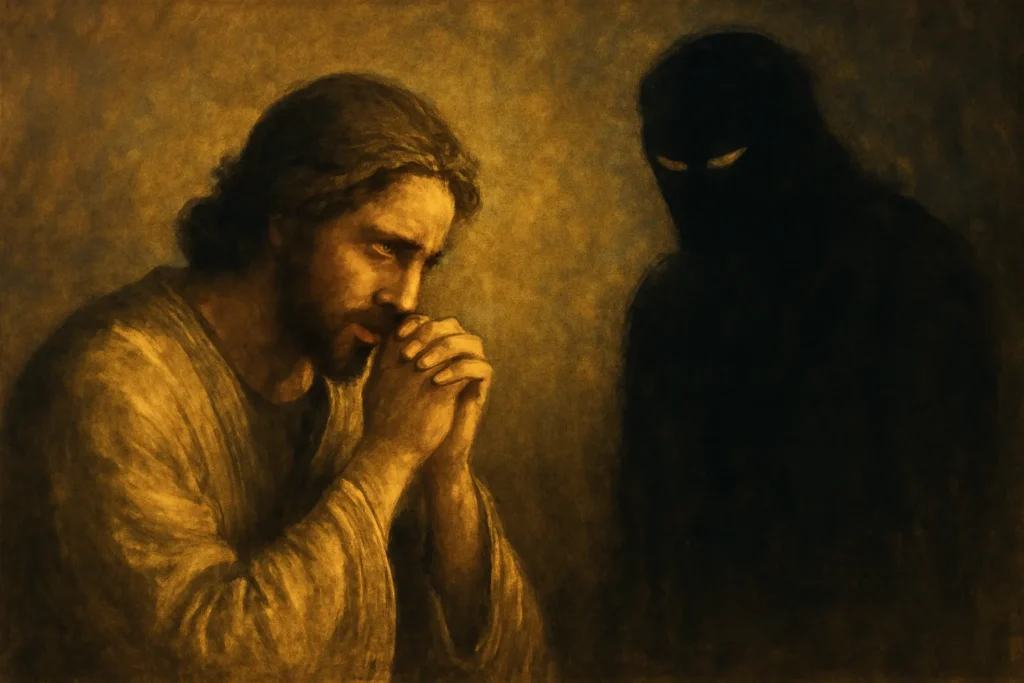
Opening lament: The psalmist questions the perceived distance of God in times of trouble. The cry captures a moment when faith feels suspended between distress and hope. In practical terms, this verse models a posture of raw honesty to God, rather than a pious cant. Some readers hear in this verse a plea for presence—for God to bridge the gap between divine transcendence and human vulnerability. Theologically, it raises the question of how a community can live faithfully when God seems distant, and it invites trust that God does hear even when the hearing is not immediately evident.
Key motif: divine distance and human ache.
Cross-tradition note: In communal worship, this cry can function as a genuine expression of lament before God, enabling believers to bring their pain into dialogue with divine presence.
Verse 2
The wicked are described as arrogant persecutors of the poor, acting under pride and self-justifying schemes. This verse foregrounds the social ethics of the psalm: economic and social injustice as a core target of oppression. Commentary across traditions often highlight that the psalmist does not shy away from naming the vulnerable as the object of attack. The language also implies that the persecutors devise traps and devices, suggesting complicated and intentional wrongdoing rather than mere accident.
Theme: persecution of the vulnerable and the perils of scheming violence.
Interpretive angle: Some see this as a critique of systems—economic, political, or social—that enable the poor to be preyed upon. Others hear personal betrayal, as the wicked seek to use cunning against the defenseless.
Verse 3
This verse expands the portrait: the wicked boast of desires and bless those who are covetous, whom the LORD abhors. Here, the psalmist links speech, wealth, and moral inversion. The boastful mouth and the blessing of covetousness reveal a culture where greed and self-exaltation are normalized and celebrated. The tension is sharpened by the claim of divine repudiation: the LORD abhors such values, offering a moral counterpoint to the wicked’s self-justification.
Key idea: boasting and covetousness as moral antitheses to divine holiness.
Liturgical note: Christian and Jewish readers may translate this as a warning against greed’s spiritual cost and social damage.
Verse 4
The wicked, propelled by the pride of countenance, will not seek after God; God is not in all his thoughts. This line foregrounds a vice-centered psychology: self-sufficiency and spiritual blindness that accompanies pride. The verse suggests that when a person’s mind is oriented away from God, moral judgments and genuine justice become clouded. From a pastoral angle, this verse is often read as a diagnostic: when a society or individual places security in pride rather than in God, the moral horizon narrows.
Theme: pride, self-reliance, spiritual blindness.
Interpretive note: Some readers see a foil to the humble who seek God, highlighting the contrast between two life-systems: theist dependence versus autonomous autonomy.
Here the psalmist details the consequences of such wickedness: the wicked’s ways are grievous, and God’s judgments are far above his sight. This is a statement about moral blindness and a sense that the divine order and moral clarity are obscured to those who ignore God. Yet the verse also acknowledges that judgment remains real, even if it is not immediately visible. The psalm invites trust that God’s standard of justice does not depend on human perception or timing.
Key idea: distance from divine judgment does not erase it.
Verse 6
The wicked declare, I shall not be moved, asserting invulnerability to adversity. This is a declaration of false security rooted in arrogance. The psalmist foregrounds the danger of presuming unassailable stability when justice remains unsettled. This verse has resonances with prophetic and Wisdom traditions that warn against the illusion of lasting power achieved through self-assertion rather than righteous governance.
Theme: arrogant self-assurance and its instability under divine scrutiny.
Verse 7
The mouth of the wicked is described as full of cursing, deceit, and oppression, with mischief and vanity lurking under the tongue. Speech is central here: words become instruments of harm. Theologically, this aligns with the biblical emphasis on speech as ethical action—what one says shapes communities, reputations, and moral climates. The verse calls attention to the power of language to oppress or uplift, to destroy or to heal.
Important note: speech acts as moral force.
Verses 8–9
The wicked sit in hiding places and lurk in the villages, even murdering the innocent or preying on the poor. The imagery evokes predators watching for vulnerable prey, and the repeated emphasis on secrecy heightens the moral horror of such predation. These verses reveal a constructed geography of evil—an interior plan that seeks to exploit the innocent from hidden corners of society. The psalmist’s imagery invites readers to condemn not just overt violence but also the covert structures that permit exploitation to flourish.
Theme: hidden predation and the menace of structural injustice.
Verse 10
Here the psalmist notes that the wicked crouch and humble themselves so that the poor may fall by their strong ones. This line depicts a deliberate strategy: to manipulate power dynamics so that the vulnerable are crushed through intimidation or coercive force. The verse resonates with social-justice readings that emphasize the need to resist oppressive power structures and to safeguard the dignity of the marginalized. It also frames suffering as something that can be engineered by those who hold authority.
Key takeaway: calculated vulnerability as a tool of oppression.
Verse 11
The wicked say in their heart that God will not require it. This interior speech mirrors the earlier theme of divine distance but foregrounds a dangerous inner posture: hypocrisy about accountability and the illusion that wrongdoing can escape reckoning. The verse signals that the denial of divine oversight is not merely a personal belief but a dangerous attitude that can erode moral responsibility.
Idea to hold: denial of accountability as a rationalization for injustice.
Verse 12
Arise, Lord, lift up thy hand, forget not the humble. This is one of the clearest calls for divine intervention in the psalm. The petition asserts that God has not forgotten the plight of the afflicted even when it seems so. The image of God “lifting up the hand” is a symbol of power and justice being mobilized on behalf of the vulnerable. Variants of interpretation highlight that this is both a plea for immediate relief and a trust in divine justice that will ultimately prevail.
Core petition: divine intervention for the humble.
Verse 13
Why doth the wicked contemn God? The question marks the moral psychology behind oppression: the wicked reckon that God will not require anything of them. The verse challenges this posture by naming the audacious assumption about God’s indifference. In Christian and Jewish readings, it becomes a challenge to maintain faith in God’s justice even when men and systems act as if God’s governance is irrelevant.
Theme: contempt for divine oversight as a driving force behind oppression.
Verse 14
The psalmist shifts to a compressed meditation on God’s attentiveness: God sees, God notices, and the humble are not forgotten. The language emphasizes that God’s witness is complete, even if human witnesses have failed. This verse helps to anchor the psalm’s petition in the conviction that injustice does not escape divine perception, and that mercy and judgment are not arbitrary but grounded in divine knowledge.
This verse articulates a bold expectation: may justice roll down upon the wicked as they have caused trouble for the vulnerable. The language of judgment here is not only punitive but also restorative—addressing harm by reintegrating social order and reflecting the moral aims of the divine reign. Read in liturgical contexts, this verse invites believers to embody a longing for justice that aligns with God’s own character.
Theme: judgment and restoration as intertwined ends.
The Lord is King forever and ever, and the nations perish from his land. This line turns the focus from the individual acts of oppression to the cosmic sovereignty of God. The psalmist moves from lament to confession of God’s enduring rule and ultimate triumph over chaos and malevolence. For readers, this verse anchors faith in the enduring sovereignty of God even amid persistent injustice.
Central image: God’s perpetual kingship.
Verse 17
Thou hast heard the desires of the humble; thou wilt prepare their heart, thou wilt cause thy ear to hear. This verse returns to a petitioning cadence: God not only sees but also responds to the prayerful cry of the modest and afflicted. The Hebrew nuance often centers on God’s responsiveness to sincere humility and to the interior longings of the heart. Readers encounter a comforting promise: God is not a distant judge but a listening, relational God who aligns with human vulnerability.
Idea: God’s responsiveness to humility and the longing of the heart.
Verse 18
To judge the fatherless and the oppressed, that the man of the earth may no more oppress. The closing note broadens the scope to a universal social aim: the protection of the vulnerable so that oppression does not persist. The verse frames justice as a guard against exploitation in the broader human community. In liturgical and devotional uses, this end-of-poem line reinforces the commitment to defend the vulnerable and to work toward a social order aligned with divine justice.
Interpretive Variants and Theological Perspectives
Across traditions, readers bring different lenses to Psalm 10. Here are several well-attested takes that illuminate the text from distinctive angles, each sustaining the core sense of lament, petition, and hope in divine justice:
Jewish Reading: Emphasizes social responsibility and prophetic critique of injustice. The psalm is read as a cry for solidarity with the poor, a call for ethical leadership, and a reminder that God’s justice upholds the vulnerable in communal life.
Christian Patristic and Reformation-era Readings: Interpreted as a proclamation of God’s sovereignty over history and a reminder that even when the wicked prosper, God’s justice will prevail. Some traditions connect this to Jesus’ teaching about spiritual riches and the reversal of fortunes in the kingdom of God.
Catholic and Orthodox Liturgical Insights: The psalm can function within a broader rhythm of lament, intercession, and trust, integrating it into prayers for justice, mercy, and the protection of the weak in social life and international affairs.
Modern Social-Justice Readings: Emphasize not only divine courtroom language but also human responsibility to advocate for the oppressed, to resist systems of exploitation, and to pursue tangible acts of justice in communities, workplaces, and governments.
Wisdom and Theological Reflection: Engage the tension between divine hiddenness and divine justice, suggesting that trust in God’s timing is a spiritual discipline that sustains hope without denying pain.
Practical Reflections: How Psalm 10 Speaks to Today’s Readers
Beyond its ancient setting, Psalm 10 offers a framework for contemporary spiritual practice and social awareness. Consider these practical applications and reflections:
Lament as a legitimate spiritual posture: The psalm models honest prayer about suffering, injustice, and divine perceived silence—an invitation to bring one’s pain into dialogue with God rather than suppressing it.
Defense of the vulnerable as a core spiritual duty: The text’s repeated focus on the poor and the innocent invites communities to act with mercy, protect the vulnerable, and actively resist oppressive structures.
Wisdom in recognizing divine sovereignty: While the faithful may not always see immediate justice, the psalm reminds readers that God remains sovereign, even when human sight is confined to short-term outcomes.
Ethics of speech: The emphasis on the wicked’s speech serves as a reminder to cultivate speech that builds life, guards truth, and confronts deceit and oppression with courage and integrity.
Prayerful courage in the face of fear: Arising God—“Arise, O LORD”—embodies a bold petition that God’s justice will confront wrongdoing while sustaining the faithful through fear and sorrow.
Liturgical and Devotional Considerations
In worship settings, Psalm 10 can function in various roles: a lamenting cry in times of social strife, a petition for divine intervention during crises, or a call to ethical action in light of divine justice. Some communities recite or sing verses in response to social injustice, while others incorporate the psalm in prayers for equity, asylum, or relief for the persecuted. Across readings, the text remains a powerful reminder that faith invites not only private consolation but public fidelity—a longing for justice that seeks the wellbeing of the entire community.
Note on Language and Translation
Translations of Psalm 10 vary in subtle but meaningful ways. Some render phrases to emphasize divine distance, others foreground human arrogance or the social dimension of oppression. The core ideas—divine sovereignty, the plight of the poor, the danger of pride, and the call for God to intervene—remain stable across translations, but readers should be aware of nuances in word choice and rhythm. If you are studying this psalm in a classroom or group setting, consulting multiple translations (for example, King James Version, New International Version, English Standard Version, and a Jewish Publication Society translation) can illuminate the spectrum of interpretive possibilities and enrich understanding of the text’s texture.
Conclusion Without the Heading
Although Psalm 10 begins in lament and confronts a troubling reality—the apparent prosperity of the wicked and the silence of God in the face of suffering—it ends with confidence in God’s rightful rule and a plea for justice for the vulnerable. The psalm invites readers to endure a period of distress without despair, to name the injustices confronted, to plead for divine intervention, and to trust that God’s purposes of justice and mercy will prevail. In today’s world, that message remains deeply relevant: it calls communities to be vigilant for injustice, to advocate for the marginalized, and to turn to God in prayer and action with a posture of hopeful fidelity.
For those who wish to continue exploring Psalm 10, consider these reflective prompts: How does the sense of divine distance shape your own prayer life when you face hardship? In what ways can you embody the psalm’s call to defend the vulnerable in your local context? How might the tension between despair and trust inform your understanding of God’s timing and justice?
Key themes to carry forward: divine sovereignty, divine justice, oppression of the poor, the power of speech, the danger of arrogance, and the faithful petition for God to arise and act on behalf of the humble.








Leave a Reply