Jesus continued: “There was a man who had two sons. The younger one said to his father, ‘Father, give me my share of the estate.’ So he divided his property between them... [full text continues in NIV or ESV]— Luke 15:11-32
🎯 The Occasion
Audience: Jesus was speaking primarily to Jewish audiences familiar with familial and legal customs, including tax collectors, sinners, and Pharisees, illustrating God's readiness to forgive sinners and welcome them back into community—a radical message in a culture emphasizing honor, shame, and strict adherence to the law.
Jesus told this parable in response to the criticism from Pharisees and scribes who accused Him of welcoming and eating with sinners. The context involves Jesus addressing issues of repentance, grace, and divine mercy to challenge prevailing notions of legal righteousness and social exclusion.
🏺 Cultural Context: What You Need to Know
🏺 Patriarchal Family and Inheritance
In 1st-century Jewish society, inheritance was divided among the sons according to Torah law, often favoring the firstborn. The younger son’s demand for his inheritance before the father’s death was culturally provocative, akin to wishing the father dead, highlighting a rejection of familial authority and loyalty. This act would have been perceived as disrespectful and shameful, emphasizing social tensions and the importance of family honor. Greco-Roman cultural notions also stressed individual rights, with legal contracts and property division reinforcing personal liberty, but such a demand still carried social stigma and risked communal shame.
🏺 Social and Economic Context of Wealth and Poverty
The parable's setting reflects an agrarian economy where wealth was measured by land, livestock, and possessions. The reckless spending of the prodigal son underscores issues of economic excess and lack of planning common among young men who inherited wealth but lacked wisdom. In societal terms, a son's squandering of family resources threatened the family's honor and social standing, especially if debts accrued or if the family fell into shame. This economic backdrop accentuates themes of wastefulness, repentance, and restoration.
🏺 Cultural Significance of Repentance and Forgiveness
In Jewish culture, repentance (teshuva) involved sincere remorse, confession, and a return to proper conduct. Forgiveness was rooted in divine mercy and was expected from God, but human forgiveness could also be conditional. The father's forgiving attitude in the parable exemplifies divine grace, contrasting with the cultural expectation that transgressors should be ashamed and face social rejection. The act of the forgiving father also reflects the expanded boundaries of mercy that Jesus aimed to reveal, emphasizing God’s readiness to forgive repentant sinners.
👂 What the Original Hearers Understood
A first-century Jewish listener would understand that inheritance was a sacred family privilege, and demanding it prematurely was akin to rejecting familial authority and honor. They would recognize the son's reckless lifestyle as moral failure and the father's forgiving response as divine mercy. Moreover, they would see the father's welcoming gesture as a sign of God's readiness to forgive sinners who truly repent, challenging societal norms of shame and disgrace attached to moral failure.
Represents individuals seeking independence but often risking shame through reckless behavior, mirroring societal attitudes toward youthful rebellion.
Father
God’s merciful nature and readiness to forgive
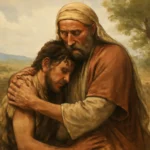
The father's compassionate response reflects divine qualities of mercy and grace, contrasting with the harsh justice often prioritized in legalistic Jewish society.
Older Son
faithful followers or those who feel overlooked or self-righteous
The elder’s resentment mirrors societal tensions over inclusivity and the perception of fairness within God's kingdom.
💡 The Main Teaching
The central message of the parable emphasizes God's abundant mercy and willingness to forgive genuine repentance. It overturns societal expectations that moral failings disqualify one from divine grace, highlighting instead that repentance and humility open the way for divine forgiveness and restoration. Ultimately, it reveals that God's love surpasses human notions of fairness, welcoming back sinners with open arms and calling His followers to embody similar grace.
Secondary Teachings
God’s mercy is available to all, regardless of past mistakes or social status.
Repentance involves humility and a genuine turning back to God, which encourages divine forgiveness.
True righteousness includes compassion and forgiveness towards others, not self-righteousness or exclusion.
⚠️ Common Misinterpretations
⚠️ Common Misinterpretation
One common misinterpretation is viewing the younger son solely as a symbol of reckless sinfulness, missing the broader message of divine mercy. The parable emphasizes repentance, not just sinfulness.
⚠️ Common Misinterpretation
Another error is considering the elder son as a critique of legalism, but the core message is about the father's unconditional grace, not condemning obedience but illustrating mercy regardless of human merit.
{'reference': 'Matthew 18:21-35', 'note': "The Parable of the Unforgiving Servant highlights forgiveness's importance, complementing the theme of mercy in Luke 15."}
{'reference': 'Ezekiel 18:21-22', 'note': "It emphasizes God's willingness to forgive sinners who turn from their evil."}
🌍 Application for Today
This parable challenges modern readers to embody the same grace they have received. It speaks to those struggling with guilt or shame, reminding them that repentance leads to forgiveness. For example, someone recovering from addiction or a moral failure can see God's mercy as an open door for renewal. It also calls believers to forgive others generously, just as the father forgave his son, fostering reconciliation in personal relationships, communities, and workplaces. Additionally, it urges society to extend compassion to marginalized or repentant individuals, reflecting divine love in action.
❓ Frequently Asked Questions
Does the parable suggest that all sins are forgiven automatically?
No, it emphasizes that forgiveness is available when one genuinely repents and turns back to God, as illustrated by the prodigal son's return (Luke 15:20-24).
What does the parable say about the older brother?
It highlights the dangers of self-righteousness and resentment, encouraging believers to rejoice in God's grace for all sinners rather than begrudge mercy shown to others.
Why did the father kill the fattened calf?
It signified celebration and restoration, symbolizing the joy in heaven over a sinner who repents (Luke 15:23-24).
What is the significance of the younger son's request for inheritance?
It represents a rejection of familial authority and filial respect, highlighting themes of independence and moral failure that lead to repentance and restoration.
✨ Did You Know?
Archaeological findings suggest that family inheritance practices in 1st-century Judea often involved complex legal contracts, making the son's demand both culturally provocative and legally significant. Additionally, the term 'fattened calf' (or ox) was a symbol of celebration reserved for special occasions, underscoring the father's extravagant joy at his son's return.








Leave a Reply