Perfectly and Wonderfully Made Verse: Meaning, Reflection, and Applications for Your Faith
The phrase “perfectly and wonderfully made” has resonated across centuries as a declaration of intrinsic value, divine craftsmanship, and hopeful identity. Rooted in Scripture, variations of this verse or its close relatives have become touchstones for personal faith, communal worship, and ethical living. This article explores the full breadth of the concept: what the verse means in its original context, how it invites deep reflection about who we are and whose we are, and how it can be practically applied in daily life, study, ministry, and culture. While the most cited form comes from Psalm 139, the idea of human beings as God’s workmanship extends beyond a single citation to shape a robust spiritual anthropology that informs belief, behavior, and belonging.
Meaning: What the Verse Teaches About Our Origin and Worth
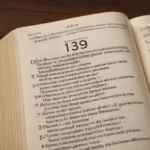
To grasp the full significance of the phrase that we often encounter as “perfectly and wonderfully made”, it helps to situate it within its biblical context. Psalm 139, in particular, presents a portrait of God’s intimate knowledge of the person, from the moment of conception through each stage of life. The structure of the Psalm moves from God’s comprehensive presence and sovereignty to a personal invitation for trust, astonishment, and praise. The language communicates two intertwined truths: that human life is not accidental or incidental, and that its value is anchored in the Creator’s intentional design.
Key facets of meaning emerge when we consider several angles:
Divine craftsmanship: The image of being shaped by a skilled Maker implies care, precision, and purpose. The idea of workmanship conveys not only origin but ongoing sustenance and intention. It invites us to see ourselves as the product of thoughtful artistry rather than a random occurrence.
Intrinsic worth: If we are made by God, then our value is not dependent on achievement, status, or appearance. The verse anchors dignity in the truth of divine intention, not in fluctuating circumstances.
Identity in relationship: The maker-studio relationship frames identity within a loving Creator. This is not a cold assessment of genetic material; it is a relational claim—God knows us, cares for us, and calls us toward a purpose larger than ourselves.
Grace and vulnerability: The language of being crafted invites humility and gratitude. It also invites vulnerability—acknowledging our dependence on God’s sustaining presence in daily life, trials, and growth.
Holistic flourishing: The imagery of being formed invites a holistic view of life—body, mind, heart, and spirit—each touched by divine intention and ongoing renewal.
When we encounter variants like “fearfully and wonderfully made” (a closely related phrase from Psalm 139:14), the emphasis shifts toward reverent awe in the face of God’s deliberate design. The word fearfully here is not a mere fear but a awe-filled reverence that recognizes the magnificence and mystery of the Creator’s work. Between “perfectly made” and “wonderfully made”, a spectrum emerges: perfect workmanship points to competence and excellence; wonderful workmanship points to beauty, mystery, and joy. Both together portray a creator who is both orderly and marvelous, reliable and surprising.
Historical and theological perspectives
Across Christian history, theologians have read this verse as a corrective to fatalism and despair as well as a balm against arrogance. If we are God’s masterpiece, then we are invited into a relationship characterized by love, responsibility, and stewardship. In Jewish tradition, the created order is good, and humans are called to honor that goodness by living justly, loving mercy, and walking humbly with God. In Christian theology, the sense of being made in God’s image (imago Dei) is closely linked to vocation: to reflect God’s character, to steward creation, and to participate in the renewal of the world. The Psalm’s emphasis on God’s intimate knowledge of the speaker reinforces the conviction that we are never anonymous or isolated; we are known, cherished, and called by a purposeful Creator.
Practical implications of the concept
Identity formation: The verse offers a foundation for shaping one’s sense of self around divine intention rather than cultural standard or personal insecurity.
Body theology: In a world with pressures about appearance and fitness, the idea of being crafted by God reorients conversations about health, beauty, and the body toward gratitude, care, and stewardship.
Ethical living: If every person bears the mark of God’s workmanship, then issues of dignity, justice, and compassion become non-negotiable ethical commitments.
Hope in suffering: The assurance of being known and valued by a divine Maker can sustain faith through pain, loss, and trial, inviting trust that God remains active in the process of healing and restoration.
Reflection: Personal and Communal Implications of Being Made by God
Reflection on the truth of being perfectly and wonderfully made is both a deeply personal exercise and a communal discipline. It speaks into individual self-understanding as well as the way communities treat one another. This reflection can be approached in several layers: identity in Christ, relational harmony, and societal witness. The following sections offer pathways for thoughtful introspection, guided by Scripture, tradition, and lived experience.
Identity and worth in daily life
When people internalize the conviction that they are fearfully and wonderfully made, daily life can change in tangible ways. It reframes self-criticism, invites gratitude for growth, and fosters resilience. It also challenges distorted notions of worth that rely on performance or appearance. A faithful stance recognizes:
God-centered identity: Your primary identity is rooted in being loved by God, not primarily in accomplishments or social status.
Value of every person: The same truth applies to others, creating a framework for respect, patience, and humility in relationships.
Creative potential: God’s workmanship implies that each person bears unique gifts and vocations to be stewarded for the common good.
Limitations and growth: Being crafted does not negate weakness; it invites dependence on God’s grace to mature and heal.
Relational implications: how we treat others
If every person is wonderfully made, then the call to love neighbor becomes not merely a moral obligation but a recognition of shared design. This has practical ramifications for:
Hospitality and welcome: Creating spaces where people feel seen and valued reflects the Creator’s intentional regard for every life path.
Conflict resolution: Viewing others as God’s workmanship invites gentleness, patience, and a commitment to reconciliation.
Justice and advocacy: Recognizing inherent worth undergirds efforts to protect the vulnerable and to dismantle dehumanizing systems.
Mentoring and discipleship: Affirming others’ God-given potential supports spiritual growth and leadership development.
Community and worship dimensions
In Christian worship and community life, the awareness of being made by God shapes liturgy, preaching, and fellowship. It encourages:
Liturgy of gratitude: Regular expressions of thankfulness for God’s works, including the intricate processes of life and growth.
Pastoral care: Gentle care that honors the identity and dignity of each person, particularly in seasons of crisis or transition.
Communal discernment: Decision-making conducted with humility and a recognition of divine guidance in the life of the community.
Artistic expression: Creative work that witnesses to God’s beauty and the wonder of human capability when aligned with divine purpose.
Cultural engagement: living out the verse in a pluralistic world
The claim that humans are intricately and purposefully formed by God carries a transformative challenge to culture. It invites believers to engage society with a posture of respect for life, a commitment to truth-telling, and a passionate advocacy for justice, all while avoiding judgmental or dehumanizing attitudes. It also invites humility in the face of scientific discovery, recognizing that science can illuminate the wonder of God’s design without displacing faith. In this light, being perfectly and wonderfully made is not a private sentiment but a public invitation to reflect God’s image inLet’s the world through acts of mercy, integrity, curiosity, and hope.
Applications: How to Live Out the Verse in Faith Practice
The truth that we are perfectly and wonderfully made is not merely a theological concept; it is a practical framework for making decisions, cultivating character, and nurturing communities. Below are concrete areas where this understanding can shape worship, education, care, and daily living.
Worship and personal devotion
Praise and gratitude: Use language that acknowledges God as the attentive Creator who forms and sustains life. Personal prayers can name specific manifestations of God’s workmanship—physical health, mental clarity, emotional resilience, and creative gifts.
Meditative reflection: Contemplative practices that invite stillness before the Creator’s design can cultivate humility and awe.
Artistic expressions: Worship aesthetic—music, poetry, painting, dance—can be a response to the wonder of God’s handiwork and an invitation for others to sense His care.
Pastoral care and counseling
Dignity in care: In counseling or pastoral conversations, affirm the person’s value as God’s creation before addressing behavior or circumstance.
Identity-centered guidance: Help individuals discern their God-given gifts and vocations, not merely fix problems or suppress insecurity.
Trauma-informed approach: Recognize that wounds can distort the sense of being crafted by God; restoration involves reclaiming identity in light of divine design.
Education and youth formation
Curriculum design: Build learning experiences that affirm dignity, encourage wonder, and connect academics with a larger redemptive story.
Mentorship: Pair students with mentors who model a life that harmonizes faith, learning, and service.
Critical thinking: Encourage questions about identity, science, morality, and meaning within a framework that values human worth and divine sovereignty.
Family life and daily routines
Routines of care: Daily practices that honor body, health, and emotional well-being reflect God’s ongoing craftsmanship.
Discipline with dignity: Parental or communal discipline should aim to restore, educate, and remind of the belovedness of every person.
Generosity and service: Viewing others as God’s workmanship guides acts of generosity toward neighbors, both near and far.
Social justice and public witness
Advocacy grounded in worth: Public policy and social initiatives should protect the vulnerable and honor the inherent value of every human life.
Ethical innovation: Scientific and technological advances should be pursued with humility and care, ensuring they serve human flourishing and do not undermine God-given dignity.
Unity in diversity: Recognize the wide spectrum of human experiences and backgrounds as part of God’s broad workmanship, seeking reconciliation and solidarity in community life.
Study Guide: How to Engage the Verse in Personal and Group Settings
For individuals and groups seeking a structured way to engage with the core idea of being perfectly and wonderfully made, here is practical guidance. This study guide moves from careful reading to reflective application.
Step 1: Read in context
Read Psalm 139 in a modern translation and in a study edition that includes footnotes about linguistic nuances.
Note the verses that surround the famous lines about being wonderfully made and consider how the Psalm moves from God’s intimate knowledge to the speaker’s response in praise.
Compare with related passages that speak of God’s creation, sovereignty, and the imago Dei (e.g., Genesis 1–2, James 3:9).
Step 2: Reflect personally and journaling prompts
What does it mean for you to be made by God in your daily life and choices?
Are there messages from culture that undermine your sense of worth? How does the verse reframe those messages?
What gifts or areas of growth can you attribute to God’s craftsmanship in you?
Imago Dei (Genesis 1:26–27): Humans bearing God’s image.
Craftsman imagery (Isaiah 64:8; Jeremiah 18:6): God as potter/maker who shapes lives.
Fellowship and care (1 Corinthians 12:7–26): Diversity of gifts within the church as a reflection of God’s workmanship.
Grace and restoration (Ephesians 2:10): Believers as God’s workmanship created for good works.
Step 4: Prayerful application
Offer prayers of thanksgiving for your life as God’s creation and for the good gifts you’ve received.
Pray for clarity about your gifting and how you can use it to serve others and advance justice and mercy.
Ask for help in aligning daily habits with the truth of being uniquely and deliberately formed by God.
Step 5: Group discussion and practice
In small groups or family settings, share testimonies of how the verse has shaped attitudes toward self and others.
Create a cultural or service project that reflects compassion for those whose value society may overlook.
Develop a short liturgy or prayer space that centers on gratitude for human life and God’s purposeful design.
Common Questions and Clarifications
The idea of being perfectly and wonderfully made is rich and occasionally invites questions. Here are some common queries and thoughtful responses to guide understanding and practice.
The language of perfect in this context refers to the thoroughness and integrity of God’s creation, not the absence of flaws. It emphasizes how God’s workmanship covers the totality of a person—body, mind, heart, and spirit—while acknowledging that sin and brokenness have entered the world. The call is to accept the truth of being valued by God while pursuing wholeness in partnership with God’s restoring work.
Does the verse imply we should never struggle with self-worth?
Not at all. The verse affirms value and purpose, but the lived experience of doubt, pain, and insecurity remains real. The Christian response is not to deny suffering but to bring it into the presence of God who formed us with care. In this light, vulnerability becomes a doorway to deeper trust and healing.
How does this idea relate to equality and justice?
If all people are God’s workmanship, then every person’s dignity is non-negotiable. This forms a theological basis for pursuing justice, defending the vulnerable, and resisting systems that devalue human life. It also calls believers to celebrate diversity as a reflection of God’s creative breadth.
What about science and evolution?
The relationship between faith and science can be complex. Many readers view the doctrine of being made by God as compatible with scientific understandings of biology and human origins, provided that science is welcomed as a means of exploring God’s creation. The core claim remains: every person bears a unique, dignified status in the Creator’s eyes.
Variations and Related Passages: Expanding the Semantic Field
To deepen understanding, it can be helpful to explore related biblical phrases and verses that share the same theological constellation. The language may vary, but the underlying affirmation of divine design and human worth persists across texts and traditions.
Across these texts, the semantic field broadens: being created with purpose, living as contributors to God’s redemptive story, and bearing responsibility to care for others and the world.
Common Misunderstandings and Healthy Corrections
As with any rich theological concept, there are misunderstandings that can lead to harm or misapplication. Here are some common missteps and how to address them.
Misunderstanding: Being “perfect” means never needing help. Correction: Biblical language emphasizes integrity and completeness, not perfectionlessness in struggle. God’s people often need grace and community for growth.
Misunderstanding: Worth is contingent on outward success. Correction: The value is grounded in God’s creative choice, not external achievement.
Misunderstanding: This verse is a license for self-centered individualism. Correction: The text invites responsibility and love for neighbor, reflecting God’s image in honest, compassionate action.
Misunderstanding: It dismisses suffering. Correction: Suffering may be real and part of the human condition, yet the underlying truth remains that each life matters to God and is meant for good works and hope.
Conclusion: Living as God’s Perfectly and Wonderfully Made People
The idea that people are perfectly and wonderfully made serves as a foundational vision for theology, devotion, and ethics. It invites a robust sense of identity that is both humble and confident, grounded in a Creator who knows us intimately and loves us wholly. It challenges fear, nurtures gratitude, and mobilizes compassion. By embracing the breadth of this concept—its biblical roots, its theological implications, and its diverse practical applications—believers can foster communities that honor human dignity, pursue justice, and cultivate hopeful, faithful lives.
In practice, this means approaching ourselves and others with a posture of reverent curiosity, patient encouragement, and active service. It means building worship that acknowledges God’s artistry, cultivating education that dignifies every learner, and engaging society with mercy and truth. It also means praying for guidance as we navigate the complexities of modern life, including identity, technology, and the ongoing mystery of how we are wonderfully made. If you take away one core idea from this exploration, let it be this: being perfectly and wonderfully made is a call to live with gratitude, responsibility, and hope, knowing that the same Creator who formed you also loves your neighbor and longs to renew all things.









Leave a Reply