Miracles Jesus Did: Exploring Jesus' Miraculous Feats
Miracles Jesus Did: Exploring Jesus' Miraculous Feats
Miracles Jesus Did:Exploring Jesus' Miraculous Feats is a journey into the heart of the Gospel narratives, where compassion, authority, and divine purpose intersect. Across the four canonical Gospels, Jesus of Nazareth is portrayed not only as a teacher and healer but as the one who breaks natural limits, redefines illness and disease, confronts spiritual darkness, and points toward the coming of the Kingdom of God. In this article we will survey the broad spectrum of those extraordinary acts, categorize them, analyze their symbolic significance, and consider what they meant to the people who encountered them then and what they might mean for readers today. The aim is not only to catalog events but to understand how each miracle was crafted to reveal something essential about Jesus’ identity and mission.
At the core of Jesus’ miracles is more than spectacle. Each act is a deliberate sign that points beyond the moment to a larger reality. Miracles in the life of Jesus testifies to his authority over nature, illness, sin, and death, while simultaneously inviting people to respond with faith, trust, and renewed allegiance. Some scholars view these acts as love-in-action—pointers to God’s mercy in a broken world—while others emphasize the symbolic depth that connects physical healing with spiritual restoration. Regardless of interpretive approach, the miracle stories invite readers to encounter the person of Jesus in a way that reorients life toward God.
Categories of miracles: a map of Jesus’ extraordinary deeds
To organize the breadth of Jesus’ miraculous feats, it helps to group them into broad categories. Each category contains a range of specific miracles, some repeated in different contexts, others unique in their particulars. The following outline presents a practical taxonomy for readers and students of the Bible.
Physical healing and restoration
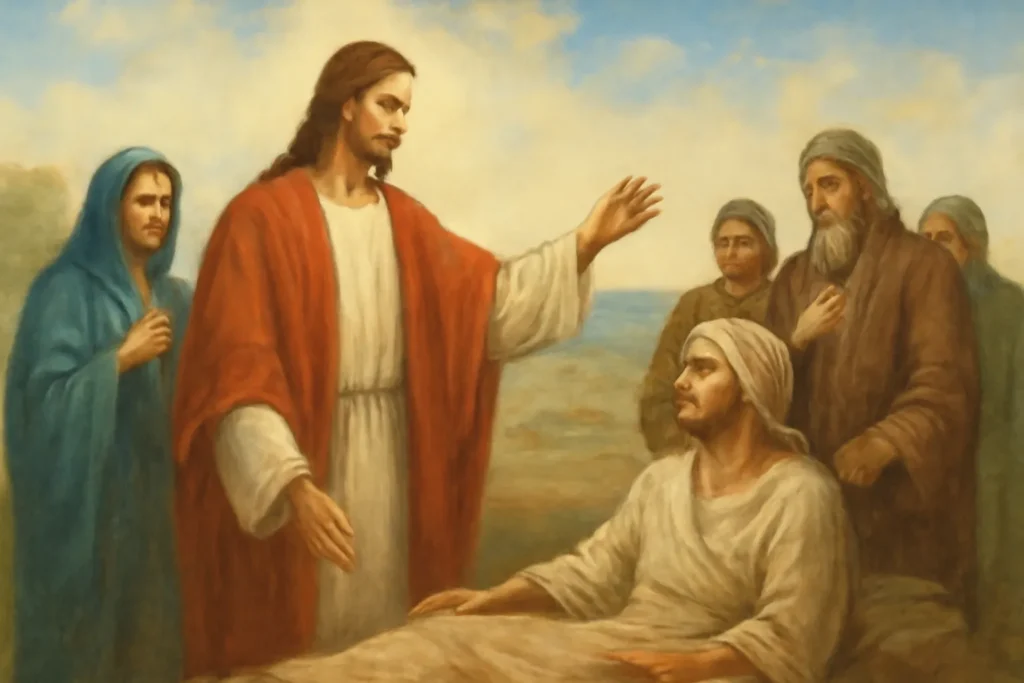
Among the most common miracle types are acts of healing that restore sight, hearing, mobility, and overall health. These miracles often occur in response to faith—whether expressed by the person in need, by friends who bring the afflicted to Jesus, or through the bold faith of a family member. They demonstrate Jesus’ compassion and his authority over disease. Some notable examples include a blind man’s sight restored, a paralytic’s release from his bed, and a woman who suffers from a long-standing hemorrhage touched by hope and faith.
Nature miracles: control over creation
In several stories, Jesus demonstrates mastery over natural forces: calming storms, walking on water, and turning ordinary elements into signs of the divine presence. These acts reveal Jesus’ authority over the created order and invite observers to trust in his power, even amid fear and uncertainty. These miracles require faith in order to be received fully and often occur in the context of teaching or a demonstration to his followers.
Exorcisms and spiritual authority
Jesus repeatedly confronts demonic forces, delivering individuals from possession or oppression. In these scenes, the focus is on the sovereignty of Jesus over spiritual powers and his mission to restore people who are afflicted by evil. Exorcisms also challenge the religious status quo of the time and illustrate a primary dimension of Jesus’ mission: the defeat of spiritual darkness that opposes God’s reign.
Provision, compassion, and the miraculous feedings
Miraculous supply—most famously the feeding miracles—highlights Jesus’ concern for physical need and communal inclusion. A few loaves and fish become a feast for thousands; in another instance, a crowd is fed with compassion when the bread and fish symbolically foreshadow the living bread that is to come. These acts emphasize care for the poor and marginalized and reveal the abundance of God’s grace in action.
Raising the dead: life beyond the grave
Perhaps the most dramatic category involves the restoration of life to people who have died. The miracles of resurrection—most notably the raising of Lazarus—illustrate not only Jesus’ power over death but also the hope of life that transcends the grave. In these stories, faith and intercession often play a crucial role, and the events point forward to Jesus’ own death and resurrection as the supreme sign of life overcome by God.
Notable miracles in the Gospels: a guided tour
Below is a curated set of representative miracles, each with a brief vignette, the Gospel context, and the key takeaway. The aim is to show how individual stories contribute to a broader portrait of Jesus’ authority, mercy, and identity.
In the Gospel of John, the miraculous transformation of water into wine at the wedding in Cana is presented as the first of Jesus’ signs. The setting is intimate and social, but the impact is cosmic: a divine invitation to new order and abundance. The fresh wine, superior to what was first served, signals that Jesus brings a cleaner, richer, and more abundant life. The miracle reveals the authority of Jesus over matter itself and anticipates the theme of transformation that runs through John’s account.
Healing of the official’s son: distance as a demonstration of faith
In John 4, Jesus heals a royal official’s son who is near death, simply by speaking a word from a distance. The cure happens despite physical separation, underscoring that Jesus’ word carries life even when the healer is not physically present. This miracle highlights faith that believes even when visible signs are not immediately required, and it demonstrates Jesus’ power to restore life through authoritative speech.
Healing of the paralytic: forgiveness and restoration intertwined
Mark 2 (parallel accounts in Matthew and Luke) tells of a man lowered through a skylight by friends who trust Jesus to heal. Jesus first pronounces the man’s sins forgiven, then heals the paralysis. This recovery of physical mobility is inseparable from the deeper restoration of relationship with God. The miracle invites readers to see healing as both spiritual renewal and bodily renewal, echoing a holistic vision of human flourishing.
Exorcism of the Gerasene demoniac: liberation from bondage
In Mark 5 and Luke 8, a man possessed by a legion of demons is freed after Jesus commands the spirits to depart. The scene ends with the man in his right mind, fully integrated into his community, demonstrating Jesus’ supremacy over spiritual forces that exile people from society and from God. The dramatic nature of the healing exposes the brokenness caused by demonic oppression and the liberating power of Jesus’ authority.
Calming the storm and walking on water: sovereignty over nature
Two episodes in the synoptic Gospels show Jesus walking on the sea and, in another moment, calming a raging storm. These appearances reveal an intimate familiarity with the sea and a mastery over its tempests. The disciples’ fear gives way to awe as they recognize that the One who commands the elements is in the boat with them. The narrative emphasizes trust in Jesus amid danger and uncertainty and points to a future where fear subsides before divine presence.
Feeding the 5,000 and the 4,000: signs of abundance and inclusive care
The feeding miracles appear in multiple Gospels, each highlighting Jesus’ compassion and generosity. In the feeding of the 5,000 (and the 4,000 in a separate episode), a small quantity of food becomes enough for thousands, with leftovers in abundance. The miracles demonstrate that Jesus meets human hunger not just physically but also symbolically, offering sustenance that echoes the deeper bread of life that sustains faith and community.
Healing the blind, the leper, and the mute
The Gospels present several healing episodes in which sensory impairment is transformed by Jesus’ touch or spoken word. The blind regain sight, a leper is cleansed, and a mute demon is removed to restore speech. These acts illustrate Jesus’ authority over disease, and they invite onlookers to respond with gratitude, faith, and renewed trust in God’s mercy.
Jairus’ daughter and the widow of Nain: life restored to the most vulnerable
In two separate accounts (Mark 5 and Luke 8; Luke 7 for the widow’s son), Jesus raises those who are regarded as beyond hope. Jairus’ daughter is restored to life after a moment of sorrow and distance, while in Nain, Jesus raises the widow’s son, foreshadowing a future reversal of death itself. These miracles emphasize Jesus’ compassion for households in grief and distress and highlight the intimate nature of divine intervention in personal loss.
Lazarus, the beloved friend: a dramatic climax of life over death
John 11 presents one of Jesus’ most transformative miracles: the raising of Lazarus. This act culminates in a public confrontation with death and becomes a powerful sign pointing to Jesus’ own death and resurrection. The narrative deepens faith by signaling that life with God surpasses earthly limits and that God’s glory can be revealed even through delay and sorrow.
Transfiguration: a glimpse of divine glory
In Matthew 17, Mark 9, and Luke 9, Jesus is transfigured before three of his close followers. His face shines, his clothes become dazzling white, and Moses and Elijah appear, conversing with him. The event is a theophany, a moment when human perception is elevated to glimpse the divine radiance. The Transfiguration confirms Jesus’ unique status as the fulfillment of the Law and the Prophets and foreshadows the glory that awaits faithful followers.
Theological significance of the miracles: what they reveal about Jesus and his mission
The miracles attributed to Jesus are not random wonders; they are intentional signs designed to disclose truth about God and about the mission Jesus came to accomplish. Several themes recur across the miracle narratives, helping readers interpret their meaning in a consistent way.
Authority over creation and the natural world
From turning water into wine to stilling storms, Jesus displays authority over the created order. These acts symbolize the restoration of order that God intends for creation and signal that Jesus embodies the creative power of God. Authority over nature is not mere spectacle; it is a sign of his sovereignty and a foretaste of a world brought into harmony under divine rule.
Compassion for the suffering and marginalized
Almost every healing miracle begins with a story of need, longing, or social exclusion. Jesus’ response to pain and disease embodies a compassionate kingdom, where the vulnerable are welcomed, the outcast is restored, and the sick are invited into shared life. The miracles therefore double as acts of mercy and as demonstrations of the in-breaking of God’s reign into human history.
Forgiveness, restoration, and reconciliation
Some healings begin with Jesus forgiving sins, highlighting that physical healing and spiritual renewal are deeply connected. Miracles point to a holistic restoration—body and soul—and they invite people to pursue reconciliation with God, community, and self-understanding. This dynamic beyond mere cure suggests a cosmic healing—freedom from what separates people from God.
Prophetic signs that reveal Jesus’ identity
Several miracles serve as self-revelation moments. They reveal that Jesus is more than a healer or a miracle worker; he is the one through whom God’s promises are being fulfilled. The feeding miracles, the raising of the dead, and the exorcisms present Jesus as the eventual bringer of life and the revealer of divine presence in a broken world.
Faith as a catalyst for reception
In many narratives, Jesus responds to faith—the faith of the person seeking healing, the faith of friends who bring others to him, or the faith of crowds that witness the act. While miracles sometimes occur without explicit faith, the stories often tie the content and outcome of the miracle to the presence of trust and dependence on God.
How the Gospels present miracles: differences and common threads
The four canonical Gospels—Matthew, Mark, Luke, and John—each tell the story of Jesus, but they do so with distinct emphases and stylistic choices. Some miracles appear in multiple Gospels, while others are unique to a single account. These variations reflect the authors’ theological aims and the communities they served. Yet a common thread runs through all: the miraculous acts are not magic tricks; they are signs that invite faith and point toward God’s redemptive plan in Jesus.
Synoptic portraits (Matthew, Mark, Luke) tend to emphasize immediate responses to faith, the moral and ethical implications of healing, and the role of Jesus as the Teacher who reveals the Kingdom’s ethics in everyday life.
John’s gospel highlights symbolic meanings, signs that reveal Jesus’ divine identity, and the relationship between belief and eternal life. Water into wine, the bread of life discourse, and the ultimate resurrection theme are shaped by John’s purpose to present Jesus as the incarnate Word who brings life to all creation.
Miracle stories often occur within a narrative frame—paired with teaching, parables, or confrontation with religious authorities—that helps readers understand the meaning behind the event.
A few observational notes on miracle reporting
Readers should be aware that ancient miracle narratives convey meaning through memory, meaning-making, and community memory. They are not “news reports” in the modern sense but curated accounts designed to convey truth about who Jesus is. The miraculous acts reveal character, fulfill prophecies, demonstrate compassion, and invite response. The variety across the Gospels demonstrates that the miracle stories were crafted to address different audiences and needs while preserving a consistent message about Jesus’ authority and mercy.
Miracles in everyday life: lessons for faith and practice
Even as these stories belong to a distant historical setting, their spiritual implications have continued resonance for readers today. Believers often reflect on miracles as invitations to encounter God’s presence in ordinary life—in moments of healing, provision, courage during storms, and acts of mercy toward those in need. Here are some practical takeaways that emerge from reflecting on Jesus’ miraculous feats.
Trust and openness to God, even when the outcome is not immediately visible or the circumstances seem overwhelming.
Compassion in action as a core stance of faith, manifested in care for others, especially the vulnerable and marginalized.
Humility and faith as catalysts for receiving grace, recognizing that healing and transformation come through God’s initiative and Jesus’ mediation.
Hope in divine sovereignty that darkness and fear are not the final word; God’s reign is ultimately the source of life, light, and restoration.
Contemporary debates and discernment
Many readers today wrestle with questions about miracles in the modern world. Some seek ongoing acts of healing and miracles through prayer ministries; others caution against sensationalism and emphasize spiritual transformation over dramatic signs. A thoughtful approach considers the biblical trajectory: miracles point to God’s presence, affirm Jesus’ authority, and invite human response—faith, repentance, and generous love—while remaining careful not to reduce faith to a single category of experience or to view miracles as guarantees of personal ease in life.
Common questions about Jesus’ miracles
MIRACLES JESUS DID have inspired questions across centuries. Here are some frequently asked questions, along with concise reflections that connect biblical text with ongoing faith and interpretation.
Were Jesus’ miracles primarily for the benefit of those who witnessed them? While many miracles addressed current need, they also served a broader purpose: to reveal Jesus’ identity and invite belief that could transform life across generations.
Did faith cause the miracles, or did miracles cause faith? The relationship appears bidirectional. In several accounts, faith triggers healing; in others, the act itself prompts a response of faith or awe. The common thread is recognition of God’s power in Jesus’ words and actions.
Why do some miracles involve forgiveness of sins before healing? In several stories, Jesus links physical restoration with spiritual restoration, underscoring a holistic vision of healing that encompasses both body and soul.
Do miracles still happen today? Across traditions, there is a spectrum of belief about contemporary miracles. Many Christians affirm that God continues to act in the world, often through prayer, grace, and the ordinary means of life, while cautioning that miraculous events should be evaluated in light of Scripture and sound discernment.
What is the ultimate purpose of Jesus’ miracles? The miracles announce the in-breaking of God’s kingdom, reveal Jesus’ mission, and invite a response of faith that leads to deeper relationship with God and neighbor.
Historical context and modern reflection: engaging with the text
The miracle narratives sit within second-temple Judaism and early Christian communities. They reflect religious hopes, social realities, and the challenges of faith under Roman rule. For readers, the historical context deepens appreciation for the audacity and significance of these acts. In modern study, scholars examine the linguistic choices, the sequencing of events, and the rhetorical devices used to frame miracles as signs rather than mere wonders. In devotional reading, the miracles invite personal introspection: Where do I need healing? Where do I need faith to grow? How might I participate in Jesus’ mission of mercy in my own community?
Symbolic and liturgical resonances
Miracle stories often carry symbolic weight that resonates with Christian liturgy and theology. The feeding miracles echo Eucharistic themes, the water-to-wine sign foreshadows the new covenant, and the resurrection narratives shape the core proclamation of Christian faith. The acts of forgiveness linked to healing align with the broader biblical theme that forgiveness and restoration are at the heart of God’s redemptive work in the world.
Concluding reflections: embracing the story of Jesus’ miracles
Reading about Miracles Jesus Did invites a response that goes beyond curiosity. The miracles challenge readers to trust in God’s power, to practice mercy toward others, and to commit to a life shaped by faith that seeks the good of the neighbor. They invite a person into a conversation about purpose, justice, and hope. Whether approached as history, faith formation, or spiritual nourishment, the miracle stories remain a central hinge of the Christian narrative—an invitation to encounter the living God in the person of Jesus and to participate in the unfolding of God’s kingdom, here and now.
In sum, the miraculous feats attributed to Jesus—seen across the Gospels in diverse settings and for varied purposes—form a coherent portrait: a compassionate, authoritative, and transformative figure who reveals the presence of the Kingdom of God, invites people into new life, and calls for a faithful response from those who encounter him. The story of these miraculous acts continues to speak to readers today as a powerful testimony to God’s mercy, a challenge to faith, and a promise of hope for the world.










Leave a Reply