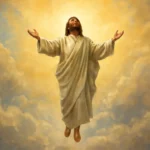
When Christians speak of Jesus Come Soon, they are naming a longing that stretches back through the centuries: the longing for the arrival of the Son of God in glory, to judge the living and the dead, to renew the heavens and the earth, and to establish an eternal kingdom of righteousness. In this article we explore the idea of Christ’s return from a balanced, biblical perspective, offering practical guidance for how believers can live in hopeful anticipation without falling into despair or distraction. Whether you hear it spoken as the Second Coming, the Lord’s return, or the Messiah’s coming, the invitation remains the same: be awake, be faithful, and be ready.
The phrase Jesus Come Soon carries a sense of immediacy, but it is not a prompt to withdraw from the world. Rather, it invites believers to engage deeply with Scripture, community, and mission as they wait. In this article, we will cover signs of His return, how different traditions understand timing, and concrete ways to prepare that honor the Gospel, serve the needy, and cultivate holy living in daily practice.
Signs of His Return: What the Bible Indicates
The question of when will Jesus return has occupied the thoughts of many readers of Scripture. The biblical record does not provide a precise date, but it does present a broad framework of indicators—signs that Christ’s return is near and that history is moving toward its culmination under God’s sovereignty. The phrase Jesus Come Soon is often connected to these signs: some are explicit prophecies, others are patterns in history, all designed to stir watchfulness and faithful living.
Biblical Foundations: What Jesus Himself Said about the End
Matthew 24 and Mark 13 outline birth pains, wars, famines, earthquakes, and false prophets as birth pangs that precede the end. Jesus teaches His followers to watch, endure, and endure without being overwhelmed by fear.
Luke 21 emphasizes persecution, signs in the sky, and the gospel proclamation to all nations—signals that bring a sense of urgency to the church’s mission.
In all three synoptic Gospels, the call to readiness is clear: stay awake, live faithfully, and live expectantly.
1 Thessalonians 4–5 and 1 Corinthians 15 describe the return of Christ as both a future event and a source of present comfort, offering assurance in the midst of trials.
Additional Biblical Indicators: Portents, Patterns, and Promises
Increase in moral confusion and deception: the Bible warns about false teaching and the need to hold fast to sound doctrine. Truth and righteousness become a defining contrast in the last days.
The gospel to all nations: a recurring theme is that the gospel must be proclaimed to every people group before the end comes. This is often presented as a missionary imperative that intensifies as the return approaches.
Judgment and restoration: the end times narratives blend judgment on sin with the renewal of creation, pointing to a future where evil is defeated and God’s world is made new.
All creation awaiting redemption: biblical poetry and prophetic literature imply that the cosmos itself participates in the advent, signaling a comprehensive renewal.
Contemporary Signs: Reading the Times with Wisdom
Many believers look at current events through the lens of scripture, noting patterns that echo biblical prophecies while avoiding sensationalism. Some common categories of modern signs include:
Global turmoil and wars that test national and personal loyalties and reveal human hearts in crisis.
Natural disasters and climate disruption that remind us of creation’s groaning and the fragility of human systems apart from God’s grace.
Increased access to information and rapid communication that enable the spread of the gospel to many nations, but also the spread of misinformation.
Ethical and spiritual shifts in societies that redefine concepts of truth, justice, and human dignity, prompting believers to reaffirm biblical norms while showing mercy.
Israel and the Middle East as a historically significant theater in eschatological expectations, prompting careful exegesis rather than sensationalism.
Theological Perspectives on Timing: How Christians Understand the Moment
Across Christian traditions, there is a wide spectrum of thought on the timing of Jesus’ return. Some hold to a premillennial framework that emphasizes a future, literal return followed by a millennial reign; others favor amillennial or postmillennial views that interpret the Kingdom in a more symbolic or present-tense way. Regardless of the specific framework, most traditions agree on a few core truths:
Imminence is a mood more than a timetable: believers are called to live with a sense of expectancy, not a calendar obsession.
Faithfulness in the present is the primary marker of preparedness: what you do with your life, your worship, and your service matters more than guessing the hour.
Readiness over speculation: the biblical emphasis is on being ready, not on constructing precise forecasts about dates.
Hope with responsibility: the prospect of Jesus’ return motivates holy living, justice, mercy, and mission.
How Believers Can Prepare: Living in Light of the Soon Return
The central exhortation of Scripture—whether you call it Jesus Come Soon or Christ’s imminent return—is that believers should arrange their lives around readiness. This readiness is not passive; it is active faithfulness that shapes character, worship, and daily choices. Below are practical avenues for preparation that are adaptable to varied church traditions and personal circumstances.
Daily Spiritual Disciplines: Cultivating a Habit of Watchfulness
Prayer as a posture of dependence: begin and end each day with conversations with God, asking for clarity, courage, and grace.
Bible study as a transforming encounter: let the Scriptures shape your values, expectations, and decisions about money, family, work, and politics.
Worship as a lifestyle: sing, reflect, and live in a way that honors God, not just during church services but in work and home life.
Fellowship with believers: build relationships that encourage faith, accountability, and mutual service to the community.
Fast and repentance where appropriate: confess sin, seek healing, and reprioritize loyalties to God’s kingdom above all else.
Community and Witness: The Church as a School of Hope
Corporate worship that centers Jesus Christ and the gospel rather than personal preferences alone.
Scriptural teaching that connects prophecy with practical ethics—how believers live when the world is unsettled.
Mission and mercy: actively participate in evangelism and social action, embodying the gospel in tangible acts of justice, care for the vulnerable, and relief for the afflicted.
Fellowship in hard times: support one another through suffering, persecution, or disappointment while keeping eyes fixed on the hope to come.
The season you live in—whether prosperous or painful—offers a proving ground for faith. The Bible invites believers to endure with patient hope, to carry burdens in community, and to guard against cynicism. When life feels shaken, the truth that Jesus Come Soon invites perseverance: not passive resignation, but active trust in God’s plan, with confidence in the ultimate restoration of all things.
Practical Applications: How to Live Prepared in Everyday Life
Theologic reflection must translate into concrete steps. Here are actionable practices to help you align daily life with the expectation of Christ’s return:
Set a daily rhythm of devotion, including time in Scripture, prayer, and song. A predictable rhythm helps guard against distraction and fear.
Create a family faith plan that includes regular devotional times, shared meals that include biblical reflection, and service projects that teach generosity.
Engage in local outreach to demonstrate the gospel’s power to transform communities—volunteering, charitable giving, and hospitality.
Develop discernment to navigate false teaching, sensational claims about the end times, and divisive rhetoric. Ground your discernment in Scripture, core doctrines, and wise counsel.
Maintain hope in suffering: the return of Jesus is a source of consolation for those who mourn and courage for those who endure trials.
Practice stewardship of money, time, and talents in ways that advance God’s kingdom and reflect generous living.
cultivate hospitality as a spiritual discipline that opens doors for relationships, Scripture-based conversations, and acts of mercy.
Throughout church history, people have wrestled with a range of questions about the timing and nature of Jesus’ return. Here are some common questions along with cautious, biblically informed answers:
Will no one know the day or the hour? The Bible teaches that no one knows the exact time, not even the angels or the Son, but believers should live with readiness and discernment. Avoid speculating about precise dates; instead, focus on faithful living.
Is it wrong to study prophetic charts or end-time timelines? Studying prophecy can be helpful, so long as it remains subordinate to grasping the gospel, loving neighbor, and encouraging the church to mission. Do not worship charts; worship Christ.
What about the sign of wars and natural disasters? These occurrences are real, but they must be interpreted with humility: they point to the fallen state of the world and to the need for God’s salvation, not to a calendar-based guarantee of an immediate event.
How should I respond personally to the promise of Jesus’ return? Respond with trust, repentance where needed, and a renewed commitment to love God and neighbor. Let the return motivate holiness, mercy, and mission rather than fear or sensationalism.
Does emphasis on the return excuse complacency? On the contrary, the New Testament presents readiness as active faithfulness: care for the vulnerable, honesty in business, and zeal for the gospel all reflect a life lived in light of the coming King.
Historical and Theological Nuances: Why Perspectives Differ
Different Christian traditions emphasize diverse aspects of eschatology (the study of last things). This diversity does not undermine unity in the central conviction that Jesus will return. It does, however, shape how believers interpret signs and how they live in anticipation:
Premillennialism generally expects a future, measurable sequence: rapture (if held by some variants), tribulation, millennial reign, and final judgment. It tends to stress a future fulfillment of prophecies and a high sense of urgency in mission and evangelism.
Amillennialism tends to read the millennium as a symbolic present reality—the reign of Christ from heaven in the church age. The emphasis is on faithfulness now, with the gospel growing through the church's mission across time.
Postmillennialism often envisions a long era of gospel progress and cultural transformation leading to Christ’s return. It highlights evangelism, social reform, and a hopeful view of history.
Regardless of the framework, the practical imperative remains: live holy, love deeply, and witness boldly.
Final Reflections: Embracing Hope, Preparing with Purpose
The call to Jesus Come Soon is ultimately a call to a transformed life. It is a summons to hope that does not ignore pain, to courage that does not fear, to generosity that changes the world. When believers anchor their lives in the gospel—Christ’s death and resurrection, the gift of the Holy Spirit, and the promise of His return—they discover a robust eschatology that motivates worship and service. The return of the Lord is not merely a distant event to be anticipated; it is a present reality that reshapes the way we worship, the way we work, and the way we care for others.
As you reflect on the steadfast hope of Jesus Come Soon, you are invited to join a life of ongoing readiness—an attitude that embraces both spiritual awakening and compassionate action. The signs of His return, whether understood through a literal or a figurative lens, point us toward the same destination: a reconciled world under the reign of Christ. Let this season be marked by urgency without panic, by truth-telling and love, and by a deep commitment to live as faithful witnesses until the trumpet sounds and the King returns.









Leave a Reply