Fasting with Prayer: A Practical Guide to Spiritual Growth
Fasting with Prayer: A Practical Guide to Spiritual Growth
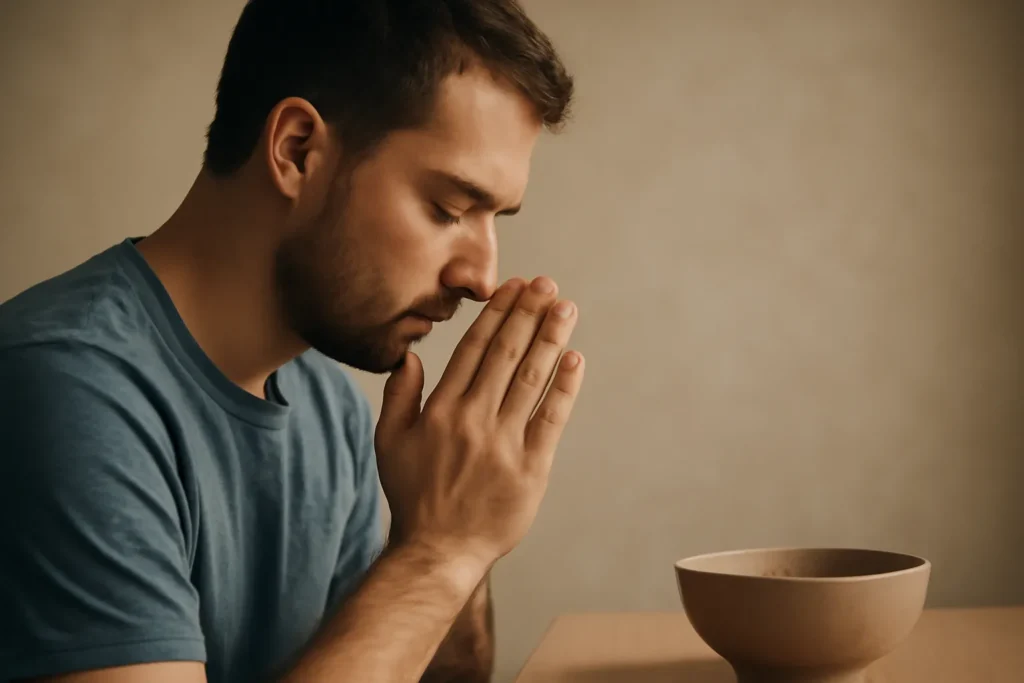
Fasting with Prayer: A Practical Guide to Spiritual Growth is a timeless discipline that blends deliberate restraint with focused conversation with God. This comprehensive guide aims to help readers understand what fasting with prayer means, why it matters, and how to practice it with clarity, intention, and lasting spiritual impact. The practice is as much about posture of the heart as it is about the body’s physical choices. When done well, fasting with prayer becomes a doorway into greater spiritual discernment, deeper worship, and renewed daily obedience.
At its core, fasting is voluntarily refraining from certain foods, activities, or comforts for a period of time in order to seek God more earnestly. Prayer, in this context, is the deliberate conversation with the divine—petition, confession, gratitude, intercession, and listening. Fasting with prayer is the intentional combination of these two practices: denying the self physically in order to attend more fully to spiritual matters. It is a practice that has appeared in many faith traditions and has been adopted and adapted by countless believers seeking greater alignment with God’s purposes.
While the exact form of fasting can vary, the underlying aims are consistent across contexts: humility, focus, and dependence on God. The body’s hunger or discomfort becomes a reminder that spiritual nourishment—often described as God’s presence or guidance—matters more than temporary physical satisfaction. The practice invites a slower pace, a more attentive listening posture, and a deeper commitment to truth telling in prayer.
Why Combine Fasting and Prayer?
Fasting without prayer risks merely dieting; prayer without fasting risks spiritual drift. When paired together, they reinforce one another in several synergistic ways:
Clarity of motive: A period of fasting helps you distinguish between genuine spiritual hunger and merely seeking a desired outcome or relief from discomfort.
Heightened sensitivity: The body’s physical cues can heighten awareness of inner prompts, enabling more honest confession and repentance during prayer.
Focused intercession: With fewer distractions, you can lift specific concerns—people, communities, injustices, and personal sins—before God with greater consistency.
Spiritual transformation: Sustained engagement in fasting with prayer often yields steady growth in virtues such as patience, perseverance, and trust in God’s timing.
Discernment and direction: Many people report clearer sense of calling, burden, or guidance after a season of fasting and prayer.
In short, the practice is discipline with purpose. It is not a merit-based ritual but a mindful response to God’s invitation to draw near, seek his will, and submit one’s plans to divine wisdom. The aim is not to impress others with a ritual but to cultivate a genuine dependence on God that shapes daily life, choices, and relationships.
Preparing Your Heart: Foundations
A successful season of fasting with prayer begins long before the fast itself. It starts with a prepared heart and a clear intention. Below are practical foundations to lay before you begin a fasting period.
Clarify Your Intentions
Before initiating a fast, take time to articulate your purpose in writing. Ask questions such as:
What areas of my life most urgently require spiritual insight or transformation?
What issue or decision do I need wisdom about?
How might fasting with prayer help me posture myself toward God more fully?
Record your answers in a journal. Returning to these aims during the fast helps you stay focused and avoids turning fasting into a mere ritual or a display of self-control.
Seek Guidance and Accountability
If you belong to a faith community, share your plan with a trusted pastor, mentor, or friend who can offer guidance and accountability. Accountability does not mean controlling your experience but providing support, encouragement, and gentle checks when needed. If you have medical conditions, consult with a healthcare professional before beginning any extended fasting plan.
Plan Your Schedule and Boundaries
Decide the kind of fast you’ll observe and establish boundaries that are wise for your context. The boundaries should be clear, attainable, and safe. Some considerations include:
What type of fasting will you undertake (food, media, or activities)?
What is the duration (hours, days, or weeks)?
What are the non-negotiables (medication, hydration, safety)?
How will you structure your prayer times and devotional reading?
Choose Healthy, Sustainable Practices
Seasoned practitioners know that fasting is most fruitful when it is sustainable and life-giving rather than punitive. Consider gentle, sustainable methods that honor your body and allow you to engage deeply in prayer and reflection. Examples include shorter daily fasts with longer periods of extended prayer or a structured weekly fast rather than an extended multi-day fast if you are new to the practice.
Prepare Spiritually, Not Only Physically
Spiritual preparation involves repentance, gratitude, and readiness to receive instruction. Include time for confession, reconciliation with others if needed, and a deliberate posture of listening for God’s voice. An inner shift—toward humility and teachability—often precedes visible outcomes in life decisions or relationships.
Common Methods of Fasting with Prayer
There are several legitimate and effective approaches to fasting with prayer. Each method emphasizes different aspects of the spiritual life. The right approach for you depends on your context, health, spiritual goals, and prior experience with fasting. Here are several common varieties with practical examples and tips.
Partial Fasts (Food Reduction)
Partial fasting involves reducing certain types of food, meals, or nutrients for a defined period. It is a popular form of fasting because it can be adjusted to individual circumstances while still creating spiritual focus.
Daniel Fast: A plant-based diet drawn from the book of Daniel, typically excluding meat, dairy, and processed foods for a period of time. This fast emphasizes simplicity and reliance on God as the sole source of sustenance.
Common Meal-Removed Fast: Skipping one or two meals per day while dedicating the time normally spent eating to prayer, Scripture study, and contemplation.
Selective Food Fast: Refraining from specific indulgences (sweets, caffeine, or rich foods) while continuing to eat regular meals, used to train the heart toward priority of God in daily life.
Juice or Water Fast with a caveat: Some people practice a short-term juice fast for energy and hydration, while others opt for water-only fasting under appropriate guidance. Always consider medical conditions and personal health when choosing this route.
Tips for partial fasting:
Pair each fasting choice with a specific prayer focus or Scripture reading.
Keep a daily log of meals, prayers, and reflections to observe spiritual patterns over time.
Watch for physical signals—dizziness, weakness, or confusion—and adjust accordingly with safety in mind.
Absolute Fasts
An absolute fast involves abstaining from all food and drink for a defined period. It is the most intensive form of fasting and requires careful consideration, medical awareness, and supervision if there's any risk to health. This type is often reserved for exceptional circumstances or breaks in spiritual breakthrough. If you pursue an absolute fast, do so with clear boundaries, such as not exceeding a safe duration (often limited to a day or less for most people) and with a clear plan for prayer, Scripture, and accountability.
Intermittent Fasting with Prayer
Intermittent fasting—interspersing periods of food abstinence with periods of eating—can be integrated into a daily or weekly rhythm. For example, one might fast from sunrise to sunset on certain days, or practice an 8/16 schedule (16 hours of fasting with an 8-hour eating window) while using the non-eating hours for extended prayer, meditation, and spiritual reading. This approach offers flexibility and sustainability for modern life while preserving the core aim of turning attention toward God.
Fast from Distractions
Distraction fasting targets non-physical hunger—such as social media, entertainment, or other time-consuming diversions. By exchanging entertainment for time spent in prayer, Scripture, and reflection, you create space for inner stillness and divine listening. This form of fasting may be particularly accessible for long stretches of life in busy seasons and can yield profound clarity about priorities, relationships, and vocation.
Corporate or Communal Fasts
Communal fasting brings a group—family, church, or small faith community—into a shared discipline. A corporate fast is often paired with a specific prayer focus (for revival, compassion for the afflicted, or a major mission project). When undertaken together, communal fasts cultivate solidarity, mutual encouragement, and accountability, making the spiritual journey less isolating and more transformative.
Prayer during fasting can take many forms. The following routines are practical frameworks you can adapt to your tradition, personality, and schedule. The goal is not to produce a rote ritual but to cultivate a steady, intimate conversation with God that remains accessible even in difficult moments.
Structured Daily Rhythm
Establish a daily pattern that combines moments of stillness, Scripture reading, confession, intercession, and gratitude. A simple sample rhythm might be:
Morning: Opening prayer, Scripture meditation, and a brief confession of anything hindering your relationship with God.
Midday: Short intercession focusing on specific needs—individuals, communities, leaders, and injustices—paired with a reflection on God’s promises.
Evening: Review of the day, gratitude for God’s faithfulness, and a closing prayer for guidance and strength for tomorrow.
During the fasting period, you can add longer prayer times—perhaps a quiet walk, a contemplative breath prayer, or a candlelit prayer vigil. The aim is to create space for listening as well as speaking, allowing God to nudge your heart toward truth you might miss in the busyness of daily life.
Journaling and Devotional Reading
Journaling helps you capture insights, petitions, and breakthroughs along the journey. Pair your prayers with devotional readings that align with your themes—repentance, mercy, justice, courage, or wisdom. Consider keeping sections for:
Petitions—the things you ask God to do in and through you and others.
Acknowledgments—prayers of praise and gratitude for God’s faithfulness.
Confessions—areas where you need forgiveness and transformation.
Listening—notes about impressions, verses that resonate, or gentle nudges toward action.
Scripture-Centric Practice
For many people, Scripture acts as a compass during fasting with prayer. Select verses that anchor your prayer life and meditate on them slowly. You might:
Read a passage aloud, then reflect on what it reveals about God’s character and promises.
Turn verses into personal prayers, asking God to align your will with his will.
Use a guided plan, such as a book of prayers or a topic-based devotional, to stay focused.
Key Practices for Spiritual Growth
Beyond the mechanics, certain spiritual practices tend to amplify the benefits of fasting with prayer. The following elements are frequently cited by practitioners as catalysts for transformation and deeper spiritual maturity.
Repentance and humility: Fasting can expose areas of pride, self-reliance, or judgment, inviting genuine repentance and a more teachable spirit.
Dependence on grace: Recognize God’s grace as the sustaining force that carries you through the fast, especially when temptation or weariness arises.
Compassion and intercession: Use the focused energy of fasting to pray on behalf of others—neighbors in need, injustices, persecuted communities, and leaders who need wisdom.
Faithful obedience: Expect that the Spirit will lead you toward concrete acts of obedience after or during the fast, such as reconciliation, generosity, or service.
Patience and timing: Growth often occurs gradually; be patient with yourself and with God’s timing for answers or shifts in circumstances.
Biblical and Historical Perspectives
Across centuries, many spiritual leaders have modeled and taught fasting with prayer as a means of drawing near to God and discerning his will. While not every tradition emphasizes fasting as a mandatory practice, its presence in sacred texts and church history provides helpful insights for modern readers.
Examples include:
Daniel and the Daniel Fast—a disciplined diet aligned with prayer and steadfast faithfulness in the face of cultural pressures.
Moses on Mount Sinai, pursuing a period of fasting and communion with God that prepared him to lead and intercede for a people.
Jesus and his 40-day fast in the wilderness, modeling restraint and dependence on the Spirit, followed by a public ministry that bore lasting fruit.
These biblical narratives illustrate practices that are culturally specific to their contexts but carry universal principles: temptation, discernment, humility, obedience, and the invitation to live under God’s guidance rather than personal agendas. The historical record also demonstrates that fasting with prayer can be a catalyst for renewal, revival, and renewed mission in communities and individuals alike.
To support your practice, here are practical prompts and short prayers you can adapt to your setting. Use them as springboards to your own conversations with God.
Opening Prayers
Lord, I come hungry for you—not merely for relief from physical hunger, but for your truth to sustain my life. Open my heart to hear your voice today.
Jesus, help me to surrender my plans and desires to your good and perfect will. Teach me to walk in your wisdom and grace.
Confession and Humility
Forgive me for the ways I have trusted in my own strength. Help me to depend on your power and your timing.
Reveal any hidden pride or self-righteousness that distorts my prayers. Replace it with humility and a teachable heart.
Intercession and Compassion
Bring your light into places of darkness—families, communities, and nations wrestling with division, poverty, or fear.
Uplift leaders with wisdom, courage, and a spirit of service; guide us toward justice that honors human dignity and the common good.
Listening and Guidance
Speak, Lord, for your servant is listening. What would you have me do in response to what you reveal today?
Point me toward the next faithful step, even if it is small. Help me to trust you in the midst of ambiguity.
Measuring Growth and Outcomes
Growth during fasting with prayer is not primarily measured by outward displays but by inner transformation and obedience that follows. Consider the following indicators to reflect on after a season ends:
Prayer life: Do you experience deeper consistency, honesty, and variety in your prayers (praise, confession, intercession, thanksgiving)?
Scriptural engagement: Has your engagement with Scripture become more meaningful or sustained?
Moral and relational changes: Have your choices, attitudes, or relationships shifted toward greater compassion, integrity, and patience?
Spiritual discernment: Do you sense greater clarity about decisions or directions in your life and work?
Compassion outflow: Are you more inclined to serve others, show mercy, or use resources more generously?
Documenting insights during a fast helps you see patterns over time. Consider a closing reflection entry that notes the outcomes you observed, prayed through, and the steps you intend to take next. Even when results are not dramatic, the value of sustained spiritual discipline often becomes evident in the steadiness it brings to daily life.
While fasting with prayer can be a powerful spiritual practice, it must be undertaken responsibly. Some individuals—such as pregnant or nursing people, those with chronic illnesses, young children, or anyone with a health condition that could be aggravated by fasting—should seek medical advice and exercise caution. If you have concerns about fasting, consult with a healthcare provider before beginning a fast, especially if you are considering extended periods of food abstinence or if you take medications that require regular meals.
Respect your body’s limits. Hydration, electrolytes, and a safe plan for completion are critical components of any fasting protocol. It is perfectly acceptable to adjust the fast, shorten the duration, or choose a non-fasting form of intentional spiritual practice if health or safety becomes a concern.
Common Challenges and How to Overcome Them
Fasting with prayer can surface challenges—physical discomfort, spiritual dryness, or emotional turbulence. Here are common issues and practical responses that help sustain the journey with wisdom and grace:
Temptation to quit: Plan a “pause” option rather than abandoning the entire practice. Revisit your motive, shorten the fasting window, or shift focus to intercession and worship.
Dullness in prayer: Use guided prayers, journaling prompts, or short Scripture-based prayers to rekindle focus and engagement.
Frustration or irritability: Acknowledge emotions as part of the journey, practice patience, and invite God to work humility through difficulty.
Distraction by routine: Change the environment—move to a quiet space, a different time of day, or a dedicated room for prayer and reflection.
Unclear outcomes: Embrace ambiguity as a normal aspect of spiritual growth. Continue in obedience and trust God with the timing.
Begin with a short teaching or Scripture reading; set a consistent starting time.
Keep a daily journal of prayers, verses, insights, and emotional states.
Engage in intercession for others—address one or two pressing concerns each day.
Monitor health: rest when needed, avoid overexertion, and stay safely hydrated.
End each day with a reflective prayer and gratitude.
Post-Fast Break-Through Plan
Break the fast gradually, with nourishing meals and time to reorient physical rhythms.
Review your journal to identify patterns of growth and remaining questions.
Set new practical steps based on the insights gained (habits, decisions, or commitments).
Celebrate God’s faithfulness with gratitude and renewed commitment to live in light of what you’ve learned.
Conclusion: A Path of Growth
Fasting with prayer, when undertaken with intention, care, and humility, is a powerful pathway to spiritual growth and deeper communion with God. It invites followers into a rhythm of dependence on divine grace, a re-prioritization of values, and a more intentional practice of love toward others. The practice is not a magic formula for quick transformation; rather, it is a trustworthy invitation to engage with God over time, to listen more intently, and to act more faithfully. Whether you are a seasoned practitioner or someone new to fasting with prayer, the key is to begin where you are, with wisdom, safety, and a sincere desire for authentic alignment with God’s will.
As you consider embarking on or continuing a journey with fasting and prayer, hold loosely any expectations of dramatic outcomes and instead lean into the daily disciplines that nurture a heart that seeks after God. With intentionality, compassion, and discernment, you can make this ancient practice a meaningful and transformative part of your life—one that sustains you on the road toward spiritual growth, integrity, and a more profound love for God and neighbor.








Leave a Reply