Fasting Prayer Verses: Powerful Bible Quotes for Strength, Guidance, and Faith
Fasting Prayer Verses: Powerful Bible Quotes for Strength, Guidance, and Faith
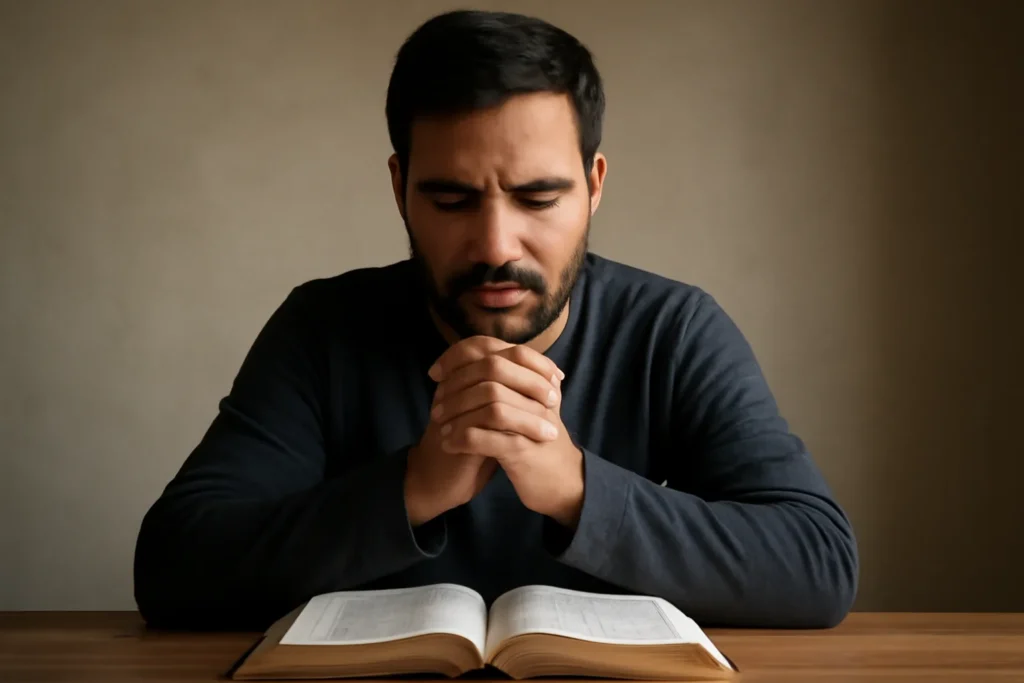
Fasting and prayer have long stood as a significant spiritual discipline in the Bible, a practice that helps believers move toward God with humility, focus, and dependence. In the biblical narrative, fasting is never presented as a magical formula but as a deliberate act that accompanies prayer, repentance, and seeking guidance. This article gathers and explains powerful fasting prayer verses from both the Old and New Testaments, offering verses, short quotes, and practical reflection to help readers understand how fasting can strengthen faith, provide guidance, and fortify strength for difficult times. Whether you are seeking wisdom for a decision, spiritual renewal, or intercession for others, these verses illuminate the heart of fasting as a conduit for relationship with God.
Understanding the Biblical Idea of Fasting and Prayer
To engage with fasting prayer verses effectively, it helps to understand what the Bible describes about fasting. Fasting is a voluntary abstinence from some or all food (and sometimes other pleasures) for a period of time as an act of worship, repentance, or earnest seeking of God. It is paired with prayer, which is not merely talking to God but listening to Him, aligning the heart with His will, and expressing dependence on Him. The biblical pattern often ties fasting to a specific goal: seeking divine guidance, turning away from sin, interceding for others, or asking for deliverance in moments of danger or crisis.
In many passages, fasting is described as a response to God’s invitation to press in closer to Him. The practice is set within a community context (corporate fasting) and a personal one (individual fasting). It sometimes includes acts of humility—sackcloth, ashes, or heartfelt lament—yet always with the aim of drawing near to God and experiencing His presence more deeply. For readers today, the biblically grounded approach to fasting emphasizes sincerity, obedience, and trust in God, rather than mere ritual or public display.
Key Fasting Prayer Verses for Strength
Strength in Scripture is often linked to seeking God first, acknowledging weakness, and surrendering to His power. Here are verses that scholars and believers historically have used to anchor fasting as a source of divine strength and courage in the face of trials.
Old Testament Foundations
Isaiah 58:6-9 (KJV) — "Is not this the fast that I have chosen, to loose the bands of wickedness, to undo the heavy burdens, and to let the oppressed go free, and that ye break every yoke? Is it not to deal thy bread to the hungry, and that thou bring the poor that are cast out to thy house? when thou seest the naked, that thou cover him;...
Daniel 9:3 (KJV) — "And I set my face unto the Lord God, to seek by prayer and supplications, with fasting, and sackcloth, and ashes."
Ezra 8:21 (KJV) — "Then I proclaimed a fast there at the river Ahava, that we might afflict ourselves before our God, to seek of him a right way for us, and for our children, and for all our substance."
Nehemiah 1:4 (KJV) — "And it came to pass, when I heard these words, I sat down, and wept, and mourned certain days, and fasted, and prayed before the God of heaven."
Esther 4:16 (KJV) — "Go, gather together all the Jews that are present in Shushan, and fast ye for me, and neither eat nor drink three days, night or day: I also and my maidens will fast likewise..."
2 Chronicles 20:3 (KJV) — "And Jehoshaphat feared, and set himself to seek the Lord, and proclaimed a fast throughout all Judah."
Daniel 10:2-3 (KJV) — "In those days I, Daniel, was mourning three full weeks. I ate no pleasant bread, neither came flesh nor wine in my mouth, neither did I anoint myself, till three whole weeks were fulfilled."
Matthew 4:2 (KJV) — "And when he had fasted forty days and forty nights, he afterward hungered."
Matthew 6:16-18 (KJV) — "Moreover when ye fast, be not, as the hypocrites, of a sad countenance: for they disfigure their faces, that they may appear unto men to fast. Verily I say unto you, They have their reward. But thou, when thou fastest, anoint thy head, and wash thy face; That thou appear not unto men to fast, but unto thy Father which is in secret: and thy Father, which seeth in secret, shall reward thee openly."
Acts 13:2-3 (KJV) — "As they ministered to the Lord, and fasted, the Holy Ghost said, Separate me Barnabas and Saul for the work whereunto I have called them. And when they had fasted and prayed, and laid their hands on them, they sent them away."
Acts 14:23 (KJV) — "And when they had ordained them elders in every church, and had prayed with fasting, they commended them to the Lord, on whom they believed."
Luke 2:37 (KJV) — "And she (Anna) was a widow, and she departed not from the temple, but served God with fastings and prayers night and day."
1 Corinthians 7:5 (KJV) — "Do not deprive yourselves of each other except by mutual consent and for a time, that ye may give yourselves to fasting and prayer; and come together again, that Satan tempt you not for your incontinency."
Notice how these verses emphasize sincerity, humility, and a focus on God rather than public display. When we read these verses together, we see that strength in fasting is not about forcing God to bless us but about opening our hearts to Him, aligning our will with His, and receiving His power to endure and persevere.
Fasting Verses for Guidance and Wisdom
Beyond strength, fasting in Scripture is closely tied to seeking specific guidance and divine wisdom. When decisions loom large or paths seem uncertain, the Bible presents fasting as a way to clear the mind and hear the Lord more clearly.
James 1:5 (KJV) — "If any of you lack wisdom, let him ask of God, that giveth to all men liberally, and upbraideth not; and it shall be given him."
Ezra 8:23 (KJV) — "So we fasted and besought our God for this: and he was intreated of us."
Daniel 9:3 (KJV) — "And I set my face unto the Lord God, to seek by prayer and supplications, with fasting, and sackcloth, and ashes."
Nehemiah 1:4 (KJV) — "When I heard these words, I sat down and wept, and mourned certain days, and fasted, and prayed before the God of heaven."
In these passages, fasting becomes a preparation for an encounter with God in which He reveals His counsel and direction. The purpose is not to coerce God into a decision but to position the heart to discern His leading more clearly. When you combine fasting with prayer around a pressing decision, you invite God to reorient your desires toward His will and to grant you insight that goes beyond human logic.
Fasting for Repentance, Humility, and Devotion
Fasting often accompanies repentance and a renewed devotion to God. It signals a turning away from self-reliance and a turning toward God’s mercy, justice, and love. The verses below highlight humility, contrition, and a sincere longing for God’s presence.
Joel 2:12-13 (KJV) — "Therefore also now, saith the Lord, turn ye even to me with all your heart, and with fasting, and with weeping, and with mourning: And rend your heart, and not your garments, and turn unto the Lord your God: for he is gracious and merciful, slow to anger, and of great kindness, and repenteth him of the evil."
Psalm 69:10 (KJV) — "When I wept, and chastened my soul with fasting, that was my reproach."
Psalm 35:13 (KJV) — "But as for me, when they were sick, my clothing was sackcloth: I humbled my soul with fasting; and my prayer returned into mine own bosom."
Isaiah 58:6-7 (KJV) — "Is not this the fast that I have chosen... to deal thy bread to the hungry, and that thou bring the poor... and that thou bring the naked to thy house; when thou seest the naked, that thou cover him; and that thou hide not thyself from thine own flesh?"
These verses show that fasting is not a trophy of piety but a means of honest self-examination, repentance, and leaning into God’s mercy. The presence of fasting with humility often paves the way for a fresh encounter with God, renewal of heart, and practical acts of justice and compassion that flow from a transformed life.
Corporate Fasting and Intercession in Scripture
The Bible records several powerful instances of corporate fasting—where a community, church, or group fasted together to seek God’s guidance, protection, or intervention. These passages illustrate how shared fasting can strengthen fellowship, deepen trust in God, and mobilize collective prayer for a purpose beyond personal needs.
Acts 13:2-3 (KJV) — "As they ministered to the Lord, and fasted, the Holy Ghost said, Separate me Barnabas and Saul for the work whereunto I have called them. And when they had fasted and prayed, they laid their hands on them, and sent them away."
Acts 14:23 (KJV) — "And when they had ordained them elders in every church, and had prayed with fasting, they commended them to the Lord, on whom they believed."
2 Chronicles 20:3 (KJV) — "And Jehoshaphat feared, and set himself to seek the Lord, and proclaimed a fast throughout all Judah."
Ezra 8:21-23 (KJV) — "Then I proclaimed a fast there, at the river Ahava, that we might afflict ourselves before our God, to seek of him a right way for us, and for our children, and for all our substance. So we fasted and besought our God for this: and he was intreated of us."
Esther 4:16 (KJV) — "Go, gather together all the Jews that are present in Shushan, and fast ye for me, and neither eat nor drink three days, night or day: I also and my maidens will fast likewise; and so will I go in unto the king, which is not according to the law: and if I perish, I perish."
Corporate fasting carries a powerful signal: the people of God can unite their hearts in humility before Him, seek His face, and invite His intervention for the sake of the community and the mission God has given. When prayers and fasting are offered in unity, they often precede decisive steps, spiritual breakthroughs, or protection in times of crisis.
Daniel and Esther: Models of Focused Fasting
Two vivid biblical portraits demonstrate how fasting can accompany decisive actions, courage under pressure, and a transformed spiritual posture in the face of danger or momentous decisions.
Daniel: Fasting as a Focused Petition
Daniel 1:12-16 (KJV) — "Prove thy servants, I beseech thee, ten days; and let them give us pulse to eat, and water to drink. Then let our countenances be look more healthier, and thus deal with thy servants according to thy saints’ presence. So he consented to them in this matter, and proved them ten days. And at the end of ten days their countenances appeared fairer and fatter in flesh than all the children which did eat the portion of the king’s meat."
Daniel 9:3 (KJV) — "And I set my face unto the Lord God, to seek by prayer and supplications, with fasting, and sackcloth, and ashes."
The Daniel records show how a sustained, disciplined approach to diet and devotion can accompany earnest petition for guidance, protection, and clarity in a complex political or spiritual environment. Daniel’s restraint signals seriousness and reliance on God rather than personal convenience or pleasure.
Esther: Courage Through Prayer and Fasting
Esther 4:16 (KJV) — "Go, gather together all the Jews that are present in Shushan, and fast ye for me, and neither eat nor drink three days, night or day: I also and my maidens will fast likewise; and so will I go in unto the king, which is not according to the law: and if I perish, I perish."
Esther’s teaching reveals how fasting can accompany courageous acts of advocacy and strategic decision-making. It is not merely about personal piety but about placing a community in a posture of dependence on God as crucial choices unfold.
How to Apply These Verses Today: A Practical Guide
Reading biblical verses about fasting is one thing; applying their wisdom in daily life is another. The following practical guidelines are designed to help readers engage fasting prayer in a healthy, biblically grounded way that honors God and serves as a meaningful spiritual discipline.
1) Set a Clear Purpose
Before you begin fasting, articulate a specific purpose for the fast. This could be seeking guidance on a decision, interceding for someone, pursuing spiritual renewal, or requesting God to move in a challenging situation. Clear intent helps keep the focus on God rather than on the act itself.
Absolute or complete fast (no food, usually for a short period under careful consideration and medical guidance).
Partial fast (restricting certain foods or meals, such as a Daniel fast with fruits and vegetables).
Time-bound fast (dedicating a set number of days or meals to prayer and Scripture study).
Corporate fast (a group or church-wide fast with shared prayer times).
3) Pair Prayer with Scripture Meditation
Each day of fasting can be paired with thoughtful scriptural meditation. Consider selecting a handful of verses (such as those listed above) and reflecting on how they illuminate the purpose of your fast. You might journal insights, promises, or discernment you sense from God.
4) Practice Humility and Integrity
As Matthew 6:16-18 reminds us, fasting should not be a spectacle. Maintain a normal demeanor to avoid drawing attention to the fast itself. Your motive should be to honor God and seek His throne of grace, not to win the praise of people.
5) Include Worship, Community, and Service
Fasting can be complemented by worship, reading Scripture aloud with others, or engaging in acts of mercy. Isaiah 58 presents a compelling model: true fasting expresses justice, generosity, and care for the vulnerable in addition to personal piety.
6) Pray for You and Others
Use the time to intercede for personal needs and the needs of others. As Acts 13:2-3 shows, fasting combined with prayer can accompany calling and sending workers into mission, a reminder that fasting often has a communal dimension that extends outward to bless others.
Common Pitfalls to Avoid
While fasting can be spiritually fruitful, some pitfalls can hinder its effectiveness or lead to burnout and legalism. Here are a few considerations to keep in mind as you engage in fasting prayer verses.
Legalism— Don’t treat fasting as a ritual that earns God’s favor. It is a discipline that aligns the heart with God’s will, not a performance.
Self-reliance wrapped in religiosity— Fasting should move you toward dependence on God, not toward control over outcomes through willpower.
Neglect of nourishment and safety— If fasting, especially longer fasts, you should be mindful of health and medical conditions. Seek wise counsel when necessary.
Isolating oneself from community— While some fasts are private, there is also value in corporate fasting and intercession for others, which can bring encouragement and accountability.
Choosing Wisdom: How to Interpret Verses in Context
Biblical verses about fasting are enriched by understanding their historical and literary context. For instance, fasting in Isaiah 58 centers on social justice and true devotion, not mere abstention from food. Similarly, the accounts in Acts reflect fasting as part of commissioning and pastoral leadership, not as a private ritual divorced from mission. When applying these verses today, ask questions like:
What is the heart behind the fast in this passage?
What is God inviting me to discipline—my appetite, my time, my priorities?
Does the verse speak to personal renewal, corporate intercession, or both?
How does fasting intersect with serving others in love?
By reading the verses with these questions in view, you can avoid misusing fasting as a tool for personal gain and instead honor God in faith, obedience, and mercy. A biblically grounded approach to fasting emphasizes the transformation of the heart, the alignment of the will, and the practical outworking of faith in daily life.
To help translate these verses into practice, here are sample prayer prompts that weave the verses into personal or corporate prayer times. Each prompt includes a key verse fragment and a prayer intention:
Strength and Courage (Isaiah 58:6-9): Ask God to empower you to live out justice, to feed the hungry, to clothe the naked, and to be a beacon of light in dark places, trusting that God will guide your steps as you pursue righteousness.
Guidance in Decision-Making (Ezra 8:21-23; James 1:5): Pray for discernment in important decisions, asking God for wisdom, safety for your family, and clarity about the path forward.
Intercession for Others (Acts 13:2-3; Esther 4:16): Intercede for mission partners, ministries in need, and people facing spiritual battles, asking God to move with power as the body of Christ unites in fasting and prayer.
Repentance and Humility (Joel 2:12-13; Psalm 69:10): Seek God’s mercy, confess sins, and renew devotion, inviting a fresh heart that loves justice, mercy, and truth.
Spiritual Renewal (Daniel 9:3; Daniel 10:2-3): Pray for spiritual renewal, greater faithfulness, and perseverance in trials, while dedicating time to seek God’s plan for your life and ministry.
If you are new to fasting prayer, here is a straightforward framework you can adapt to your rhythm and needs. The framework is designed to be practical, biblically grounded, and adaptable to individual circumstances.
Choose a Scriptural Anchor — Pick one or two verses that capture the purpose of your fast (for example, Isaiah 58:6-9 or Matthew 6:16-18).
Define the Fast — Decide whether you will do a partial fast, a time-bound fast, or a corporate fast, and consider safety and health.
Set a Time Frame — Establish start and end dates, and plan regular times for prayer and Scripture reading.
Journal Your Reflections — Record insights, impressions, answered prayers, or areas of heart transformation you notice.
Involve Others — If appropriate, invite a prayer partner, a small group, or your church community to join with you in fasting and intercession.
Evaluate and Give Thanks — At the end of the fast, reflect on what God did, give thanks, and consider how to live differently in light of the experience.
Fasting prayer verses remind us that the Christian life is a journey of dependence on God, not self-reliance. When we seek God through fasting, we acknowledge our need for His strength, wisdom, and mercy. The biblical witnesses invite us into a practice that can cultivate greater faith, clearer direction, and deeper compassion for others. The verses collected here—such as Isaiah 58:6-9, Matthew 6:16-18, Daniel 9:3, Acts 13:2-3, and Esther 4:16—offer windows into the heart of fasting as a pathway to intimacy with God and service to His people.
As you consider these teachings, you may find your own rhythm emerging: a personal practice that fits your context, your health, and your calling. Let the core aim be not simply abstaining from food or pleasures but pursuing a surrendered heart, a refined focus, and a stronger trust in the One who invites us to come boldly before His throne with our requests, our fears, and our deepest longings. Through fasting and prayer, the believer learns to lean more fully on God, to hear His voice with greater clarity, and to step forward in faith, empowered by His presence and guided by His truth.
If you would like, I can tailor a short, verse-based fasting plan for your season—choosing a few of the verses above, creating a 7- or 14-day framework, and providing daily reflection prompts and prayer templates. May your fasting journey draw you into a deeper encounter with God, strengthen your spirit, and bless both you and those you serve.







Leave a Reply