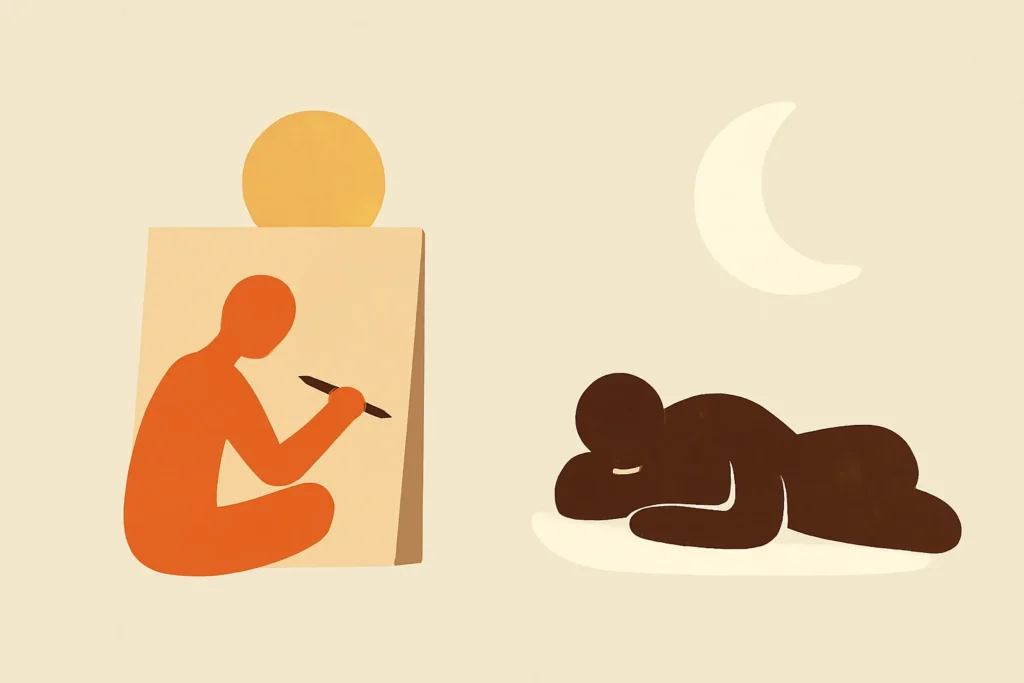
The word creation carries a spectrum of meanings that span cosmology, philosophy, art, technology, and everyday life. At its core, it denotes the act of bringing something into existence, but it also implies intention, process, and value. When we speak of creation, we may refer to origins—the moment when something comes into being; we may refer to production—the act of making or fabricating; or we may name a mode of thinking that generates new forms, ideas, or systems. Similarly, rest is not simply the absence of activity. It is a state or practice that allows renewal, consolidation, and growth. In this sense, rest becomes a critical component of any meaningful cycle of creation.
Across domains, the meaning changes in nuance, yet a common thread remains: creation is a forward-moving force that requires resources, focus, and time; rest is the sustainable counterbalance that protects energy, preserves health, and fosters long-term effectiveness. To explore their significance, it helps to see how different traditions and disciplines approach these terms, and how the pair operates in daily life, work, and culture.
Rest: The Meaning Beyond Sleep
Rest is often misunderstood as mere inactivity. In a broader sense, rest encompasses intentional pauses, recovery, and the restoration of capacity. It can be physiological, psychological, emotional, or spiritual. When we design a life that honors rest, we acknowledge that the body, mind, and social world all require times of quiet, recovery, and reset.
Biological Basis of Rest
From a biological perspective, rest is inseparable from health. Sleep is a primary vehicle of restoration, while other forms of rest—such as deliberate breaks, mindfulness, or light activity—support metabolic healing, memory consolidation, and immune function. The body uses rest to clear waste from the brain, regulate hormones, and repair tissues. Inadequate or chronically insufficient rest is linked to cognitive decline, mood disturbances, and increased risk for chronic illness.
Beyond sleep, recovery periods—moments when we disengage from demanding tasks—help regulate stress hormones and sustain sustainable performance. We can think of rest as a toolkit that includes sleep, gaps between work sessions, passive leisure, and intentional withdrawal from screens or screens’ demands. In combination, these elements create a restful milieu that supports resilience and clarity.
Rest as Recovery and Renewal
Rest is also a form of renewal. When we stop actively producing for a while, we give room for insight, creativity, and perspective to emerge. Restful states reduce cognitive fatigue and allow the mind to reorganize information, leading to novel associations and improved problem solving. In this sense, rest is not a passive absence of work but a dynamic condition that enables more effective creation later.
Interplay Between Creation and Rest
The relationship between creation and rest is not a simple trade-off. It is a cyclical, iterative, and reciprocal process. When we engage in creation, we consume energy, attention, and time. Proper rest replenishes those resources, making the next act of creation more likely to succeed. In practice, the most productive workflows often incorporate deliberate rhythms: intense focus followed by deliberate rest; deep work blocks punctuated by low-stimulation breaks; and creative downtime that allows ideas to mature outside the pressure of production).
Cycle of effort and pause: Healthy creation includes planned pauses to reflect, test, and reframe.
Quality over speed: Rest commonly enhances the quality of outcomes by improving accuracy, depth, and nuance.
Memory and learning: Rest consolidates learning, making it easier to retrieve and apply knowledge in future creative acts.
Risk management: Burnout often arises when rest is neglected; incorporating rest reduces fatigue-driven errors and poor judgments.
When balanced well, creation and rest form a virtuous loop: rest fuels creativity, and creative engagement creates meaning that makes rest purposeful and restorative.
Humans have long recognized that rest is not a sign of weakness but a foundation of strength. Different traditions articulate this balance in daily practice, religious observance, philosophy, and social norms. Exploring these perspectives helps illuminate why the interplay between making and pausing matters at every scale—from personal routines to national calendars.
Ancient Near Eastern and Judeo-Christian traditions: The pattern of work and rest is crystallized in the weekly sabbath—a structured cessation that sanctifies time and reorients priorities. This rhythm underscores a belief that creation and synthesis require a non-productive interval in which the created world and the creator are honored through rest.
Hinduism and Buddhism: Concepts of sūrya and vīran̄a (movement and stillness) or mindfulness-derived practices encourage sustained attention and non-attachment. Rest is often framed as a fertile state for insight and compassionate action rather than mere relaxation.
East Asian philosophy: In traditions such as Daoism and Confucian thought, balance is essential. Rest, quiet, and contemplation are valued as they restore harmony between personal intention, social obligation, and natural cycles.
Indigenous practices: Many communities emphasize seasonal rest, communal restoration rites, and cycles of making that align with ecological rhythm. Creation is frequently tied to stewardship, reciprocity, and ritual that rebind individuals to place and neighbors.
Industrial era and modernization: The rise of standardized workdays and productivity metrics created new norms around rest, including weekend breaks and vacation time, often justified by health, safety, and morale considerations.
Across these perspectives, the throughline is clear: rest is not optional luxury but a structural element of a meaningful life and a sustainable economy of production.
Practical Guidance: Applying Creation and Rest in Daily Life
Putting theory into practice requires concrete choices. Here are strategies to weave creation and rest into everyday routines, with an emphasis on durability, adaptability, and personal values.
Schedule cycles: Use alternating blocks of focused work and rest periods (for example, time-boxed sessions of 50–90 minutes with short breaks, followed by a longer pause after several cycles).
Define creative goals: Clarify what you intend to create, whether a piece of writing, a product prototype, or a painting. Break goals into smaller milestones that can be pursued in bursts and then paused for reflection.
Design your environment for rest: Create spaces that cue rest—low light, comfortable seating, quiet, and minimal distractions—to support mental downtime.
Schedule restorative activities: Build in time for walking, nature, music, talking with a friend, or meditation—activities that reset attention and mood.
Practice reflective rituals: End each creative session with a short review: what worked, what didn’t, and what you will try next. This reflection reinforces learning and prepares you for the next cycle of creation.
In addition to these practices, consider adopting a personal rest philosophy that suits your temperament, responsibilities, and energy patterns. Some people operate with a high-intensity rhythm and longer rest blocks, while others thrive on frequent, brief breaks throughout the day. The key is to maintain consistency and avoid the common trap of “work until exhaustion” that undermines both present welfare and future output.
In Work and Education
Professional and educational environments often emphasize outcome over process. Yet the most enduring success tends to emerge when creation is paired with intentional rest. Below are ways to integrate the two in school, higher education, and the workplace.
Project design: Build projects with milestones that explicitly include rest periods for review, testing, and iteration.
Learning cycles: For students, combine study blocks with deliberate breaks to improve retention and reduce cognitive overload.
Creative leadership: Managers and educators who model balanced routines encourage teams to sustain creativity without sacrificing health.
Feedback loops: Interleave periods of active creation with feedback, reflection, and revision; rest can make feedback more effective by widening perspective.
Wellness as part of performance: Recognize rest as a professional capability, not a deficit, and measure outcomes that include engagement, creativity, and quality.
In practice, this means designing deadlines with buffers, encouraging mental health days, and valuing the quality of output as much as the speed of delivery. When organizations adopt a nuanced view of production and rest, they often see higher employee satisfaction, lower turnover, and more sustainable innovation.
Creative Rest: Techniques to Sustain Creativity
“Creative rest” is a deliberate practice that reframes rest as an active contributor to innovation. It invites the mind to wander, absorb, and reassemble information. Here are techniques that support creative rest without guilt or fear of stagnation.
Nature immersion: Time in natural settings can reset attention and inspire new connections between ideas.
Low-stimulation activities: Gentle activities such as walking, doodling, or listening to ambient soundscapes allow unconscious processing to work.
Breath and body work: Short breathing exercises, stretching, or light movement reduces tension and primes the brain for synthesis.
Cross-disciplinary exposure: Engaging with art, music, science, or different cultures can seed novel associations when you return to your primary task.
Sleep-forward strategies: Quick naps or adequate nighttime sleep are foundational for consolidating new ideas and improving recall.
essential to remember is that restful creativity does not mean dull repetition. It means giving the mind a chance to integrate, restructure, and propose bold combinations that would not emerge under constant, unbroken work.
The welfare benefits of rest extend beyond mood; they influence physical health, cognitive function, and longevity. Adequate rest supports:
Cardiovascular health: Regular sleep and downtime help regulate blood pressure and reduce stress-related risk factors.
Mental clarity: Rest improves attention, working memory, and decision-making, especially under pressure.
Emotional regulation: Balanced rest cycles reduce irritability and mood swings, facilitating healthier social interaction.
Immune resilience: Recovery periods support immune function and reduce vulnerability to illness.
Long-term resilience: A culture of rest contributes to longevity and a sustainable pace of life, preventing chronic burnout.
Because health is holistic, rest interacts with sleep quality, nutrition, physical activity, and social connectedness. A robust approach to a healthy life acknowledges all these facets and creates a system of rest that aligns with personal needs and societal responsibilities.
Rest and Productivity: A Paradox Worth Embracing
Many people fear that rest reduces productivity. The evidence suggests the opposite: careful, intentional rest can actually enhance productivity by reducing errors, accelerating learning, and fostering innovation. When we mistake rest for laziness, we miss the crucial edge that makes sustained performance possible. A more accurate view is that rest is a strategic resource—a deliberate investment in the quality and durability of future work.
Pomodoro-like cycles: Short bursts of focus punctuated by breaks can improve concentration and creativity.
Recovery-first planning: Schedule rest into the calendar with the same seriousness as meetings or deadlines.
Rest audits: Periodically assess whether your rest patterns support your goals, adjusting as needed.
With this mindset, rest ceases to be an afterthought and becomes a central criterion for success. By treating creation and rest as complementary, individuals and teams can achieve higher levels of performance without sacrificing well-being.
Common Misconceptions and Clarifications
Several myths often obscure the real relationship between creation and rest. Here are clarifications to help reframe thinking and practice more effectively.
Myth: Rest is only for when you’re burned out. Clarification: Rest is a proactive habit that prevents burnout and sustains energy for long-term work.
Myth: Creativity requires constant effort. Clarification: Creativity thrives on cycles of tension and relief; steady rest creates space for insights to emerge.
Myth: Rest is unproductive. Clarification: Rest is productive when it rejuvenates attention, memory, and motivation for future tasks.
Myth: Sleep alone fixes everything. Clarification: Sleep is essential, but rest also includes mindful breaks, social connectedness, and leisure that supports cognitive flexibility.
Myth: You must choose between rest and achievement. Clarification: Many successful people balance both by designing rhythms that honor both creation and rest.
Understanding these nuances helps transform practice from a dreary duty into a sustainable, fulfilling discipline that enhances both personal growth and collective outcomes.
A Balanced Practice: Integrating Creation and Rest into Life
Ultimately, the aim is a balanced practice—a lifestyle in which making and pausing are integrated with intention and clarity. The following ideas provide a roadmap for building such a practice, whether you are an artist, a student, a manager, or a caregiver.
Define non-negotiable rest periods: Set aside regular times for rest that are protected from interruptions and guilt.
Respect the energy curve: Schedule demanding tasks when your energy and focus are highest, reserving lighter or reflective work for lower-energy periods.
Use rest as a springboard for new ideas: Treat downtime as part of the creative process, not as wasted time.
Collaborate with others on rhythms: Align cycles of creation and rest with teammates to reduce friction and support collective well-being.
Monitor outcomes, not just hours: Evaluate success by impact, learning, and happiness, not only by output or time spent.
In practice, developing a balanced rhythm is an ongoing experiment. It requires listening to your body, tuning your schedule, and staying flexible when life demands shift. By embracing both the power of creation and the necessity of rest, you cultivate a sustainable approach to work, study, and life that nourishes mind, body, and spirit.
To reinforce the idea, consider this concrete example: a writer schedules three 90-minute writing sessions in a day, each followed by 15 minutes of rest (short walk, stretch, or breathing). Between sessions, a longer afternoon break is reserved for reflection, reading, or light leisure. This pattern can yield fresh phrasing, clearer structure, and renewed motivation, demonstrating how production and pause work in harmony rather than in opposition.
Rest as Spiritual and Ethical Practice
Beyond health and productivity, rest has ethical and spiritual dimensions. Rest can be a practice of humility, gratitude, and governance of one’s own time. It can also be a form of respect toward others—recognizing that we are all limited, interdependent beings who need space to recharge. In this sense, rest is a moral choice as well as a personal one, signaling boundaries, care, and attention to the common good.
Many people find meaning in rest when it is connected to larger purposes—care for family, stewardship of the environment, or participation in community life. In such contexts, rest is not a retreat from meaning but a doorway to deeper engagement, because it enables us to return to our duties with greater clarity, compassion, and energy.
Technology, Media, and the Modern Rest Paradigm
Technology has reshaped the way we create and rest. It offers powerful tools for collaboration, learning, and expression, but it can also blur boundaries between work and leisure. A thoughtful approach to technology emphasizes digital boundaries, mindful consumption, and deliberate pacing. Practical steps include:
Scheduled device-free times: Periods when you unplug and disengage from notifications to allow deeper rest and reflection.
Intentional media curation: Choose content that informs, inspires, or relaxes rather than merely fills time.
Creative tools with limits: Use tools that enhance creation but impose constraints that stimulate originality rather than promote mindless scrolling.
By cultivating a mindful relationship with technology, you preserve the integrity of both creation and rest, ensuring that devices serve your goals rather than drive your schedule unconsciously.
Closing Reflections: A Lifelong Dialogue Between Making and Pausing
In the end, the meaning of creation and rest is a lifelong dialogue. It asks us to balance making with pausing, to treat rest not as an optional luxury but as an essential component of vitality and achievement. It invites us to view our hours, energy, and attention as scarce resources that should be stewarded with care. It challenges us to cultivate practices that honor both the urge to build and the wisdom to pause, so that what we make today does not exhaust tomorrow’s possibilities but nourishes them.
As you integrate these ideas into your own life, remember that there is no single correct rhythm. The most powerful approach is one that feels sustainable, meaningful, and just for you — a pattern that honors your needs, respects others, and sustains the world you are helping to shape through your creation and your rest.
May your journey toward a richer understanding of creation and rest be marked by curiosity, care, and clarity. May you find times of intense focus that yield compelling work, and times of quiet that restore, reframe, and renew. And may you discover that, in truly embracing both, you participate in a wisdom older than modern productivity: that life is best lived as a balanced practice of making with pause, effort with ease, and ambition with gentleness.










Leave a Reply