Bible Quiz Questions With Answers: Free Bible Trivia for All Ages
Bible Quiz Questions With Answers: Free Bible Trivia for All Ages
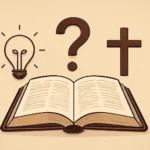
Welcome to a comprehensive collection of bible quiz questions with answers. This article is designed to be free, accessible, and suitable for all ages, whether you’re a parent looking for Christian educational activities, a teacher building classroom games, a youth group planning a night of trivia, or someone who simply enjoys biblical trivia as a personal hobby. Quizzes are a fantastic way to reinforce memory, deepen understanding, and ignite curiosity about the people, events, laws, parables, and promises found in Scripture. The questions herein cover a wide range of topics from the Old Testament and New Testament to famous biblical figures, places, and key passages. Each question is paired with a concise answer and a brief explanation when helpful, and we’ve included various formats such as multiple choice, true/false, fill-in-the-blank, and short answer to keep things engaging for different skill levels.
Bible Quiz Questions With Answers: Free Bible Trivia for All Ages
Quizzing can be a collaborative activity that strengthens memory and fosters discussion. Below you’ll find a structured set of quiz questions organized into practical categories. Each entry includes the question, the possible answers (where applicable), and the correct answer with a short note that clarifies the reasoning or context. Bold emphasis is used for key terms and the most important parts of the answer so you can quickly identify crucial information during review or scoring.
Categories and Formats for Bible Quiz Questions
Multiple-choice questions with four options (A–D) and a clearly identified correct answer.
True/False statements that test quick knowledge, with brief justification when needed.
Fill-in-the-blank questions that require recalling names, places, or phrases exactly as they appear in Scripture.
Short-answer questions that invite a concise response without options.
Who/What/Where/Whose questions about people, places, events, and books of the Bible.
Matching questions that pair items in two columns (e.g., prophet and message, book and author, event and consequence).
Old Testament Highlights: Quiz Questions With Answers
Begin with foundational stories, laws, poetry, and prophetic voices that shape the narrative arc of the Bible. The Old Testament contains narratives of creation, conquest, exile, wisdom, and covenant. The questions in this section are designed to reinforce memory of key figures and events from Genesis through Malachi.
Early Bible History and Key Figures
Question: Who built the ark to survive the Flood?
Options: A) Moses B) Noah C) Abraham D) David
Answer: B) Noah
Explanation: Noah is described as a righteous man chosen by God to preserve life through the Flood; God instructed him to build an ark for his family and representative animals.
Question: Which patriarch was promised by God that his descendants would become a great nation?
Options: A) Isaac B) Jacob C) Abraham D) Joseph
Answer: C) Abraham
Explanation: God’s covenant with Abraham includes the promise of numerous descendants, a land grant, and blessing for all nations through him (Genesis 12, 15, 17).
Question: The man who interpreted dreams for Pharaoh and became a key leader in Egypt was Joseph. True or False?
Answer: True
Explanation: Joseph’s ability to interpret dreams led to his rise from slavery to a position of power in Egypt, saving many from famine (Genesis 37–50).
Question: Which book records the creation, the fall, the flood, and the spread of nations at the tower of Babel?
Answer:Genesis
Explanation: Genesis chapters 1–11 cover these foundational events and set the stage for the unfolding biblical narrative.
Question: The Ten Commandments were given to the Israelites at Mount Sinai. In which book are they primarily found?
Answer:Exodus (also repeated in Deuteronomy)
Explanation: The Ten Commandments are central to the covenant with Israel and appear in Exodus 20 and repeated in Deuteronomy 5.
Worship, Wisdom, and Prophecy
Question: Which book is a collection of poems and songs, many attributed to King David, and is known for its expressive language and rich imagery?
Options: A) Proverbs B) Psalms C) Ecclesiastes D) Song of Songs
Answer: B) Psalms
Explanation: Psalms is a compilation of prayers, hymns, and reflections used in worship and personal devotion.
Question: The book of Proverbs emphasizes wisdom, fear of the Lord, and practical living. True or False?
Answer: True
Explanation: Proverbial wisdom literature guides everyday decisions and ethical conduct.
Question: Which major prophet’s message includes the famous prophecy, “They will beat their swords into plowshares”?
Answer:Isaiah (Isaiah 2:4)
Explanation: The prophecy envisions a future era of peace and transformation through God’s covenant with humanity.
Question: The book Daniel contains a famous story about three friends in the fiery furnace. True or False?
Answer: True
Explanation: Shadrach, Meshach, and Abednego survive the furnace due to God’s miraculous protection (Daniel 3).
Question: The story of Job centers on suffering, faith, and perseverance. Which of the following best describes Job’s initial status?
Options: A) A poor farmer B) A king C) A blessed man with a large family D) A prophet in exile
Answer: C) A blessed man with a large family
Explanation: Job is described as prospering in the land of Uz before his trials begin (Job 1).
New Testament Highlights: Quiz Questions With Answers
The New Testament focuses on the life and teaching of Jesus, the spread of the gospel, and the writings of the apostles. These questions help reinforce the central message of the Christian faith and the early church’s development.
Life and Teachings of Jesus
Question: Where was Jesus born?
Answer:Bethlehem (The Gospel accounts place Jesus’ birth in Bethlehem of Judea.)
Explanation: This aligns with the prophecy that the Messiah would be born in Bethlehem (Micah 5:2; Matthew 2:1–6).
Question: Which apostle is traditionally identified as the author of the Book of Revelation?
Answer:John the Apostle
Explanation: The Revelation to John, often called the Apocalypse, is traditionally attributed to John, the disciple of Jesus, on the island of Patmos (Revelation 1:1–2).
Places, Events, and Chronology
Question: The exodus from Egypt is associated with the parting of what sea?
Answer: The Red Sea (Exodus 14)
Explanation: According to the narrative, Moses leads Israel out of bondage, and God parts the sea to allow escape from Pharaoh’s army.
Question: In the Gospels, the Sermon on the Mount is delivered by Jesus in which region?
Answer:The region of Galilee (Matthew 5–7)
Explanation: The Sermon on the Mount contains many well-known teachings such as the Beatitudes and the Lord’s Prayer.
Question: The ancient city overthrown in the fall of Jericho is: A) Bethlehem B) Nazareth C) Jericho D) Jerusalem
Answer: C) Jericho
Explanation: The fall of Jericho is a pivotal event in Israel’s entry into the Promised Land (Joshua 6).
Question: The covenant of David’s line is associated with which city’s throne?
Answer:Jerusalem
Explanation: God’s promises to David center on his throne and the enduring dynasty, which is fulfilled in part through Christ in the New Testament (2 Samuel 7; Luke 1).
Question: Which event marks the beginning of the Church’s public mission in Acts 2?
Answer:Pentecost (Acts 2)
Explanation: The outpouring of the Holy Spirit empowers the apostles to preach and perform miracles, marking the birth of the church.
Books of the Bible: Quick Facts and Quiz Questions
Knowing the structure of Scripture helps learners navigate the Bible with confidence. The following questions focus on authorial attributions, key themes, and the placement of major books within the canon.
Author and Placement Questions
Question: Which book is traditionally attributed to King Solomon and is famous for its practical wisdom and short, memorable maxims?
Answer:Proverbs
Explanation: Proverbs is a collection of sayings that teach about wisdom, discipline, and right living (Proverbs 1–31).
Question: The book of Exodus primarily tells the story of liberation from Egypt and the giving of the Law. True or False?
Answer: True
Explanation: Exodus details the liberation from slavery, the crossing of the Red Sea, and the giving of the Ten Commandments at Sinai.
Question: Which book contains the most detailed genealogies in the Bible, often cited as a resource for chronology?
Question: The shortest book in the New Testament is 2 John or 3 John depending on the count, but which book is commonly recognized as the shortest?
Answer:2 John (2 John 1 chapter)
Explanation: 2 John is one chapter long, making it one of the shortest books in the Bible.
Fill-in-the-Blank and Short-Answer Bible Quiz Questions
Fill-in-the-blank and short-answer formats challenge memory recall and precise wording, which can be especially beneficial for developing precise Bible literacy. Answers are given in bold after each prompt.
Question: The first book of the Bible is Genesis. Fill in the blank: “In the beginning, God created the ______ and the earth.”
Answer:heavens (Genesis 1:1)
Explanation: The phrasing emphasizes God’s act of creation as the initiation of all things.
Question: The river that flowed out of Eden to water the garden was called the River of Eden with branches named Pishon, Gihon, Tigris, and Fisher. True or False?
Answer: False
Explanation: The correct set includes Pishon, Gihon, Tigris (Hiddekel), and Euphrates. “Fisher” is not one of the branches named in Genesis 2.
Question: Who wrote the majority of the letters in the New Testament, often addressed to early Christian communities?
Answer:Paul (the Apostle Paul)
Explanation: Paul authored many epistles such as Romans, Corinthians, Galatians, and more, addressing doctrine, church practice, and ethical living.
Question: The last book of the Bible is Revelation, which contains prophetic visions about end-times and the return of Christ. True or False?
Answer: True
Explanation: Revelation closes the biblical canon with visions of history’s culmination and the establishment of God’s eternal kingdom.
Question: The Book of Psalms was primarily written as a collection of poems and worship songs for communal and personal use. Fill in the blank: Psalms is often called the Book of __________.
Answer:Praises
Explanation: Psalms is a diverse anthology of poems and songs expressing praise, lament, thanksgiving, and trust in God.
True/False Bible Quiz Questions With Answers
True/False questions are quick and fun, helping to verify broad knowledge or kickoff a game night. Each item includes a short justification for clarity.
Question: Jesus is described as the fulfillment of the Law and the Prophets in the New Testament. True or False?
Answer: True
Explanation: Jesus is portrayed as the fulfillment of Old Testament prophecies, bringing the covenant to completion (Matthew 5:17).
Question: The Ten Commandments are only found in the Book of Exodus. True or False?
Answer: False
Explanation: The Ten Commandments appear in Exodus 20 and are restated in Deuteronomy 5, reflecting their ongoing importance in covenant life.
Question: The apostle Peter is known for denying Jesus three times before the rooster crowed. True or False?
Answer: True
Explanation: Peter’s denial occurs during Jesus’ trial, as described in the Gospels (Matthew 26; Mark 14; Luke 22; John 18).
Question: The book of Acts records the conversion of the Apostle Paul on the road to Damascus. True or False?
Answer: True
Explanation: Saul/Paul’s dramatic conversion is described in Acts 9, shaping his subsequent mission to the Gentiles.
Question: The Revelation of Jesus Christ is primarily a gospel message about salvation through faith. True or False?
Answer: False
Explanation: Revelation contains apocalyptic visions, messages to churches, and eschatological promises, rather than a straightforward gospel outline.
Discussion and Reflection: Using Bible Quiz Questions Effectively
Quizzes are most effective when they are paired with thoughtful discussion, context, and opportunities for reflection. Here are practical tips to maximize learning and engagement while using the questions above:
Use mixed formats to accommodate different learning styles. Alternate between multiple-choice, true/false, fill-in-the-blank, and short-answer questions to keep participants attentive and engaged.
Incorporate explanations after each answer. Short notes help learners understand why a particular answer is correct and how to connect it to broader biblical themes.
Group and individual rounds—organize some rounds for teams and some for individuals. Team rounds encourage collaboration and discussion, while individual rounds test personal recall.
Theme-based sessions—design quizzes around themes such as “Creation and Covenant,” “Gospel Teachings,” “Prophecy and Fulfillment,” or “Heroes of Faith.” This helps learners see the bigger arcs within Scripture.
Progressive difficulty—start with easier questions and gradually increase the challenge. This builds confidence and keeps participants motivated.
Supplement with visuals—consider adding maps, timelines, and imagery related to biblical events to reinforce memory through visual cues.
Provide references—include scriptural citations with questions so learners can look up passages later and study in context.
Encourage discussion—after revealing answers, invite participants to share what stood out, what surprised them, or how a verse might apply in daily life.
Adapt for ages—simplify questions for younger children and add depth or cross-referencing for teens and adults. The same questions can be adjusted with more challenging wording or additional context.
How to Use This Collection: Practical Ideas
Family quiz night—rotate question choosers, celebrate winners with a small reward, and share a short devotional tied to the day’s themes.
Sunday school or classroom use—organize a weekly quiz segment to reinforce yesterday’s lesson or an upcoming Bible story. Use questions as quick review or exit tickets.
Youth group activities—design friendly competitions with timer challenges, bonus rounds, and collaborative problem-solving questions that require teamwork.
Pocket quiz cards—print a compact set of questions with answers on per-question cards for quick review during breaks or car rides.
Online trivia night—create a digital quiz using slides or a simple quiz platform, enabling remote participants to join in real time.
Whether your goal is to teach, test, or simply entertain, bible quiz questions with answers can be a powerful tool for spiritual growth and biblical literacy. The questions in this article are crafted to be accurate, engaging, and adaptable to different settings and ages, while maintaining a respectful and educational tone.
Additional Notes for Teachers, Parents, and Group Leaders
Source accuracy—While most questions rely on well-known biblical facts, it’s always good to verify specific verses in your preferred Bible translation for precise wording, chapter, and verse numbers when presenting to a class.
Encouraging curiosity—If someone asks a question beyond the scope of the provided answers, use it as a teaching moment to explore related verses, cross-references, or historical background.
Respect for diverse perspectives—When facilitating group discussions, foster an atmosphere of mutual respect and allow different interpretations of passages where applicable, especially in historical and literary contexts.
Accessibility—If needed, provide large-print cards or screen-readable formats to accommodate participants with visual impairments. Use clear language and avoid overly technical theological jargon in introductory rounds.
Ethical engagement—Model thoughtful, biblically grounded responses. Encourage participants to apply biblical principles to everyday life and community building.
In summary, bible quiz questions with answers offer a versatile and enjoyable way to explore Scripture, reinforce learning, and build community among learners of all ages. The selection above provides a broad spectrum of topics and formats to keep your quizzes fresh and engaging, whether for a family night, a classroom, a church event, or personal study. Explore, discuss, and enjoy the journey through God’s Word as you test your knowledge and discover new layers of meaning in familiar stories and teachings.
Ready to start? Gather your group, pick a format, and dive into this extensive collection of free Bible trivia—a resource designed to nourish curiosity, deepen faith, and have fun with bible quiz questions with answers—for all ages.





Leave a Reply