Bible Artwork: The Ultimate Guide to Bible Art, Illustrations, and Religious Imagery
Bible Artwork: The Ultimate Guide to Bible Art, Illustrations, and Religious Imagery
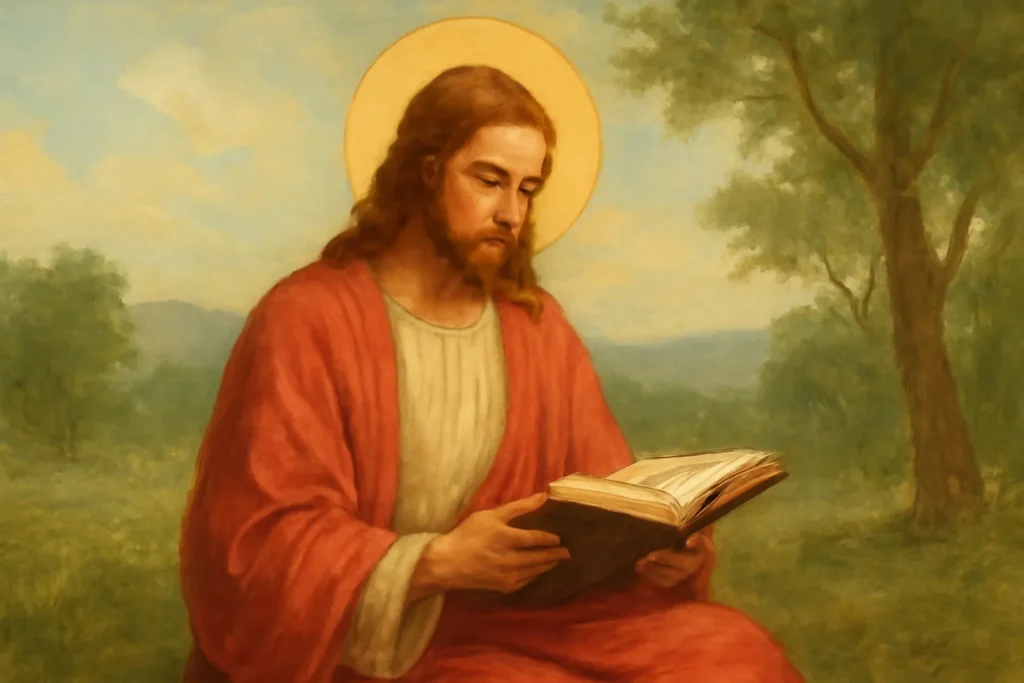
In the long arc of Christian visual culture, Bible artwork stands as a bridge between sacred text and visual contemplation. From illuminated manuscripts carved in monasteries to modern digital renderings, the imagery linked to Scripture has shaped devotion, interpretation, and public memory. This guide surveys the many faces of biblical art, tracing its evolution, techniques, themes, and ethical considerations. Whether you are a student of art history, a theologian, a collector, or simply curious about how artists translate ancient narratives into imagery, you will discover how bible art functions as a conversation across centuries, cultures, and media.
What counts as Bible artwork extends well beyond a single genre. It encompasses biblical imagery that appears in manuscripts, paintings, prints, sculpture, stained glass, mosaics, and now digital media. The common thread is that these works draw on Scripture—its stories, parables, laws, prophets, and psalms—and render them in a form that can be read with the eyes as well as interpreted with the mind. Illustrations in a devotional Bible, for example, do more than decorate text; they illuminate narrative moments, guide meditation, and invite viewers into a dialog with sacred history. Across centuries, artists have used iconography—a system of symbols and roles—to communicate complex beliefs about creation, covenant, sin, redemption, and grace.
What Counts as Bible Artwork? Definitions and Scope
Defining the scope of bible artwork involves recognizing both content and purpose. At its broadest, it includes any visual work that directly engages biblical narratives or figures. At its most specific, it refers to the illuminated pages of medieval manuscripts or the illustrated plates that accompanied a printed Bible. The scope also covers biblical imagery in secular settings where Christian narratives influence public art, from cathedral façades to hospital iconography. This guide uses several key terms to describe variations in form and function:
Illumination: the decoration of manuscripts with gold leaf, bright pigments, and intricate borders.
Iconography: a structured system of symbols that communicates theological ideas through recognizable figures and motifs.
Illustration: visual plates or scenes that accompany a text, clarifying or expanding its narrative.
Depiction of scenes in painting, sculpture, or digital media that translate textual passages into visual form.
Devotional imagery: art created to aid personal piety and worship, often emphasizing intimate or contemplative moments.
Throughout this article, you will encounter terms like biblical art, scriptural illustration, and Holy Writ imagery, each pointing to different aspects of how sacred text is visualized. The distinction matters because it helps us understand the purpose, audience, and cultural context of a work. A medieval illumination in a monastic book might serve liturgical function, while a Renaissance altarpiece in a church communicates a community’s theological priorities through grand narrative space. A contemporary digital piece may explore questions of representation, memory, and interpretation in fresh ways, yet still be tethered to the same source material: the Bible.
Historical Overview of Bible Illustration
The history of bible artwork is a story of adaptation, transmission, and innovation. Early Christian art absorbed motifs from Greco-Roman visual culture and Jewish iconographic traditions, transforming them into a language fit for catechesis and prayer. In the medieval period, manuscript illumination became a high art form, turning pages into sacred thresholds where gold, lapis, and pigment turned text into a radiant map of faith. The Renaissance brought a new confidence in naturalism and humanism, with artists reconstructing biblical scenes in the light of history painting and classical ideals. The Reformation reshaped religious imagery—many regions debated the role of images in worship, leading to reforms that emphasized scriptural primacy and sometimes iconoclastic critique. In the modern era, technological shifts—from woodcut and engraving to lithography, photography, and digital art—have democratized access to biblical imagery and broadened its expressive range.
Styles and Movements in Bible Art
Medieval Illuminations
Medieval bible illumination is perhaps the most recognizable phase of biblical art. In manuscripts produced in monasteries, an illuminated page might pair a text with a miniature depicting a biblical scene, a marginal vignette, or a decorative initial. The aesthetic goals were devotional and didactic: to lead the reader into contemplation, to reflect the heavenly order, and to teach scriptural narratives to a largely illiterate public. The use of gold leaf and vibrant pigments created luminescent surfaces that symbolized divine radiance. Common motifs included the annunciation, nativity, crucifixion, and scenes from the life of Christ and the saints. Cultural variations existed, with insular, Ottonian, and Gothic styles each bringing distinct linework, color palettes, and compositional strategies.
With the Renaissance came a renewed interest in human anatomy, perspective, and narrative clarity. Bible art from this era often embraced naturalism and emotional immediacy, while still serving devotional ends. Artists used perspective to place biblical events within a believable space, enabling viewers to imagine themselves within the scene. The Baroque period amplified drama, movement, and theatrical lighting to evoke reverence and awe. In Catholic contexts, served to edify, convert, and inspire through grand altarpieces, cycles of the saints, and powerful depictions of biblical cataclysms. Protestant regions sometimes favored more austere or didactic imagery, emphasizing the authority of Scripture and the moral lessons embedded in parables and narratives.
Protestant Reformation and Iconoclasm
The Reformation era produced divergent attitudes toward images. While some traditions embraced printed biblical illustration and portable devotional items, others pursued iconoclasm or restrained imagery in worship spaces. The result was a spectrum: from the theological emphasis on the word over the image to the persistent belief that images could support memory and meditation if used thoughtfully. This period also catalyzed the spread of engraved< /strong> sheets and illustrated bibles, enabling a broader audience to access Scripture-based imagery beyond cloistered settings.
Romantic and Victorian Bible Illustration
The 18th and 19th centuries brought a revival of interest in narrative painting of biblical stories. Romantic artists explored sublime emotions, moral ambiguity, and the mythic dimensions of Scripture, often with lush palettes and dramatic lighting. In the Victorian era, biblical illustration thrived in books for popular audiences and in church programs. Illustrators refined a clarity of narrative sequencing, turning parables and miracles into memorable scenes that could be understood at a glance. The emphasis was often on moral instruction, family piety, and the home as a space for spiritual life, with bible art becoming a familiar companion in domestic worship.
Modern and Contemporary Bible Art
In the 20th and 21st centuries, bible artwork has expanded beyond traditional media to embrace abstraction, conceptual approaches, and multimedia installations. Modern artists may retell canonical stories through nontraditional symbolism, explore biblical themes in relation to social justice, or interrogate the text as a cultural artifact. Digital media, video installations, and interactive exhibits allow audiences to engage with biblical imagery in new ways, asking questions about interpretation, authorship, and audience response. The result is a living conversation in which Scripture remains a wellspring of meaning, even as the visual language evolves.
Major Themes and Iconography in Bible Imagery
Creation, Fall, Redemption, Parables
One of the enduring strengths of bible art is its ability to compress complex theological narratives into compelling visuals. The Creation story invites viewers into the beginning of time, the Fall frames the problem of sin, and the perennial call to redemption provides a hopeful arc. Parables—short, instructive stories told by Jesus—offer rich moment-by-moment scenes that can be rendered with symbolic precision or narrative breadth. Across periods, artists have used light, color, gesture, and composition to guide attention to the moral or theological point at the center of the scene.
Biblical Figures and Scenes
From Eve and Adam to David, Daniel, and the apostles, mis en scène through Christian iconography has created a lexicon of recognizable figures. The portrayal of Christ as the Good Shepherd, the King, or the Suffering Servant reveals different theological emphases—messianic kingship, compassionate leadership, or redemptive sacrifice. Scenes such as the Last Supper, Pentecost, or the Resurrection are repeated across cultures and media because they crystallize core beliefs about revelation, community, and divine presence in the world.
Nature and Symbolism
Nature often serves as a language in bible artwork, conveying spiritual truths through trees, rivers, birds, fruits, and landscapes. The vine and branches motif, olive trees, doves, and lambs are among the most enduring symbols, each loaded with theological significance. Artists also use symbols to describe abstract concepts—light for truth, water for baptism, fire for the Holy Spirit. The careful selection and placement of symbols invites viewers to decode layers of meaning, turning a visual experience into a contemplative dialogue with the text.
Illumination is a discipline at the intersection of art, theology, and manuscript culture. Medieval illumination involved not only illustrating scenes but transforming the page into a sacred object. Techniques included applying gold leaf, gilding, tempera painting, and the meticulous execution of marginalia. The aesthetics were as much about the act of devotion as about the images themselves. In many cases, scribes and artists collaborated to ensure the text remained legible while the illuminations reinforced the text’s spiritual significance. The result was a multimodal experience in which the material beauty of the book was itself an object of reverence.
Woodcut, Engraving, and Lithography
Printmaking opened new avenues for bible artwork to reach broader audiences. Woodcut and engraving allowed mass production, making biblical imagery accessible beyond manuscript culture. Lithography later expanded tonal range and fluidity of line. Each method comes with its own expressive vocabulary: woodcuts often yield bold contrasts and strong silhouettes; engravings deliver fine lines and subtle textures; lithographs enable soft gradients and a wider color spectrum. The social impact of these techniques was significant: people could own or view prints of biblical scenes in homes, schools, and churches, shaping popular religious imagination.
Painting, Fresco, and Mural
Paintings—whether panel, canvas, fresco, or mural—remained a dominant mode of bible imagery for centuries. The choice of scale, composition, and light directs the viewer’s gaze through a narrative arc. Frescoes on church walls transform architectural space into a visual sermon, allowing the community to experience biblical episodes as communal memory. Panel paintings and altarpieces often function as focal points for liturgy, processions, or personal prayer. The holy space of a church or chapel is itself a canvas for storytelling, with architecture supporting symbolic meaning through proportion, perspective, and color.
Digital and Multimedia Bible Art
The late 20th and early 21st centuries introduced digital tools that broadened the range of possible expressions in bible artwork. Digital painting, 3D modeling, photography, and video installations allow artists to experiment with narrative pacing, interactivity, and time-based storytelling. Online galleries, virtual museums, and augmented reality experiences enable audiences to engage with Scripture-based imagery in new contexts. Digital works also pose questions about authorship, authenticity, and the role of the viewer in interpretation, enriching the ongoing conversation about what constitutes biblical art in the digital era.
Crafting a Bible Illustration: Process and Practice
Creating a new piece of bible artwork—whether a manuscript page, an oil painting, a woodcut, or a digital piece—entails a sequence of deliberate steps. The process is often a dialogue between text and image, faith and craft, tradition and innovation. Below is a generalized workflow that many artists, students, and educators find useful:
Source study: reading the chosen biblical passage or narrative, consulting commentaries, and noting key moments, symbols, and theological emphasis.
Concept development: deciding how to translate the story into visual form, including which moment to depict, what symbols to employ, and what mood to convey.
Composition and design: planning layout, perspective, focal points, and the relationship between text and image (if text accompanies the artwork).
Medium selection: choosing the appropriate medium (illustration, painting, relief, digital), considering audience, setting, and function.
Studio execution: applying techniques, building up layers, refining detail, and achieving the desired tonal balance and color harmony.
Refinement and critique: revisiting the work with peers or mentors to ensure that symbolism, readability, and devotional aims are achieved.
Presentation: framing, installation context, cataloging, or publication to connect the artwork with viewers and readers.
For students and professionals alike, the practice of biblical illustration benefits from a respectful approach to source material, attention to cultural context, and awareness of how imagery may be used in worship, education, or public display. Ethical considerations include avoiding misrepresentation of sacred figures, honoring diverse traditions, and acknowledging communities partly defined by their relationship to the text depicted.
Accessibility, Ethics, and Respectful Representation
As bible artwork travels through time and across cultures, questions of representation become increasingly important. Ethical considerations in religious art include:
Respect for diverse theological perspectives within Christianity and beyond, including Catholic, Orthodox, Protestant, and nontrinitarian traditions.
Sensitivity to the portrayal of sacred figures to avoid trivialization or sensationalism.
Awareness of historical contexts, including colonial legacies that involved mission art or church-sponsored imagery.
Inclusive representation of communities, recognizing women, people of color, and marginalized groups within biblical narratives if the artist’s aims and the text permit.
Transparency about source material, authorship, and the intended function of the artwork (devotional object, classroom illustration, public monument, etc.).
Respectful representation also invites viewers to engage with biblical imagery with curiosity and care. For educators and curators, contextual labeling, interpretive guides, and educational programming can help audiences understand symbolism, historical context, and theological nuance without reducing complex texts to simplified cartoons or stereotypes. In any era, the best Scripture-based imagery invites contemplation, dialogue, and ethical reflection.
Accessibility, Curation, and Conservation of Bible Artwork
Preserving and presenting bible artwork involves a blend of conservation science, curation, and interpretation. For illuminated manuscripts, conservators work to stabilize fragile parchment and pigments while maintaining historic integrity. For paintings and sculptures, techniques such as environmental monitoring, pigment analysis, and controlled restoration ensure that future generations can study and enjoy the work. Museums and religious institutions often curate exhibitions around themes like biblical narratives, iconography, and medieval devotional art to illuminate how visual storytelling evolved. Education programs accompanying exhibitions help visitors read images as texts—recognizing what is shown, what is implied, and what the artwork communicates about faith and culture.
Learning about bible artwork can be pursued in multiple settings. University departments of art history and theology offer courses on biblical imagery and iconography. Museums, galleries, and cathedrals often host temporary exhibitions or permanent collections featuring biblical scenes, illuminated manuscripts, and religious iconography. Libraries and archives hold rare books and manuscripts that reveal the evolution of Scripture-based illustration across centuries. For those who prefer self-guided study, there are excellent online resources that provide image archives, scholarly essays, and virtual tours of significant collections. Visitors can examine how symbolism functions in a single image, how composition guides narrative, and how historical context influenced creative choices in bible art.
Modern reproduction technologies permit broader access to biblical imagery. High-resolution scans of medieval manuscripts enable close study of illumination, pigments, and scribal handwriting without the fragility of the original objects. Digital restoration projects offer insights into lost color, but they also raise questions about authenticity and interpretive bias. The contemporary viewer may encounter biblical illustration as interactive installations, 3D printed reliefs, or virtual reality environments that place the spectator inside biblical spaces. This democratization of access can deepen understanding and empathy, but it also requires critical reading—acknowledging the artist’s choices, the influence of modern audiences, and the provenance of the work.
Glossary of Key Terms
Below is a compact glossary to help readers navigate the vocabulary of bible artwork and related ideas:
Illumination
The decoration of manuscripts with gold, precious pigments, and intricate borders, often serving devotional purposes.
Iconography
A system of symbols and imagery used to convey theological concepts and biblical stories.
Manuscript
A handwritten book or document, especially an ancient or medieval text containing scripture or commentary.
Scriptural illustration
Images that accompany and explain passages from the Bible, often guiding interpretation.
Devotional imagery
Art designed to foster prayer, meditation, and spiritual focus in the viewer.
Medieval art
Art produced in Europe roughly from the 5th to the late 15th century, heavily influenced by Christian liturgy and theology.
Altarpiece
A painting or sculpture placed behind the altar in a church, often depicting biblical scenes to inspire worship.
Religious icon
A sacred image used in worship or veneration, often carrying strong doctrinal significance within a tradition.
Iconoclasm
The rejection or destruction of religious images as a result of theological or political reasons.
Across centuries and media, bible artwork remains a powerful vehicle for transmitting and interrogating sacred narratives. From the gilded pages of illuminated manuscripts to the expansive vistas of contemporary digital installations, biblical imagery continues to shape how communities imagine divine presence, moral action, and the meaning of faith. The study of biblical art is not merely an exercise in aesthetics; it is a way of reading culture, theology, and history through the eyes of the artists who translate the Bible into light, line, form, and motion. Whether you encounter a medieval illumination in a hushed archive, a grand Renaissance altarpiece in a cathedral, a modern narrative sculpture in a public square, or a digital reconstruction in an online gallery, you are participating in a centuries-long conversation about what Scripture asks of humanity—and what humanity may offer to Scripture in return.







Leave a Reply