Understanding the language of bearing fruit in biblical literature
In biblical English and other biblical languages, the image of bearing fruit appears in multiple layers of meaning. At its most visible level, fruit can mean literal agricultural produce, but in Scripture it most often stands for the outcomes of a life aligned with God’s ways. A life that is fruitful demonstrates qualities, actions, and relationships that reflect God’s character and purposes. The expression fruitfulness thus becomes a broad umbrella for personal virtue, relational health, corporate impact, and generative ministry.
Throughout the Bible, the concept evolves: from the Old Testament imagery of fruitful land and thriving crops to New Testament depictions of Christ-centered vitality. The thread that ties these usages together is the idea of life forming an observable, tangible yield—whether in personal holiness, acts of love, or the spread of God’s kingdom. For readers today, understanding this broad biblical sense of bearing fruit in the Bible helps interpret key passages and apply them to everyday faith and practice.
Old Testament imagery: fruitfulness as blessing, covenant, and obedience
In the Hebrew Bible, fruitfulness is often linked to God’s blessing and the faithful response of people within the covenant community. When the land prospers and crops yield abundantly, the people recognize God’s provision and respond with worship, generosity, and obedience. Conversely, when the land fails or crops fail, the prophets challenge the people to return to God and to realign their lives with justice and mercy.
Key ideas and images
Blessing of the land: Obedience to God is repeatedly connected to the land’s fertility. Deuteronomy and Leviticus describe how obedience opens the gates of rain, harvest, and abundance, while disobedience brings drought and scarcity.
Fruitful households and lineage: Psalm 128 speaks of a husband and wife whose family is like a fruitful vine—a symbol of thriving family life under God’s blessing.
Righteous living and flourishing: When individuals pursue righteousness, their lives become like trees that bear fruit—healthy, productive, and a source of nourishment to others.
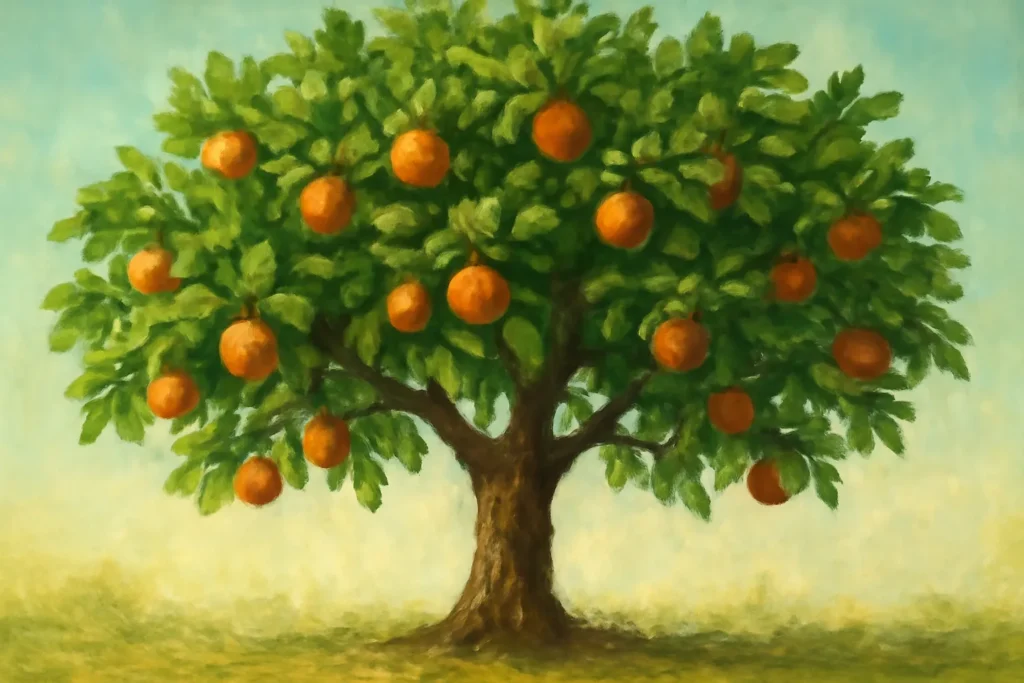
A classic example is Psalm 1, which contrasts the one who walks in the counsel of the wicked with the one who delights in the law of the Lord. The latter is described as a tree planted by streams of water, yielding fruit in its season. This imagery invites readers to see spiritual vitality as something tangible that shows up over time—an ongoing fruitfulness rooted in God’s presence.
New Testament depth: from outward signs to inward transformation
The New Testament expands the idea of bearing fruit beyond external success to include the inner life shaped by Christ. Jesus uses the intimate metaphor of the vine and branches to teach that true fruitfulness comes from abiding in him. The apostle Paul develops the theme with a focus on the fruits of the Spirit and the practical outworking of faith in good works.
The Vine and branches: abiding as the condition for fruit
In John 15, Jesus declares, “I am the vine; you are the branches. If you remain in me and I in you, you will bear much fruit; apart from me you can do nothing.” Here fruitfulness is not simply an outcome but a natural result of a living, daily relationship with Christ. The emphasis is on dependence, obedience, and receptivity to God’s life. The imagery also carries a warning: branches that do not remain in the vine fail to bear fruit and are ultimately cut away.
Jesus goes on to describe specific kinds of fruit that come from this intimate union: love, truth, service, and even witness that leads others to know him. He also notes that fruit that lasts is fruit that persists through seasons of change, pressure, and pruning. The idea of bearing lasting fruit becomes central to Christian identity and mission.
Fruits of righteousness and good works
The New Testament consistently links fruitfulness with righteous living and productive, God-honoring behavior. In Paul’s letters, fruitfulness is often expressed in tangible deeds—acts of generosity, compassion, faithfulness, and mission. For example, the fruit of righteousness appears as a natural outcome of transformation in Christ, rather than as a mere obligation.
Galatians 5:22-23 lists the fruit of the Spirit—love, joy, peace, patience, kindness, goodness, faithfulness, gentleness, and self-control. These virtues function as a sign that the Spirit’s life is at work within a believer and that such life bears spiritual fruit toward God and neighbor.
Colossians 1:10 calls believers to “live a life worthy of the Lord and please him in every way: bearing fruit in every good work, growing in the knowledge of God.” The emphasis is on both character and conduct as indicators of fruitfulness.
Romans 7:4 and Romans 6:22 speak of belonging to Christ so that we bear fruit for God, highlighting fruitfulness as a purpose of union with Christ and a path to mature righteousness.
Key verses about bearing fruit: a curated guide
To understand the breadth of fruit-bearing language in Scripture, here is a curated set of verses organized by theme. These selections illustrate how yielding fruit functions in different biblical contexts.
Genesis 1:11-12—the creation narrative includes the command for seed-bearing and productive, fruitful growth visible in the created order.
Psalm 1:3—the righteous person is like a tree planted by streams of water, which bears fruit in its season and whose leaf does not wither.
Psalm 92:14—“They will still bear fruit in old age; they will stay fresh and green.” This verse affirms that lifelong faithfulness yields enduring fruitfulness.
Deuteronomy 28:1-14—the blessings for obedience include agricultural fruitfulness and prosperity of crops and livestock, illustrating the covenantal link between faithful living and tangible fruit.
Jeremiah 17:7-8—the contrast between trust in the Lord and reliance on the land’s own strength; the one who trusts God is like a tree planted by water, rooted for fruitfulness even in drought.
New Testament cornerstones
John 15:1-8—the central vine-and-branches image; abiding in Christ leads to abundant fruit, with pruning shaping greater fruitfulness.
Matthew 7:16-20—“by their fruits you will know them”; genuine discipleship produces discernible results in life and work.
Matthew 13:23—the parable of the sower identifies the seed that falls on good soil as producing a crop—yielding fruit that aligns with God’s purposes.
Galatians 5:22-23—the fruit of the Spirit as a witness to transformed character.
Colossians 1:10 and Romans 6:22—fruit as good works and transformation resulting from new life in Christ.
Practical guidance for cultivating fruitfulness today
If bearing fruit is central to the biblical vision of a life that pleases God, how can a contemporary believer cultivate real fruitfulness? The answer involves a combination of dependence on Christ, intentional spiritual discipline, and responses to God’s grace in daily life.
Abide first: cultivate intimate union with Christ
The primary instruction for fruit-bearing in John 15 is not to strive in self-effort but to remain intimately connected to Jesus. Practices that support abiding in Christ include regular prayer, honest confession, Scripture meditation, and worship. This orientation keeps the heart aligned with God’s purposes and makes room for the Spirit to produce love, patience, and generosity.
Roots and pruning: faith formation through hardship
Fruitful living often requires pruning—removing what is unhelpful or distracting to growth. In biblical psychology, pruning is not punishment but a surgical reshaping that leads to greater yield. Embracing pruning seasons with trust allows a believer to develop resilience, maturity, and deeper character—qualities that enable genuine fruitfulness in ministry and daily life.
Cultivating the fruits of the Spirit in daily practice
The list of the fruit of the Spirit in Galatians 5:22-23 provides a practical map for daily growth. Each trait—love, joy, peace, patience, kindness, goodness, faithfulness, gentleness, self-control—can be cultivated through choice, habit, and the grace of God. Consider a practical approach:
Love in action: acts of service, listening well, and sacrificing for others.
Patience and gentleness in conflict: slow to anger, quick to seek reconciliation.
Self-control in desires: shaping habits that honor God and serve neighbors.
Faithfulness in commitments: reliability in family, church, and work.
Works that demonstrate a living faith
Bearers of fruit are not just contemplatives; they are doers. The Apostle James insists that faith without works is dead. Therefore, practical faith expresses itself in generosity, mercy, hospitality, and sharing the gospel. “Bearing fruit” in this sense includes evangelism, discipleship, and service to the vulnerable. It is a holistic life that shows up in relationships, finances, and communities.
Fruit that remains: lasting impact and eternal perspective
Jesus speaks of fruit that remains, or lasts, indicating a quality of spiritual outcomes that outlive this life. The idea is not merely about present satisfaction but about long-term effects for God’s kingdom. When believers invest in people, nurture faith, cultivate character, and participate in God’s mission, the results endure beyond expedient victories or temporary gains. This perspective reframes success from worldly metrics to divine purposes that endure.
Discernment about what endures
Not every popular initiative or visible achievement is lasting fruit. discernment is needed to distinguish temporary appearances from durable, gospel-centered fruit. Biblical fruit that remains typically reflects:
Transformed lives that imitate Christ and cultivate love for others.
Faith communities that multiply, disciple new believers, and practice justice and mercy.
Gospel-proclaiming work that leads others toward repentance, faith, and ongoing growth in grace.
Challenges, missteps, and healthy expectations
The path of fruit-bearing is not free of obstacles. Misunderstandings about what counts as fruit can lead to burnout or legalism. Some common questions include whether fruit is primarily about personal success, how to interpret seemingly barren seasons, and how to measure spiritual growth without reducing it to numbers.
Fruit is not the same as religious activity alone. A long list of outward deeds may not reflect inner transformation; the inner life matters as the root from which outward fruit grows.
Fruitfulness does not always look the same in every season. Growth can be quiet and gradual, or it can take dramatic forms of mission and rescue. The key is faithfulness to God’s purposes in the moment.
Fruit is not earned by self-discipline alone; it is produced by the Spirit’s work in a surrendered life. Prayer and obedience cooperate with grace.
Community dimensions: bearing fruit together
While personal fruitfulness is essential, the biblical vision places a strong emphasis on community and shared mission. A faith community that abides in Christ can multiply its impact—through convergence of gifts, mutual accountability, and corporate prayer. The church as a body can bear fruit collectively in forms such as generous social action, gospel witness, and the development of new believers into mature disciples.
Discipleship pathways and fruit-bearing communities
Mentoring relationships that nurture spiritual growth and practical wisdom.
Discipleship programs that emphasize Bible study, prayer, and accountable living.
Mission partnerships that extend the reach of the gospel into local and global contexts.
Practical steps for daily life: a simple plan to bear fruit
For readers seeking a practical starting point, here is a straightforward six-week plan to cultivate genuine fruitfulness in everyday life:
Abide in Scripture and prayer daily for 15–20 minutes, cultivating an awareness of God’s presence and direction.
Identify one area of character renewal that needs pruning (for example, patience or generosity) and implement a concrete action plan this week for growth in that area.
Practice one new local act of service or outreach—something tangible that serves a neighbor or a community need.
Share your faith story with at least one person this week, praying for opportunities and wisdom in discernment and gentleness.
Commit to generosity—set aside a portion of your income to support a cause aligned with gospel-centered mission.
Evaluate your progress at the end of the six weeks, asking: Is there evidence of growth in love, joy, and peace? Are relationships becoming healthier and more reflective of Christ?
The plan is not a rigid formula but a practical framework to align daily life with the biblical expectation of fruit-bearing. It emphasizes both interior transformation and outward impact, recognizing that real fruit emerges when faith becomes living action in the world.
Frequently asked questions about bearing fruit in Scripture
What is the relationship between faith and fruit?
Faith mindful of God’s grace naturally produces good works and virtuous character. Fruit is the visible expression of a living relationship with God, not the means by which we earn God’s favor.
Is fruit-making always about numbers or visible outcomes?
No. Biblical fruit is multifaceted. It includes character transformation, strength of relationships, generosity, and transformative influence within communities, in addition to any quantitative results.
How does suffering relate to bearing fruit?
Trials can refine character, deepen trust, and produce perseverance, which in turn yields greater spiritual fruit. The Bible repeatedly teaches that God can bring about good through hardship, producing a more resilient and compassionate people.
Can a person bear fruit without being in a church or community?
While individual faith matters, biblical fruitfulness is often shaped and sustained within the context of community, accountability, and shared mission. The Spirit often works through relationships and corporate worship to mature believers.
Concluding reflections: the lifelong rhythm of fruit-bearing
Bearing fruit in the Bible is a dynamic, lifelong rhythm of abiding in Christ, allowing the Spirit to shape character, and translating that inner life into outward acts of love, justice, and mercy. The fruit of the Spirit offers a compass for personal growth, while the vine-and-branches metaphor grounds the entire enterprise in intimate dependence on Jesus. Across both Testaments, the call remains: pursue what endures, cultivate what pleases God, and contribute to a world that longs for redemption.
Whether you are just beginning to explore what bearing fruit means or you have been walking this path for years, the biblical vision invites a holistic approach to life. It invites you to see everyday choices—how you speak to a coworker, how you handle money, how you treat strangers—as part of a larger story in which God is producing a abundant, lasting fruitfulness that points to Christ.











Leave a Reply