Overview: What is the Book Known as “A Prayer Before Dawn”?
A Prayer Before Dawn is widely recognized as a raw, unflinching memoir that documents one man’s time in Thai prisons and the struggle to survive, heal, and regain a sense of self amidst brutality, addiction, and systemic hardship. The book—often discussed under variations such as the dawn-prayer memoir or the dawn-time prayer narrative—presents a visceral portrait of confinement, yet it also threads in moments of grace, resilience, and transformation. In this complete guide, we will examine the book in depth, offering a thorough summary, a layered analysis of its themes and craft, and practical guidance for readers and educators who wish to engage with its material thoughtfully.
Readers frequently encounter a spectrum of descriptions when scholars, critics, and fans refer to the work using variants of its title. You may see references to the prayer before dawn volume, the dawn-prayer account, or the dawn-lit memoir. All of these variations point to the same foundational text: a first-hand account of imprisonment that uses stark, unsparing language to convey both physical danger and the interior life of someone who confronts addiction, violence, and spiritual longing. In this article, we treat these phrases as interconnected signals of the same work and attempt to clarify how the narrative achieves its impact across editions and discussions.
Publication History and Context
The book emerged from a convergence of personal experience, journalism, and memoir-writing. While the exact publication date can vary by edition and country, the work has circulated widely since its initial release and has found a second life through translations, audiobook versions, and a popular film adaptation. Important to understanding its place in contemporary memoirs is recognizing that the story belongs to the prison memoir genre—a field that includes voice-driven accounts of confinement, resistance, and the moral questions that arise under duress.
In reading this prison memoir, you should consider how memory works under trauma, how narration shapes the reader’s perception of reality, and how the author balances graphic description with introspection. The book is not merely a catalog of violent episodes; it is also a meditation on accountability, self-forgiveness, and the possibility of redemption within the margins of a harsh system.
Structure and Narrative Approach
Perspective, Voice, and Authenticity
The work is written in the first person, a conscious choice that grounds the reader directly in the narrator’s lived experience. The voice is matter-of-fact, often stark, and deliberately unadorned. This narrative stance serves two purposes: it preserves the immediacy of the perilous environment and it invites readers to confront uncomfortable truths about violence, risk, and the fragility of life in a coercive setting. The dawn-prayer narrative often shifts between description of physical surroundings—the sounds of cages, the smells of the cell, the cadence of orders from guards—and a more reflective interior life that surfaces what the narrator feels, fears, and hopes for in each moment.
Throughout the book, the author uses episodic chapters, sometimes focused on a single incident, sometimes on a longer arc of experience within the prison system. This episodic structure mirrors the rhythms of prison life, where routine and disruption alternate in unpredictable ways. The result is a text that feels both intimate and panoramic: intimate in its attention to the pain of a single inmate’s night-by-night reality, and panoramic in its account of an entire system that shapes, and sometimes distorts, human beings.
Language, Style, and Rhetorical Effects
The prose is muscular and unembellished, with a tempo that can feel like a heart beating under stress. When the author emphasizes interior moments—moments of despair, stubborn hope, or an unexpected act of mercy—the language tightens, allowing tenderness to surface in a setting that otherwise seeks to strip it away. The book frequently deploys concrete sensory detail: the weight of chains, the echo of a guard’s whistle, the taste of sour water, the claustrophobic feel of a cell. Such details cultivate an immersive realism that anchors the reader in the physical and emotional heat of the environment.
Across editions, readers often note a deliberate balance between brutal realism and moments of spiritual or existential reflection. The title itself—“A Prayer Before Dawn”—signals a structuring motif: before the day’s light arrives, the narrator confronts the dawn of possibility, whether that means a plan for staying alive, a memory of family, a moment of prayer, or a decision about how to face another day within the prison’s walls.
Plot Summary: A Guided Walk Through the Book
Because the work is a memoir rather than a novel, the plot unfolds through episodes rather than through a traditional arc. The following outline offers a structured summary designed to help readers understand the progression of events, themes, and turning points in the dawn-prayer memoir.
Pre-prison life and exposure to danger: The narrator recalls circumstances surrounding his entry into the prison system, including risks that led to incarceration. This phase frames the vulnerability that persists throughout the narrative.
Arrival and arrival rituals: The initial days in the prison—stripped of autonomy, subjected to the rules of a harsh regime, and thrust into a world where power is unevenly distributed—establish the stakes of daily survival.
Everyday brutality and coping strategies: The memoir catalogs moments of violence, fear, and the creative, sometimes improvised, tactics inmates use to cope with threat, maintain dignity, and seek small mercies.
Relationships among inmates: Interactions with fellow prisoners—alliances, rivalries, acts of solidarity, and the emergence of a makeshift community—provide crucial emotional texture.
Moments of spiritual or existential awakening: Throughout the text, the narrator grapples with questions of meaning, destiny, and grace, often arriving at insights during or after moments of extreme distress.
Confrontation with authority: Encounters with guards and the systems that police confinement highlight the power dynamics at work inside the prison.
Transformation and aftermath: The narrative closes by reflecting on what has changed, what remains, and how the experience continues to shape the narrator’s sense of self and future.
Readers should note that this outline is not a spoiler-filled map of a fictional plot but a guide to the memoir’s sequential intensity. Each episode contributes to the overarching questions of resilience, accountability, and hope. If you are approaching this text as a reader, you may wish to map each episode to a theme—such as survival, violence, humility, or spiritual longing—to cultivate a deeper interpretive framework.
Characters and Inmate Portraits
In a memoir rooted in confinement, the cast of characters is small yet potent. The narrator’s voice remains central, but the other inmates, guards, and staff figures populate the narrative with texture and conflict.
The Narrator: The author himself, whose consciousness and memory drive the work. His evolution—from a state of vulnerability and self-destruction toward a more tempered, reflective stance—forms the heart of the book.
Fellow Inmates: A diverse group whose relationships with the narrator reveal a spectrum of human responses to extreme conditions—camaraderie, suspicion, competition for scarce resources, and surprising acts of kindness.
Authorities and Guards: Figures that symbolize the coercive power of the institution. Their interactions with inmates illuminate the rules, penalties, and rituals that order prison life.
Supportive Figures (outside prison): Family or friends who appear in memory or longing, providing a counterweight to the prison’s dehumanizing environment and underscoring themes of home and future possibility.
The book’s focus remains intimate—on the inner life of the author and those small, human moments that persist even in extreme deprivation. While the cast may be small, their presence is essential for understanding how community, trust, and violence operate within closed spaces.
Major Themes and Critical Analysis
Survival, Violence, and Moral Ambiguity
A central tension in the work concerns survival under threat. The narrative does not shy away from graphic depictions of violence or the moral compromises people make when life is at stake. The memoir invites readers to weigh the costs and consequences of actions taken under duress. This is not a simple tale of heroism; it is a nuanced meditation on what it means to stay human when the environment itself is designed to strip away humanity.
Addiction, Guilt, and Redemption
Addiction is not merely a backdrop but a driving force in the story. The narrator’s struggles with substance use are interwoven with his experiences in prison, illustrating how cycles of dependency intersect with cycles of confinement. The analysis of addiction extends beyond personal failings to consider broader social and structural factors. The journey toward redemption and self-forgiveness is presented as arduous and ongoing, with progress punctuated by setbacks that test the narrator’s resolve.
Spirituality, Prayer, and the Symbolism of Dawn
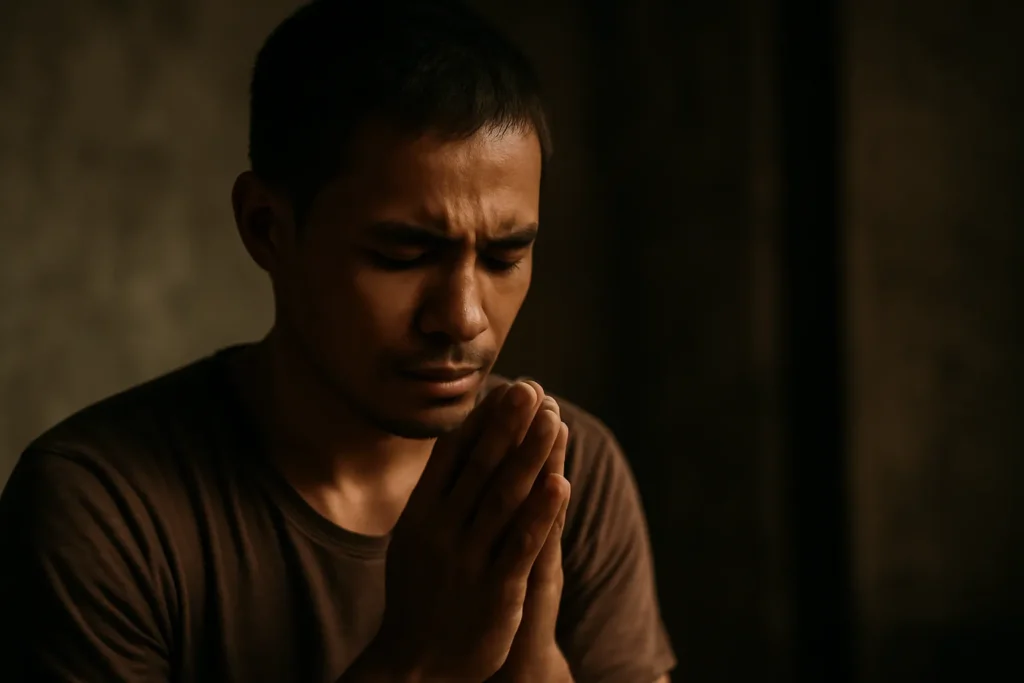
The title’s invocation of a prayer before dawn frames the text’s spiritual dimension. Dawn, in many literary traditions, signals renewal, reckoning, or awakening. In this memoir, it marks a moment of choice: to confront fear, to reach out to others, or to reaffirm a commitment to living with integrity. The book uses religious imagery and moments of quiet contemplation to balance its unflinching portrayal of danger with a sense of moral possibility.
The narrative often grapples with ideas of masculine pride and vulnerability. In the pressure cooker of prison life, vulnerability can become a catalyst for transformation, as the narrator negotiates how to protect himself while being open to help, guidance, and empathy from others. The tension between toughness and tenderness is a recurring theme, inviting readers to rethink conventional expectations of masculinity in extreme circumstances.
Language, Voice, and Ethical Representation
The author’s unvarnished prose can raise questions about representation: how to depict violence and pain responsibly, how to balance fidelity to memory with the reader’s well-being, and how to honor the dignity of survivors without exoticizing their suffering. Critics often note the ethical craft involved in portraying real people and real events, urging readers to engage critically with the narrator’s perspective while respecting the lived realities he describes.
Setting and Symbolism
The physical and institutional setting—Bangkok’s prison system and other Thai detention facilities—functions as more than a backdrop. It becomes a character in its own right, shaping behavior, power relations, and the odds of everyday survival. The environments are described with sensory intensity, turning dates, walls, and routines into symbols of control, confinement, and the possibility of release or transformation.
Symbolically, light and darkness recur as motifs. The dawn motif represents both danger and hope: before the sun breaks, the narrator faces precarious choices that will steer the day’s course. This interplay of light and dark aligns with larger questions of moral clarity in a setting that often blurs right and wrong, good and bad, safety and risk.
Context Within the Prison Memoir Genre
As part of the broader prison memoir tradition, this book sits alongside works that push readers to confront the lived realities of incarceration. It shares with other memoirs a willingness to tackle uncomfortable truths about violence, inequality, and institutions while offering moments of lyricism, insight, and humanity. What distinguishes this particular work is its fusion of gritty realism with existential reflection, producing a narrative that is both a chronicle of hardship and a testament to endurance.
Adaptation: From Book to Screen
The memoir has influenced a range of adaptations and discussions about how true stories of imprisonment translate to film and television. A widely discussed adaptation—often cited as a "dawn-to-dawn" transformation of the text—brings forward questions about how cinematic techniques can convey the claustrophobic intensity of prison life, how to depict violence responsibly on screen, and how to preserve the book’s inner life of the narrator when external action must carry much of the narrative weight. When approaching the film or other media adaptations, readers should compare how the core themes of survival, spiritual longing, and human connection survive the translation from page to screen, and what each medium can uniquely reveal about the experience of confinement.
Reception: Critical Perspectives and Public Response
Critics and readers have recognized the book for its unflinching portrayal of a brutal system and its intimate portrayal of an individual striving to endure and understand. Some reviewers praise the work for its candor and its moral seriousness, while others caution about the graphic content and the potential for sensationalism. An important line of inquiry in scholarly discussions concerns how the author navigates ethics and memory—how to tell a painful story while honoring the dignity of others who appear in it, and how to guard against reducing complex people and communities to mere objects of horror.
For readers and educators, the book offers a potent platform for discussing topics such as criminal justice reform, trauma-informed reading, and the role of literature in social critique. It also invites comparisons with other prison memoirs that foreground resilience or spirituality, enabling a richer conversation about how different voices frame similar experiences.
A Practical Guide for Readers and Educators
If you are reading this dawn-prayer memoir as part of a course or a book discussion, the following practical notes can help you structure your engagement with the text.
Reading approach: Read with a notebook to track recurring motifs (such as dawn, prayer, and moments of mercy) and to record how the narrator’s attitude shifts over time. Pay attention to pacing—how the narrative speeds up during violent episodes and slows during contemplative passages.
Discussion prompts:
What does the dawn symbolize in the narrator’s experience, and how does that symbolism evolve across the book?
How does the author depict power dynamics inside the prison, and what counter-narratives to oppression emerge through relationships with other inmates?
In what ways does addiction shape the narrator’s choices, and how is accountability addressed in the memoir?
How does the text balance brutal realism with moments of tenderness or humor, and what effect does this balance have on your reading?
What ethical considerations arise when translating a real-life prison experience to film or other media?
Comparative reading: Pair this memoir with other prison narratives—both from non-fiction and fiction—to explore how different authors handle the tension between violence and humanity, despair and hope.
Discussion about justice: Use the text to question contemporary criminal justice policies, rehabilitation, and the role of trauma-informed care in correctional systems.
Writing prompts:
Write a reflective piece from the perspective of a guard who respects a prisoner’s humanity; how do you reconcile duty with empathy?
Compose a short scene imagining a dawn moment that changes the narrator’s trajectory, but set in a different context (e.g., a hospital or asylum).
Analyze how language choices shape readers’ moral responses to the events described.
Frequently Asked Questions
Is this book suitable for all readers? The memoir contains graphic depictions of violence, addiction, and prison life. It may be intense for some readers; consider personal sensitivity and trigger points before reading.
What can readers gain from this book? Beyond the brutal realism, readers can gain insight into resilience, the complexities of redemption, the role of spirituality in extreme hardship, and critical questions about how prisons affect human dignity.
How does the book relate to the film adaptation? The film adapts core events and themes from the memoir, translating the narrator’s experiences into a cinematic form. The comparison often highlights differences in pace, emphasis, and visual storytelling while preserving the book’s central concerns about survival and faith.
What are good companion readings? Works in the prison memoir genre, trauma studies, and spiritual or philosophical reflections on confinement can complement this book—for example, other personal narratives about prison life, or reflective essays on faith under duress.
Key Takeaways: Why This Book Matters
A Prayer Before Dawn offers a stark, uncompromising look at the fragility and resilience of life under extreme confinement. It challenges readers to consider how people endure violence, addiction, and systemic hardship while holding onto a sense of self, purpose, and hope. The work’s enduring impact lies in its willingness to bear witness, to honor the humanity of those who live behind bars, and to probe the moral and spiritual questions that emerge when dawn breaks on a new day in a place designed to erase possibility.
Variations in Title Usage and Semantic Breadth
Throughout literature and discussion, you may encounter a variety of expressions that refer to the same work or concept. To provide semantic breadth, you will see phrases such as:
the dawn-prayer book
the dawn-prayer memoir
the dawn-time prayer narrative
the prayer before sunrise memoir
A Prayer Before Dawn: a prison memoir
The dawn-lit memoir about prison life
These variations signal the same core work while highlighting different facets of its meaning: its spiritual cadence, its time of day, its setting, and its ethical urgency. When using or quoting in academic or journalistic contexts, you may choose among these forms to emphasize particular angles—whether you want to foreground the book’s spiritual symbolism, its setting in Thailand’s prisons, or its memoirist’s inner journey.
Conclusion: Reading with Care and Curiosity
As a comprehensive resource for readers, this guide has explored the book’s narrative structure, its themes, and its place within the broader landscape of prison literature. The dawn-prayer memoir is not merely a record of sensational events; it is an invitation to reflect on the nature of endurance, the moral responsibilities we bear toward others, and the ways in which faith, memory, and community can sustain a person in the darkest hours. By engaging with the text through careful reading, thoughtful discussion, and critical analysis, readers can gain a nuanced understanding of how confinement tests human beings and how, in small acts of courage or mercy, it is possible to find a path toward renewal.
Whether you encounter this work as a prison memoir in a classroom, as a personal reading in a quiet corner, or as a source for film studies and adaptation discussions, its insistence on truth-telling, responsibility, and compassion remains compelling. The variations of its title you may see—ranging from the dawn-prayer book to the dawn-time prayer narrative—all point to a single, powerful inquiry: what does it mean to pray before the day begins, when the world has not yet revealed its full danger, and the only certainty is uncertainty?











Leave a Reply